Affordable Backpacking Gear that Lasts Beyond 2026
18 October 2026
Most backpacking gear advice ages badly. A jacket that looked like a bargain in 2023 may be delaminating by 2026, and a tent that survived one season of fair weather may fail the first time it meets sustained wind above the treeline. If you are buying gear now and want it to still be in service years from today, the question is not which product is cheapest. The question is which product delivers the lowest cost per usable night on the trail.
That reframing matters. Affordable does not mean disposable, and durable does not mean expensive. The overlap between the two is where smart buyers operate. This guide explains how to find that overlap, which categories reward spending and which do not, and how to evaluate gear so that a purchase made this year is still trustworthy well beyond 2026.
The Real Math Behind Affordable Gear
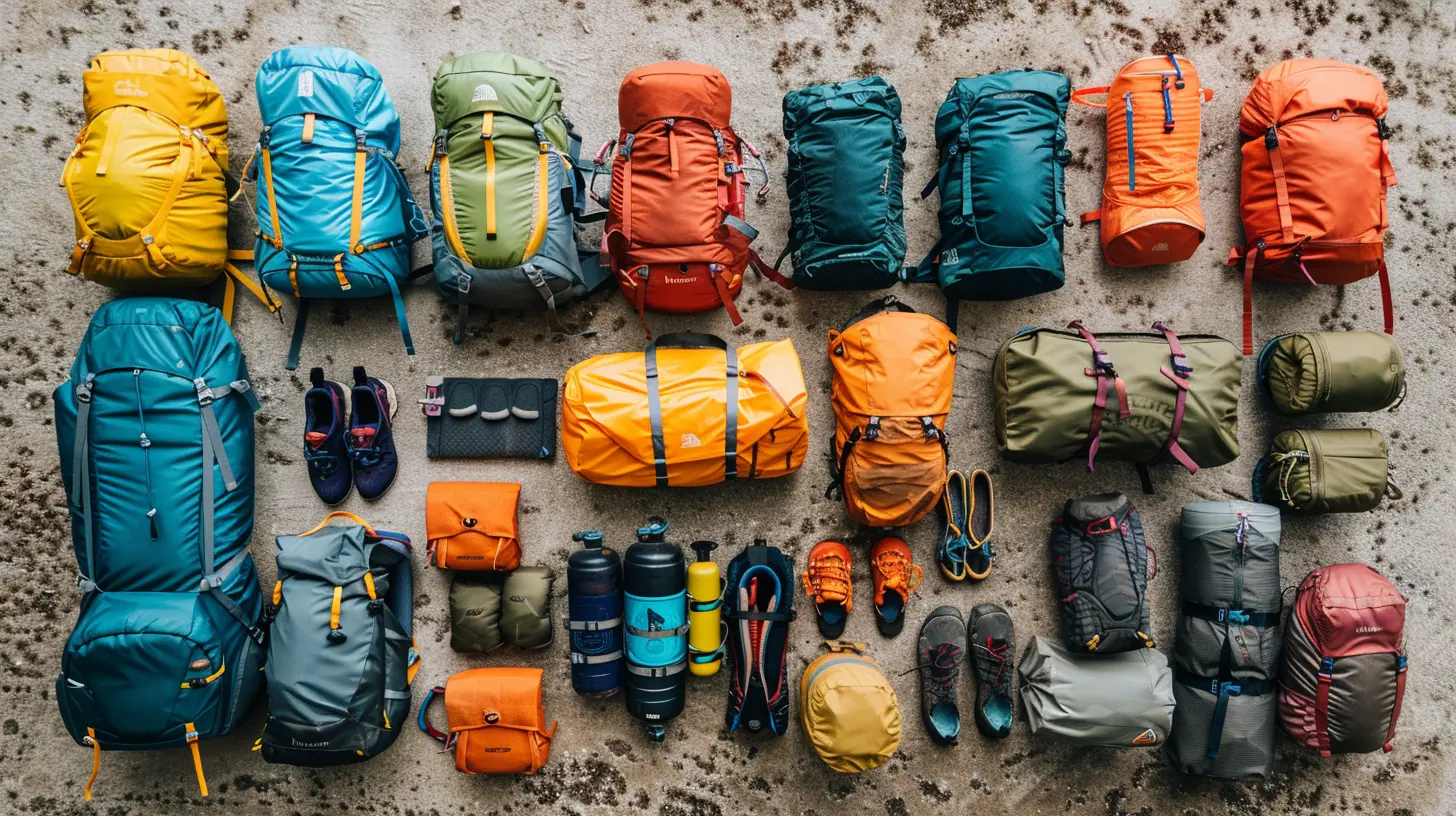
A 60 dollar sleeping pad that lasts two seasons costs more per night than a 140 dollar pad that lasts eight. This is the only calculation that matters, and almost nobody runs it.Do the arithmetic before you buy. Estimate how many nights per year you will realistically camp, multiply by the years you expect the item to last, and divide the price by that total. A budget stove at 30 dollars used 20 nights a year for five years costs 30 cents per night. A 90 dollar stove with the same lifespan costs 90 cents. The cheap stove wins on paper, but only if it actually lasts five years. The honest question is whether the cheaper item's construction supports that assumption.
Three factors determine whether a low price is genuine value or deferred cost:
Materials that degrade predictably. Polyester and nylon fabrics with polyurethane coatings fail through hydrolysis, a chemical breakdown accelerated by heat and humidity. A cheap coated fabric stored in a hot garage can delaminate in two or three years even with light use. Higher-quality coatings and laminated fabrics resist this longer. When you buy coated gear, storage conditions are part of its lifespan.
Serviceability. Zippers, buckles, cords, and straps are the parts that break first. Gear that uses standard components you can replace yourself outlasts gear with proprietary hardware that turns a five dollar failure into a replacement purchase.
Warranty behavior, not warranty claims. Many budget brands advertise lifetime warranties. What matters is whether the company honors them in practice and whether shipping and handling fees make a claim pointless on a low-cost item. A 40 dollar item with a 25 dollar claim shipping cost effectively has no warranty.
Run this math on every significant purchase. It will push you toward the middle of the price range far more often than toward either extreme.
Where Cheap Gear Actually Fails
Budget gear does not usually fail dramatically. It fails in specific, predictable places, and knowing them lets you buy cheap where the risk is low.Coated fabrics and waterproofing. This is the most common failure point. Entry-level rain jackets and tent floors rely on polyurethane coatings that crack, peel, or delaminate. Once a coating fails, the fabric is no longer waterproof and cannot be restored. A 60 dollar rain jacket may keep you dry for two seasons of occasional use, then start wetting out. A jacket using a laminated membrane or a higher-grade coating costs more upfront but holds up far longer. For rain shells, this is the category where spending more genuinely pays.
Zippers. Cheap zippers on sleeping bags and packs fail at the slider and at the teeth near stress points. Look for name-brand zippers, or at minimum examine whether the zipper is a standard size you can replace. A sleeping bag with a failing zipper is repairable if the zipper is standard and a tailor can access it. If it is buried in a complex baffle system, repair costs approach replacement.
Foam and insulation. Sleeping pad foam loses loft and support over time. Cheap closed-cell foam is nearly indestructible but uncomfortable. Cheap inflatable pads often use thinner films that puncture easily and foam that compresses permanently within a few seasons. The middle ground, a pad with a reasonable denier fabric face and a proven valve design, is where value lives.
Poles and frame components. Aluminum alloy matters. Cheap poles use low-grade aluminum that bends permanently under modest stress. A bent pole section is often unrepairable. This is another category where a modest upgrade in material quality extends life significantly.
Buckles and hardware. Plastic buckles crack in cold weather. This is a five dollar failure that can ruin a trip if it happens to a pack's hip belt buckle. Replacement buckles are widely available, so this failure is annoying rather than fatal, but it is worth checking that hardware is standard.
The pattern is consistent: buy cheap on items with simple construction and few failure points, and spend on items where the failure mode is unrepairable.

A Category-by-Category Guide
Shelters: Spend Here, Carefully
Tents are the highest-stakes purchase for durability. A tent's lifespan is governed by its fly and floor coatings, its pole quality, and its seam construction. Budget tents often skimp on all three.The practical approach for a durable budget shelter is a trekking pole tent or a simple two-pole design from a manufacturer with a track record on coatings. These designs reduce pole count and complexity, which reduces failure points. Silicone-treated fabrics, often called silnylon or silpoly, generally outlast polyurethane-coated fabrics if cared for properly, though they require seam sealing and are less abrasion resistant.
What to avoid: ultralight tents at bargain prices. Low weight at low cost usually means thin fabrics and minimal coatings, and those two compromises together produce a short service life. A tent that weighs 400 grams more but uses a 40-denier floor will outlast a fragile 15-denier floor by years.
A realistic expectation: a well-chosen budget shelter in the 150 to 250 dollar range, used 15 to 25 nights a year and stored dry, should serve five to eight years. That is excellent value. A 60 dollar tent will likely not reach half that.
Sleeping Systems: Split the Budget
Sleeping bags and quilts are where the split-budget strategy works best. Down insulation, properly cared for, lasts many years and can be refreshed. Synthetic insulation degrades faster with compression cycles but tolerates damp conditions better.For affordability, a quilt from a small manufacturer often beats a budget-brand sleeping bag. Quilts use less material, which lowers cost, and they have fewer failure points because there is no full-length zipper. A well-made 20-degree quilt at a mid-range price can last a decade with basic care.
Sleeping pads are the opposite case. Budget inflatable pads are a false economy for regular users. The film thickness and valve quality on very cheap pads lead to punctures and slow leaks within a few seasons. A pad in the middle of the price range with a proven valve and a reasonable fabric denier is the better long-term buy. Closed-cell foam pads remain the indestructible budget option and are worth owning as a supplement for cold weather or as a backup.
Packs: Fit Beats Features
A pack's durability comes down to fabric abrasion resistance, stitching quality, and hardware. Budget packs frequently use adequate fabric but weak stitching at stress points and low-grade buckles.The good news is that a simple, well-stitched pack from a budget brand can last many years. The bad news is that fit matters more than any spec sheet, and budget brands often offer limited sizing. A pack that does not fit will be replaced regardless of its construction quality, because you will not want to carry it.
Buy for fit first. Try the pack loaded with weight if possible. Then check the stitching at the shoulder strap attachments and the hip belt, and confirm the buckles are standard sizes. A 100 to 150 dollar pack that fits well and uses standard hardware will outlast a poorly fitting 250 dollar pack that you resent carrying.
Clothing: The Layering Exception
Clothing is the category where cheap gear performs best, with one exception. Base layers and fleece midlayers are simple garments. A budget merino or synthetic base layer does its job, and a cheap fleece is nearly as functional as an expensive one. These are safe places to save.The exception is the waterproof shell, as noted earlier. A rain jacket is a technical garment whose performance depends on coating or membrane quality. This is the one clothing item where spending more is usually justified for anyone who hikes in sustained rain.
Insulated jackets are a middle case. Synthetic puffy jackets at budget prices offer decent warmth and tolerate moisture, but their insulation loses loft faster than premium versions. If you hike in cold, wet conditions regularly, a mid-range synthetic jacket is the value pick. If your trips are mostly dry and mild, a budget puffy will serve for years.
Stoves and Cookware: Simple Wins
This is the easiest category. A canister stove is a simple device, and budget models from established manufacturers perform nearly identically to premium ones. The failure points are the valve and the pot supports, both of which are adequate on most budget stoves.A 30 to 50 dollar canister stove used with care will last many years. The same is true of aluminum cookware. Titanium pots are lighter but cost far more and offer no durability advantage. Aluminum is the value choice. Avoid only the very cheapest stoves with no brand history, where valve quality is a genuine safety concern.
Water Treatment: Do Not Economize on Reliability
Water treatment is a safety system, and a failure has consequences beyond inconvenience. Chemical treatment is cheap and reliable if you respect the contact time. Squeeze filters are more expensive but faster and more pleasant to use.Budget squeeze filters exist, but filter lifespan and flow rate degrade with use, and replacement cartridges can be costly. The honest calculation is cost per liter over the filter's rated life. Run it before assuming the cheap filter is cheaper. For most backpackers, a mid-range squeeze filter with a well-documented cartridge lifespan is the better long-term purchase, and chemical treatment as a backup costs almost nothing.

Buying Used Without Getting Burned
The used market is the single best source of affordable durable gear, provided you know what to inspect and what to refuse.Inspect coatings first. Ask for photos of the inside of the tent fly and floor, and of the inside of any rain jacket. Peeling, flaking, or a tacky feel means the coating is failing. Walk away. Coating failure is not repairable at a reasonable cost.
Check zippers and hardware. Operate every zipper. Look for missing teeth and bent sliders. Confirm buckles are intact and standard.
Ask about storage. Gear stored compressed, damp, or in hot spaces ages faster. A seller who stored a sleeping bag in a loose storage sack in a climate-controlled space is offering a fundamentally different product than one who kept it crammed in a hot car.
Verify the model and age. Manufacturers change materials between model years. A tent model from five years ago may use a different coating than the current version. Know what you are buying.
Price used gear against the cost-per-night math. A used item should cost meaningfully less than a new one, but a well-made used item at 60 percent of retail can still be the better value than a new budget item if its materials are superior.
Misconception to discard: that used gear is inherently risky. The risk is entirely in the specific item's condition, and condition is inspectable. A ten-year-old well-made tent with intact coatings is a better purchase than a new budget tent with thin coatings.
Maintenance That Doubles Gear Lifespan
Durability is not only a purchase decision. It is a maintenance practice, and the gap between cared-for and neglected gear is often several years of service.Store everything dry and loose. Damp storage is the leading cause of coating failure and mildew. Dry tents and sleeping bags thoroughly before storage, and store sleeping bags uncompressed in a loose sack.
Wash technical gear correctly. Dirt and body oils degrade coatings and insulation. Wash shells and sleeping bags according to manufacturer instructions, using products designed for technical fabrics. A clean jacket wets out less and lasts longer.
Repair early. A pinhole in a tent floor becomes a delamination site. Patch it immediately with appropriate repair tape. A fraying strap end becomes a failed strap. Seal it. Small repairs are cheap and prevent large ones.
Re-waterproof when needed. Durable water repellent finishes on shells wear off with use. Reapplying it restores performance and extends the garment's useful life. This is routine maintenance, not a sign of failure.
Know when to stop. At some point, repair costs exceed value. The signal is usually coating failure across a large area, multiple structural failures at once, or a safety-critical component that cannot be verified. Retire gear at that point rather than trusting it on a remote trip.
Common Mistakes and Misconceptions
Buying the cheapest version of everything. This produces a kit with many short-lived items and no budget left to upgrade the items that matter. Concentrate spending where failure is unrepairable.Confusing low weight with good design. Ultralight gear at budget prices usually achieves low weight by thinning materials. That is a durability trade you may not want.
Ignoring the cost of replacement parts. A cheap filter with expensive cartridges, or a cheap stove that needs proprietary parts, can cost more over time than a mid-range alternative.
Overbuying durability you do not need. A weekend camper who camps five nights a year does not need expedition-grade gear. Match the durability to the use. The cost-per-night math accounts for this: low use makes cheap gear viable.
Skipping the fit check on packs and shoes. No amount of construction quality compensates for poor fit. These are the two categories where trying before buying matters most.
Trusting warranty language over warranty practice. Research how a company actually handles claims before letting a warranty influence a purchase.
A Practical Buying Framework
Before any significant purchase, work through four questions:1. What is the failure mode, and is it repairable? If the likely failure is unrepairable, spend more. If it is a replaceable component, buy cheap.
2. What is my realistic annual use? Low use favors cheap gear. High use favors durable gear, because the cost-per-night math shifts.
3. What conditions will this see? Sustained rain and cold demand better materials. Mild, dry trips tolerate budget gear.
4. What is the cost per night over expected life? Run the number. It will resolve most close calls.
Applied consistently, this framework produces a kit that is affordable at purchase and durable in service. It also produces something less tangible: confidence. Gear you trust on a remote trip is worth more than gear that saved you twenty dollars and makes you nervous every time the weather turns.
The backpacking market will keep changing through 2026 and beyond, with new materials and new budget brands appearing regularly. The principles above do not change. Buy for repairability, run the cost-per-night math, spend where failure is permanent, and maintain what you own. Gear chosen that way tends to outlast the trends that surrounded its purchase.
all images in this post were generated using AI tools
Category:
Backpacking TipsAuthor:

Shane Monroe