Backpacking Through Festivals and Events in 2026
14 September 2026
Backpacking and festivals have always shared a natural rhythm. Both reward flexibility, tolerate discomfort, and turn strangers into friends faster than almost any other travel style. What changes in 2026 is the scale, the cost, and the logistics. Festival tourism has matured into a year-round global circuit, and the backpacker who plans well can move between celebrations on three continents without burning through a year's savings.
This guide is for the traveler who wants more than a ticket and a tent. It covers how to choose events that fit a backpacking budget, how to move between them affordably, what to pack, how to behave, and where most people go wrong. The advice here comes from patterns that repeat across festival cultures: the same mistakes, the same smart shortcuts, the same trade-offs between comfort and experience.
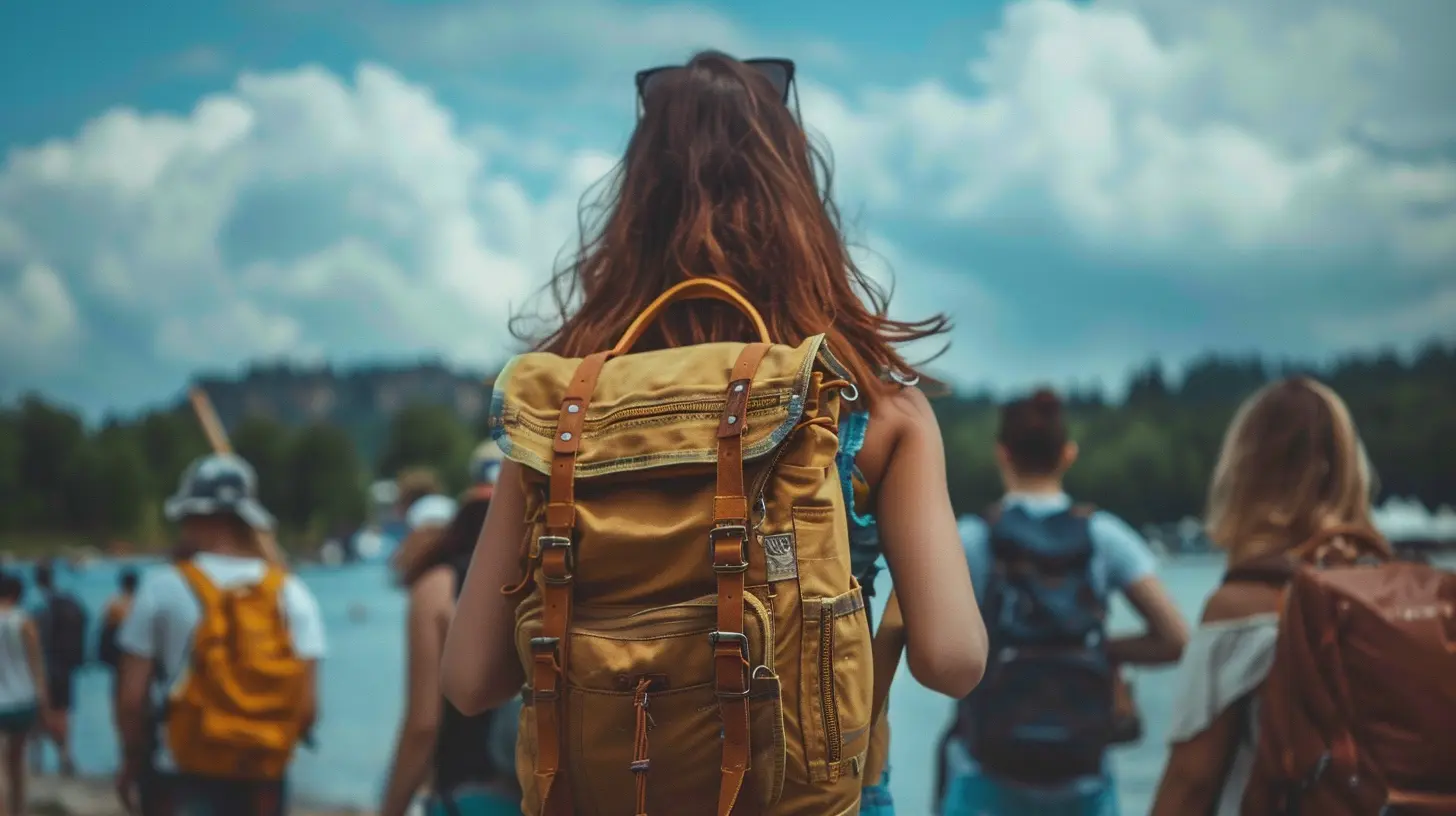
Why Festivals Are a Smart Backpacking Framework
Most backpackers plan by geography. They pick a region, then fill in the days. Festival-focused backpacking flips that. You pick a calendar of events, then connect the dots.This works for three reasons.
First, festivals solve the loneliness problem. Long-term travel can be isolating. A festival hands you a temporary community with a shared purpose. You arrive alone and leave with a contact list.
Second, festivals anchor your itinerary. Instead of drifting through cities wondering what to do, you have fixed dates that create structure. That structure makes it easier to book cheap transport in advance and to say no to expensive detours.
Third, festivals concentrate culture. A single weekend can teach you more about a region's music, food, and humor than a week of museums. You see how people actually celebrate, not just how they present themselves to visitors.
The trade-off is rigidity. Once you commit to a festival date, you lose the freedom to stay longer somewhere you love. The best festival backpackers build in buffer days on both sides of every event.
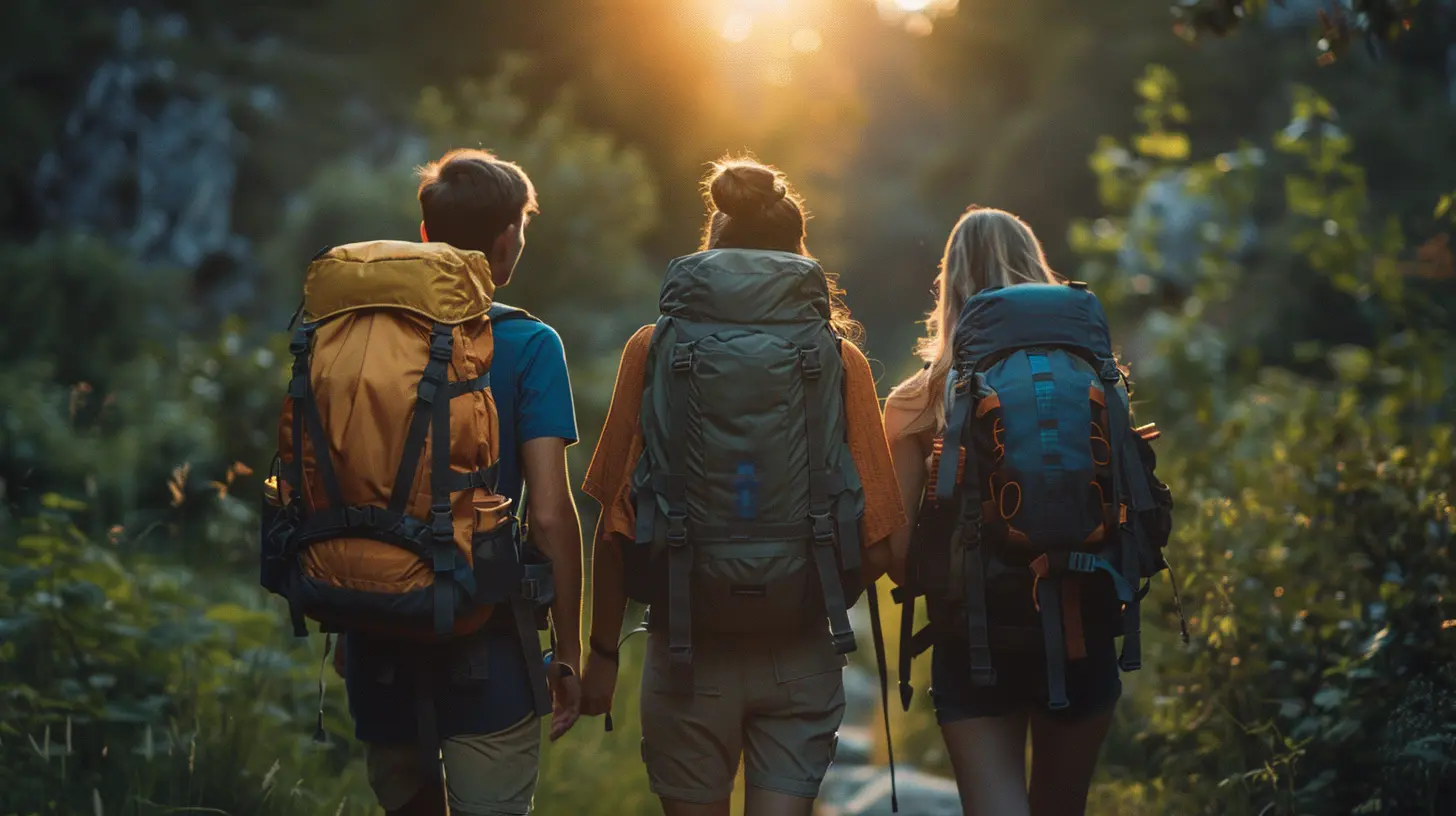
Building Your 2026 Festival Calendar
The festival year has a rough shape. Understanding that shape helps you sequence events logically instead of zigzagging across time zones.The Seasonal Arc
Northern hemisphere summer, roughly May through September, is the densest period. Europe alone hosts hundreds of music festivals, and the weather makes camping viable. This is also peak season for prices. Flights, trains, and accommodation all cost more.Southern hemisphere summer runs December through February. Events in Australia, New Zealand, South Africa, and South America fill that window. For a year-long backpacker, this creates an elegant loop: northern summer in Europe, then fly south for the opposite season.
Shoulder seasons, spring and autumn, offer the best value. Festivals in April, May, September, and October often cost less, draw smaller crowds, and still deliver strong lineups. If your budget is tight, build your calendar around these months.
Types of Events Worth Planning Around
Music festivals get the most attention, but they are not always the best backpacking value. Consider the full range:- Cultural and religious festivals, such as harvest celebrations, lantern festivals, or carnival traditions. These are often free or very cheap and offer deeper cultural immersion.
- Food and drink festivals, from wine harvests to street food fairs. These tend to be urban, which means you can combine them with city backpacking.
- Sports events, including marathons, cycling races, and regional tournaments. Many have free spectating and a party atmosphere.
- Arts and film festivals. Some are expensive and exclusive, but fringe and independent festivals are usually accessible.
- Niche gatherings, such as book fairs, gaming conventions, or craft markets. These attract specific communities and can be surprisingly welcoming to outsiders.
The mistake is assuming the biggest names are the best experiences. A 200,000-person mega-festival and a 2,000-person regional gathering offer completely different trips. The small one is usually cheaper, easier to navigate, and more likely to leave you with real conversations.
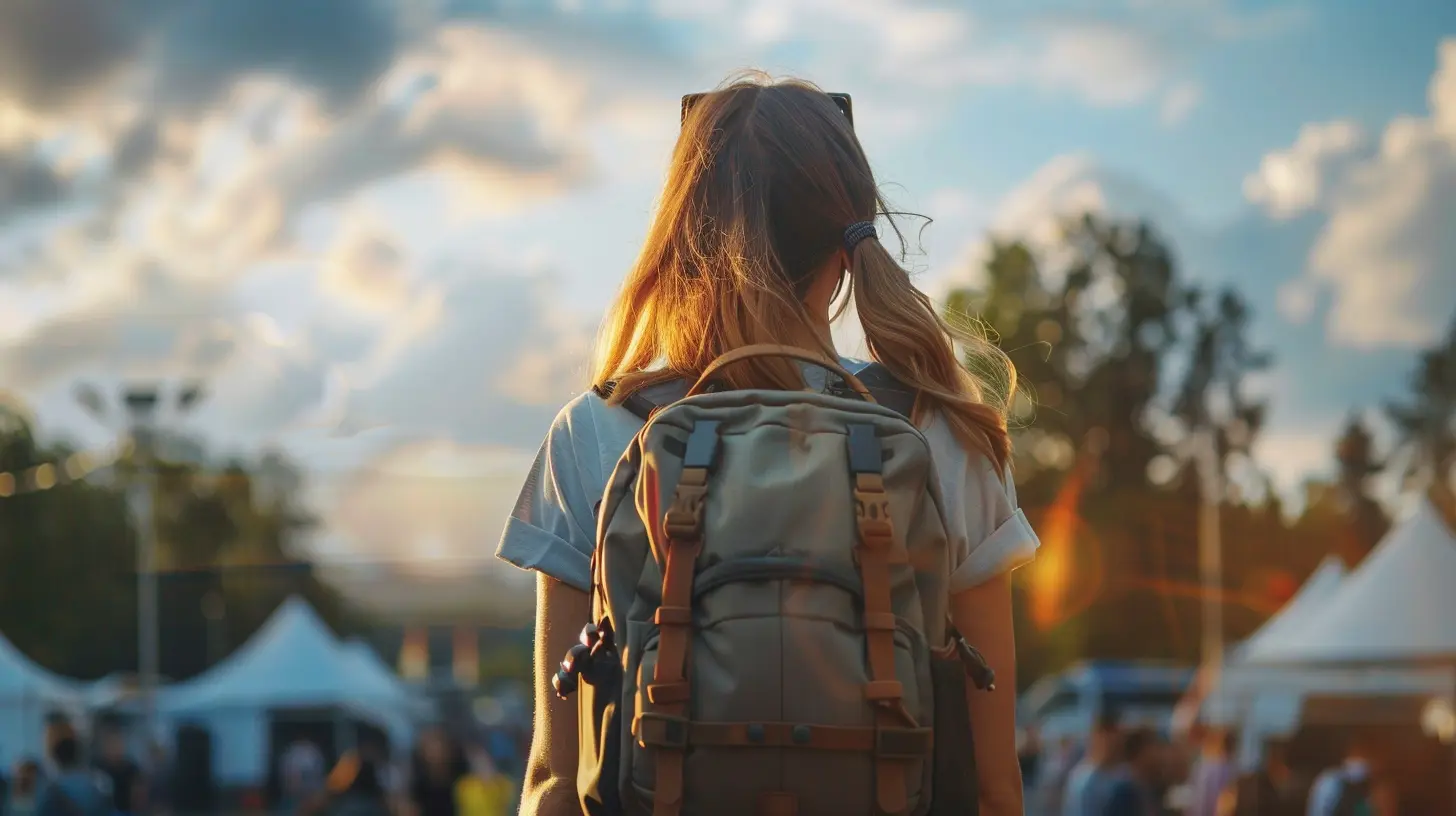
Choosing Festivals That Fit a Backpacker Budget
Budget is where most festival dreams collapse. A single weekend at a major international festival can cost more than a month of ordinary backpacking. Here is how to think about the money.The True Cost Breakdown
Ticket price is only the entry point. The real cost includes:- Transport to and from the site, which is often the largest hidden expense
- Accommodation, whether camping, hostel, or hotel
- Food and drink on site, which is almost always marked up
- Gear, if you need to buy a tent, sleeping bag, or rain protection
- Lost travel days, since recovery time has an opportunity cost
A useful rule: estimate the ticket price, then double it. That doubled figure is closer to your real cost. If the doubled number still fits your budget, the festival is viable.
Free and Low-Cost Alternatives
Many of the best festival experiences cost nothing. Public carnival parades, street festivals, national day celebrations, and religious processions are often free to attend. You pay only for transport and food.Volunteering is another route. Many festivals offer free entry in exchange for work, typically a set number of shifts during the event. This works best when you can commit in advance and when the festival is large enough to have an organized volunteer program. The trade-off is that you will miss some performances while working, and shifts can be tiring.
Working as a vendor or bar staff is a third option. It pays rather than costs, but it consumes most of your festival time. Choose this only if the experience of working the event appeals to you, not just the money.
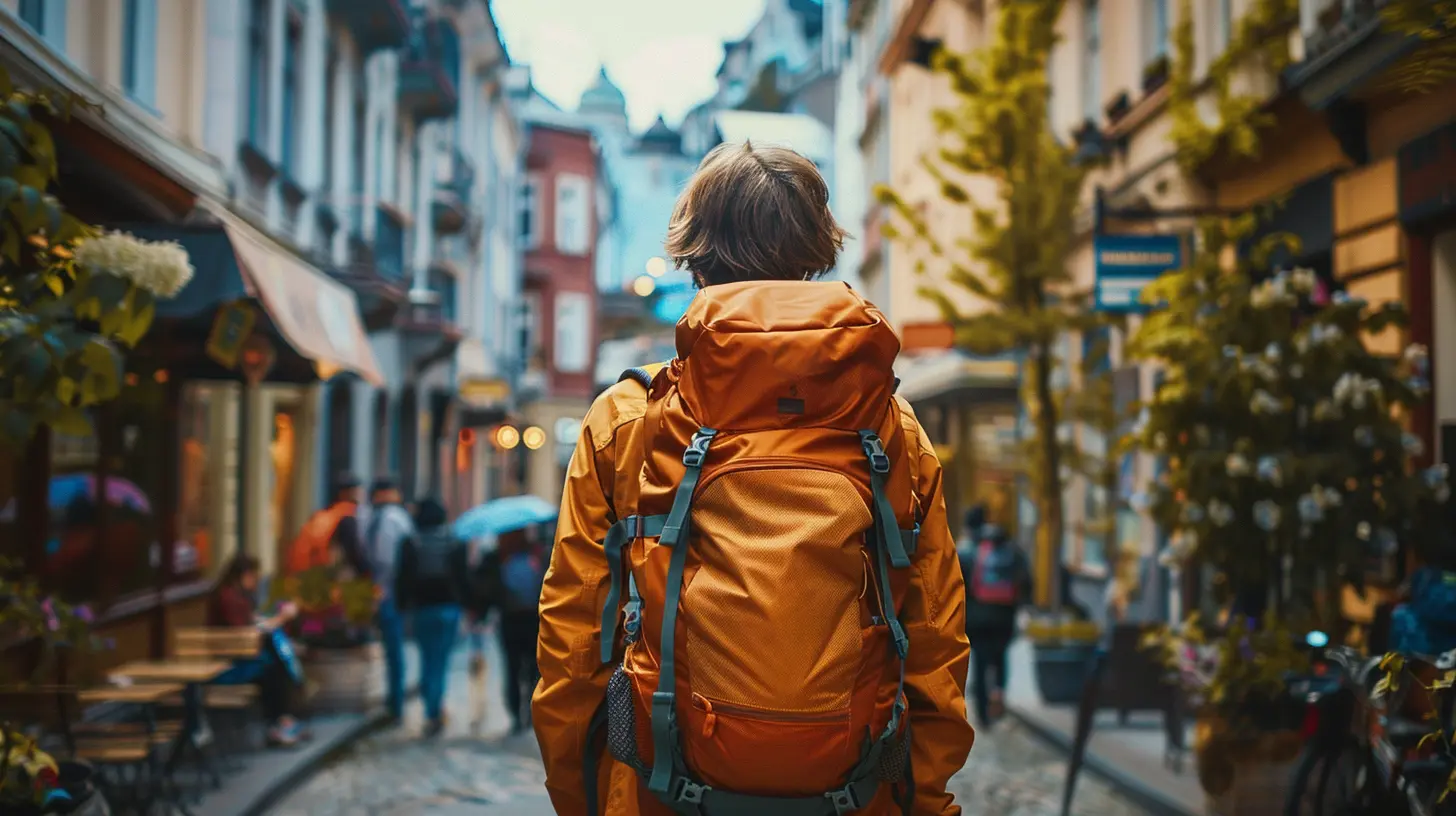
Getting There and Getting Around
Transport is where festival backpacking gets genuinely hard, and where good planning pays off most.Booking Strategy
Festival dates are announced months, sometimes a year, in advance. Once you know your target events, book long-distance transport early. Trains and buses between major cities often sell out or spike in price as the date approaches.For flights, the calculus is different. Budget airlines release seats on a rolling schedule. Booking too early can actually cost more than waiting for a sale. A practical approach is to set a price alert and book when the fare drops below your threshold, rather than committing the moment seats appear.
The Last Mile Problem
The hardest part of festival travel is often the final stretch, from the nearest town to the festival site. Options include:- Official shuttle buses, which are reliable but sell out and run on fixed schedules
- Rideshares and carpooling, which are cheap but require flexibility and trust
- Local public transport, which is cheapest but often infrequent or nonexistent on event weekends
- Walking or cycling, which works for smaller events but not for remote sites
Research the last mile before you book anything else. A festival that looks cheap can become expensive if the only way in is a pricey official shuttle.
Packing for Festivals as a Backpacker
Festival packing is a negotiation between comfort and weight. You are carrying everything, so every item must earn its place.The Core Kit
- A lightweight tent or a hammock, depending on the site and climate- A sleeping bag rated for the expected low temperature, not the average
- A sleeping pad, which matters more than most people expect for a good night's sleep
- Rain protection, including a poncho and dry bags for electronics
- Earplugs and an eye mask, because festival campsites are loud and bright at all hours
- A power bank, since charging points are scarce and contested
- Reusable water bottle and a small day bag
What Most People Overpack
New festival backpackers almost always bring too many clothes and too much gear. You will wear the same two outfits repeatedly. You will not need the extra shoes. You will not use the elaborate cooking setup.A better rule: pack for the worst weather you might realistically face, plus one comfort item. Everything else stays home.
Security and Theft
Festival crowds attract theft. This is not paranoia; it is a known pattern. Practical precautions:- Keep your passport, main bank card, and large cash in a money belt or hidden pouch
- Carry only the cash you need for the day
- Use a lock on your tent zipper, which deters casual thieves even if it will not stop a determined one
- Photograph your important documents and store them in cloud storage
Festival Etiquette and Cultural Sensitivity
Not all festivals are parties. Some are religious, some are solemn, and some have strict rules that visitors routinely ignore.Before attending any cultural or religious festival, spend twenty minutes researching expectations. Key questions:
- Is alcohol permitted or expected?
- What should you wear? Covered shoulders, removed shoes, and head coverings are common requirements.
- Is photography allowed, and are there sacred areas where it is not?
- Are there gender-specific spaces or customs?
- Is bargaining expected, offensive, or neutral?
Getting this wrong is not just embarrassing. In some contexts it is genuinely disrespectful and can cause real offense. The general principle is simple: observe first, participate second. Watch what locals do before you copy them.
Common Mistakes and How to Avoid Them
These patterns show up again and again.Over-scheduling. Booking three festivals in three weeks sounds exciting. In practice, it leads to exhaustion and blurred memories. Space events at least a week apart, ideally two.
Ignoring the recovery day. Festivals are physically demanding. Plan a rest day after each one, ideally somewhere quiet and cheap.
Buying tickets from unofficial resellers. Scams are common, especially for sold-out events. Use official resale platforms when they exist.
Assuming you can wing accommodation. Festival towns sell out months in advance. Book early or plan to camp.
Underestimating weather. Rain, heat, and cold all hit harder when you are living outdoors for days. Check historical conditions, not just the forecast.
Skipping travel insurance. A lost bag or a medical issue at a remote festival site can be expensive. Basic coverage is worth the cost.
Making the Experience Better
A few habits separate a good festival trip from a great one.Arrive early. The first day is calmer, campsites are better, and you meet people before the crowds arrive.
Talk to strangers. Festival communities are unusually open. A simple question about where someone is from often leads to hours of conversation.
Learn a few words of the local language. Even a clumsy attempt is usually appreciated.
Eat where locals eat. Festival food stalls are convenient but often mediocre. The best meals are usually a short walk away.
Leave no trace. Pack out everything you bring in. This is both ethical and increasingly enforced.
Final Thoughts
Backpacking through festivals in 2026 is less about chasing the biggest lineups and more about building a calendar that matches your budget, your energy, and your curiosity. The travelers who get the most out of it are not the ones who attend the most events. They are the ones who choose carefully, plan the logistics, respect the cultures they enter, and leave room for the unexpected.Start with two or three anchor festivals. Build your route around them. Keep your pack light, your expectations flexible, and your budget honest. The rest tends to work itself out.
all images in this post were generated using AI tools
Category:
Backpacking TipsAuthor:

Shane Monroe