Black and White Travel Photography: Techniques and Inspiration
14 December 2025
When we think of travel photography, our minds often paint a vibrant picture—blue skies, vivid markets, lush green landscapes. But have you ever stopped to wonder what happens when you strip away the color? What if I told you that some of the most powerful images from around the world were captured in nothing but black and white?
Black and white travel photography has a special kind of magic. It feels timeless. It feels raw. It forces you to look a little deeper. The contrasts, the shadows, the emotion—all of it comes alive in ways color sometimes can’t. If you’re curious about diving into the monochrome world of travel photography, you're in the right place.
Let’s walk through some techniques, share a few tips, and hopefully, spark a bit of inspiration for your next trip.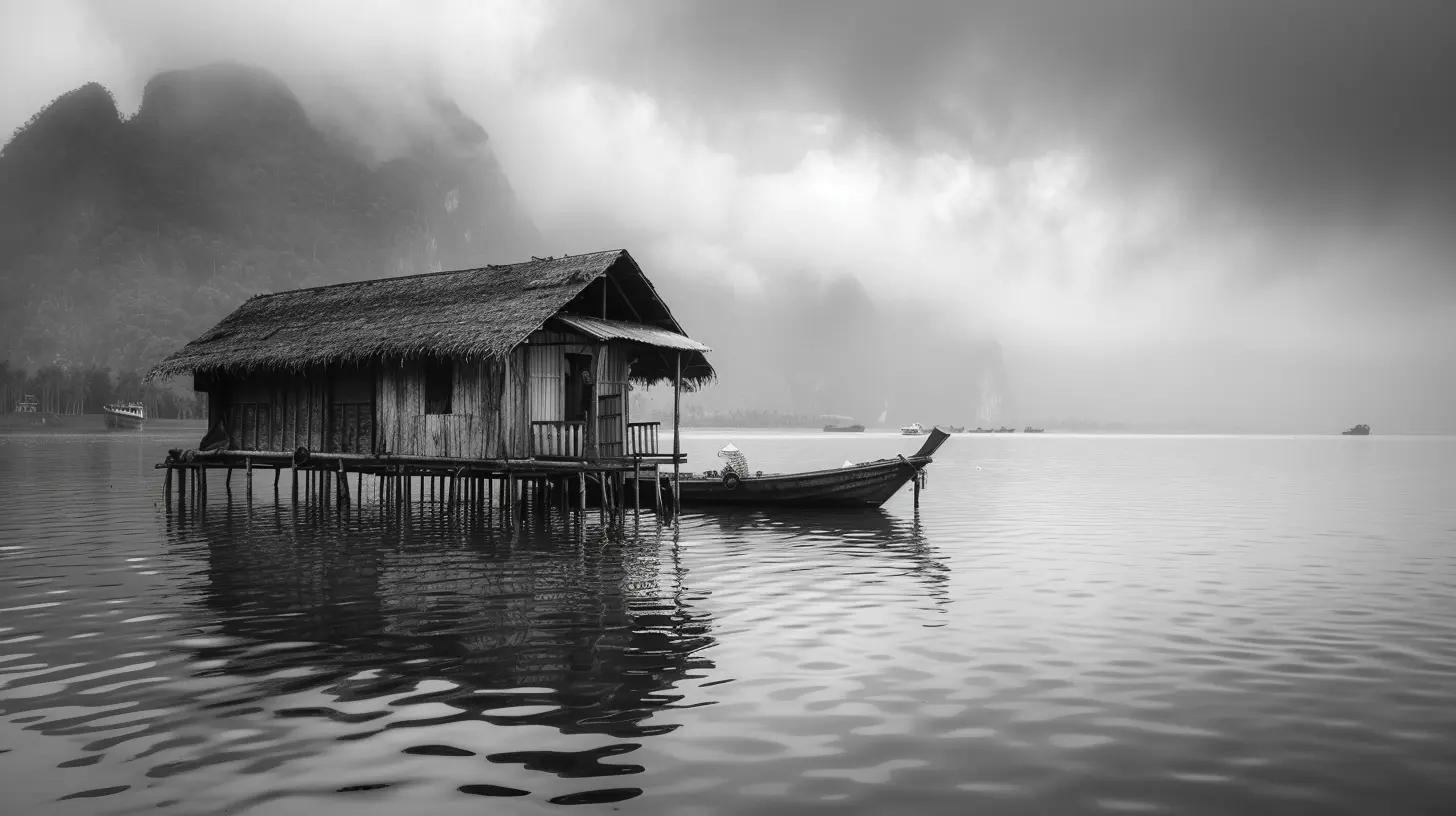
Why Black and White? What’s the Big Deal Anyway?
Great question. You might be asking, “Why would I want to remove color from my travel photos?” After all, isn't that vibrant sunset in Santorini half the point?Well, here’s the truth. By removing color, you eliminate distraction. Your eye is no longer pulled in twelve different directions. Instead, the focus shifts to the subject, the composition, the emotion.
It’s kind of like listening to someone whisper in a noisy room. When everything else fades away, you lean in just a little closer. That’s what black and white photography does—it draws people in.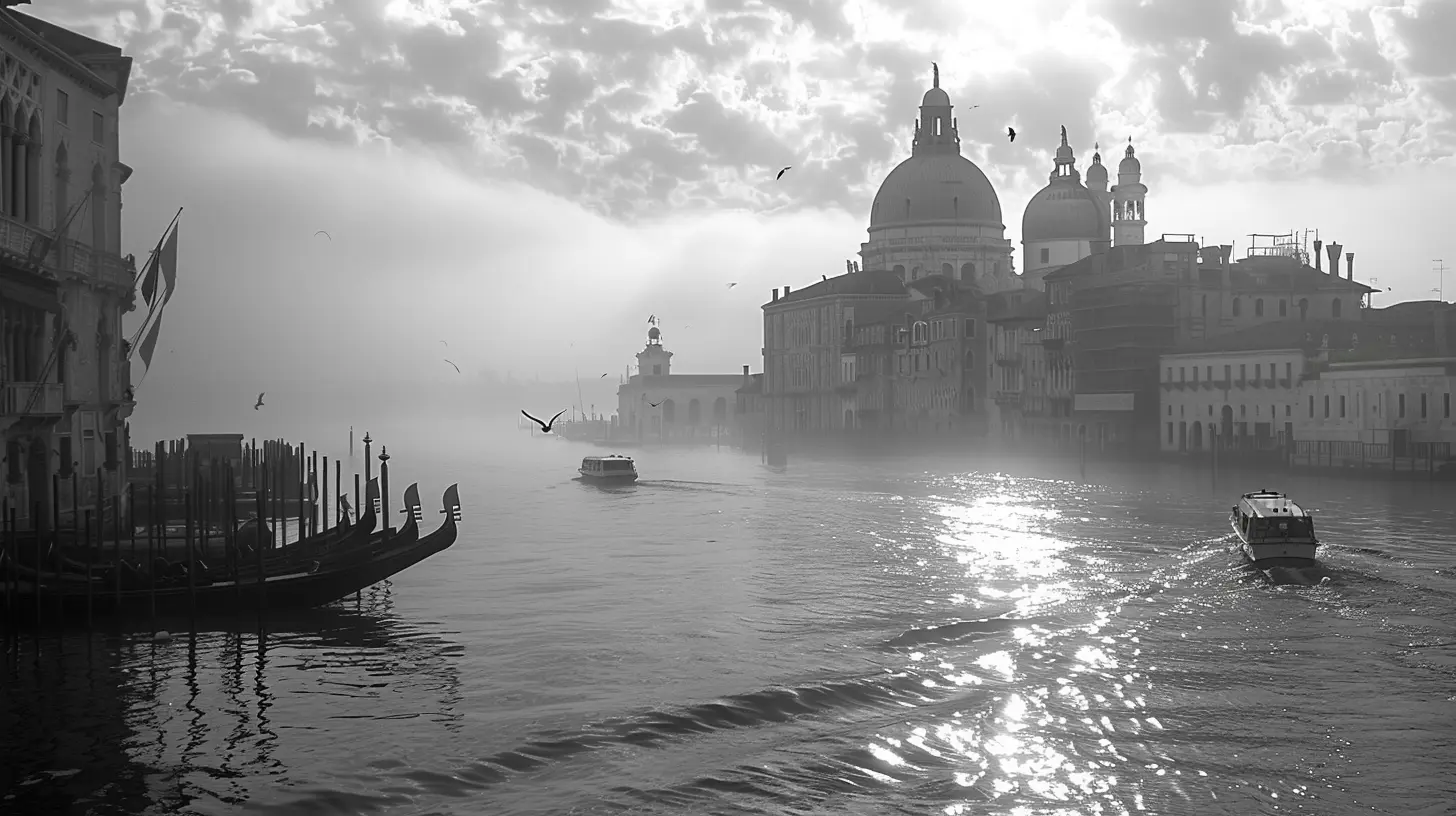
The Power of Simplicity in Travel
When you're traveling, every street, every shadow has a story to tell. Sometimes, color gets in the way of that story. Ever noticed how a black and white photo of a wrinkled old door, a scooter against a wall, or a child playing in a dusty alley just hits differently?That’s the magic. It’s about telling a deeper story with less noise. Less can truly be more.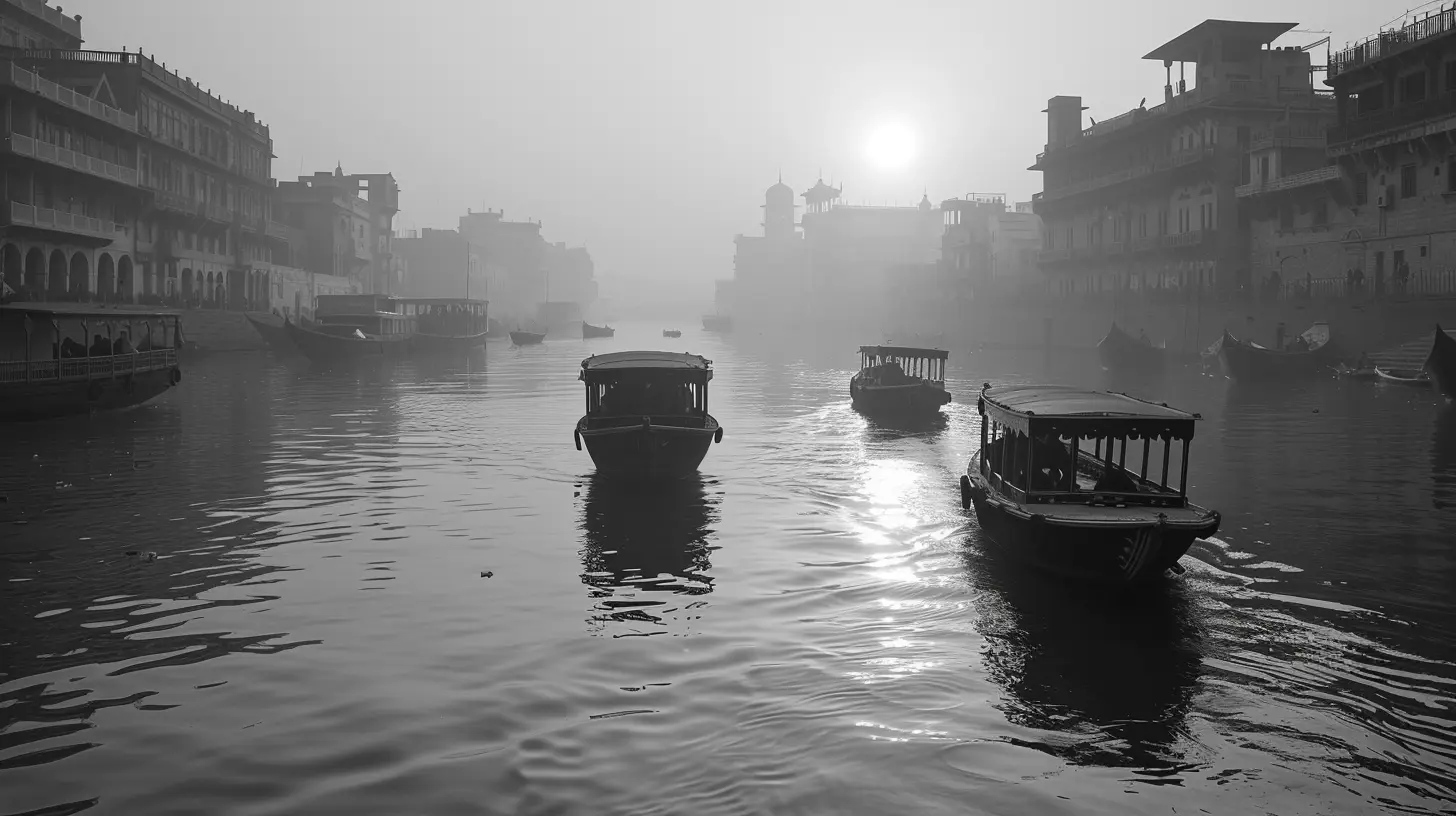
Understanding Light and Shadows
Light is the hero in black and white photography. Without color to lean on, your photo relies on light and shadow to create mood, drama, and structure.When you're shooting on the road, look for moments where light interacts with the world around you:
- Golden hour (early morning or late afternoon) creates long shadows and a soft, pleasing contrast.
- Harsh midday light? Perfect for bold shadows and defined lines.
- Overcast skies give you soft, even exposure that works wonders for portraits.
Look for things like reflections on wet pavement, dramatic shadows cast by buildings, or silhouettes at sunrise. These are your golden tickets.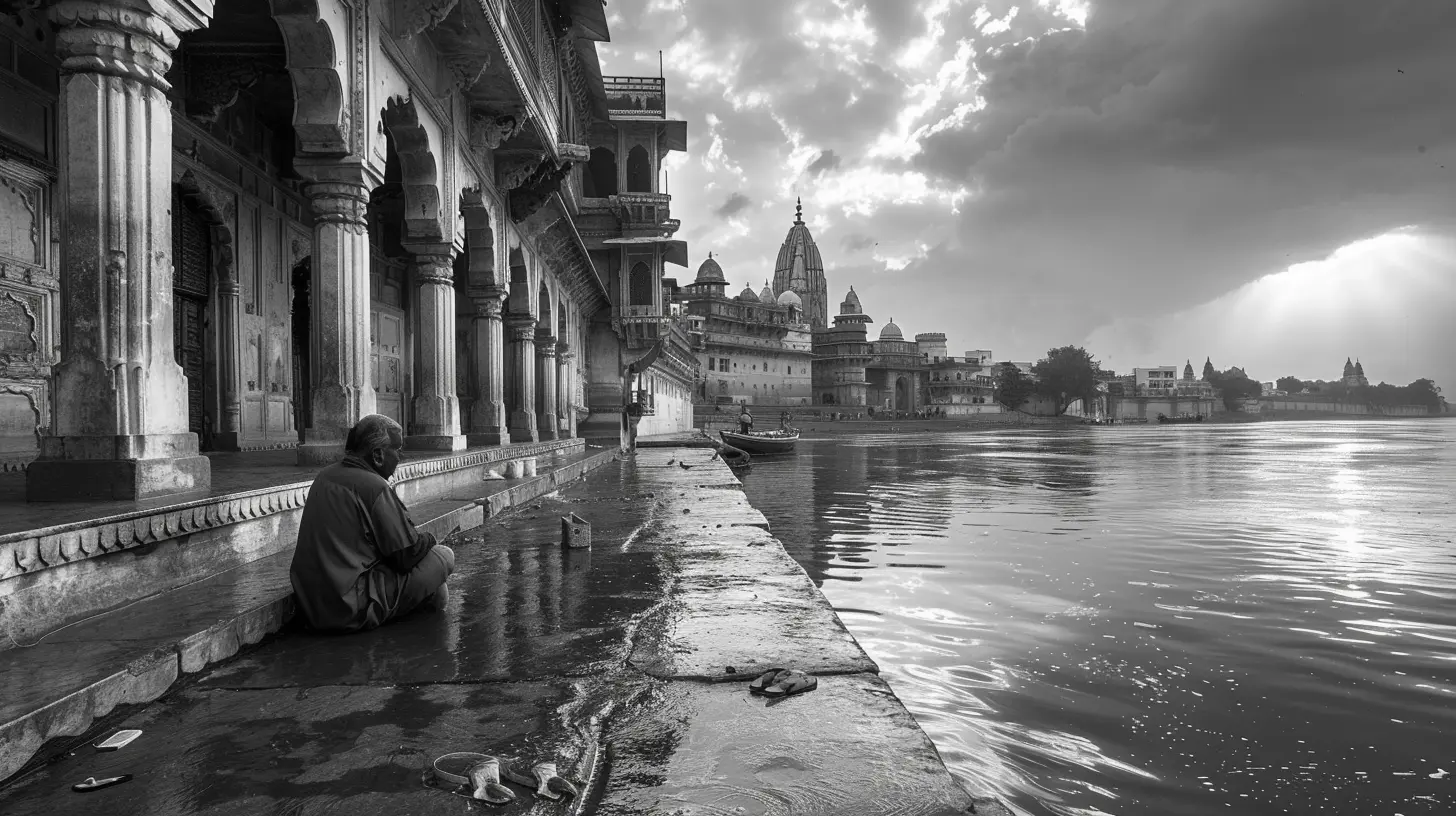
Composition: Think in Shapes, Lines, and Texture
Here's a cool mental trick: when you're scouting a shot, squint your eyes just a little. It blurs the color and lets you focus on contrast and shape.In black and white, composition is everything. You want to pay attention to:
- Leading lines – Roads, fences, or rivers that guide your viewer’s eyes.
- Framing – Doorways, arches, windows that wrap around your subject.
- Textures – Peeling paint, cobblestones, wrinkles—they all come alive in monochrome.
- Negative space – Don’t be afraid of empty areas; they create balance and breathe.
By thinking like a visual sculptor—chiseling out shapes and light—you’ll start seeing the world in a whole new way.
Travel Stories Told Without Color
Let’s get real for a second. Color can sometimes be a crutch. A stunning blue ocean or a fiery orange sunset might get all the Instagram love, but black and white is for the soul-searchers among us.When you remove color, you start noticing the grit in a street market in Hanoi. You see the quiet dignity in an old man sitting outside his home in Morocco. You feel the history in Rome’s crumbling ruins.
These moments become more intimate, more universal.
Gear Talk: What You Need (and Don’t Need)
Here’s the good news: you don’t need fancy gear to shoot black and white.Sure, high-end cameras give you more control, but some of the most iconic black and white shots were taken on basic cameras—or even smartphones.
A few tips:
- Shoot in RAW: This gives you more control in post-processing.
- Use Manual Mode: Get hands-on with exposure, especially for tricky lighting.
- Prime lenses (like a 35mm or 50mm) are great for street and travel photography. They're light, fast, and sharp.
- Spare batteries and memory cards are a must when you're on the road.
If you're using a smartphone, apps like Snapseed or Lightroom Mobile are perfect for tweaking contrast and clarity.
Editing for Impact
So you've taken your shot. Now what?Converting to black and white isn't just clicking a filter. It requires a bit of finesse. Here’s what to keep in mind when editing:
- Adjust the contrast: This is key for defining edges and making your subject pop.
- Play with highlights and shadows: Pull details from darker or brighter areas.
- Dodge & Burn: Lighten or darken specific areas for drama and focus.
- Clarity & texture: Add bite to that stone wall or weathered hand.
- Crop thoughtfully: Sometimes less is more—tight crops can heighten emotion.
Remember, editing is where your photo really comes alive. Don’t rush it.
Practical Tips for Black and White Travel Photography
Let’s keep it real—shooting in black and white while traveling means thinking a bit differently. Here are a few tips to keep in your back pocket:1. Pre-visualize in black and white
Train your brain to see in tones, not colors. Ask yourself: “Would this still be powerful without color?”2. Shoot in color, convert later
Most photographers recommend shooting in color, then converting to black and white in post. It gives you way more flexibility.3. Look for emotion
Smiles, quiet moments, eye contact—black and white loves emotional storytelling.4. Mind your backgrounds
Without color, distracting elements stand out more. Watch your backgrounds and simplify your frame.5. Be patient
Sometimes the best black and white shots are waiting quietly for just the right light or gesture. Slow down and be ready.Where to Go for Monochrome Magic?
Honestly, you can shoot stunning black and white photos anywhere. But here are a few places that seem to beg for it:- Paris – Rain-slick streets, iron staircases, lovers on bridges.
- Kyoto – Zen gardens, bamboo forests, ancient temples.
- Cuba – Classic cars, crumbling facades, timeless faces.
- Marrakech – Textured walls, bustling souks, deep shadows.
- New York City – Skyscraper silhouettes, subway portraits, night lights.
Every city has layers—and black and white is an amazing way to peel them back.
Inspiration From the Greats
Want to study the real legends? Check out some iconic black and white travel and street photographers:- Henri Cartier-Bresson – The master of the “decisive moment.”
- Steve McCurry – While known for color, his black and white work is incredibly soulful.
- Sebastião Salgado – Stunning human stories told with gravity and grace.
- Vivian Maier – Mystery meets mastery in candid street shots.
- Ansel Adams – Landscapes that feel like visual poetry.
Browse their work. Absorb it. Let it filter into your own style.
Final Thoughts: It’s Not Just Photos—It’s Feeling
Black and white travel photography isn’t just a style—it’s a mindset.It’s about slowing down. Observing. Feeling.
When you're behind the lens, and you're focusing not on colors, but on light, texture, and emotion, something shifts. You get closer to the moment. You get closer to the soul of the place.
So next time you’re on the road, don’t just shoot for the gram. Try seeing the world in shades of gray. You just might fall in love with what unfolds.
all images in this post were generated using AI tools
Category:
Photography TipsAuthor:

Shane Monroe
Discussion
rate this article
2 comments
Amalia Fletcher
Absolutely love the insights on capturing emotion in black and white! The techniques shared are truly inspiring!
January 21, 2026 at 5:57 PM
Shane Monroe
Thank you so much! I'm glad you found the insights inspiring!
Gianna McGuffey
Black and white photography captures timeless beauty. Focus on contrasts, textures, and shapes to evoke emotion. Experiment with shadows for a dramatic impact in your travel shots!
December 28, 2025 at 4:58 PM
Shane Monroe
Thank you for your insightful comment! Emphasizing contrasts and experimenting with shadows truly enhances the emotional depth in black and white travel photography. Your points perfectly complement our exploration of these techniques!