Celebrating Cultural Diversity Through Global Dance in 2027
7 November 2026
In 2027, the world stands on the brink of a new era in cultural expression, with dance emerging as a powerful medium for celebrating diversity. As societies become increasingly interconnected, the way we experience and appreciate various cultural dances has evolved, reflecting both historical traditions and contemporary interpretations. This article delves into the significance of global dance in promoting cultural diversity, highlighting various styles, the benefits of participation, and the potential challenges and misconceptions surrounding this vibrant art form.
The Role of Dance in Cultural Identity
Understanding Dance as a Cultural Expression
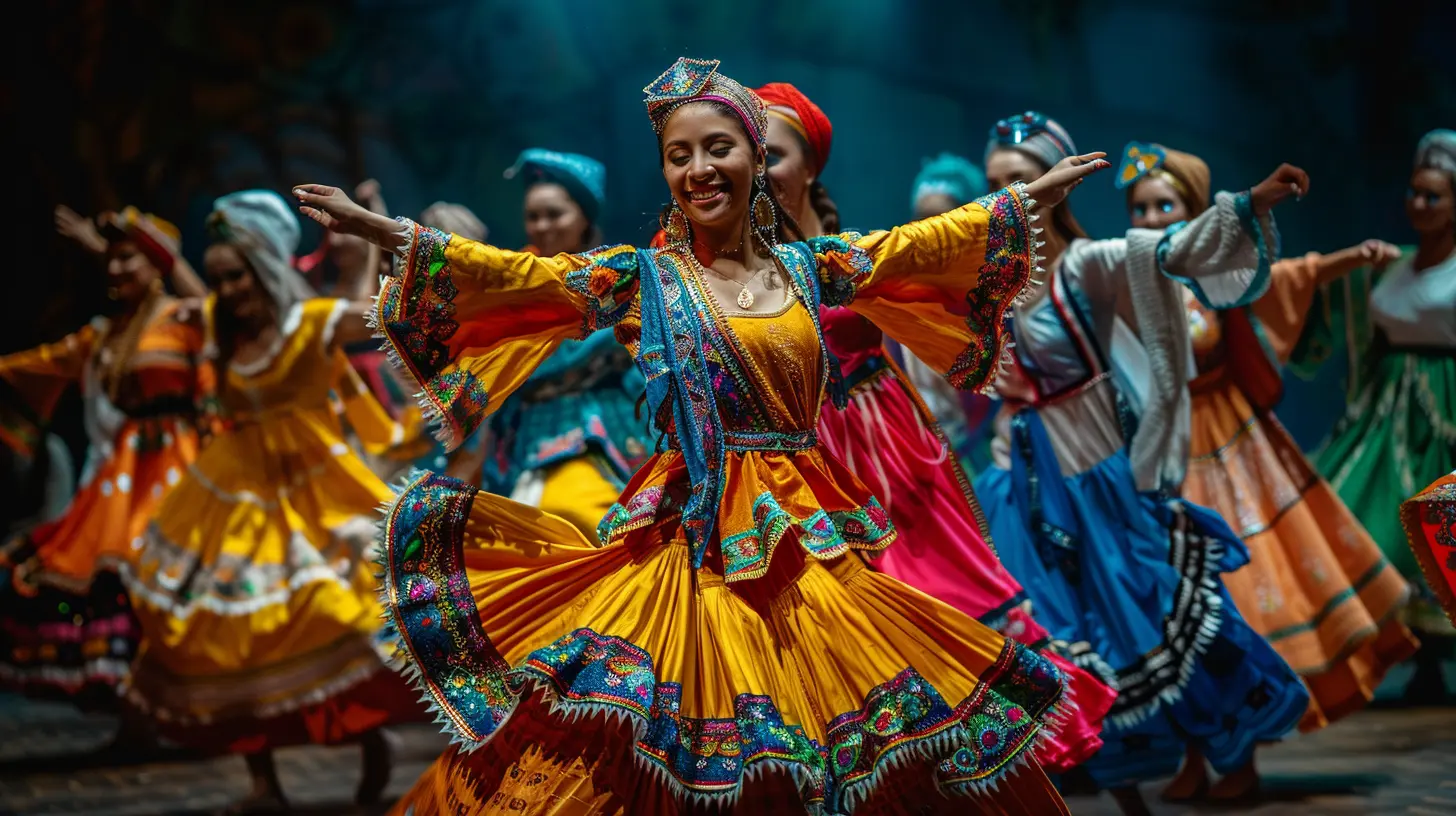
Dance is often described as a universal language, capable of transcending barriers and connecting people from different backgrounds. Each dance form is steeped in cultural history, embodying the values, stories, and emotions of the communities from which they originate. For instance, traditional African dances convey rich narratives about ancestral heritage, while classical Indian dance forms, such as Bharatanatyam and Kathak, reflect intricate storytelling through movement.Dance as a Reflection of Society
In 2027, dance serves not only as a medium for artistic expression but as a mirror reflecting societal changes. Styles such as hip-hop and breakdancing have roots in marginalized communities, evolving into global phenomena that challenge social norms and advocate for equality. These dance forms provide a platform for voices that have often been silenced, promoting understanding and empathy across diverse demographics.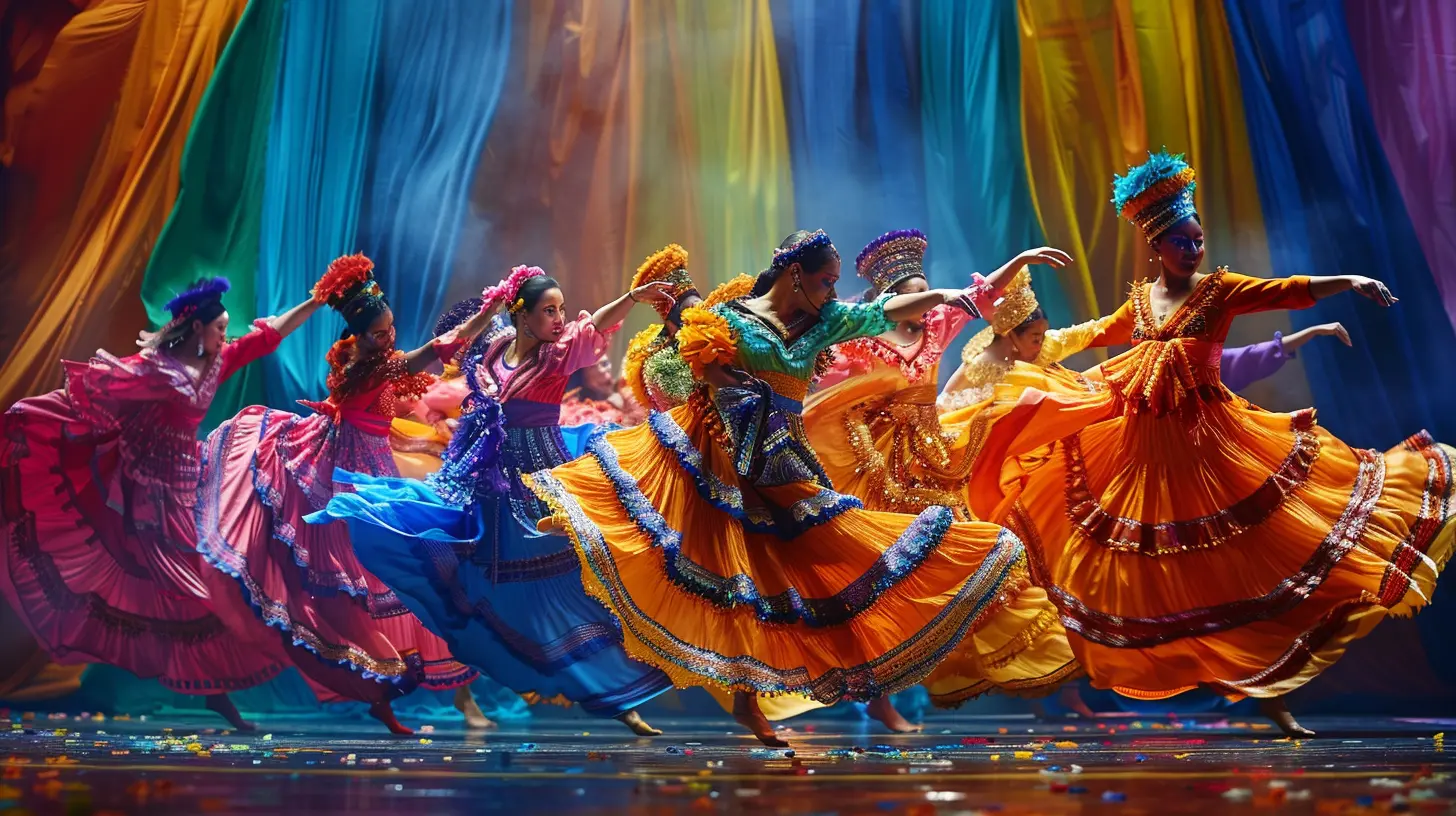
The Global Dance Landscape in 2027
A Melting Pot of Styles
In our increasingly globalized world, dance has become a melting pot of styles and influences. From the vibrant rhythms of salsa to the fluid movements of contemporary dance, the fusion of various cultural elements creates unique experiences for performers and audiences alike. This cross-pollination of ideas leads to innovative performances that often incorporate traditional elements with modern techniques, pushing the boundaries of creativity.Celebrating Diversity Through Festivals
Dance festivals worldwide have become significant events for celebrating cultural diversity. In 2027, festivals such as the Edinburgh Festival Fringe and the International Dance Festival in Paris showcase a plethora of dance styles, bringing together artists from various cultural backgrounds. These events foster collaboration and encourage dialogue among participants and audiences, highlighting the importance of cultural exchange.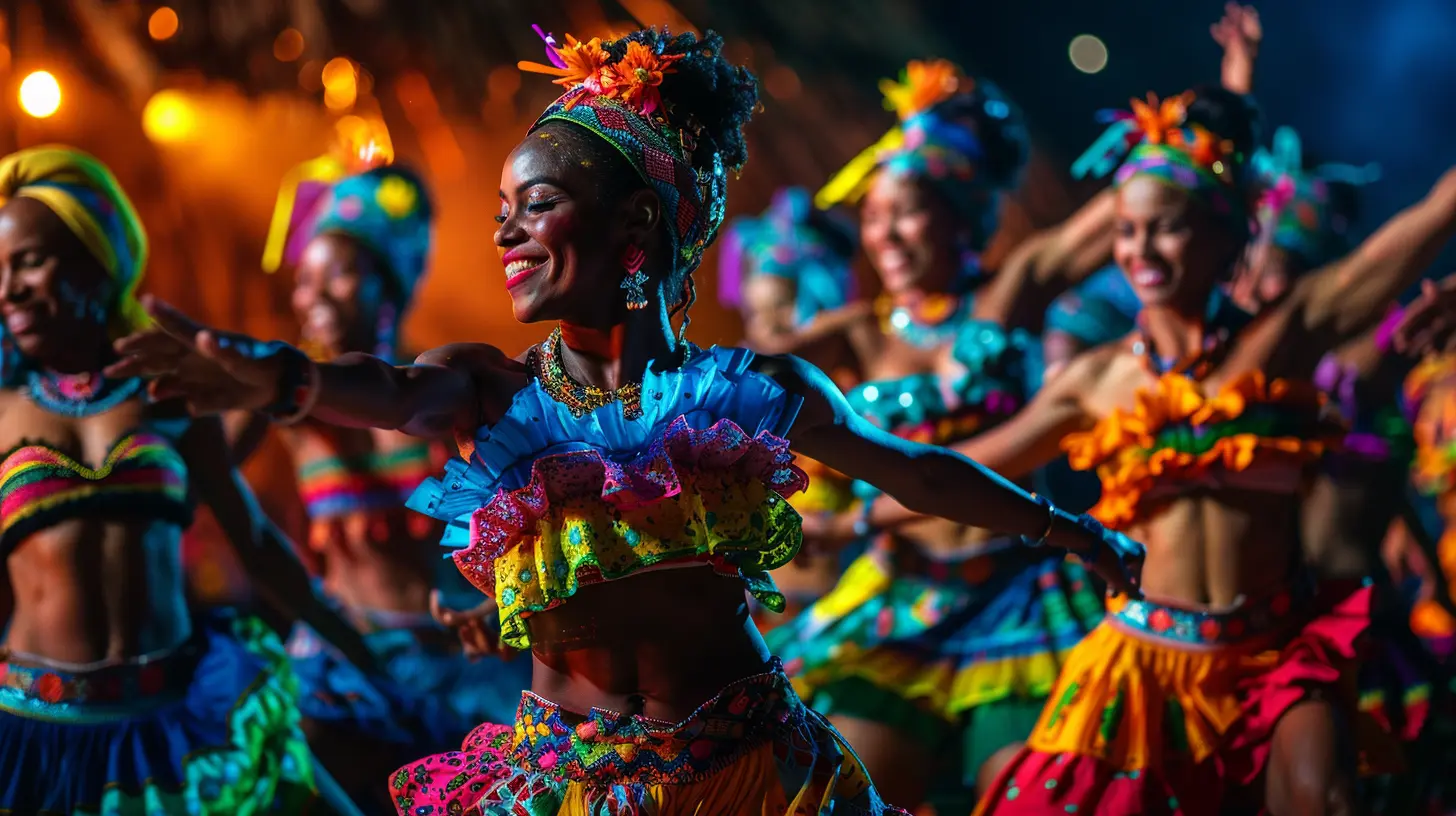
Benefits of Participating in Global Dance
Building Community and Connections
Participating in global dance forms creates a sense of belonging and fosters community. Dance classes and workshops often attract individuals from diverse backgrounds, creating spaces for connection and collaboration. Through dance, participants can share their cultural heritage while also learning about others, promoting mutual respect and understanding.Enhancing Personal Growth
Engaging in dance nurtures personal growth in numerous ways. It encourages creativity, boosts confidence, and improves physical fitness. In addition, learning a new dance style requires discipline and commitment, valuable traits that extend beyond the dance floor. For many, dance becomes not just a hobby but a lifelong passion that enriches their lives.Economic Opportunities Through Dance
The global dance scene in 2027 also presents economic opportunities for artists, educators, and entrepreneurs. As demand for diverse dance performances grows, so do opportunities for teaching, choreographing, and performing. events such as dance competitions and festivals can stimulate local economies, benefiting businesses and communities.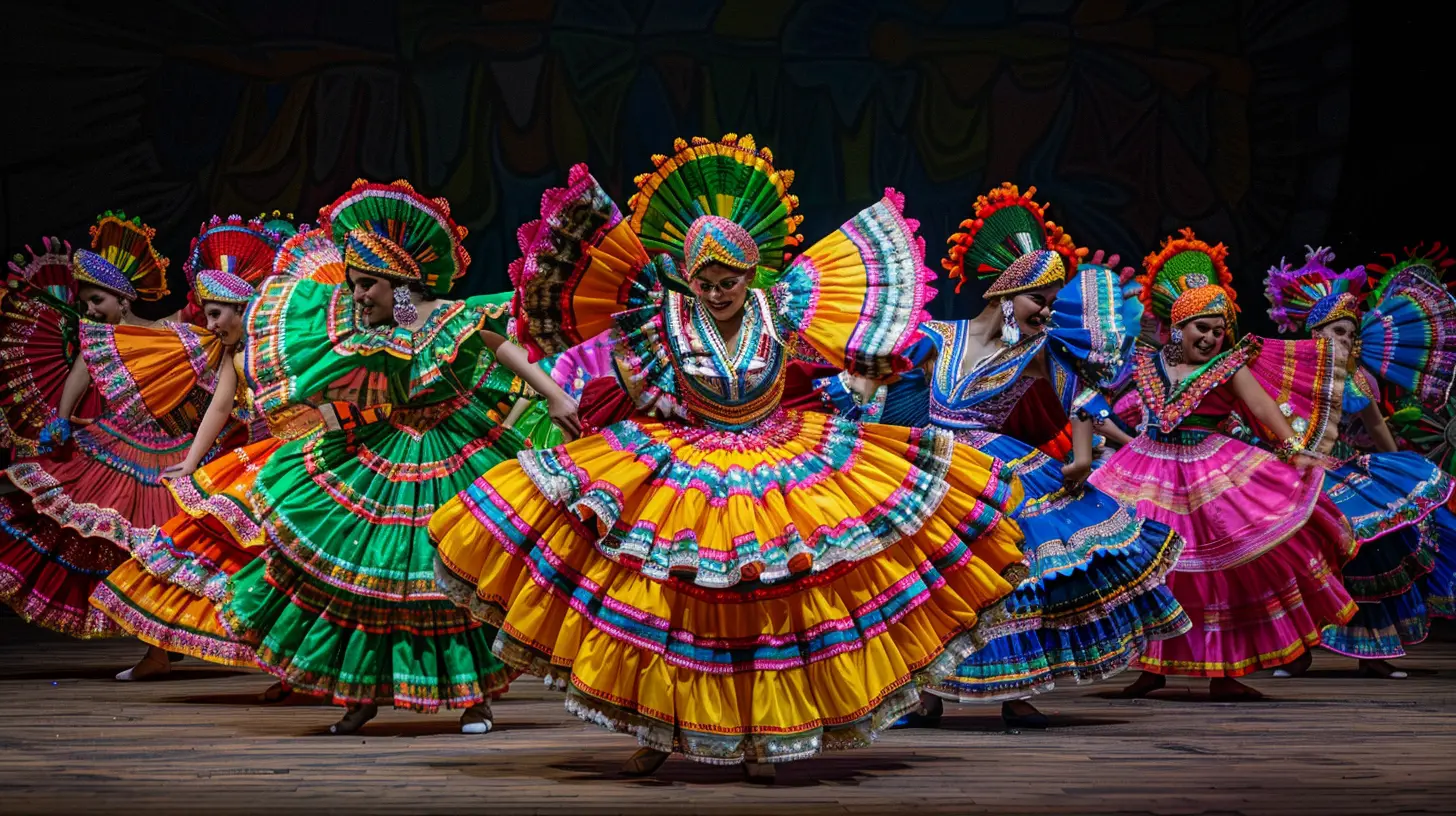
Overcoming Challenges in Celebrating Cultural Diversity
Misconceptions and Stereotypes
One common misconception surrounding global dance is that it can often be homogenized or oversimplified. This can lead to the appropriation of cultural elements without understanding their significance. It is essential to approach each dance style with respect, acknowledging its origins and the stories it tells. Educators and performers should strive to create awareness about the cultural context of the dances they teach or perform.Navigating Cultural Appropriation
Cultural appropriation poses a significant challenge in the world of dance. While sharing and celebrating diverse art forms is vital, it is crucial to differentiate between appreciation and appropriation. Artists and audiences should engage in critical conversations about the origins of the dance styles they encounter, ensuring that they honor rather than exploit the cultures from which they arise.The Importance of Inclusivity
Inclusivity is a fundamental aspect of celebrating cultural diversity through dance. In 2027, dance communities must strive to be open and welcoming to all individuals, regardless of their background or skill level. This commitment to inclusivity creates an environment where everyone can express themselves freely and contribute to the rich tapestry of global dance.Best Practices for Promoting Cultural Diversity Through Dance
Encourage Intercultural Collaboration
One of the most effective ways to celebrate cultural diversity through dance is to encourage collaboration among artists from different backgrounds. Workshops and projects that bring together dancers from various cultural traditions can lead to innovative performances that showcase the beauty of diversity. These collaborations not only enrich the dance community but also foster understanding and appreciation among participants.Provide Educational Resources
Providing educational resources for both performers and audiences is vital for promoting cultural diversity in dance. Workshops, lectures, and online courses that delve into the history and significance of various dance styles can enhance appreciation and understanding. By educating individuals about the cultural context behind the movements, we can foster a deeper connection to the art form.Support Local Dance Communities
Supporting local dance communities is crucial for fostering diversity. By investing in community dance programs that focus on underrepresented styles, organizations can help preserve cultural heritage while also encouraging participation from diverse groups. This grassroots approach creates a strong foundation for celebrating cultural diversity through dance.
Conclusion: The Future of Dance as a Cultural Connector
As we move further into 2027 and beyond, the role of dance as a cultural connector will only grow. By embracing diverse styles and fostering inclusive environments, we can create a vibrant global dance community that celebrates the richness of cultural heritage. Dance has the power to unite, inspire, and educate, making it an invaluable tool for promoting understanding and appreciation across cultures.In this transformative landscape, individuals and communities have the opportunity to harness the energy and passion of dance to create a more inclusive and harmonious world. By engaging with dance on both personal and communal levels, we can celebrate our differences while recognizing the shared humanity that binds us all.
all images in this post were generated using AI tools
Category:
Cultural CelebrationsAuthor:

Shane Monroe