Colombian Coffee Culture: More Than Just a Drink
21 June 2026
Colombian coffee is legendary. But it’s not just about the smooth, aromatic cup of joe—it’s an entire culture, a way of life, and a deeply rooted tradition that has shaped the identity of Colombia for centuries. From the misty mountains where coffee beans thrive to the warm hospitality of coffee farmers, every sip tells a story.
So, what makes Colombian coffee culture so special? Let’s dive into the heart of it. 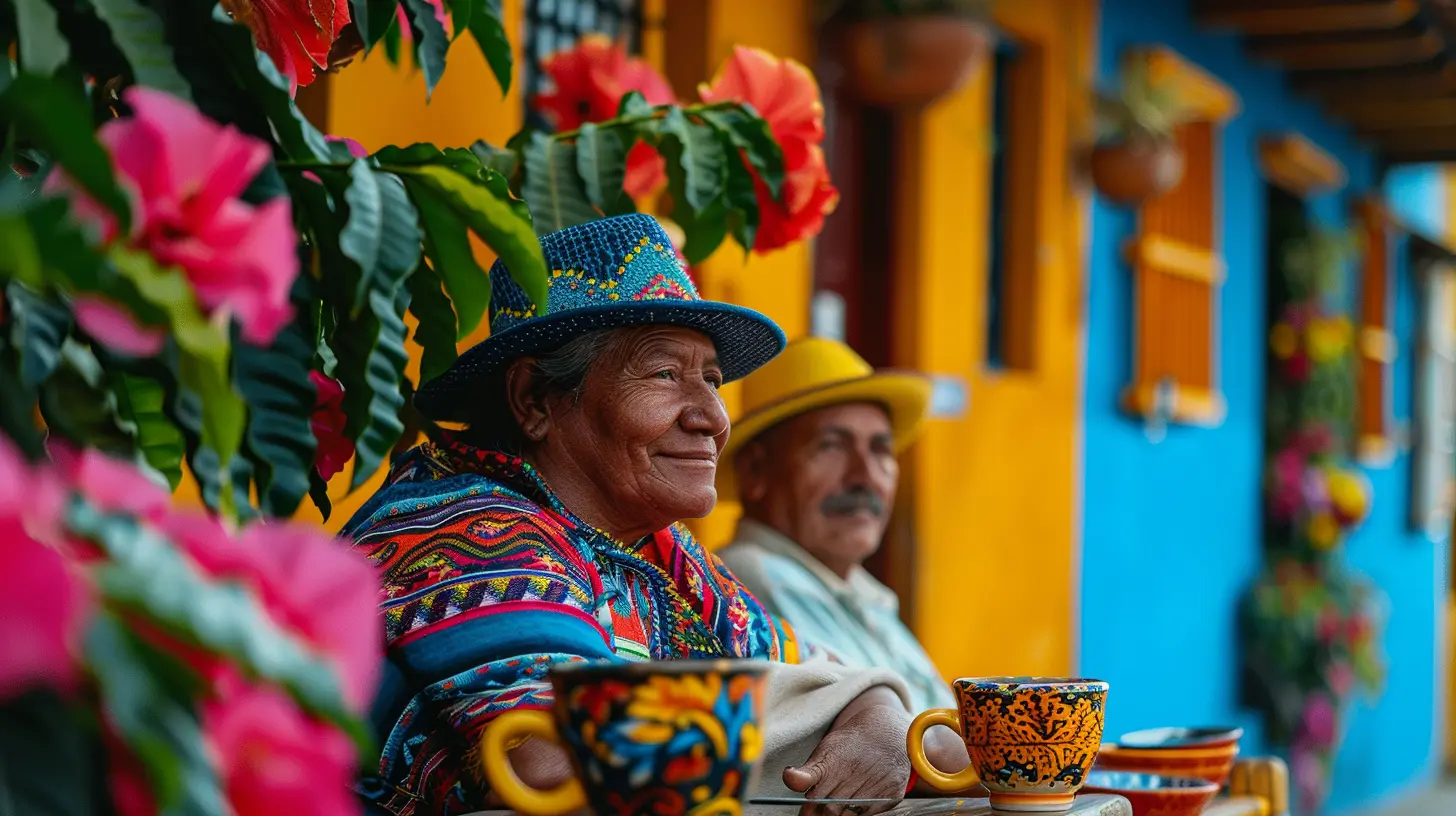
The Coffee Triangle: Colombia’s Coffee Paradise
Colombia’s lush landscapes, volcanic soil, and perfect climate make it one of the world’s premier coffee-producing regions. The Coffee Triangle, or Eje Cafetero, consists of three major departments: Caldas, Quindío, and Risaralda. This region is where most of the country’s high-quality Arabica beans are grown, thanks to the ideal altitude, rainfall, and soil conditions.But beyond the numbers and geography, the Coffee Triangle isn’t just a farming hub—it’s a way of life. Entire generations have dedicated themselves to coffee cultivation, passing down knowledge, techniques, and traditions that make Colombian coffee unique. 
Coffee Farming: A Labor of Passion
Growing coffee in Colombia isn’t just business—it’s a passion. The farmers, known as cafeteros, take immense pride in their craft.Unlike large-scale commercial farms in other parts of the world, most Colombian coffee is grown on small family-owned farms. These farmers meticulously tend to their crops, often by hand, ensuring only the best beans make it to market. Hand-picking each coffee cherry guarantees that only the ripest and most flavorful beans are harvested.
But it’s not easy work. The steep hillsides where coffee is grown mean that machines can’t do the heavy lifting. Instead, farmers rely on traditional methods, walking up and down the slopes every day, carrying sacks of freshly picked beans. It’s exhausting, but for Colombian coffee growers, it’s a labor of love. 
The Art of Colombian Coffee Processing
The journey from coffee cherry to cup involves several meticulous steps. Colombian coffee is typically processed using the washed (wet) method, which enhances its bright, clean flavors. Here’s a quick breakdown of the process:1. Harvesting – Only the ripest, reddest cherries are hand-picked.
2. Pulping – The beans are separated from the fruit.
3. Fermentation – The beans sit in water for 12-48 hours to remove the sticky mucilage.
4. Washing – The beans are thoroughly rinsed.
5. Drying – Beans are sun-dried or mechanically dried to reduce moisture content.
6. Milling – The outer parchment layer is removed, and the beans are sorted.
This time-intensive process is one of the reasons Colombian coffee is so highly regarded. The attention to detail ensures a smooth, well-balanced flavor profile. 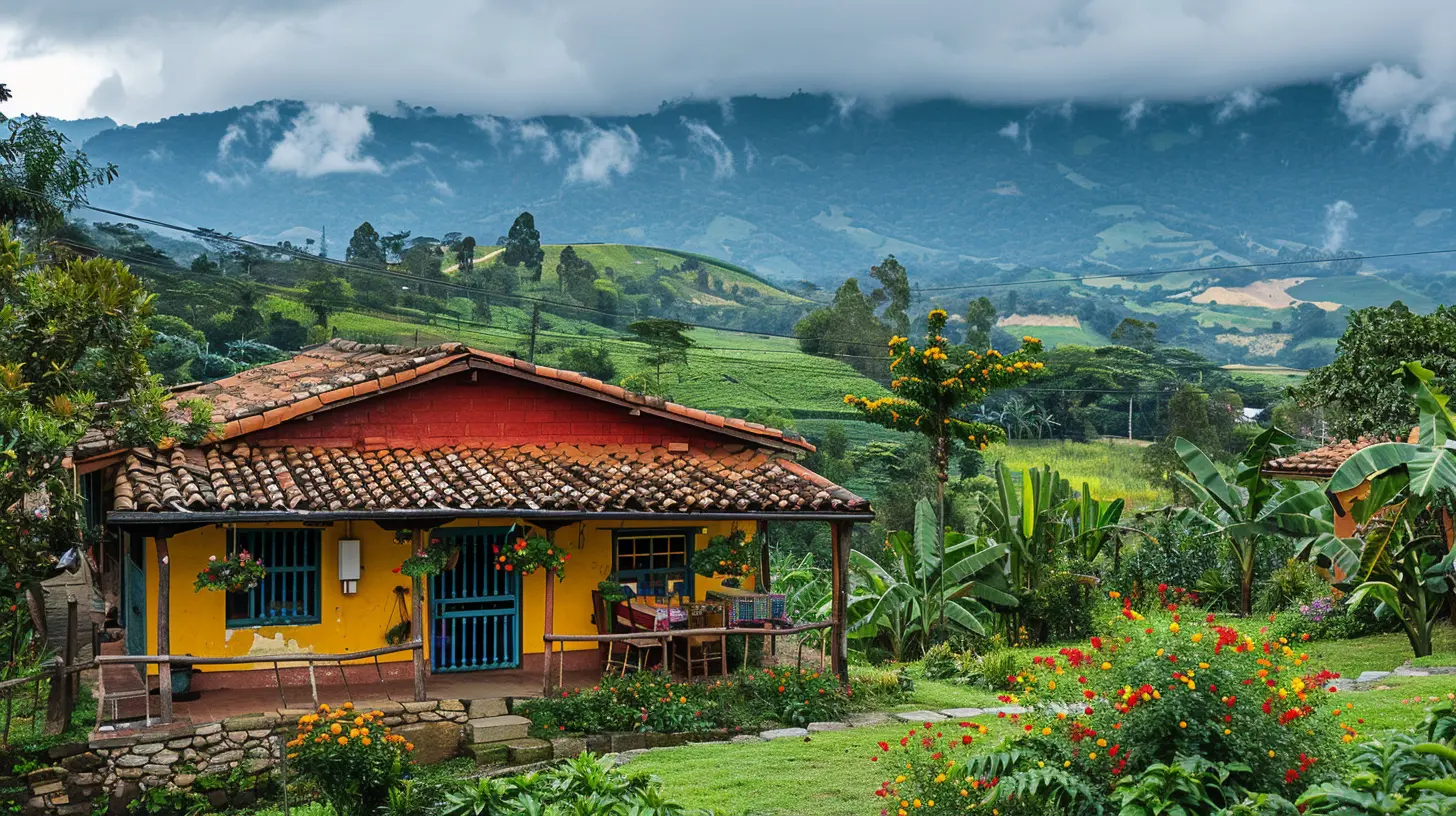
Coffee Culture in Everyday Life
In Colombia, coffee isn’t just for caffeine—it’s a daily ritual, a social glue, and a symbol of hospitality. Whether in rural villages or bustling cities, coffee is at the heart of daily interactions.Tinto: The Everyday Brew
If you visit Colombia, you’ll hear people talk about tinto—but don’t mistake it for red wine! Tinto is a small, strong, black coffee, often sweetened with panela (unrefined cane sugar). It’s the most common coffee beverage in Colombia and is served everywhere, from street vendors to fine restaurants.Unlike the specialty coffees marketed internationally, tinto is a simple, no-frills drink. It’s what Colombians sip while chatting with friends, taking a break at work, or welcoming guests into their homes.
Coffee and Hospitality
Colombians are known for their warmth and hospitality, and coffee is an essential part of that. Offering a cup of coffee to a visitor isn’t just politeness—it’s a heartfelt gesture of friendship.In many rural areas, if you drop by a small farm or café, you’ll likely be welcomed with a steaming cup of coffee, even before exchanging words. It’s a sign of generosity, a way to connect, and an open-door policy that embodies Colombian hospitality.
Specialty Coffee: Beyond the Basics
While tinto holds a special place in Colombian culture, the country is also at the forefront of the specialty coffee revolution.There has been a significant shift towards high-quality, single-origin coffees in recent years. Farmers are experimenting with new processing methods, fermentation techniques, and flavor profiles to cater to coffee connoisseurs worldwide.
Unique Colombian Coffee Varieties
Colombia grows primarily Arabica coffee, known for its smooth, mild flavor. But did you know there are different varieties?- Caturra – A traditional variety with bright acidity and a balanced body.
- Gesha (Geisha) – An exotic, floral coffee with tea-like qualities, highly prized in competitions.
- Castillo – Disease-resistant and known for its nutty, caramel-like flavor.
- Bourbon – Sweet, complex, and often used in specialty coffee.
Each region in Colombia brings out different characteristics in the beans, making them as diverse and unique as fine wines.
Coffee Tourism: A Growing Trend
Colombia’s coffee culture isn’t just for locals—it has become a major attraction for travelers. Coffee tourism allows visitors to experience the coffee-making process firsthand, from picking cherries to roasting beans.Coffee Farm Tours
Many farms in the Coffee Triangle and beyond welcome visitors for immersive coffee experiences. Some highlights include:- Walking through coffee plantations with a farmer as your guide.
- Learning how to pick and process beans.
- Roasting and brewing fresh coffee using traditional methods.
- Staying overnight in a hacienda (traditional coffee farm estate) to soak in the peaceful countryside.
These experiences provide a deep appreciation for the hard work behind every cup of Colombian coffee.
The Coffee Cultural Landscape: A UNESCO Heritage Site
In 2011, UNESCO recognized Colombia’s Coffee Cultural Landscape as a World Heritage Site, highlighting its cultural and historical significance.This designation not only protects the area but also promotes sustainable coffee tourism, encouraging visitors to support local farmers and small businesses.
Colombian Coffee: A Global Legend
Colombian coffee isn’t just famous—it’s a national pride. The country’s coffee industry is one of the most respected globally, with Colombia consistently ranking among the top coffee-producing nations.From the classic Juan Valdez brand (named after the iconic fictional coffee farmer) to small-batch artisanal roasters, Colombian coffee continues to set the standard for quality.
Colombian coffee is more than just a drink—it’s a deeply embedded cultural tradition, a symbol of hospitality, and a way of life. Every sip carries the passion, dedication, and history of the people who cultivate it.
So the next time you brew a cup of Colombian coffee, take a moment to appreciate the hands that nurtured it, the stories behind it, and the legacy it represents.
Final Thoughts
Colombian coffee culture is rich, vibrant, and deeply personal. It’s not just about caffeine or a fancy espresso machine—it’s about community, tradition, and the art of perfecting a simple cup of coffee. Whether you're an avid coffee lover or just someone who enjoys a good brew, Colombia’s coffee culture has something truly special to offer.If you ever get the chance to visit Colombia, make sure to immerse yourself in its coffee heritage. And if not? Well, at least you can enjoy a great cup of Colombian coffee and toast to the people who make it all possible.
all images in this post were generated using AI tools
Category:
Cultural ToursAuthor:

Shane Monroe
Discussion
rate this article
1 comments
Zaylee Clarke
Colombian coffee isn't just a drink; it's a magical potion that turns sleepy mornings into vibrant adventures. Sip, savor, and embrace the caffeine joy!
August 6, 2026 at 3:38 PM
Shane Monroe
Thanks for capturing the essence of Colombian coffee! It truly transforms mornings into something special. Embrace every sip!