Cultural Costumes and Their Origins at Global Events in 2027
19 May 2026
You know that feeling when you step off a plane in a new country, and the first thing you see is a swirl of color, fabric, and history walking past you? That is the magic of cultural costumes at global events. In 2027, this magic is bigger than ever. We are not just watching parades or ceremonies anymore. We are stepping into living museums where every stitch tells a story. Let me take you on a journey through the world's most vibrant gatherings, where traditional dress is not just a costume-it is a passport to the past.
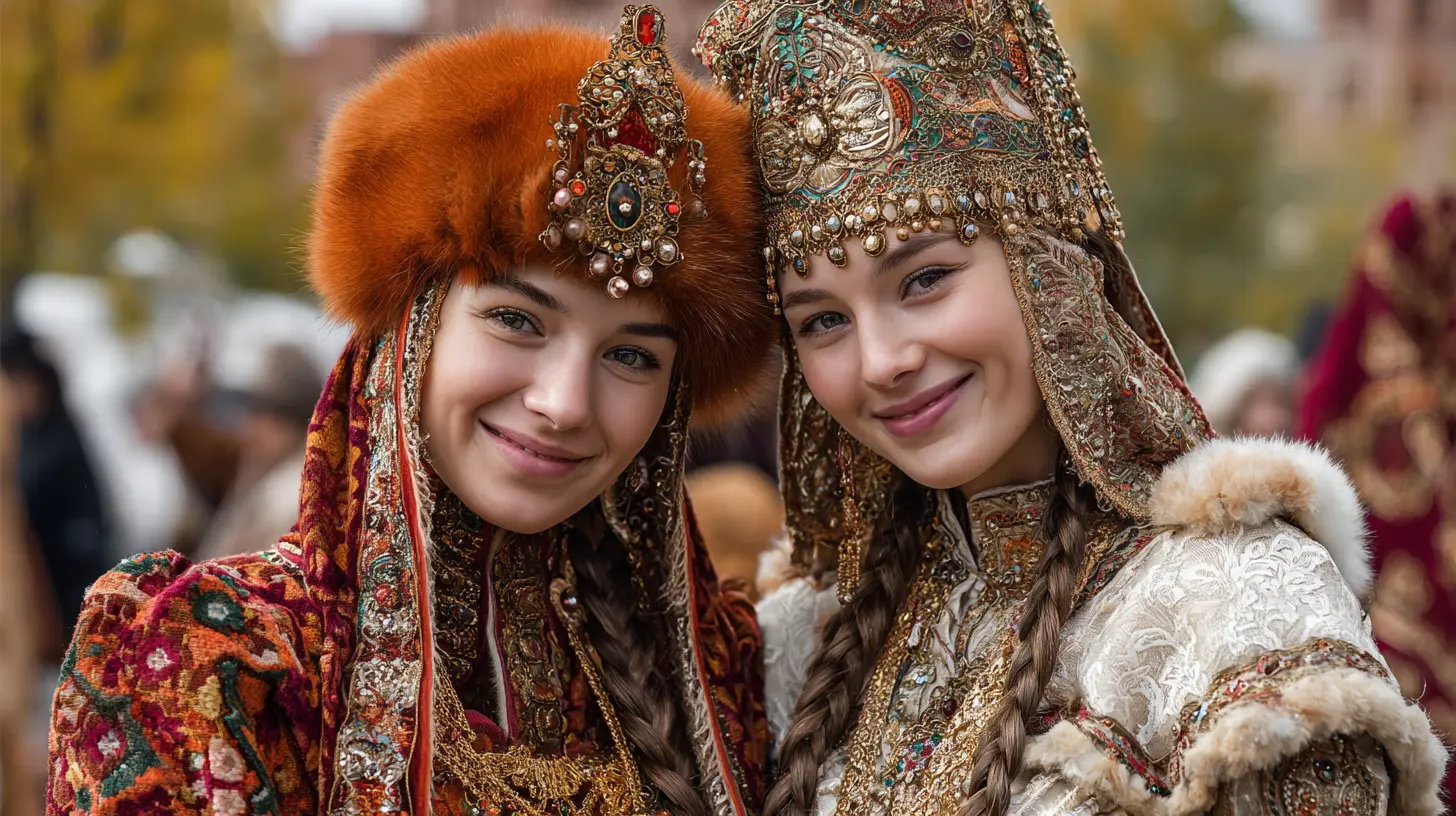
Why 2027 Is the Year of the Costume Revival
Think about it. After years of digital everything, from Zoom meetings to virtual tours, people are hungry for real, tactile experiences. In 2027, global events are leaning hard into authenticity. Organizers are not just booking bands and selling hot dogs. They are curating deep dives into heritage. And what better way to show off a culture than through its clothes? A kimono is not just silk and obi. It is a thousand years of philosophy. A kilt is not just wool and plaid. It is clan loyalty woven into thread. This year, we are seeing a revival that feels less like a fashion show and more like a family reunion.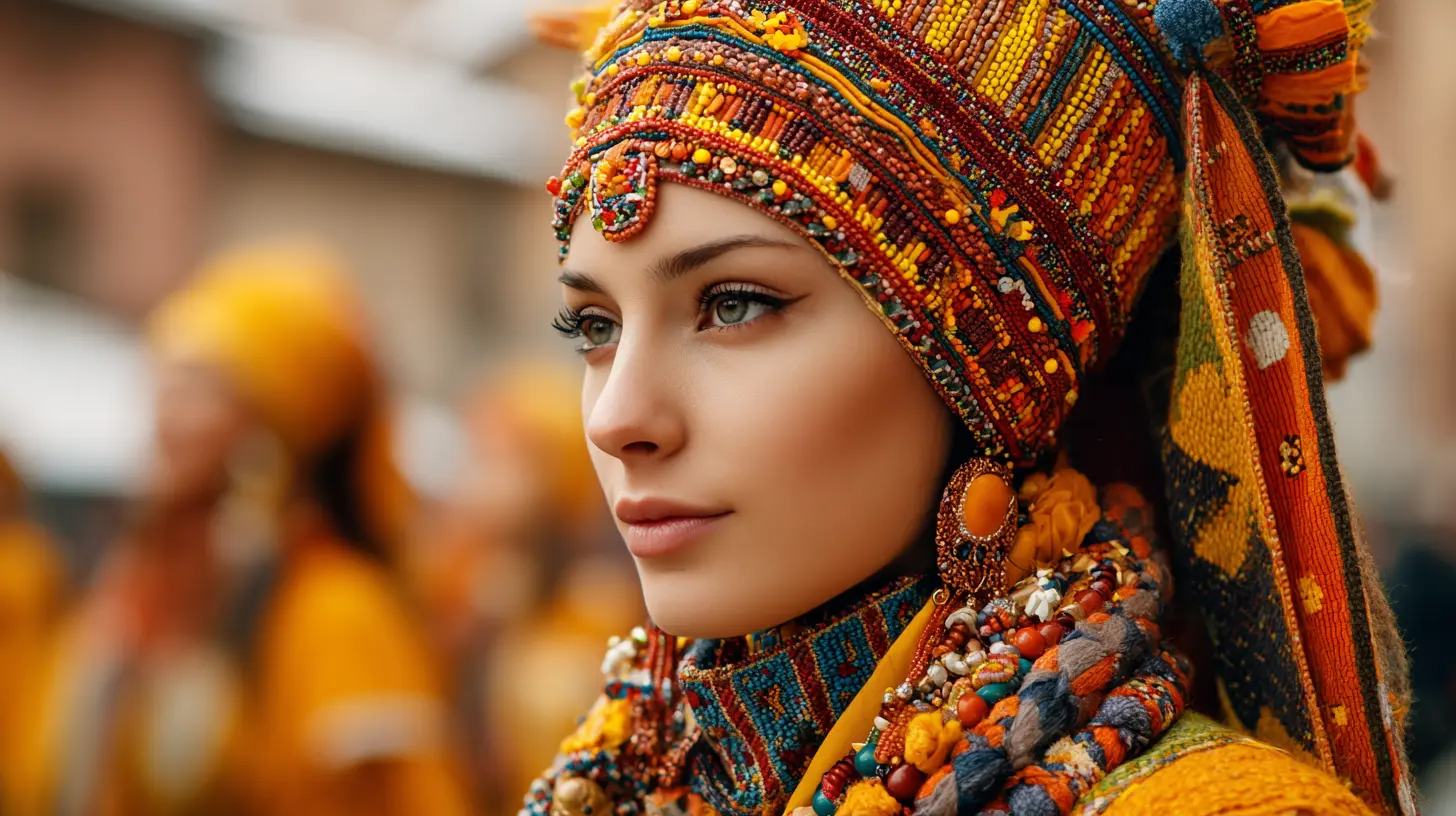
The Rio Carnival: Feathers, Sequins, and Samba Roots
Let us start in Brazil. The Rio Carnival in 2027 is a riot of sound and color, but the costumes are the real headliners. Have you ever wondered why those samba dancers wear those towering headdresses and barely-there sequined bikinis? It is not just for Instagram. The roots go back to African traditions brought over during the slave trade. The feathers mimic the headdresses of Yoruba and Bantu ceremonies. The sequins reflect sunlight like the scales of a sacred fish in Afro-Brazilian religions like Candomble. And that samba step? It is a direct line to the circle dances of Angola.This year, the costume designers are going deeper. They are using natural dyes from Amazonian plants. They are weaving in stories of the orixas, the spirits of nature. When you see a dancer in a costume of green and gold, she is not just representing a samba school. She is channeling Oxum, the goddess of rivers and love. The feathers come from sustainable farming, not poaching. The sequins are biodegradable. It is a costume that respects both the past and the planet.
The Edinburgh Military Tattoo: Kilts, Sporrans, and Clan Wars
Now hop across the Atlantic to Scotland. The Edinburgh Military Tattoo in August 2027 is a thunder of bagpipes and precision marching. But the real story is in the tartan. Each clan in Scotland has its own pattern. It is like a family crest you can wear. The MacGregors have a red and green plaid. The Campbells have a darker blue and black. In the old days, wearing the wrong tartan in the wrong village could start a fight. Seriously. Clans were territorial.In 2027, the Tattoo is highlighting the origins of the kilt. It was not always a fashion statement. Highland men in the 16th century wore the "great kilt," a five-yard piece of wool that doubled as a blanket at night. They would sleep in it, then wrap it up and go to work. The modern kilt we see today? That was invented by an Englishman, actually. A Quaker named Thomas Rawlinson in the 1720s thought the great kilt was too bulky for his ironworks. He cut it in half, and boom-the walking kilt was born. But the spirit remains. When you see a piper in full regalia, with a sporran (that furry pouch) and a skean dhu (a small knife tucked in the sock), you are seeing a warrior who is ready for dinner and a duel.
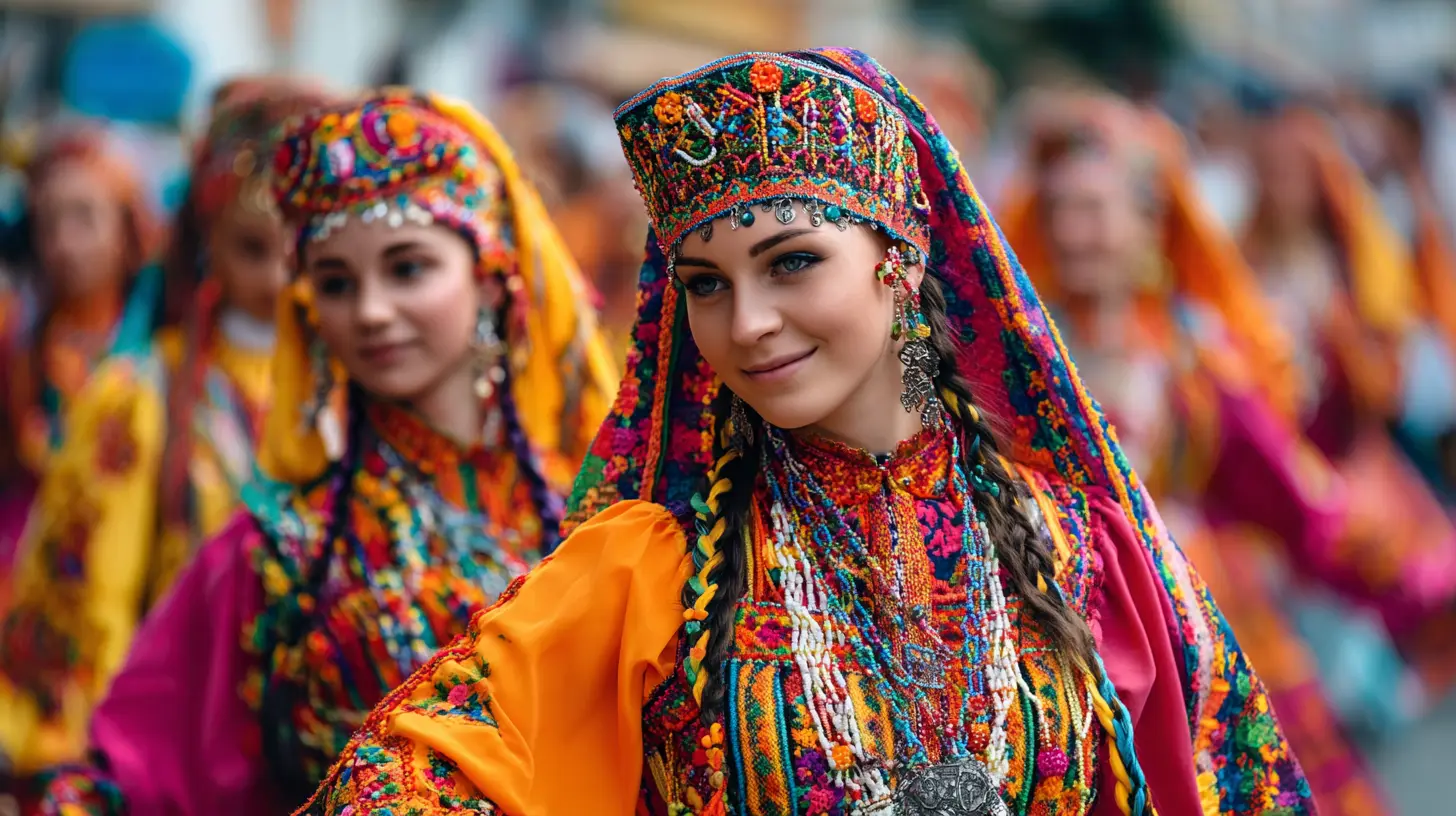
The Kyoto Gion Matsuri: Kimonos That Tell Time
Let us slow down in Japan. The Gion Matsuri in Kyoto is one of the oldest festivals in the world, running for over a thousand years. In July 2027, the streets fill with massive wooden floats and people in traditional yukata and kimono. But here is the thing: the kimono is a calendar. The patterns tell you the season. A kimono with cherry blossoms? That is for spring. Maple leaves? Autumn. In summer, you see lighter fabrics with patterns of water and wind, to keep the wearer cool.The obi, that wide sash, is tied in different knots for different occasions. A simple bow means you are going to a casual tea ceremony. A complex butterfly knot means you are attending a wedding. And the colors? They are not random. In 2027, there is a revival of the old "iro musubi" or color combinations that were used by court nobles in the Heian period. Purple and green meant high rank. Red and white meant celebration. Every person in the parade is a walking history book. You can tell if they are married, their social status, and what season it is, all from the cloth on their back.
The Diwali Celebrations in Varanasi: Lehengas and Lamps
Now to India. Diwali in 2027, especially in Varanasi along the Ganges, is a sensory overload of light and fabric. The women wear lehengas, those long, embroidered skirts, and cholis, the fitted blouses. But the origin of these garments is surprisingly practical. The lehenga was originally a skirt worn by Rajput women in the desert regions of Rajasthan. It was wide and flowing to let air circulate in the heat. The heavy embroidery? That was a way to show off family wealth. Gold thread, zari work, and mirror embroidery all said, "My family is prosperous."In 2027, the trend is toward handloom fabrics. Artisans are reviving ancient techniques like bandhani (tie-dye) and block printing. The colors are bright-deep reds, saffron yellows, emerald greens-each with a meaning. Red is for fertility and marriage. Yellow is for knowledge and learning. Green is for new beginnings. When you see a family on the ghats lighting diyas (clay lamps) in their finest lehengas, they are not just celebrating a festival. They are reenacting a tradition that goes back to the Ramayana, wearing fabrics that were woven by hands that learned from their grandmothers.
The Oktoberfest in Munich: Dirndls and Lederhosen with a Twist
Yes, Oktoberfest is about beer. But in 2027, the costumes are getting a serious upgrade. The dirndl (the dress with the apron) and lederhosen (leather shorts) are no longer just tourist bait. They are statements of regional pride. The dirndl's apron bow tells a story. Tie it on the left? You are single. On the right? Married or taken. In the back? Widow or waitress. At the center? Virgin. Yes, it is a whole code.The origins of lederhosen go back to the 18th century when Bavarian peasants needed durable pants for working in the Alps. Leather was tough, warm, and lasted for years. The suspenders? They kept the pants up during heavy lifting. The embroidery on the suspenders was often done by the wearer's wife or mother, with patterns that represented their village. In 2027, you will see lederhosen made from sustainable deer leather, and dirndls with hand-stitched edelweiss flowers. The beer tents are still loud, but the clothes are quiet history lessons.
The Chinese New Year Parade in San Francisco: Dragons and Red Envelopes
Do not think you have to travel to Beijing to see cultural costumes. The Chinese New Year Parade in San Francisco in February 2027 is one of the largest outside Asia. The dragon costumes are the stars. A traditional Chinese dragon is not just a tube of fabric. It is a team of up to 50 people holding poles, moving in sync to make the dragon "swim" through the streets. The dragon's head is made of paper-mache, bamboo, and silk. Its colors mean things: red for luck, gold for wealth, green for health.The performers wear "changshan" (for men) and "qipao" (for women). These are not ancient costumes. The qipao was actually a 1920s fashion innovation in Shanghai, blending Manchu and Western styles. But in 2027, the parade is also celebrating the "hanfu" revival. Young Chinese-Americans are wearing the traditional dress of the Han dynasty, with flowing sleeves and cross-collars. It is a way to reconnect with a pre-communist, pre-modern China. The parade is a mix of old and new, but the thread is the same: identity.
The Queen's Platinum Jubilee in London: Royal Robes and Pearls
Even in 2027, the British monarchy knows how to put on a show. The Queen's Platinum Jubilee (celebrating 75 years on the throne) will feature the State Opening of Parliament, where you will see the Imperial State Crown and the Robe of State. But let us talk about the everyday costumes of the event. The "pearls and twinset" look that many British women wear to royal events is not just about class. It is a nod to Queen Victoria, who popularized pearls as a symbol of mourning and elegance.The men in top hats and morning coats? That goes back to the 19th century when formal wear was required for any public appearance. In 2027, you will also see a rise in "kilted" Scots and "Welsh hats" (the tall black hats with a frill). The Welsh hat's origin is practical: it was worn by women in the 18th century to protect their heads from the coal dust in the mines. Now it is a symbol of national pride. Every button and bow at a royal event has a reason, even if the reason is "because the king's great-grandfather liked it."
The Burning Man Festival in Nevada: Dust, Goggles, and Radical Self-Expression
Not all cultural costumes are ancient. Burning Man in 2027 is a global event where costumes are a form of personal mythology. You will see people dressed as steampunk astronauts, fairy queens, and post-apocalyptic warriors. But the origins of these costumes are rooted in the festival's "radical self-expression" ethos. The dust masks and goggles? Originally, they were for survival in the alkaline dust. Now they are a canvas for LEDs and feathers.The "playa wear" of 2027 includes fur coats (fake, of course) that remind you of 1970s rock stars, and "el wire" costumes that make you look like a neon circuit board. The origins are not in any one culture but in the counterculture of the 1960s and the tech culture of Silicon Valley. Burning Man is a melting pot where you can wear a kimono one day and a Viking helmet the next. The only rule is that it must be handmade or heavily modified. In 2027, the festival is pushing back against fast fashion. People are upcycling thrift store finds and building costumes from recycled materials. It is a costume culture that says, "Your identity is your own design."
The Cultural Thread That Binds Us
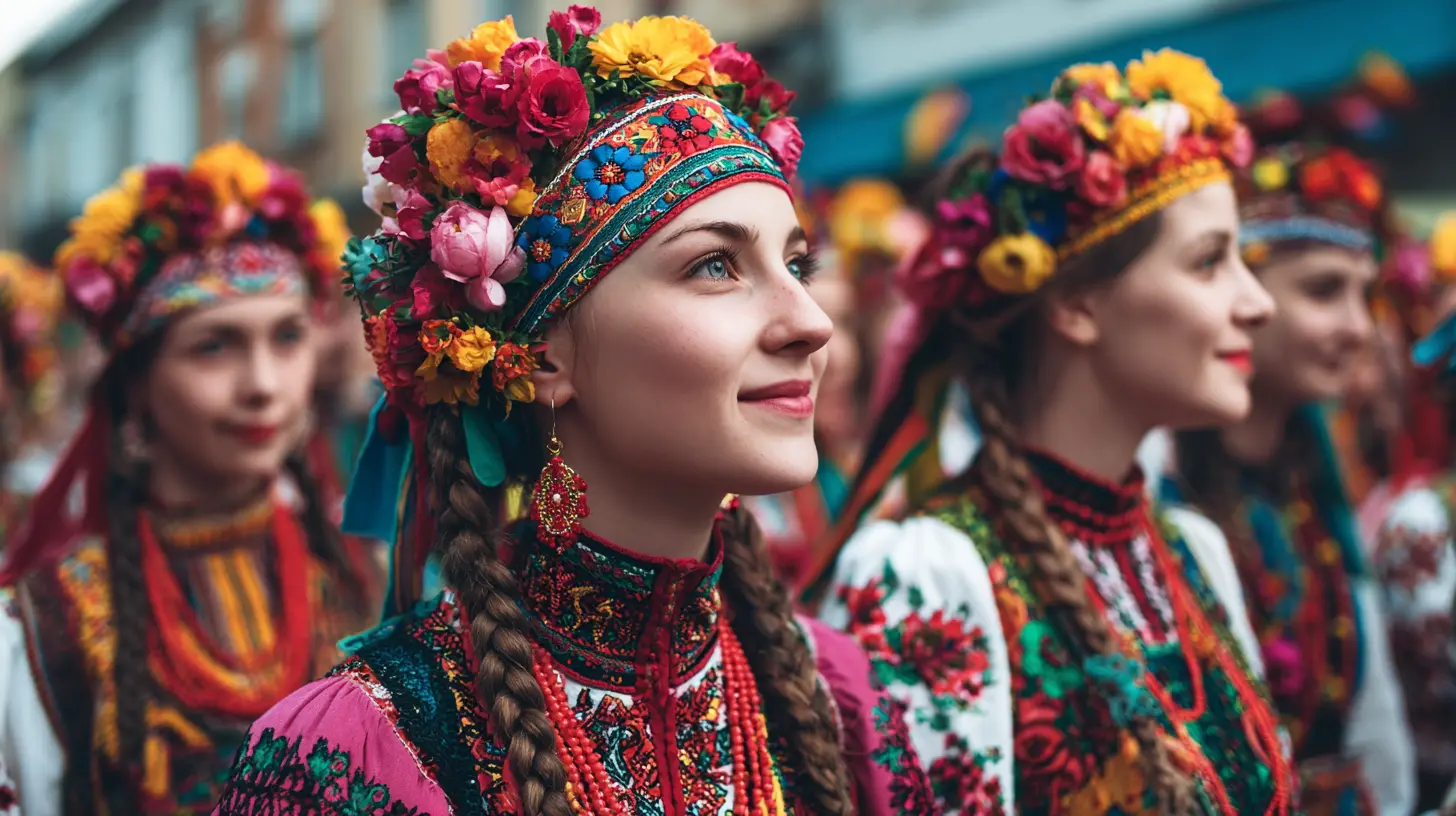
So what is the takeaway from all these costumes? In 2027, we are realizing that clothes are not just fabric. They are memory. They are protest. They are love letters to our ancestors. When you see a woman in a sari at a Diwali party, she is wearing a garment that has been draped the same way for 5,000 years. When you see a man in a kilt at a wedding, he is carrying the weight of his clan's history. And when you see a kid at Burning Man in a homemade cardboard robot suit, he is creating a new tradition for the future.The best part? You do not have to be an expert to appreciate it. Just look. Ask questions. Touch the fabric if they let you. Every costume has a story, and in 2027, the world is ready to tell them. So pack your bags, bring a camera, and maybe leave room in your suitcase for a souvenir that is not a keychain. Because the best souvenir is the story behind the clothes you saw. And trust me, you will never look at a sequin the same way again.
all images in this post were generated using AI tools
Category:
Cultural CelebrationsAuthor:

Shane Monroe
Discussion
rate this article
1 comments
Fable Hamilton
Fascinating glimpse into our heritage.
June 5, 2026 at 4:43 AM
Shane Monroe
I appreciate your feedback! I'm glad you found it fascinating.