Cultural Pilgrimages Worth Taking in 2026
20 September 2026
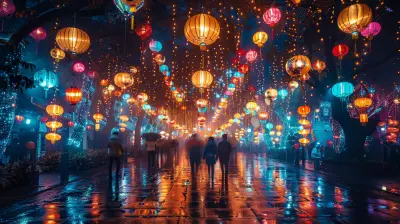
Pilgrimage travel is having a moment, and it is not just about religion. More travelers are choosing journeys with a clear purpose: walking ancient routes, joining festivals tied to local belief systems, or retracing the steps of artists, writers, and historical figures. The appeal is easy to understand. After years of overpacked itineraries and Instagram-driven detours, a trip with a built-in reason to move from point to point feels grounding. It gives you a structure, a rhythm, and a story that belongs to a place rather than to a trend.
But here is the part most listicles skip. A pilgrimage is not automatically meaningful just because the route is old or the destination is famous. The quality of the experience depends on timing, preparation, physical readiness, cultural awareness, and your own intentions. Choose poorly and you end up on a crowded trail with a blister and a bad attitude. Choose well and you carry the experience with you for years.
This guide looks at cultural pilgrimages worth considering in 2026, with honest context about what each one demands, who it suits, and where people commonly go wrong.
What Actually Makes a Journey a Pilgrimage
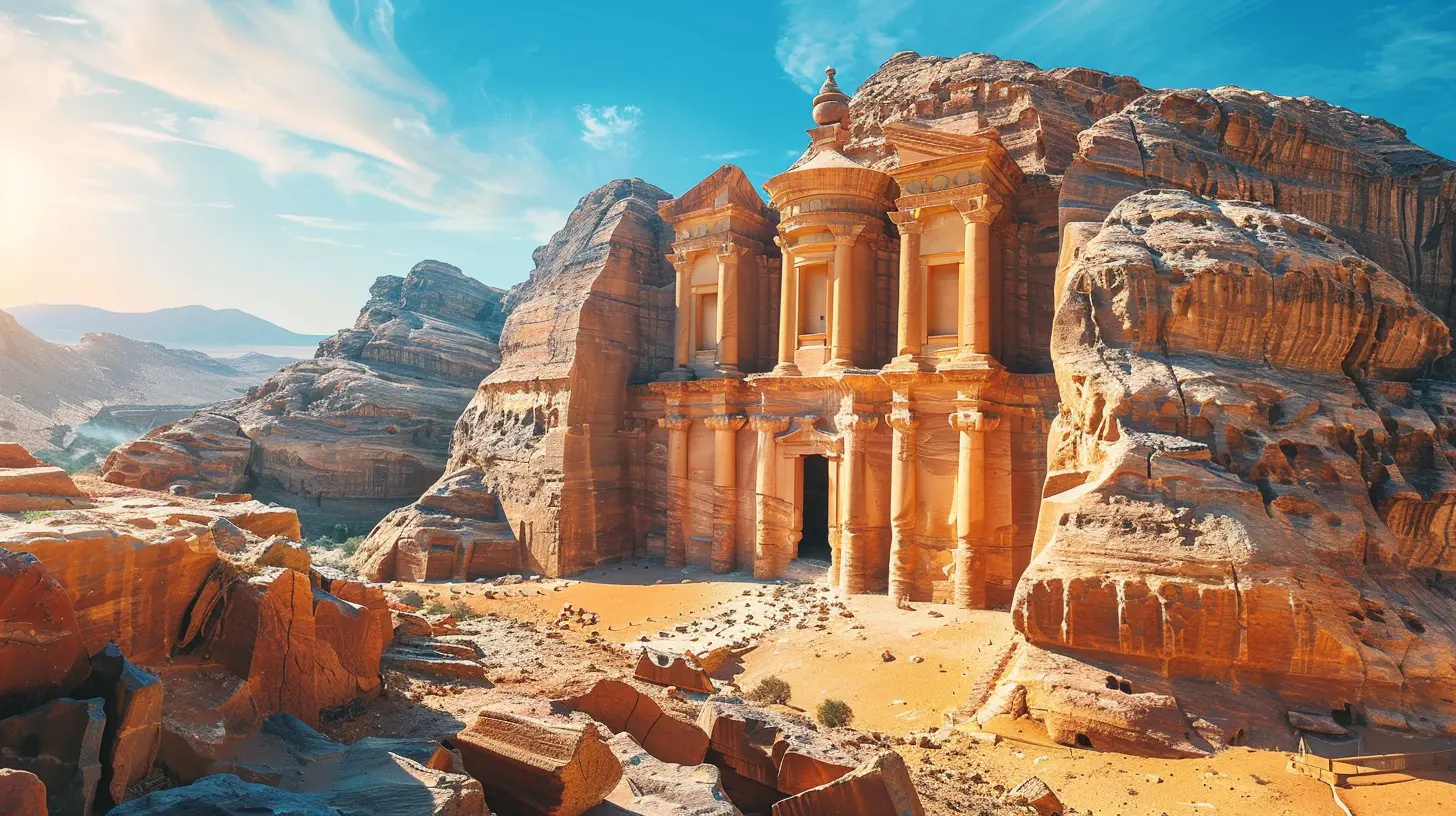
The word pilgrimage carries religious weight, but the practice is broader than that. Anthropologists and travel scholars generally describe pilgrimage as a journey to a place of special significance, undertaken with intention. That significance can be sacred, historical, artistic, or personal. The key ingredients are usually the same: a defined route or destination, a reason for going, and some form of effort or sacrifice along the way.That last part matters more than most people realize. Effort is what separates a pilgrimage from a standard vacation. Walking 20 kilometers a day, waking before dawn for a ceremony, or spending hours in transit to reach a remote monastery all create a psychological shift. You earn the arrival. Researchers who study pilgrimage often point to this threshold effect: the harder the journey, the more the destination tends to feel significant.
This is also why luxury versions of pilgrimage routes can feel hollow to some travelers. A comfortable bus tour along the Camino de Santiago is not inherently bad, but it removes the effort that gives the route its emotional texture. That is a trade-off worth understanding before you book.
The Camino de Santiago, Spain
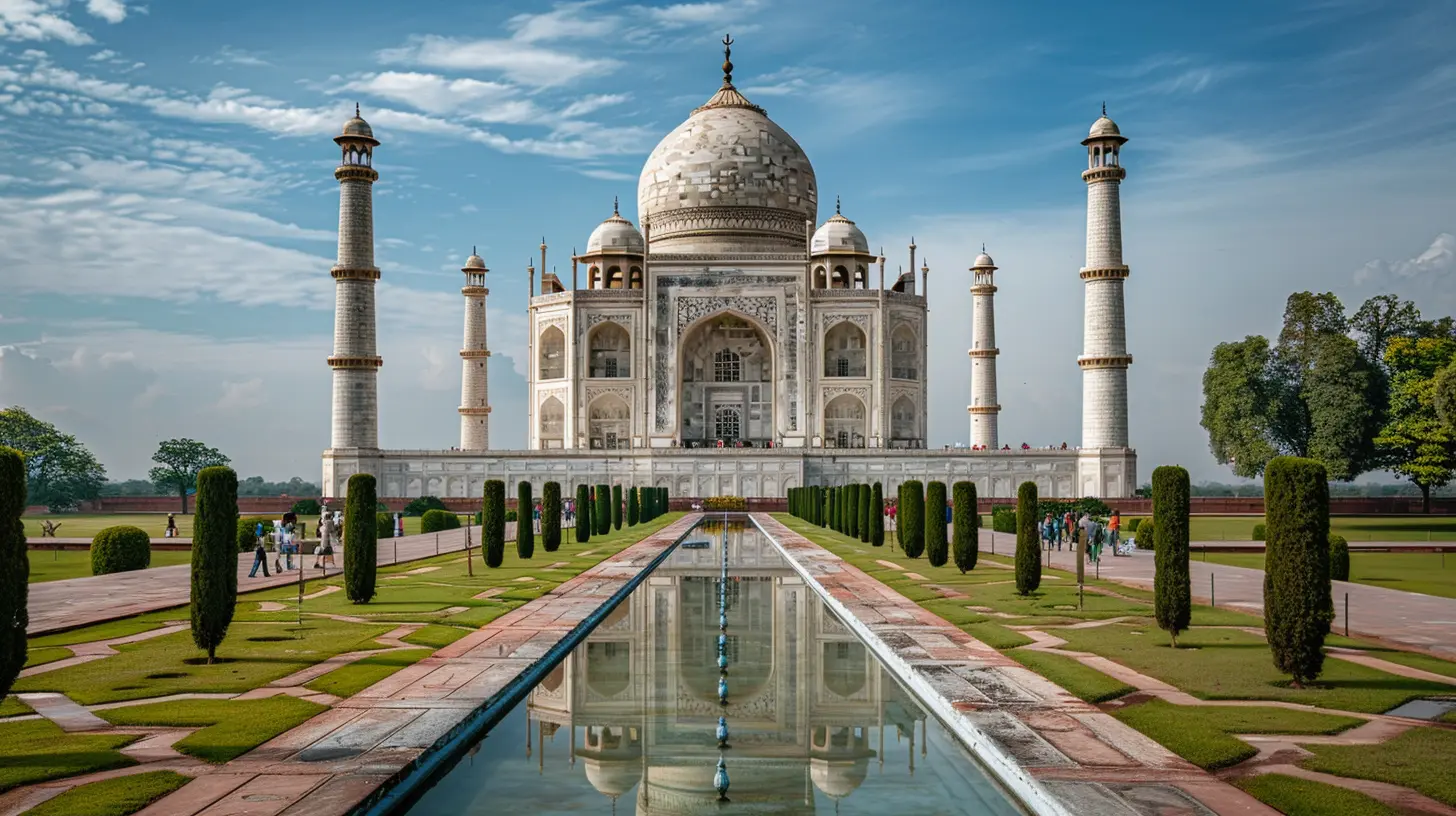
The Camino remains the most well-known pilgrimage in the Western world, and for good reason. Multiple routes converge on Santiago de Compostela in Galicia, with the French Way being the most popular. In 2026, expect continued growth in numbers, especially on the final 100 kilometers from Sarria, which is the minimum distance required for the official Compostela certificate.Why It Works
The infrastructure is unmatched. Albergues, cafes, luggage transfer services, and route markings make it accessible to people with average fitness. You can walk for a week or a month. You can carry your pack or ship it ahead. That flexibility is rare on long-distance trails.The social dimension is the other draw. Pilgrims fall into conversation easily, and many report that the people they meet matter more than the scenery. If you are traveling solo and want company without forced group activities, the Camino delivers.
What to Consider
The trade-off is crowding. The last 100 kilometers in summer can feel like a procession. If solitude matters to you, walk the Primitivo or the Norte routes, or travel in April, May, late September, or October. Be honest about your fitness too. Tendonitis and blisters end more Caminos than lack of willpower. Train with your loaded pack for at least a month before you go.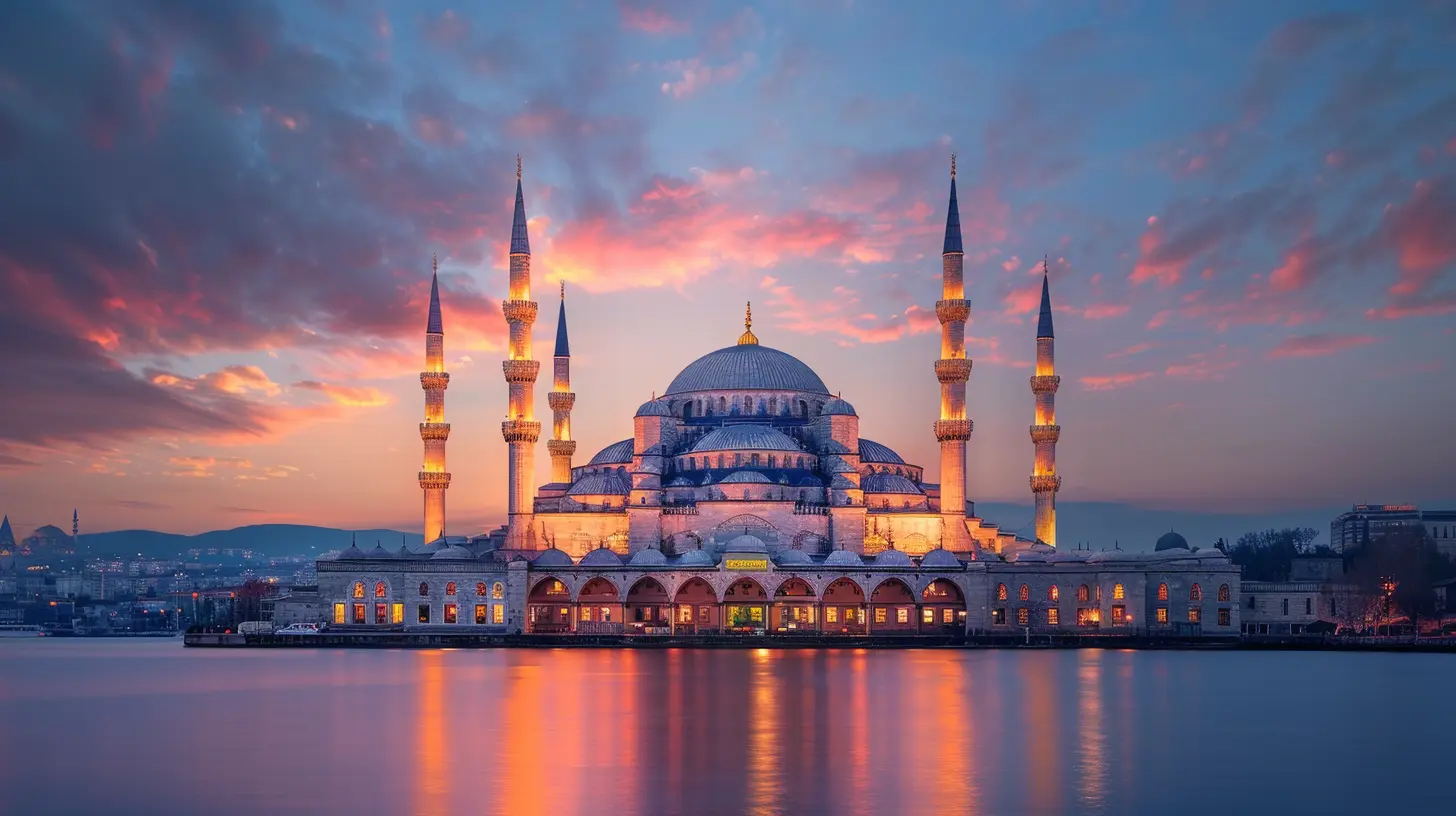
The Kumano Kodo, Japan
The Kumano Kodo is a network of ancient pilgrimage routes on the Kii Peninsula, south of Osaka. For over a thousand years, people have walked these mountain paths to visit the three Grand Shrines of Kumano. It is one of only two pilgrimage routes in the world with UNESCO World Heritage status alongside the Camino, which makes it a natural comparison.Why It Works
The Kumano Kodo offers something the Camino does not: deep quiet. The routes wind through cedar forests, past moss-covered stone markers, and along ridges with views that feel genuinely removed from modern Japan. Ryokan stays, onsen baths, and carefully prepared meals add a layer of comfort that balances the physical effort.The dual pilgrimage concept is also worth knowing. Some walkers complete both the Camino and the Kumano Kodo to receive a special certification. If you have already done the Camino and want a route with a different cultural register, this is a strong next step.
What to Consider
Navigation is more demanding than on the Camino. Signage exists but is less constant, and English support is thinner in rural sections. Many walkers use a local luggage transfer service and carry only a day pack. That is a reasonable choice, but it changes the character of the trip. Also note that the terrain is steeper than most people expect. Daily elevation gain can exceed 500 meters.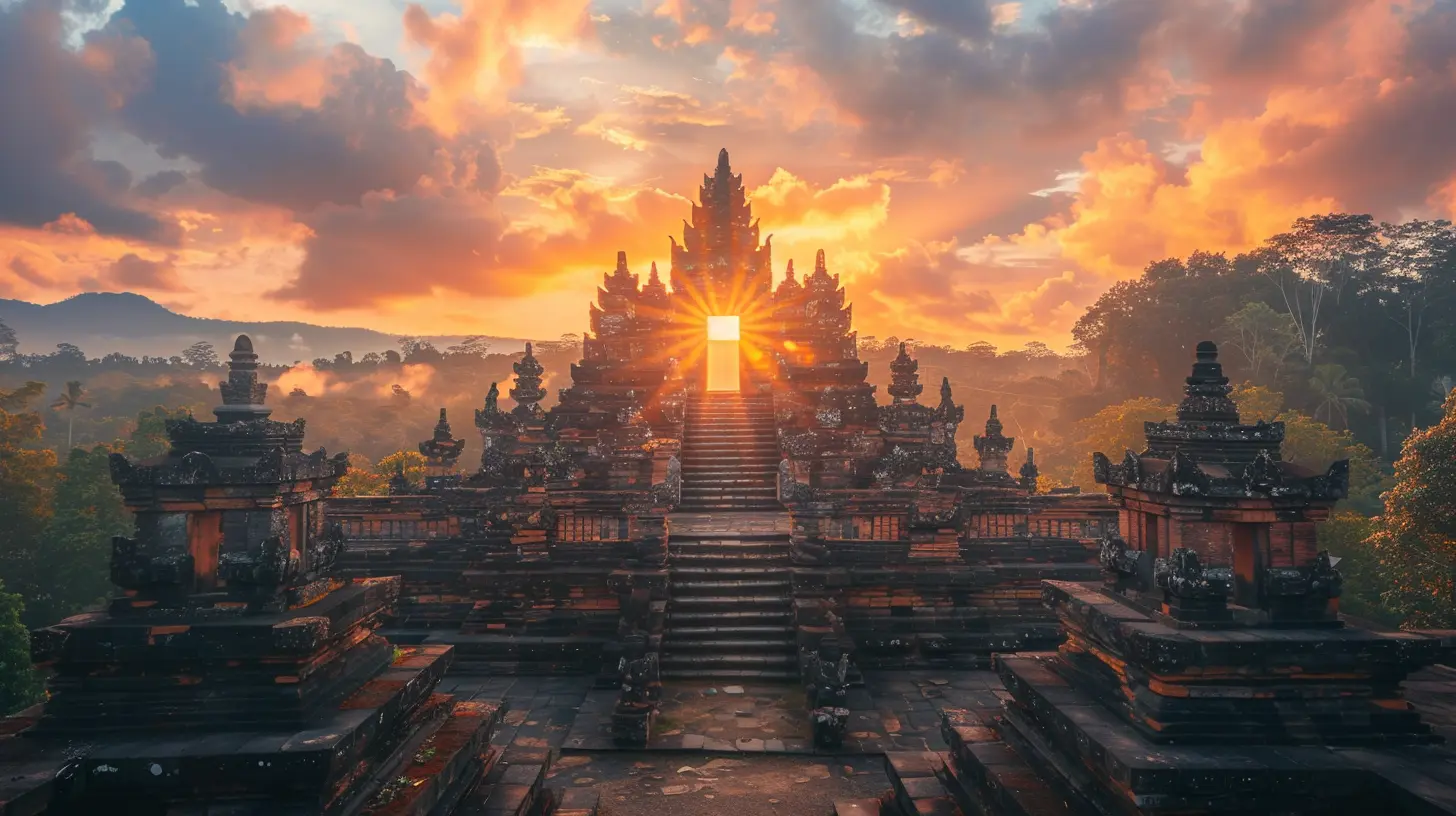
The Hajj and Umrah, Saudi Arabia
The Hajj is one of the five pillars of Islam and is obligatory once in a lifetime for Muslims who are physically and financially able. Umrah is a shorter pilgrimage that can be performed at any time of year. Both center on Mecca and involve rituals that have been practiced for centuries.Why It Works
For Muslim travelers, no other journey carries comparable spiritual weight. The scale is extraordinary, with millions of pilgrims converging on the same site. Many describe the experience as transformative in ways that are difficult to put into words.What to Consider
This is not a trip you plan casually. Hajj requires a permit, and access is managed through official channels and approved operators. Timing follows the Islamic lunar calendar, so the dates shift each year. In 2026, Hajj is expected to fall in late May, though you should confirm exact dates with official sources closer to the time.Practical concerns matter: heat, crowds, and physical stamina. The Saudi government has invested heavily in crowd management and infrastructure, but the experience still demands patience and preparation. Book through licensed operators only. Unofficial arrangements can leave you without valid permits, which creates serious legal and safety problems.
The Way of Saint James Alternatives: Via Francigena, Italy
The Via Francigena runs from Canterbury in England through France, Switzerland, and Italy to Rome. It is older than many people assume and was a major medieval pilgrimage route. Today it is far quieter than the Camino, which is precisely its appeal.Why It Works
Italy rewards slow travel. Walking through Tuscany and Lazio, you pass hill towns, vineyards, and Roman roads. The food alone justifies the effort. Because the route is less trafficked, you get more space to think and more genuine interactions with locals.What to Consider
Infrastructure is thinner. Some stages have long gaps between accommodation, and signage varies by region. You need to plan stages more carefully and be comfortable with occasional uncertainty. This route suits experienced long-distance walkers rather than first-timers.
Shikoku Pilgrimage, Japan
The Shikoku Pilgrimage, also known as the 88 Temple Pilgrimage, circles the island of Shikoku and visits 88 temples associated with the monk Kukai, also known as Kobo Daishi. Most pilgrims travel on foot, though many use buses, cars, or bicycles.Why It Works
This is one of the few major pilgrimages where the full circuit takes roughly 1,200 kilometers and six to eight weeks on foot. That length creates a genuine life pause. The tradition of osettai, where locals offer gifts or assistance to pilgrims, remains alive in many areas. It is a rare example of a pilgrimage where the host culture actively participates.What to Consider
Time is the biggest barrier. Few people can take two months off. Partial routes are possible, and the henro experience can still feel complete if you walk a meaningful section. Language is a real factor outside major towns. Learning basic Japanese phrases and temple etiquette will improve your experience considerably.The Path of Abraham and Middle Eastern Routes
Pilgrimage routes in the Middle East, including sites in Israel, Palestine, Jordan, and Egypt, carry immense historical and religious significance for Jewish, Christian, and Muslim travelers. Routes connected to Abraham, the Exodus, and early Christian history attract visitors year-round.Why It Works
Few regions concentrate so much religious history in such a small area. For travelers with personal or familial connections to these traditions, the experience can be profoundly emotional.What to Consider
This is the section where honesty matters most. Political conditions in the region change quickly, and travel advisories should be checked close to your departure date. Safety, insurance, and flexibility are not optional considerations here. Work with operators who have current local knowledge and clear contingency plans. If conditions are uncertain, consider deferring rather than forcing the trip. A pilgrimage rushed into unstable circumstances rarely produces the reflection you are seeking.
Fatima and Santiago Combination, Portugal
Fatima draws millions of Catholic pilgrims each year, particularly around the 13th of May and 13th of October, which commemorate the reported apparitions of 1917. Many combine Fatima with the Portuguese route of the Camino, walking from Porto or Lisbon toward Santiago.Why It Works
The combination gives you two distinct experiences: the intense devotional atmosphere of Fatima and the reflective rhythm of a walking route. Portugal is affordable, safe, and easy to navigate.What to Consider
Fatima during major pilgrimage dates is extremely crowded. If you want contemplation rather than spectacle, visit outside those windows. The Portuguese Camino is gentler than the French Way in terms of terrain, which makes it a good option for less experienced walkers.Practical Planning Advice That Actually Helps
Decide What You Want Before You Choose Where
Ask yourself three questions. Do you want solitude or community? Do you want physical challenge or spiritual focus? Do you want a route with strong infrastructure or one that requires self-reliance? Your answers will narrow the field faster than any list.Train Specifically, Not Generally
Walking pilgrimages punish people who are generally fit but specifically unprepared. Long days on hard surfaces stress tendons, feet, and hips in ways gym workouts do not. Build up to consecutive long walks with your actual pack and your actual shoes.Book Critical Stops, Leave the Rest Open
On popular routes, book the first two nights and the last two nights. Leave the middle flexible. This protects you from arrival-day chaos while preserving the spontaneity that makes pilgrimage travel rewarding.Respect the Culture You Are Entering
Pilgrimage sites are not theme parks. Dress codes apply at religious sites. Photography may be restricted. Silence may be expected. Read up on local customs before you arrive, and follow the lead of people who are there to worship, not just to visit.Understand the Difference Between a Route and a Product
Commercial operators sell pilgrimage packages that range from excellent to cynical. A good operator handles logistics so you can focus on the experience. A bad one turns a sacred route into a checklist. Read reviews carefully, ask what is included, and check whether guides are local.
Common Mistakes to Avoid
The first mistake is overpacking. Almost every long-distance walker ends up mailing something home. The second is underestimating weather. Mountain routes in Japan and Spain can shift from warm to cold quickly. The third is treating the pilgrimage as a race. Speed defeats the purpose. The fourth is ignoring your body. Pain that persists past a day or two is a signal, not a challenge.A subtler mistake is arriving with rigid expectations. Pilgrimages rarely deliver what people imagine. They deliver something else, often better, but only if you leave room for it.
Final Thoughts
The best cultural pilgrimage for you in 2026 depends less on which route is trending and more on what you need from the journey. If you want community and manageable logistics, the Camino is hard to beat. If you want quiet and forest, look at Kumano Kodo. If you want a genuine test of endurance and time, Shikoku rewards those who can commit. If your motivation is devotional, the Hajj, Fatima, and the Middle Eastern routes carry weight that no scenic trail can replicate.Whatever you choose, go with preparation, humility, and a willingness to be changed by the road. That is the part no booking platform can sell you.
all images in this post were generated using AI tools
Category:
Cultural LandmarksAuthor:

Shane Monroe