Discover the Ancient Wisdom of the Aboriginal Dreamtime
10 August 2026
Have you ever heard of the Aboriginal Dreamtime? It's not just any bedtime story—it's a rich, intricate web of myths, legends, and spiritual beliefs that have been passed down for tens of thousands of years. The Aboriginal Dreamtime is the beating heart of Australia’s Indigenous culture, offering profound lessons on life, nature, and the universe itself.
So, buckle up and prepare for a journey through time—because we’re about to delve into one of the oldest and most fascinating spiritual traditions on Earth. 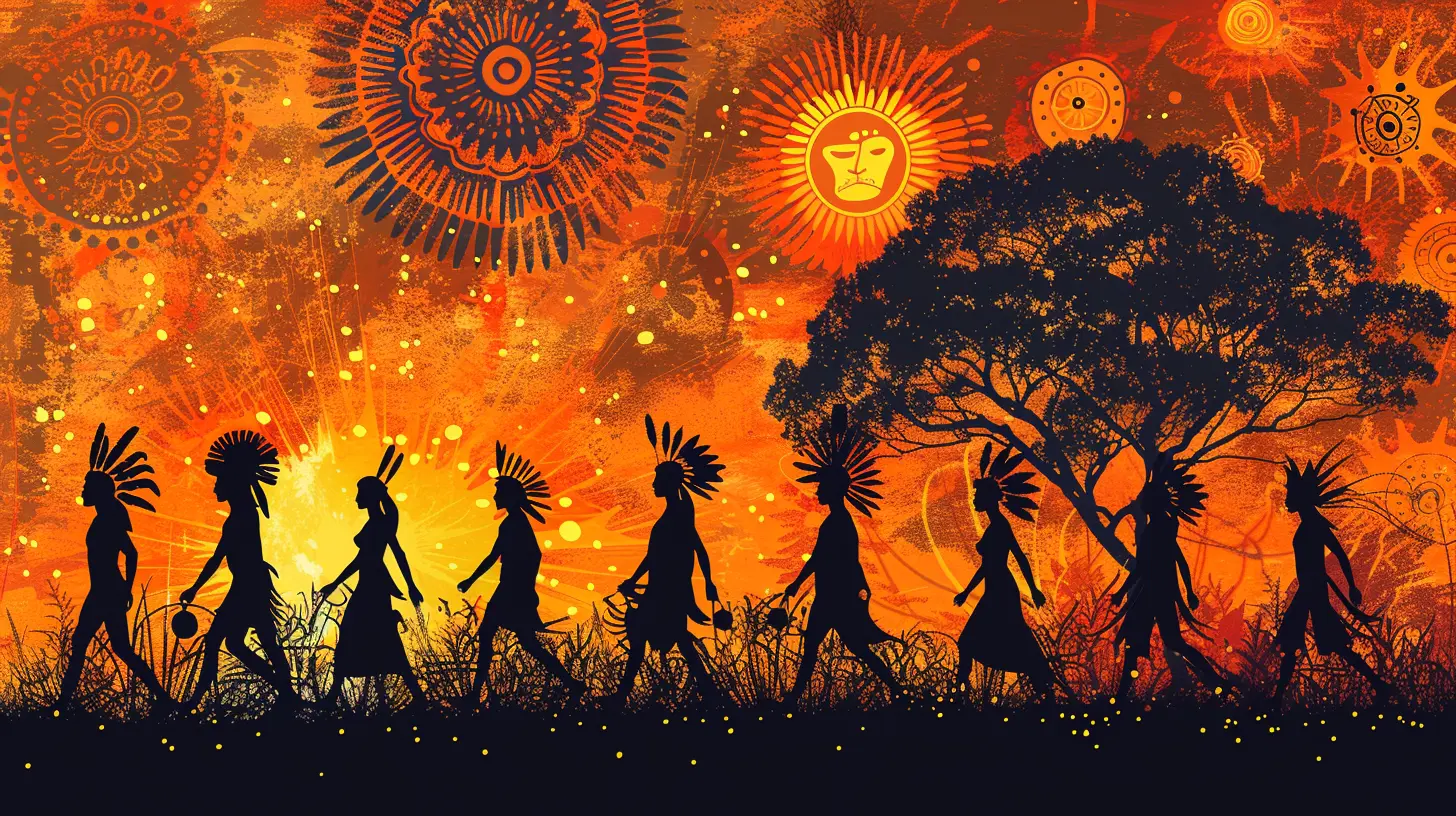
? What Is the Aboriginal Dreamtime?
At its core, the Dreamtime (or “The Dreaming”) is the Aboriginal explanation of the world’s creation. It’s a sacred period when ancestral spirits roamed the Earth, shaping landscapes, creating animals, and setting the laws of existence. But here’s the twist—Dreamtime isn't just about the past; it’s a continuous, living system that influences Aboriginal life to this day.Think of it as a spiritual Wi-Fi connection—always on, always guiding, and deeply ingrained in Indigenous identity. 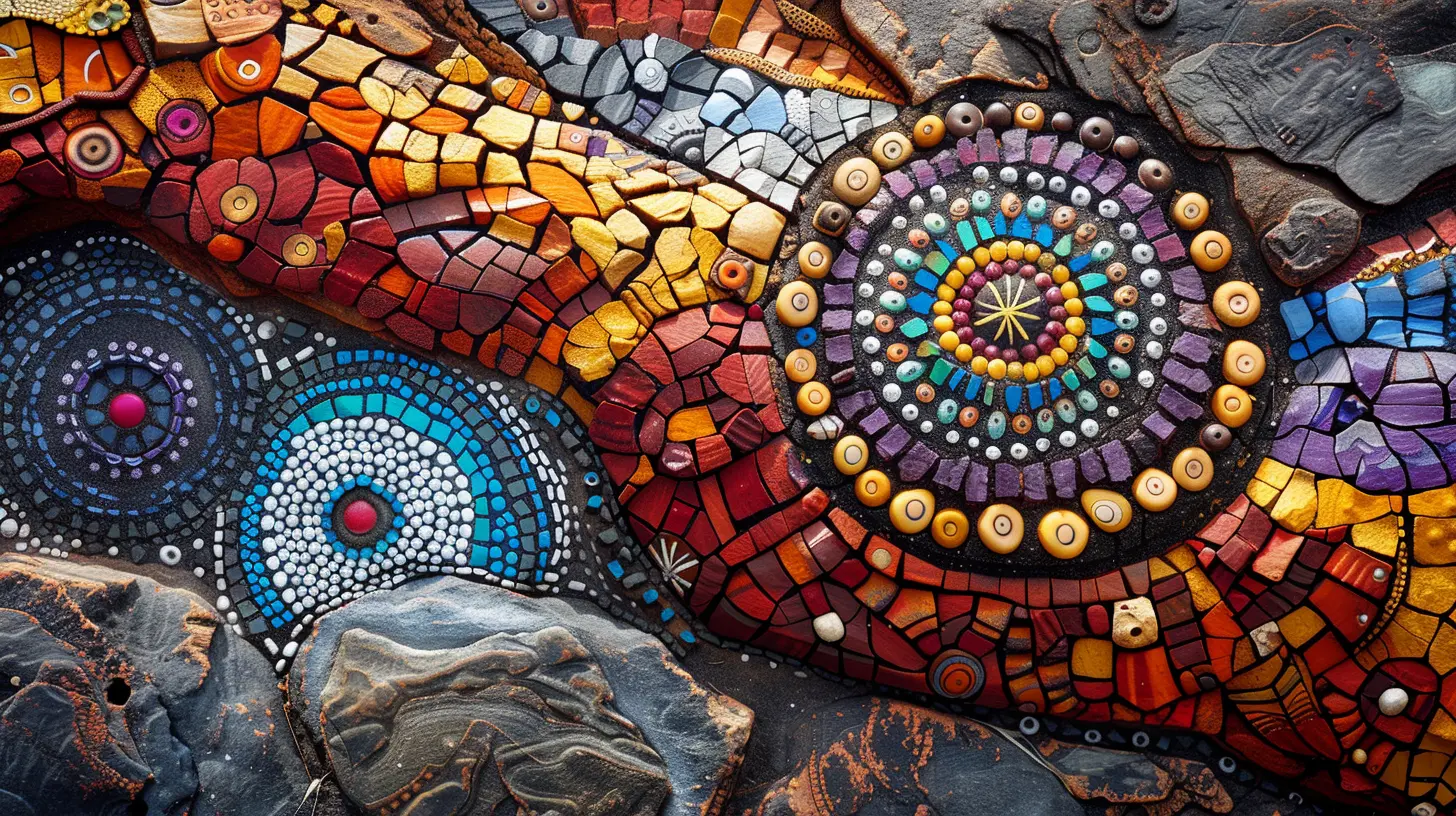
? The Dreamtime’s Role in Aboriginal Life
Dreamtime stories aren’t just bedtime fables—they are lessons encoded in mythology, teaching respect for the land, social laws, and moral values. Aboriginal communities use these tales to maintain harmony with nature, ensuring survival in the unforgiving Australian Outback.Imagine if history, science, religion, and law were all wrapped into one massive, intergenerational knowledge bank. That’s what Dreamtime is to Aboriginal people—a source of wisdom passed down through spoken word, art, dance, and song. 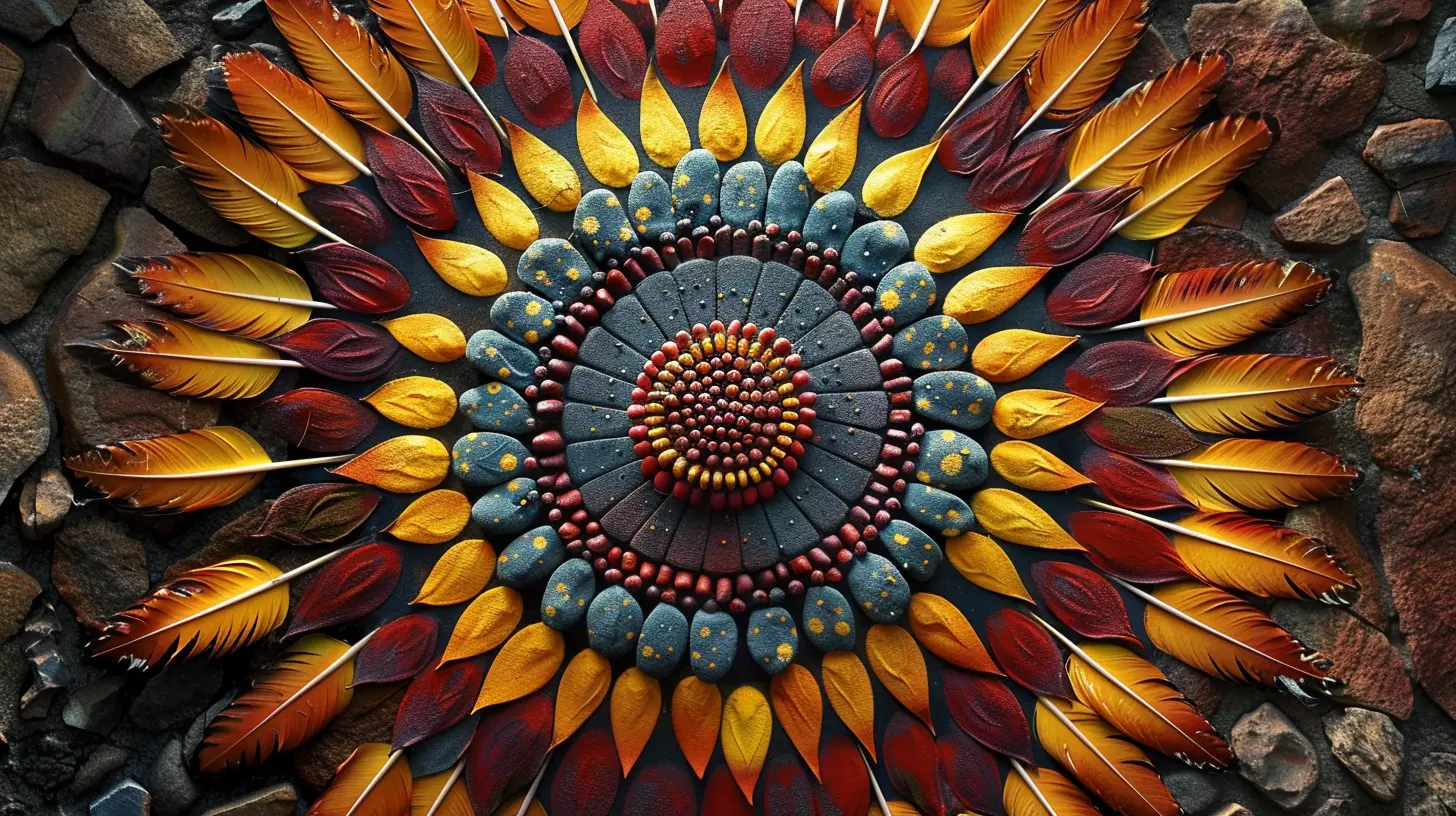
? The Serpent That Shaped a Continent
One of the most famous Dreamtime creatures is The Rainbow Serpent. This mighty, slithering spirit is said to have carved out the rivers and valleys as it moved across the land. Some traditions speak of it as a benevolent creator, while others see it as a force of destruction when disrespected.Imagine the Rainbow Serpent as Mother Nature’s artist, sculpting the land with each graceful movement. Aboriginal tribes still pay respect to this legendary being through ceremonies and paintings, recognizing its role in shaping their world. 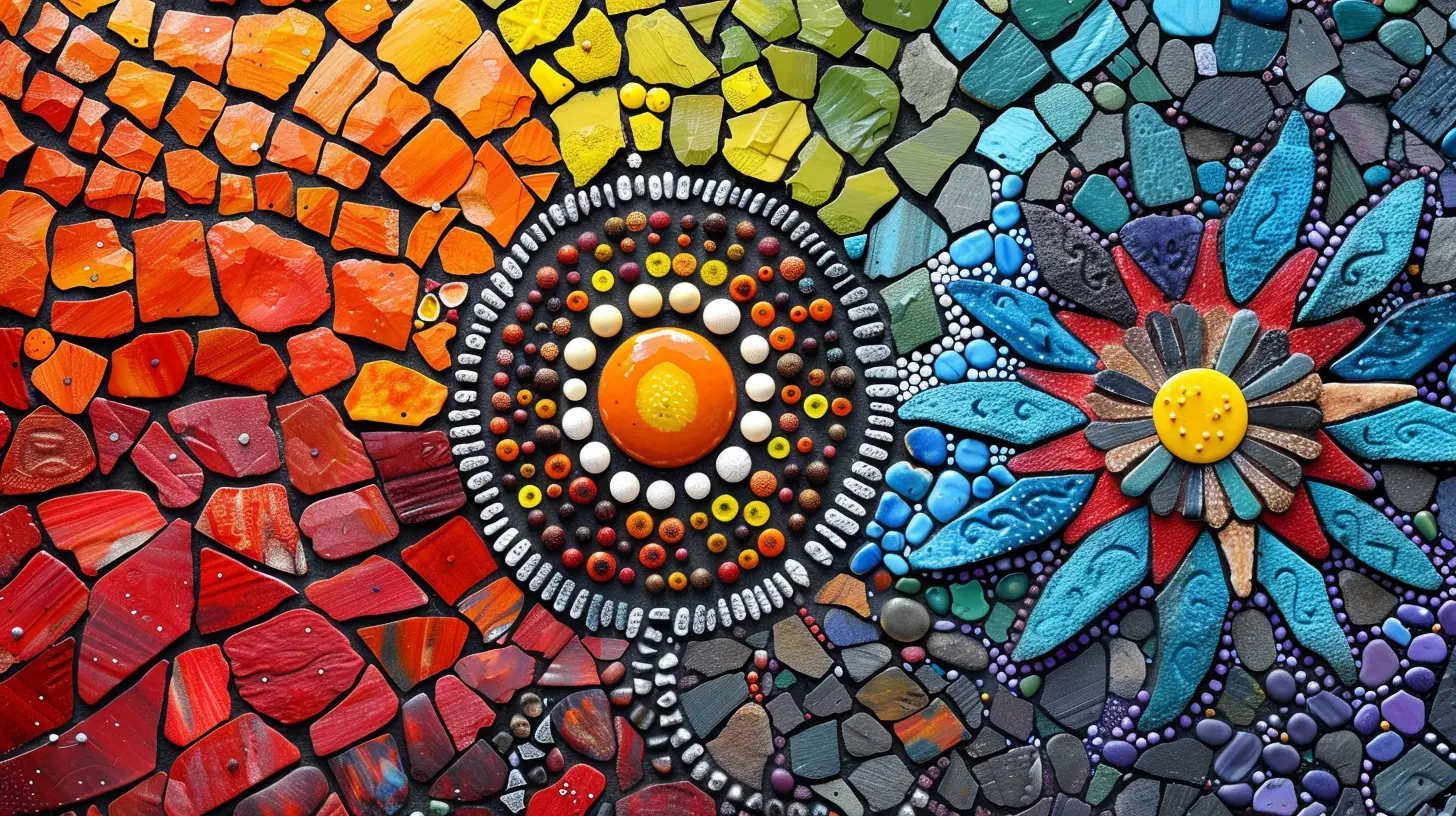
? The Songlines – GPS of the Dreamtime
Before Google Maps, before compasses—even before written language—Aboriginal Australians navigated their massive, harsh homeland using Songlines.These are oral maps, passed down through generations, embedded in song and dance. Each verse of a song connects to a specific landmark, directing travelers across vast landscapes with incredible accuracy.
Picture humming a tune that leads you straight to water, food, or sacred sites. That’s how powerful and precise this ancient navigation system is!
?️ Aboriginal Art – A Visual Portal to Dreamtime
Ever seen Aboriginal dot paintings? They're not just decorative—they're storytelling tools. Aboriginal artists use symbols, patterns, and colors to hide sacred meanings within their art. Some Dreamtime stories are so secret that only elders or specific tribe members can interpret them.In a way, Aboriginal paintings are like encrypted messages—filled with hidden knowledge, waiting to be unlocked by those who understand their language.
? The Dreamtime Connection to the Stars
The Dreamtime isn’t just tied to Earth—it reaches into the cosmos! Many Aboriginal groups have ancient star knowledge, using constellations for timekeeping, navigation, and storytelling.One of the most famous Dreamtime star stories is that of the Emu in the Sky, a dark shape formed by the gaps in the Milky Way rather than bright stars. How’s that for next-level stargazing?
These celestial Dreamtime stories demonstrate just how deeply Aboriginal Australians understand their environment—from the vast desert sands beneath their feet to the endless stars above.
?️ Sacred Sites & Dreamtime Energy
All across Australia, you’ll find sacred Dreamtime locations—places where ancestral spirits left their mark. Some of the most famous include:- Uluru (Ayers Rock) – A spiritual powerhouse said to be shaped by Dreamtime beings.
- Kata Tjuta (The Olgas) – Known as a meeting place for ancient spirits.
- Devil’s Marbles – Giant granite boulders created by ancestors playing games.
These sites aren’t just random tourist spots—they are the spiritual backbone of Aboriginal culture. Visitors are encouraged to respect these places, keeping the traditions alive for future generations.
? Dreamtime’s Lessons for the Modern World
So, what can we, in our modern, tech-obsessed lives, learn from the Dreamtime? Quite a lot!1. Respect for Nature – Aboriginal people have lived sustainably for over 65,000 years. They view the land as a living entity, not a resource to exploit.
2. The Power of Storytelling – In a world where connection is often digital, the art of oral tradition reminds us of the value of real human stories.
3. Spiritual vs. Material Balance – Dreamtime teaches that life isn’t just about possessions—it’s about our relationships with people, nature, and our past.
In many ways, Dreamtime wisdom could be the key to healing our fractured relationship with the Earth.
?️ How You Can Experience Aboriginal Dreamtime
Want to step into this ancient world for yourself? Here are some incredible ways to connect with Dreamtime on your next trip to Australia:- Join a cultural tour guided by Aboriginal elders.
- Visit sacred sites like Uluru and hear the Dreamtime stories firsthand.
- Experience Aboriginal dance and music performances.
- Try dot painting workshops to understand the symbolic language of Indigenous art.
These experiences aren’t just tourist activities—they’re an invitation to glimpse a culture that has thrived for millennia.
? Final Thoughts
The Aboriginal Dreamtime is more than folklore—it’s an ancient knowledge system that intertwines spirituality, astronomy, geography, and morality into one profound philosophy.While modern society races forward, there’s something deeply grounding about the Dreamtime’s connection to the past, present, and future. Perhaps, in an age of disconnection, we can all learn a little something from one of the world’s oldest wisdom traditions.
So, next time you find yourself under the stars, take a moment to wonder—what stories are hidden in the cosmos? What lessons lie beneath the land? Because, just maybe, the Dreamtime still whispers its secrets to those who listen.
all images in this post were generated using AI tools
Category:
Cultural ToursAuthor:

Shane Monroe
Discussion
rate this article
1 comments
Merida Hahn
This article on the Aboriginal Dreamtime truly opens a door to a rich tapestry of culture and history. I'm fascinated by how these stories connect the past to the present. I can't wait to learn more and explore how this ancient wisdom can enrich modern life.
August 26, 2026 at 3:29 AM
Shane Monroe
I'm glad the article resonated with you! The connections between past and present in Dreamtime stories are indeed profound. Happy exploring!