Essential Gear for Smart Backpackers in 2026
26 May 2026
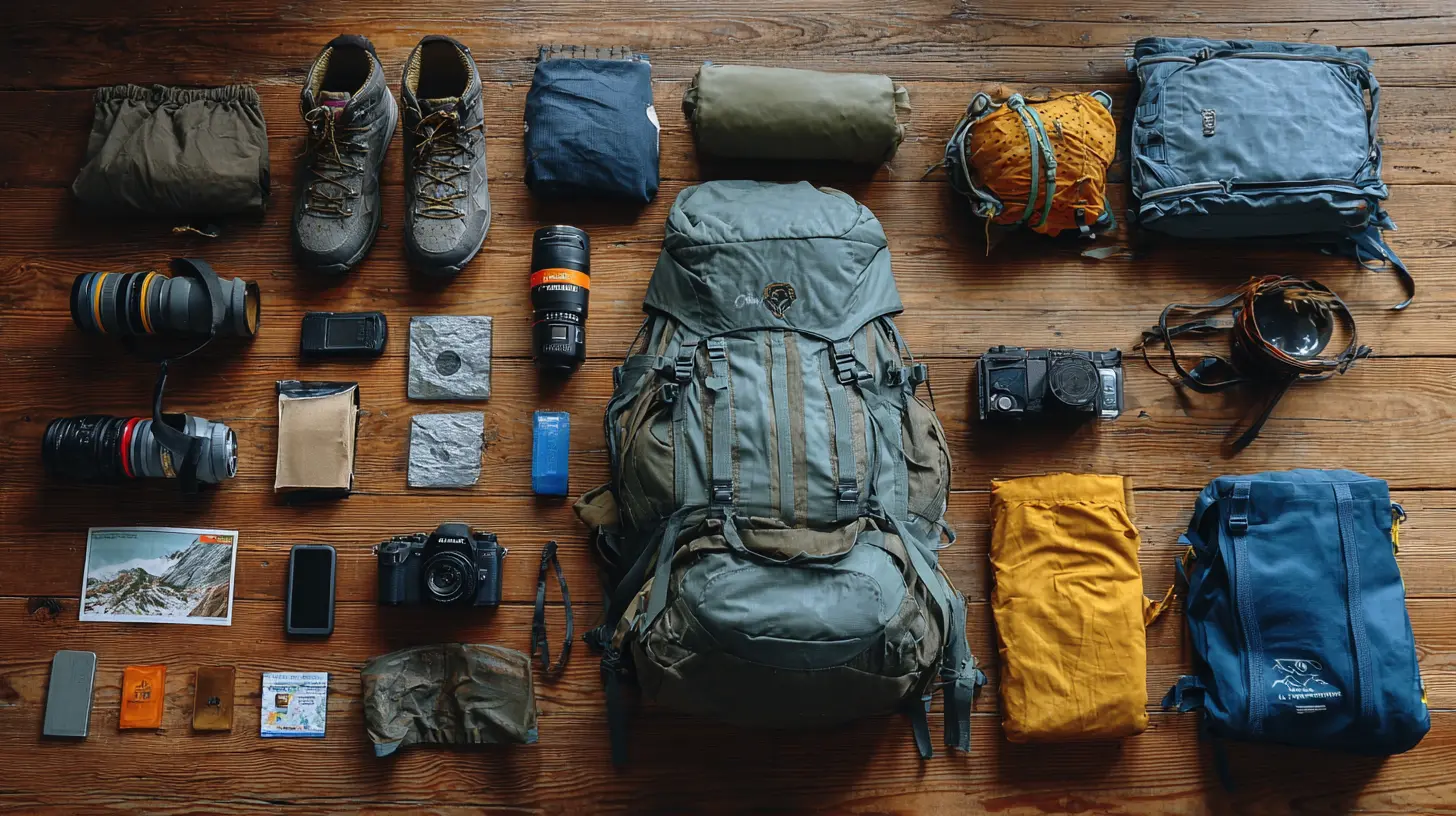
Let me be straight with you: packing for a backpacking trip in 2026 is nothing like it was even five years ago. The gear landscape has shifted hard, and if you are still hauling that 70-liter monster from 2019, you are missing the point. Smart backpacking today is not about bringing everything you might need. It is about bringing the right things, and leaving the rest behind. I have been on the road for the better part of a decade, and I have watched the industry change from heavy, clunky tools to sleek, multifunctional systems that feel like cheating. So, what do you actually need to pack for 2026? Let me walk you through the essentials that will save your back, your time, and your sanity.
The Philosophy of "Smart" in 2026
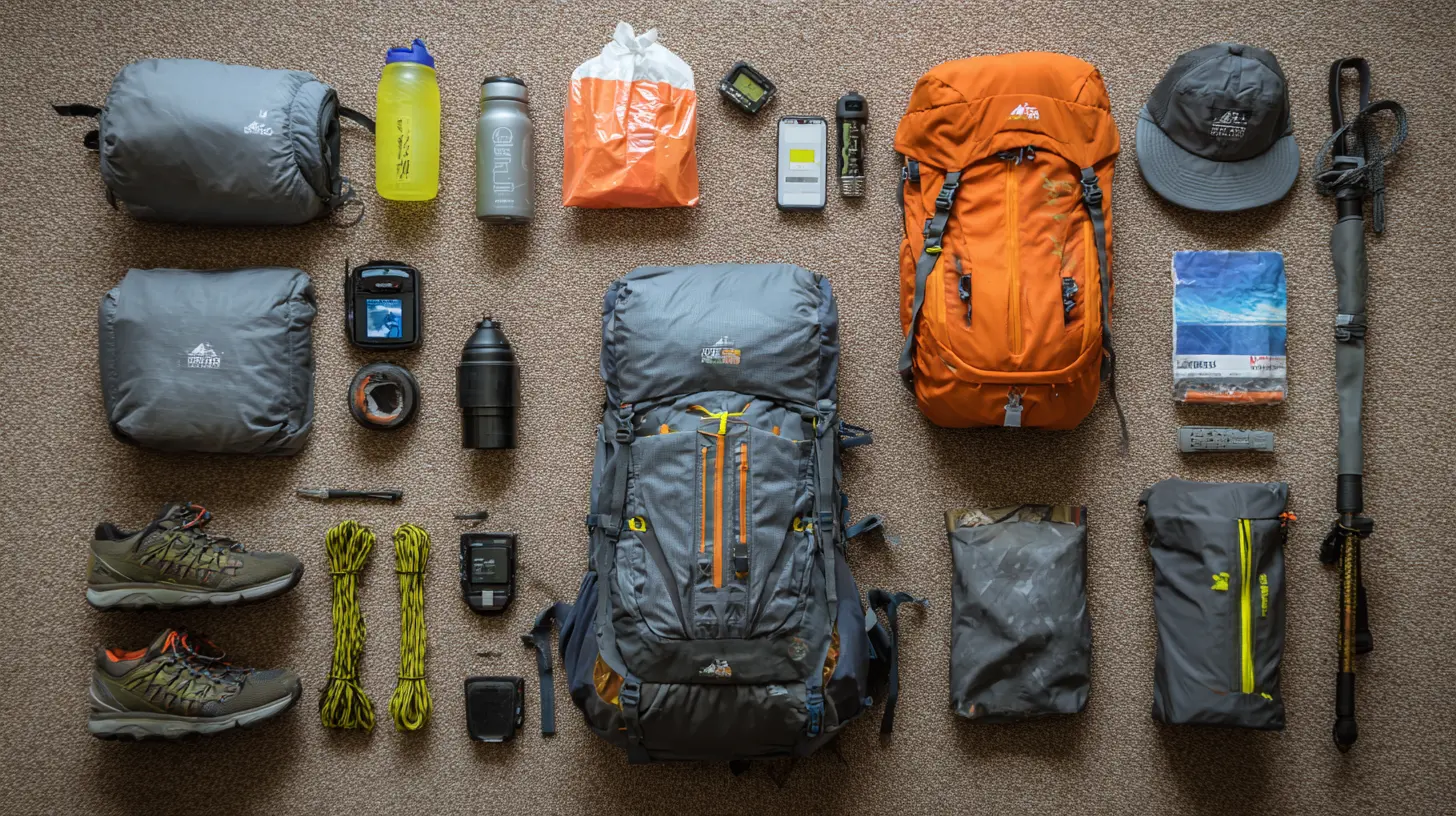
Before we dive into the gear list, we need to talk mindset. Being a smart backpacker in 2026 means you are not a pack mule. You are a strategist. Every gram you carry costs you energy, focus, and joy. Think of your backpack like a bank account. You have a limited balance of energy and comfort. Every item you add is a withdrawal. If you overdraft, you pay interest in sore shoulders and regret. The goal is to keep your balance high and your withdrawals low.This year, the smartest move you can make is to embrace modularity. Instead of a tent, a sleeping bag, and a pad that do one thing each, look for systems that combine functions. A jacket that doubles as a pillow. A water bottle that also filters and charges your phone. I know it sounds like science fiction, but trust me, the tech is here and it is actually good.
The Backpack: Your Home on the Move
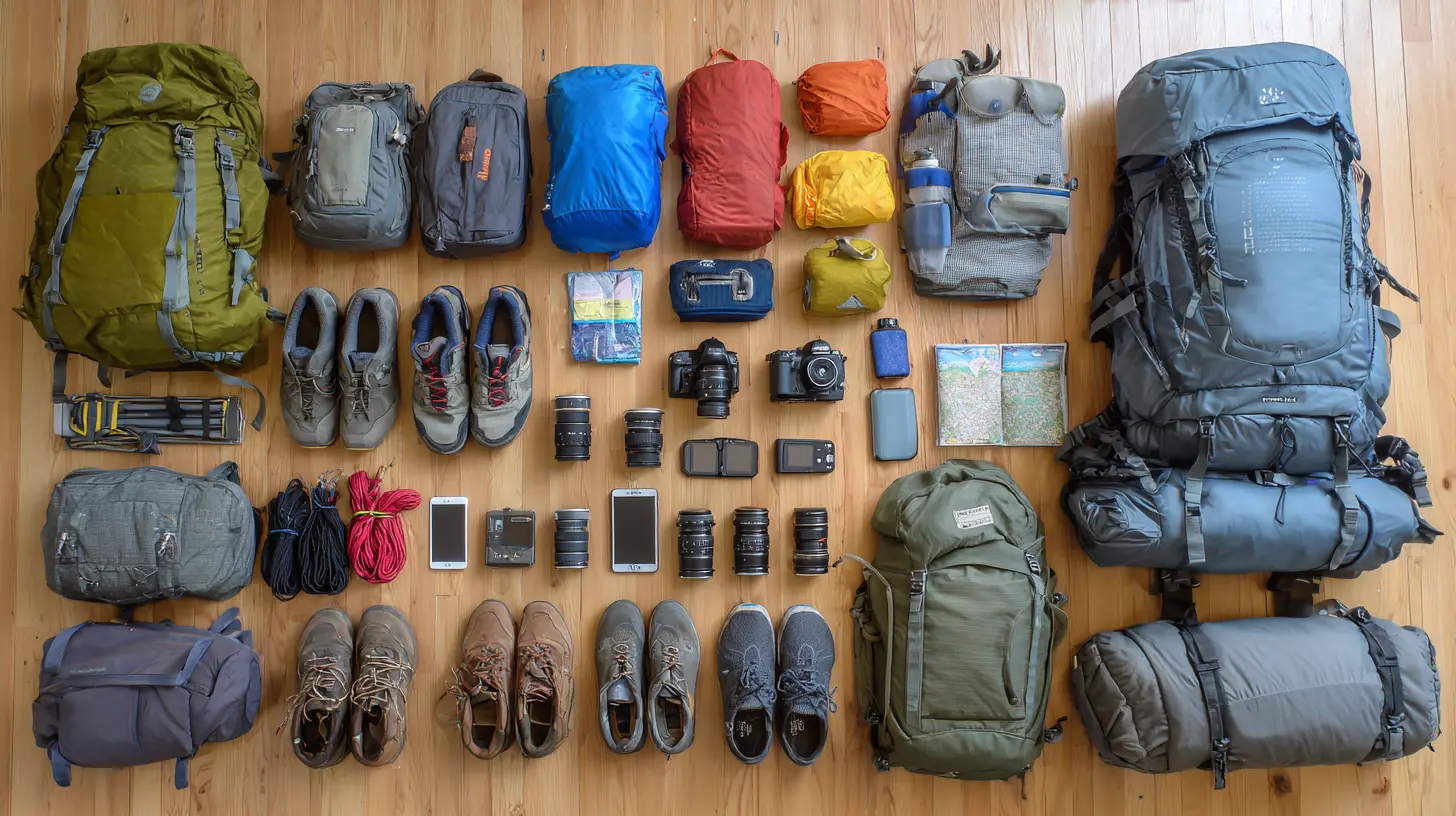
Your backpack is the foundation of everything. In 2026, the best packs are not just bags. They are frames with integrated suspension systems that adapt to your body. Look for a pack with a dynamic fit system that adjusts as you move. Brands like Osprey and Gregory have rolled out models with smart straps that tighten or loosen based on your load. It sounds gimmicky, but when you are hiking up a steep grade and your pack shifts to hug your hips tighter, you will feel the difference.Size matters more than ever. For a multi-day trip, 40 to 50 liters is the sweet spot. Anything bigger and you will be tempted to overpack. Anything smaller and you are playing Tetris with your gear. I use a 45-liter pack that weighs under three pounds. It has a removable daypack that clips to the front, so I can leave the main bag at camp and go explore. That is the kind of thinking you want.
Shelter: Light, Fast, and Modular
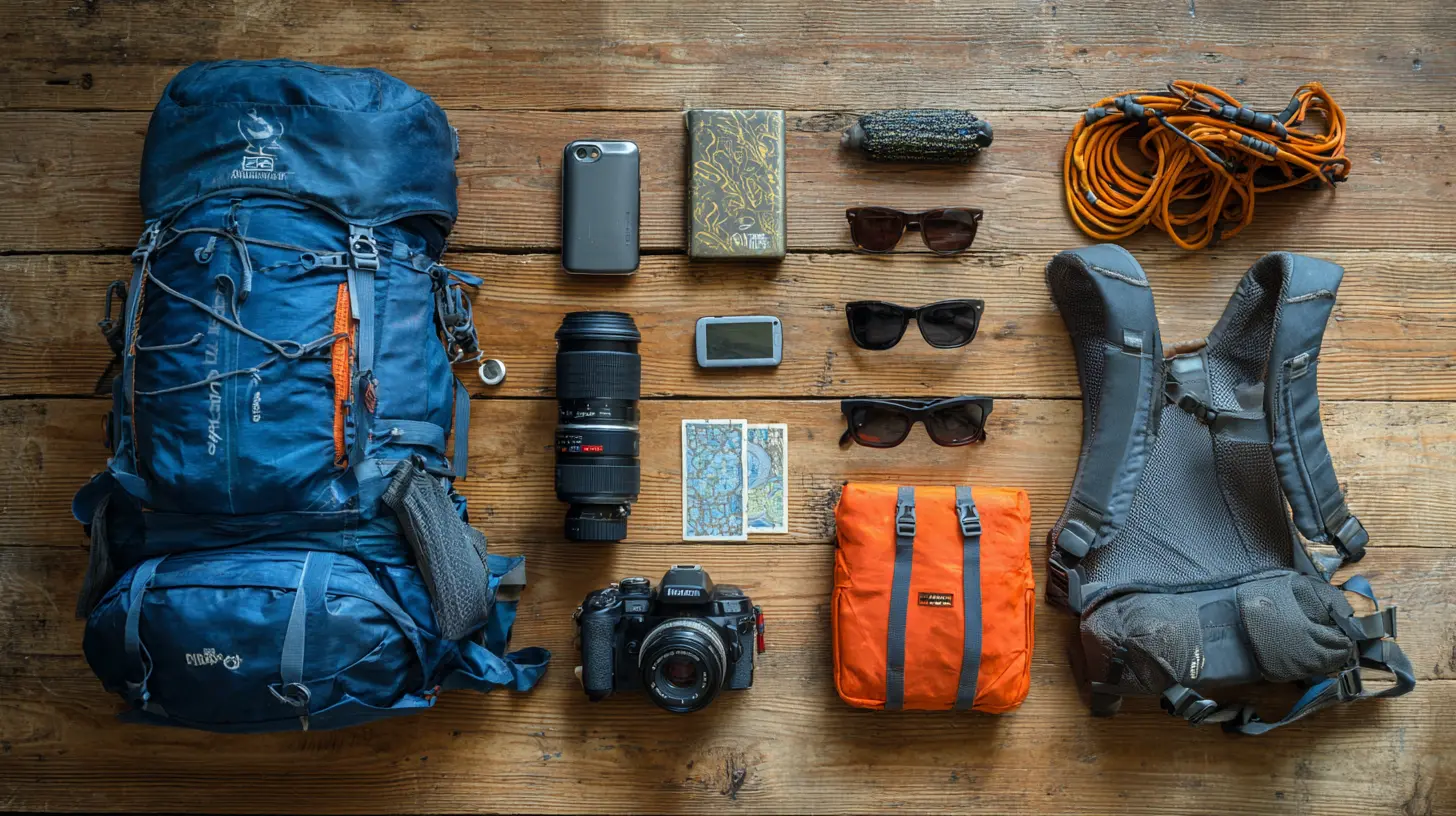
Tents have gotten absurdly light, but the real innovation in 2026 is the hybrid shelter. Think of a tarp that doubles as a rain fly, or a bivvy sack that breathes like a tent. I have been using a trekking pole tent that weighs just over a pound. It sets up in under two minutes and packs down smaller than a water bottle. For solo travelers, this is a game changer.If you are traveling with a partner, look for a two-person shelter that splits the weight. Many brands now sell tents with separate poles and flys that you can divide between packs. That way, one person carries the poles and the other carries the body. It is simple, but it makes a huge difference on long days.
Do not forget about the ground. A good sleeping pad in 2026 is not just for comfort. It is for insulation and recovery. The best pads now have built-in pumps that inflate in under 30 seconds, and they use reflective materials to trap your body heat. I use a pad with an R-value of 4.5, which means I can sleep comfortably down to freezing. And yes, it packs down to the size of a soda can. That is not a typo.
Sleep System: The Art of Rest
Sleep is where you recover, and recovery is where you get stronger. In 2026, sleeping bags are being replaced by quilts for most conditions. Quilts are lighter, more compressible, and they let you move around. If you are a side sleeper like me, a quilt is a revelation. You can tuck it around you or leave it loose. No more feeling trapped in a mummy bag.Pair your quilt with a silk or wool liner. Liners add warmth, keep your bag clean, and can be used alone in hot climates. I have a liner that weighs four ounces and adds 10 degrees of warmth to my sleep system. It is one of those small items that pays dividends every single night.
For insulation, look for down with a fill power of 800 or higher. Down is still king for weight-to-warmth ratio, but synthetic options have improved dramatically. If you expect wet conditions, go synthetic. If you are in dry, cold climates, down all the way.
Clothing: The Layering Revolution
Here is where most backpackers mess up. They bring too many clothes. The rule for 2026 is simple: three layers, and no more. Base layer, mid layer, and shell. That is it. You do not need a separate outfit for hiking, sleeping, and lounging. You need a system that works for all three.Your base layer should be merino wool or a high-quality synthetic. Merino is naturally antimicrobial, so you can wear it for days without stinking. I have worn the same merino shirt for a week straight on trail, and nobody complained. That is a win.
Your mid layer is your warmth. A lightweight fleece or a puffy jacket with synthetic insulation works best. Look for one that packs into its own pocket. That is a sign of good design.
Your shell is your protection. A waterproof, breathable jacket is non-negotiable. In 2026, the best shells use membranes that are both stretchy and durable. They do not crinkle like old rain jackets. They move with you. Spend the money here. A good shell will last years.
For pants, go with a single pair of convertible hiking pants that zip off into shorts. Or better yet, wear trail running shorts and add a pair of lightweight leggings for cold weather. That system is lighter and more flexible than traditional hiking pants.
Footwear: Your Most Important Decision
Your feet are your engine. If they hurt, nothing else matters. In 2026, the trend is toward trail runners over boots for most conditions. Trail runners are lighter, dry faster, and let your feet move naturally. I switched from boots to trail runners three years ago, and I have never looked back. My feet are stronger, and I do not get blisters anymore.But you need good ones. Look for trail runners with a Vibram sole and a wide toe box. Brands like Altra and Hoka have models designed specifically for backpacking. They have enough cushion for a 30-pound load but are light enough to run in if you need to.
Do not forget your socks. Two pairs of merino wool socks, rotated daily, will keep your feet happy. Wash one pair at night and wear the other the next day. It is a simple system that prevents trench foot and blisters.
Water and Hydration: Smart Systems
Water is heavy. A liter weighs 2.2 pounds. Carrying four liters for a dry stretch is brutal. In 2026, the solution is filtration. A good filter lets you drink from streams, lakes, and even questionable taps. I use a squeeze filter that weighs three ounces and fits on any standard water bottle. It filters down to 0.1 micron, which means it catches bacteria and protozoa. No need for chemical tablets.For storage, use a combination of a soft flask for on-the-go drinking and a collapsible bottle for camp. Soft flasks pack flat when empty, so they do not waste space. I carry two one-liter soft flasks and a two-liter dirty water bag for filtering. That gives me four liters of capacity when I need it, and almost zero weight when I do not.
Some filters now come with a built-in UV light that kills viruses. If you are traveling outside North America or Europe, that is worth the investment. It adds about 20 bucks to the cost, but it gives you peace of mind.
Cooking: Minimalist and Efficient
Cooking on the trail in 2026 is about speed and simplicity. Forget the massive stove systems with multiple pots. You need a single burner, a small pot, and a spoon. That is it.I use a canister stove that boils water in 90 seconds. It screws onto a small fuel canister and fits inside my pot. My pot is titanium and holds 750 milliliters. That is enough for a dehydrated meal and a cup of coffee. I do not carry a bowl or a plate. I eat out of the pot. It saves weight and cleanup.
For food, go with no-cook options for breakfast and lunch. Oatmeal that soaks in cold water, tortillas with peanut butter, and trail mix are all you need. Cook only for dinner. That saves fuel and time.
Do not forget a long-handled spoon. It sounds silly, but a short spoon means you end up with food on your fingers. A long spoon lets you reach the bottom of your pot. It is a small thing that makes a big difference.
Navigation and Safety: Old School Meets New School
Your phone is a powerful tool, but it is not your only tool. In 2026, the smart backpacker carries a paper map and a compass as a backup. Batteries die. Screens crack. Signals drop. A paper map does not need a charge.That said, a GPS device or a satellite messenger is worth its weight in gold. I use a device that lets me send text messages via satellite. It also has an SOS button that connects to rescue services. I have never needed it, but knowing it is there lets me sleep better at night.
For navigation apps, use one that downloads offline maps. Gaia GPS and AllTrails both work well. Download your route before you leave home, and keep your phone in airplane mode to save battery.
Power and Electronics: Stay Charged
In 2026, you will need power for your phone, your GPS, your headlamp, and maybe your camera. The solution is a solar panel and a power bank. A small solar panel that folds up to the size of a book can charge your devices during the day. Pair it with a 10,000 mAh power bank for nights and cloudy days.I use a solar panel that has a USB-C output and a built-in kickstand. I clip it to my pack while I hike, and by the end of the day, my power bank is full. That keeps my phone alive for maps, photos, and emergencies.
For a headlamp, go with a rechargeable model that has a red light mode. Red light preserves your night vision and does not attract bugs. Look for one that puts out at least 200 lumens for trail use, and has a lock mode so it does not turn on in your pack.
Hygiene and First Aid: Keep It Simple
You do not need a full toiletry kit. You need soap, a toothbrush, toothpaste, and a small towel. In 2026, biodegradable soap is the standard. Use it for washing your hands, your dishes, and yourself. Just keep it 200 feet away from water sources.For first aid, think prevention over treatment. Carry blister pads, ibuprofen, and antihistamines. A small roll of leukotape is better than a dozen bandages. It sticks to anything and can fix a torn tent or a blister. I also carry a tiny sewing kit for gear repairs. That has saved me more times than I can count.
The Final Word on Packing
Here is the truth: the best gear in the world will not make you a smart backpacker. Smart backpacking is a mindset. It is about knowing what you need and leaving the rest. It is about trusting your gear and trusting yourself. In 2026, the gear is better than ever, but it is still just tools. You are the one who makes the journey.So, pack light. Pack smart. And when you are out there, remember that the goal is not to conquer the trail. It is to move through it with ease, to see the world on your own terms, and to come back with stories, not regrets.
Now, go fill your pack. The trail is waiting.
all images in this post were generated using AI tools
Category:
Backpacking TipsAuthor:

Shane Monroe
Discussion
rate this article
1 comments
Paige Taylor
Great tips for efficient travel gear!
August 12, 2026 at 4:37 PM
Shane Monroe
Thanks for the feedback! I'm glad you found the tips helpful. Safe travels!