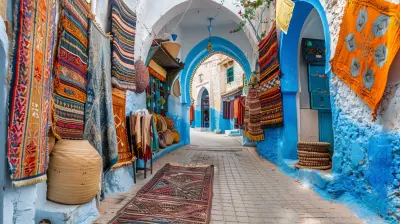
Exploring Community Bonds Through Traditional Ceremonies in 2026
6 October 2026
Travel long enough and you start noticing something odd. The places that stick with you are rarely the ones with the best hotels or the most photographed landmarks. They are the ones where somebody handed you a plate of food and told you to sit down because the ceremony was about to start. That is the real tourism economy of 2026: not sightseeing, but belonging, even if only for an afternoon.
Traditional ceremonies are one of the last honest social technologies we have. They are not performances staged for cameras, although some have drifted that way. At their core, they are structured moments where a community repairs itself, marks time, and reminds everyone who belongs to whom. For travelers, they offer something increasingly rare: a legitimate reason to be in the same room as people whose lives are nothing like yours, doing something that matters to them.
This article is about how to approach those ceremonies in 2026 without ruining them, how communities use them to hold themselves together, and why the tourist version and the real version are often two different events happening on the same day.
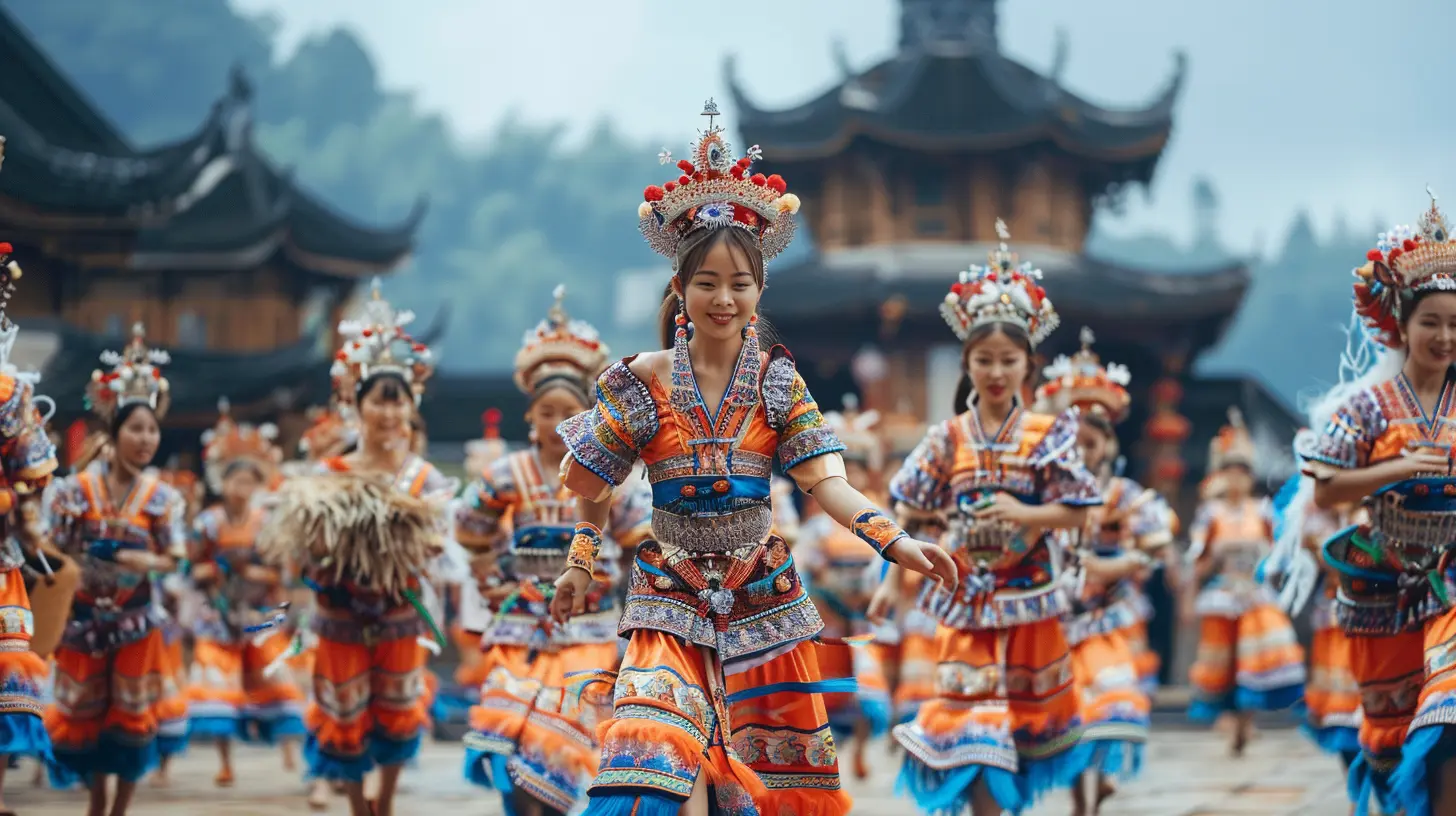
Why Traditional Ceremonies Still Matter in 2026
You might assume that a world of instant translation, remote work, and global streaming would erode local ritual. The opposite has happened in many places. When everything is available everywhere, communities cling harder to the few things that are distinctly theirs. A harvest festival, a coming-of-age rite, a funeral procession, a neighborhood saint's day. These are the moments that say: this specific place, with these specific people, is not interchangeable.There is also a practical function. Ceremonies are how communities distribute obligations. Someone cooks. Someone hosts. Someone plays music. Someone watches the children. Someone remembers the words that nobody wrote down. In small towns, this web of duties is the actual social safety net. You show up for your neighbor's ceremony because one day you will need them to show up for yours.
For visitors, this matters because it explains the stakes. You are not watching a show. You are walking into a system of mutual debt that has been running for generations. Understanding that changes how you behave.
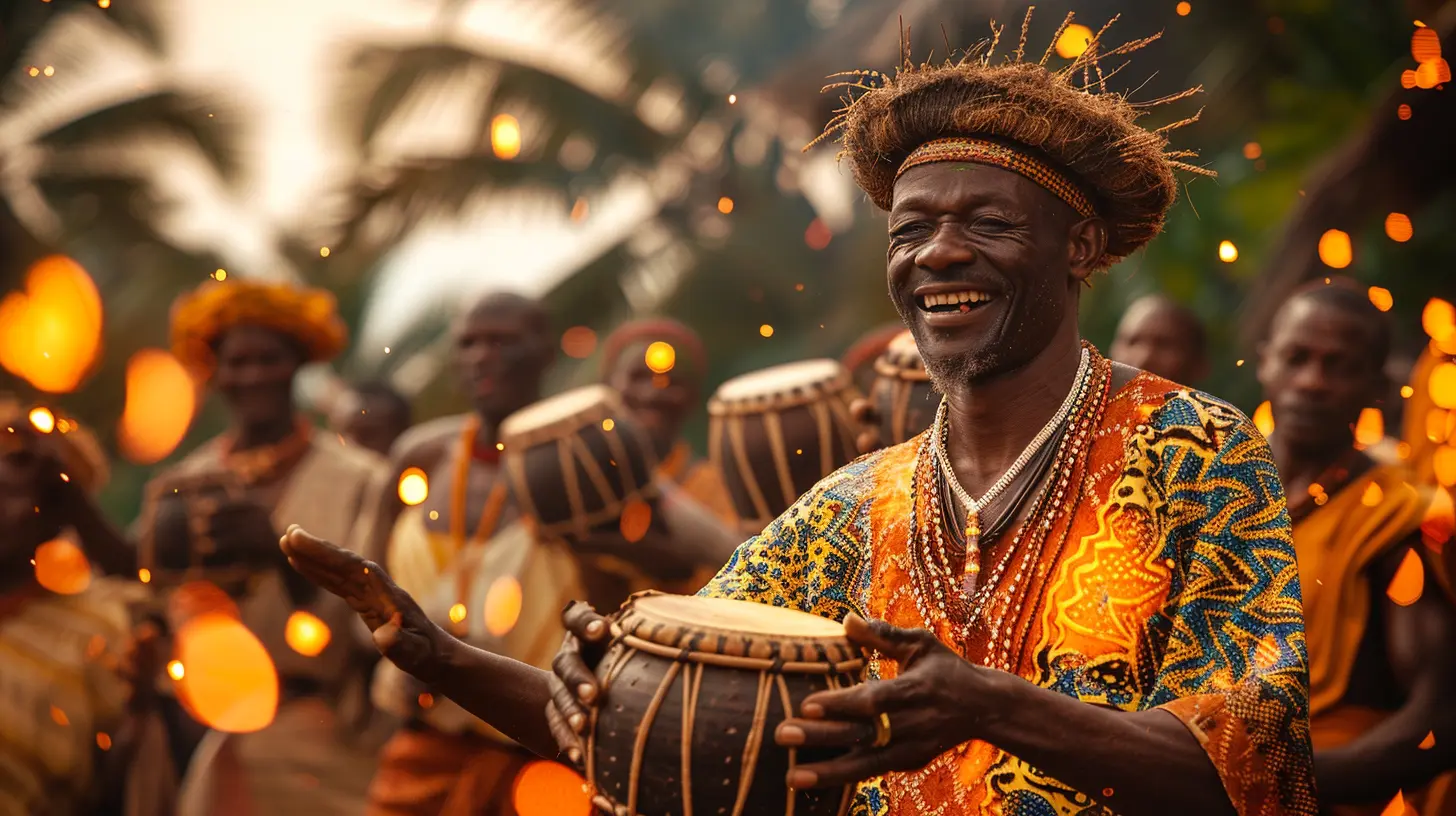
The Difference Between a Ceremony and a Show
This is the single most important distinction in this entire article. Get it wrong and you will spend your trip attending polished events that feel hollow, wondering why nothing moved you.A ceremony is for the community. Outsiders may be tolerated, welcomed, or even celebrated, but the event does not exist for them. It happens whether or not anyone visits. It would happen if every tourist on earth stayed home.
A show is for the audience. It may borrow ceremony's clothes, its music, its costumes, but its purpose is to be watched. It runs on a schedule set by ticket sales. It ends when the audience leaves.
Neither is inherently bad. Shows can be excellent, and they can fund the preservation of skills that would otherwise vanish. The mistake is confusing one for the other, or expecting ceremony's emotional weight from a show, or expecting a show's comfort and predictability from a ceremony.
Practical test: ask yourself who would be upset if you did not attend. If the answer is "the ticket office," it is a show. If the answer is "the family hosting," it is a ceremony.
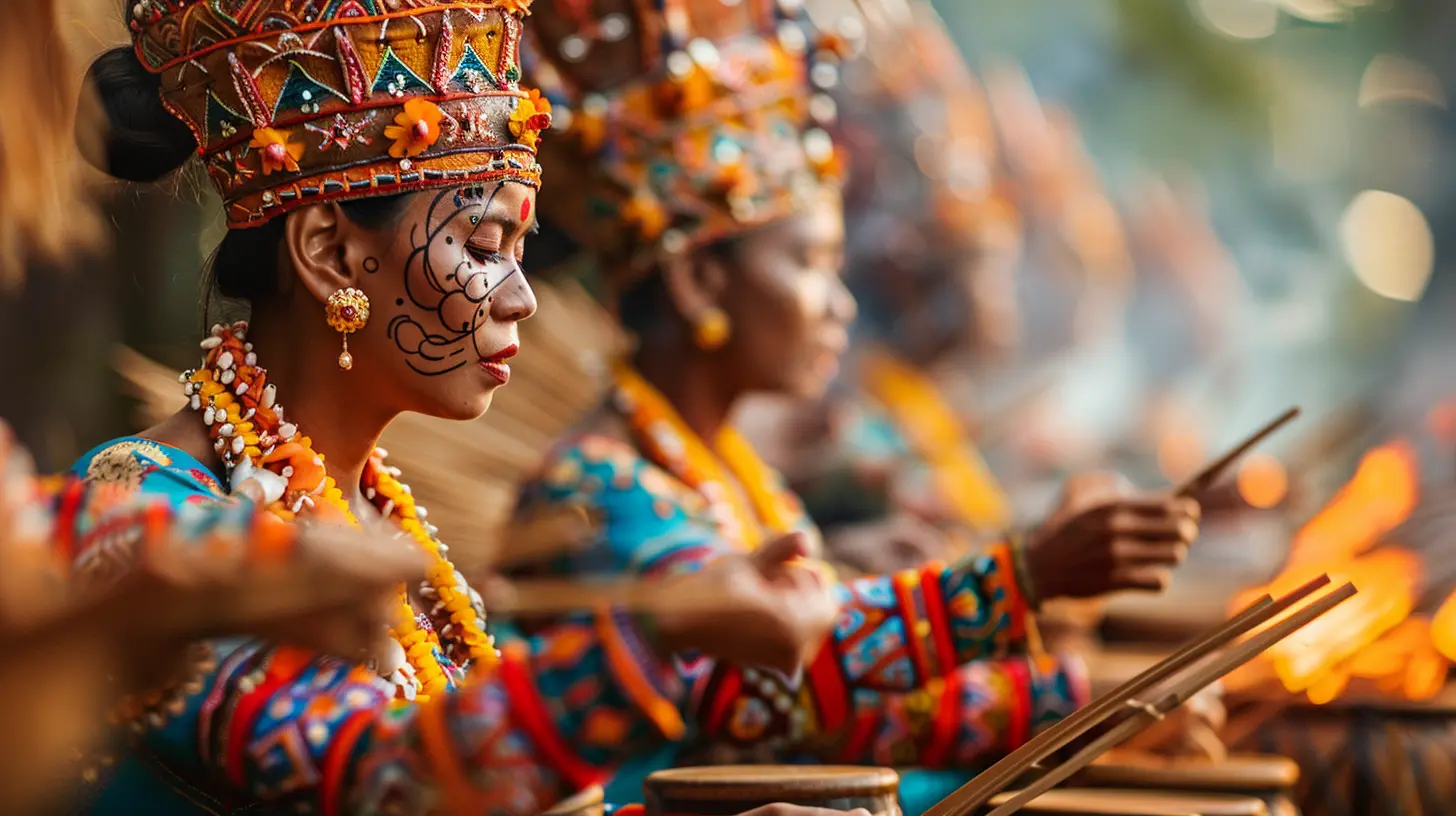
How Communities Actually Use Ceremonies to Hold Together
Marking Transitions
Births, comings of age, marriages, deaths. Every society marks these, but the mechanics differ wildly. In some places, the community formally takes on part of the responsibility for a child. In others, the ceremony transfers authority from one generation to the next in a way that is publicly witnessed and therefore hard to dispute later.Why does public witnessing matter? Because it converts private agreements into shared memory. If fifty people watched you accept a role, you cannot quietly abandon it. The ceremony is not decoration. It is enforcement.
Repairing Friction
Some ceremonies exist specifically to defuse tension. Communal meals after disputes. Ritual apologies. Festivals where normal hierarchies are temporarily inverted and people are allowed to say things they could not otherwise say. These are pressure valves, and societies that lack them tend to find less healthy outlets.For travelers, these are the hardest ceremonies to access, and rightly so. They deal with raw nerves. If you are permitted to be present, stay quiet, stay at the edges, and do not treat anyone's vulnerability as your content.
Reinforcing Reciprocity
Harvest ceremonies, first-fruit rituals, and communal work days all send the same message: we eat because we worked together, and we will work together again. In cash economies, this logic is easy to forget. In ceremony, it is dramatized.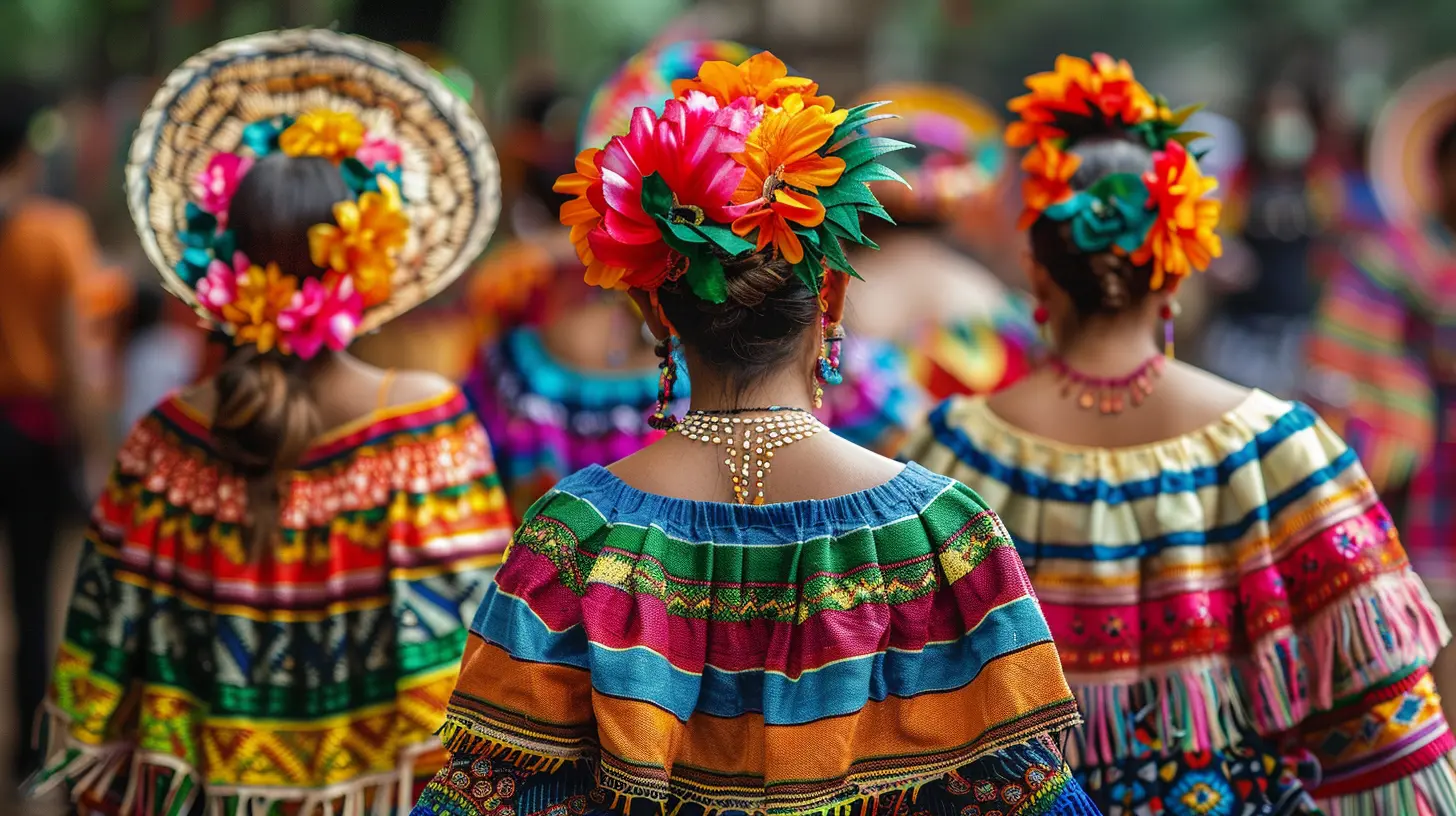
Regional Patterns Worth Understanding
I am not going to pretend there is a single global tradition. There is not. But there are patterns in how different regions handle the outsider question, and knowing them saves you from embarrassing yourself.East and Southeast Asia
Ceremonies here often blend ancestor veneration, seasonal cycles, and community meals. The outsider question is usually answered with hospitality that is genuine but bounded. You may be fed, seated, and included in the visible parts. You will not be included in the parts that concern family lineage or ancestral obligations. That is not rudeness. It is a boundary, and it is reasonable.Timing matters enormously. Many of these ceremonies follow lunar calendars, which means dates shift year to year. Do not assume last year's date applies.
Latin America
Religious festivals often fuse Indigenous and Catholic elements in ways that outsiders find confusing and locals find obvious. The celebration may be simultaneously sacred and raucous. Do not assume the party atmosphere means nobody is taking it seriously. Often the opposite.Africa
This is far too large a continent to summarize, so treat any generalization as a rough starting point only. Many ceremonies here are tied to agricultural cycles, initiations, or lineage. Access varies from open community festivals to strictly closed rites. When in doubt, assume closed until invited.Europe
Many European ceremonies have become heavily touristed, which creates a split. The morning procession may be for locals. The afternoon parade may be for visitors. Both can be worth attending, but they are different experiences. Know which one you are at.North America
Indigenous ceremonies in the United States and Canada are sovereign events, not tourist attractions. Some are open to the public, many are not, and the rules are set by the nations themselves, not by tourism boards. Respect the stated boundaries without negotiating.The 2026 Reality: Overtourism Meets Ceremony
Here is the uncomfortable truth. The same forces that make ceremonies appealing to travelers, their authenticity, their rootedness, their resistance to mass production, are exactly what makes them vulnerable to being destroyed by tourism.Three things are happening at once.
First, some ceremonies are being stretched to accommodate visitor demand. A ritual that once took place in a family home now happens in a hall with seating. That is not automatically bad, but it changes the emotional temperature.
Second, some communities are choosing to close ceremonies entirely. You will find more "locals only" signs in 2026 than you would have a decade ago. This is a rational response to being treated as scenery.
Third, a middle path is emerging: community-controlled tourism where the community decides what is shared, when, and under what conditions. This is the model worth supporting, and it is worth seeking out deliberately.
Practical Advice for Attending a Ceremony Respectfully
Before You Go
Ask who benefits from your presence. If the answer is unclear, dig. A community-run tourism office is a good sign. A random online booking platform with no community contact is a warning.Ask what you should wear. This is not a trivial question. In many ceremonies, covering your shoulders or removing your shoes is not optional. Getting this wrong can cause genuine offense.
Ask whether photography is allowed. Assume it is not until told otherwise. The default in 2026 should be: put the phone away.
Ask what you should bring. Sometimes the answer is nothing. Sometimes it is a small gift, food, or a contribution. Offering cash directly can be awkward in some contexts and expected in others. Ask first.
While You Are There
Follow the crowd. If everyone stands, stand. If everyone is silent, be silent. Do not try to lead.Do not touch anything sacred. This sounds obvious. People still do it.
Do not interview people mid-ceremony. They are busy. If you want to understand something, ask afterward, and accept "I would rather not explain that" as a complete answer.
Do not treat children as photo props. They are not.
Afterward
Send a thank-you if you have a contact. If you promised to share photos, share them. If you were told something in confidence, keep it.Leave a review only if the community has invited feedback. Otherwise, your experience is yours to keep.
Common Mistakes Travelers Make
Mistake one: assuming welcome means unlimited access. Hospitality is not the same as permission to go everywhere and ask anything.Mistake two: treating the ceremony as a photo opportunity. The images you take may circulate forever. The people in them live there.
Mistake three: comparing traditions. "This is just like the festival we have back home" is almost never well received. It flattens something specific into something generic.
Mistake four: showing up without an invitation to a closed event. If a ceremony is described as private, it is private. Do not test the boundary.
Mistake five: expecting to be taught. You are not owed an explanation of someone else's spiritual life.
When to Skip a Ceremony
Not every ceremony is for you, and recognizing that is a sign of maturity, not cowardice.Skip it if the only available version is a heavily staged performance and you were hoping for the real thing. Skip it if you are exhausted, hungover, or in a bad mood, because your presence will be felt. Skip it if you cannot commit to the rules. Skip it if you are only going to check a box.
Skipping is not a failure. It is a choice that leaves room for the people for whom the ceremony actually matters.
The Economics Nobody Wants to Discuss
Ceremonies cost money. Food, materials, travel for relatives, time off work. In many communities, the cost of maintaining a tradition is rising faster than local incomes.This creates a genuine tension. Tourism money can help. It can also corrupt the incentives, turning a ritual into a product and a host into a vendor.
There is no clean answer. But there are better and worse ways to spend your money. Paying a community tourism cooperative directly is better than paying a middleman. Buying local crafts from the makers is better than buying imported souvenirs. Staying longer and spending less per day is often better than a quick, expensive visit.
How to Find Ceremonies Worth Attending in 2026
Start with local tourism offices that are run by the community, not for it. Look for cooperatives, cultural centers, and homestay networks with clear community ownership.Ask at your accommodation, but ask carefully. "Is there anything happening that outsiders are welcome at?" is a better question than "Where can I see a traditional ceremony?"
Look for calendar events tied to agricultural cycles, religious holidays, and local history. These are more likely to be genuine than events invented for tourists.
Accept that the best experiences often come from being in one place long enough that someone invites you. That is not efficient. It is how it works.
A Final Word on Belonging
The reason ceremonies move us is not that they are exotic. It is that they show us something we have lost or never had: a group of people who know exactly where they fit, and who show up for each other on schedule.You will not become part of that by attending. But you can witness it without damaging it. You can be a good guest. You can spend your money in ways that keep the tradition alive rather than hollowing it out. And you can carry back the reminder that community is not a feeling. It is a set of obligations people choose to keep.
That is the real souvenir.
all images in this post were generated using AI tools
Category:
Cultural CelebrationsAuthor:

Shane Monroe