Exploring Global Harvest Festivals in 2026
16 May 2026
Have you ever stopped mid-bite into a slice of pumpkin pie or a warm piece of cornbread and wondered about the party happening halfway across the world for the same reason? That feeling of gratitude for food, that collective sigh of relief after a year of work in the fields - it is a universal language. But the way we throw that party? That is where it gets wild, colorful, and deeply strange.
As we look ahead to 2026, the calendar is packed with these celebrations. They are not just about eating. They are about fire, water, dancing until dawn, and sometimes, throwing tomatoes at strangers. Let me take you on a tour of the planet's most fascinating harvest festivals. We will skip the obvious ones (yes, we know about Thanksgiving) and dig into the ones that will make you want to book a flight immediately.
The Rice Revolution in Bali: Subak and the Water Temples
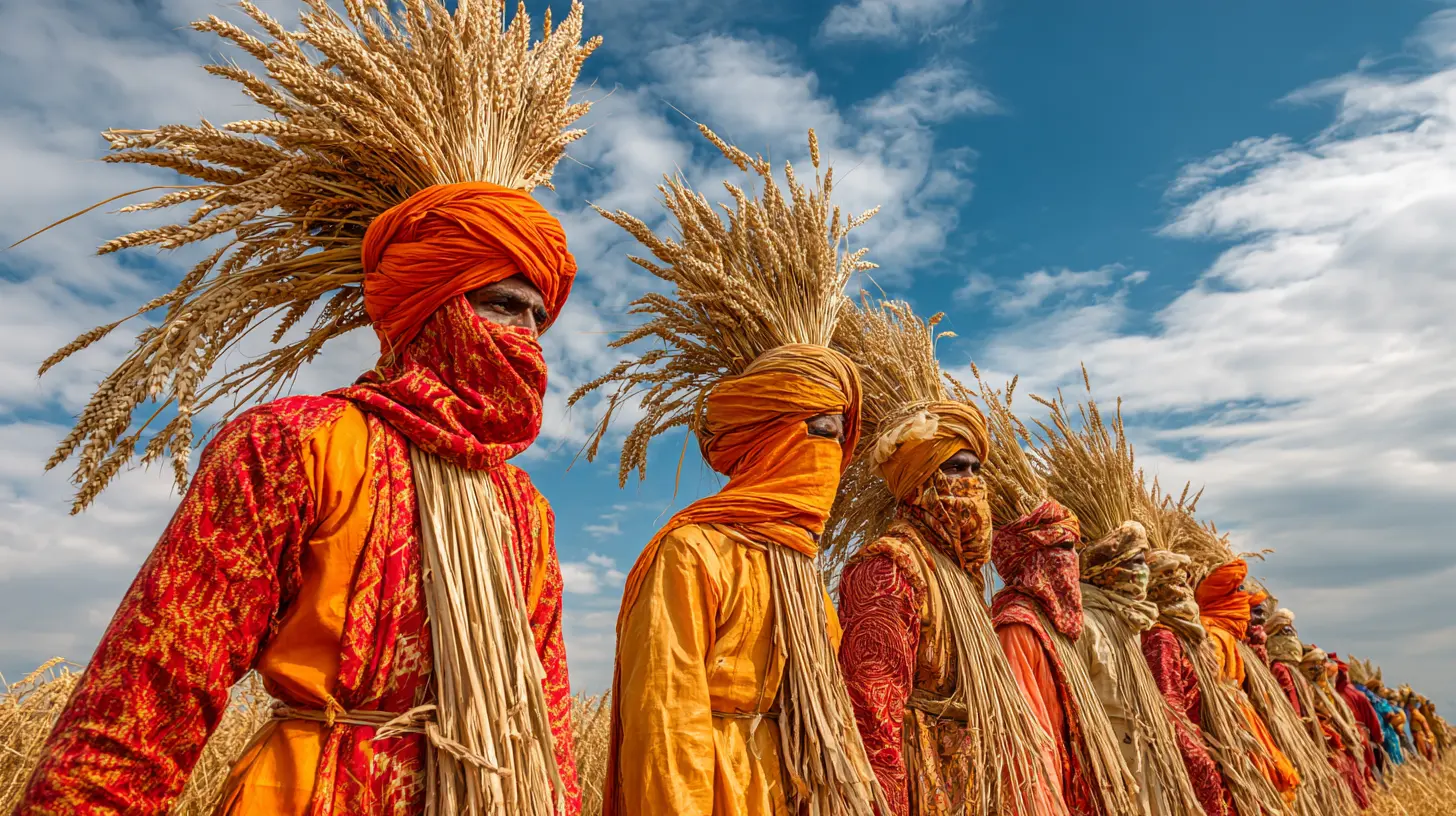
You might think you know the Balinese harvest. You picture rice terraces, right? Those iconic green steps carved into the mountainside. But what if I told you the real festival is not about the rice itself, but about the water that grows it?In 2026, the Subak system - a 1,000-year-old cooperative irrigation network - will host its annual gratitude ceremonies. This is not a single day event. It is a season. The locals believe the water goddess, Dewi Danu, controls the flow from the crater lakes. So, they throw a party for the canals.
Imagine walking through the Tegallalang terraces at dawn. The air smells of wet earth and incense. Farmers in traditional sarongs place small offerings of rice cakes and flowers at the irrigation gates. They are not just praying for a good yield. They are thanking the water itself for moving. It feels like the whole landscape is breathing. If you visit in early 2026, you will see the rice stalks turn golden. The real show happens when the harvest begins. Villagers will carry huge, colorful effigies made of rice stalks down to the sea. It is loud, chaotic, and smells like frying bananas and clove cigarettes. You do not just watch this festival. You get your feet muddy in it.
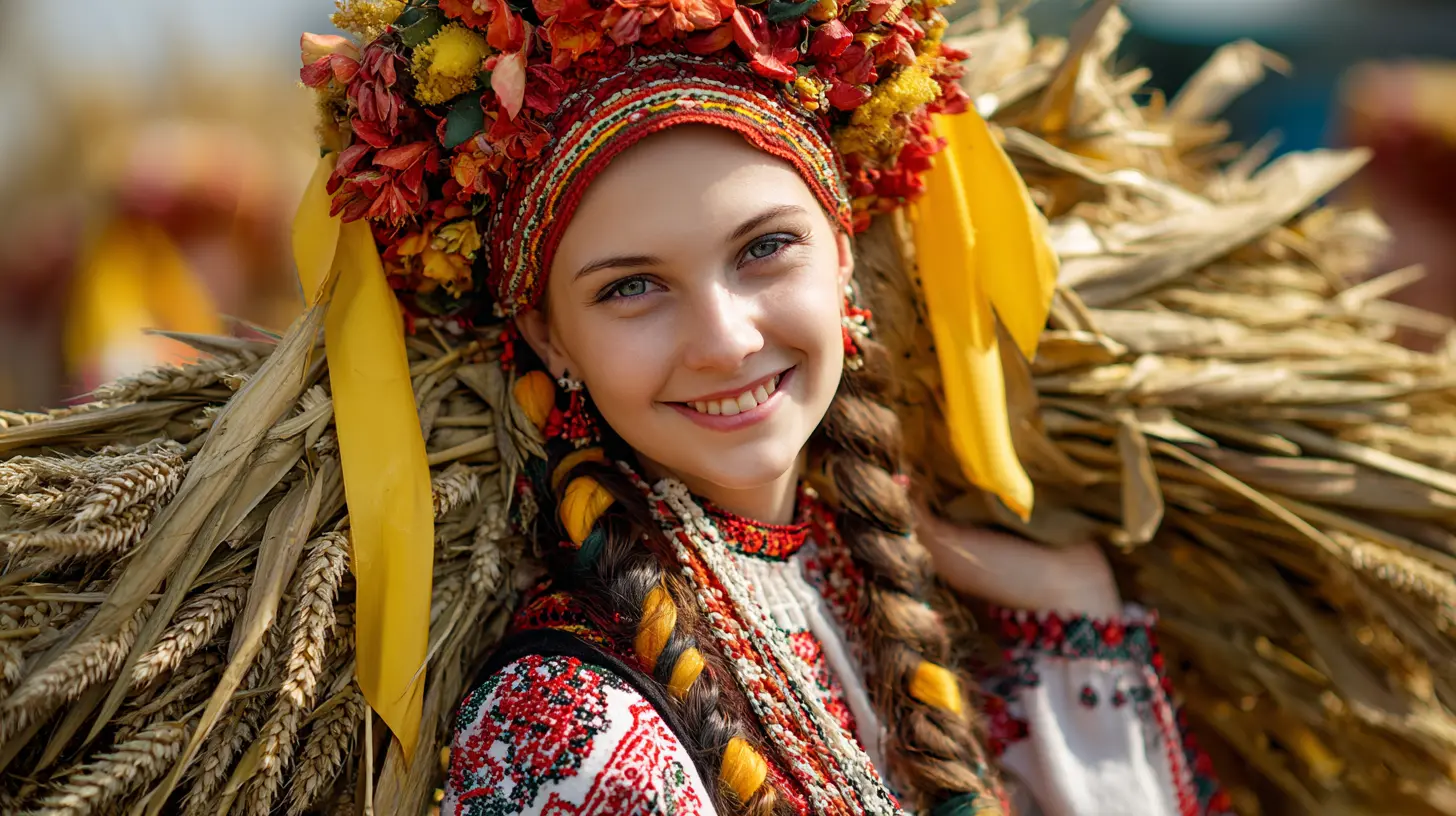
The Grape Stomp in Portugal: Barefoot and Drunk on Tradition
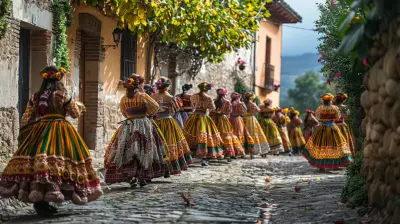
Let us fast forward to September 2026. We are heading to the Douro Valley in Portugal. You have seen the pictures of people stomping grapes in giant stone vats. It looks romantic, right? The truth is, it is a brutal, hilarious, and sticky mess. And that is the point.The local name for this is "pisa a pe" which literally means "foot treading." In 2026, many traditional Quintas (wine estates) will still do it the old way. Why? Because the gentle pressure of a human foot breaks the skins without crushing the bitter seeds. Science, baby.
But the harvest festival here is less about the wine and more about the community. Imagine a group of 20 people, arm in arm, stomping in a circle to the beat of an accordion. Your feet turn purple. Purple stains your ankles, your knees, and somehow your elbows. There is a rhythm to it. You stomp, you laugh, you take a break to drink the wine you are making. It is cyclical insanity.
The best part? The "festa" after. Long wooden tables under the stars. Roasted suckling pig, crusty bread, and jugs of the young wine, which is fizzy and sour. You will look at your purple feet and realize you just made a memory that no photo can capture. You will smell like fermentation for three days. It is worth it.
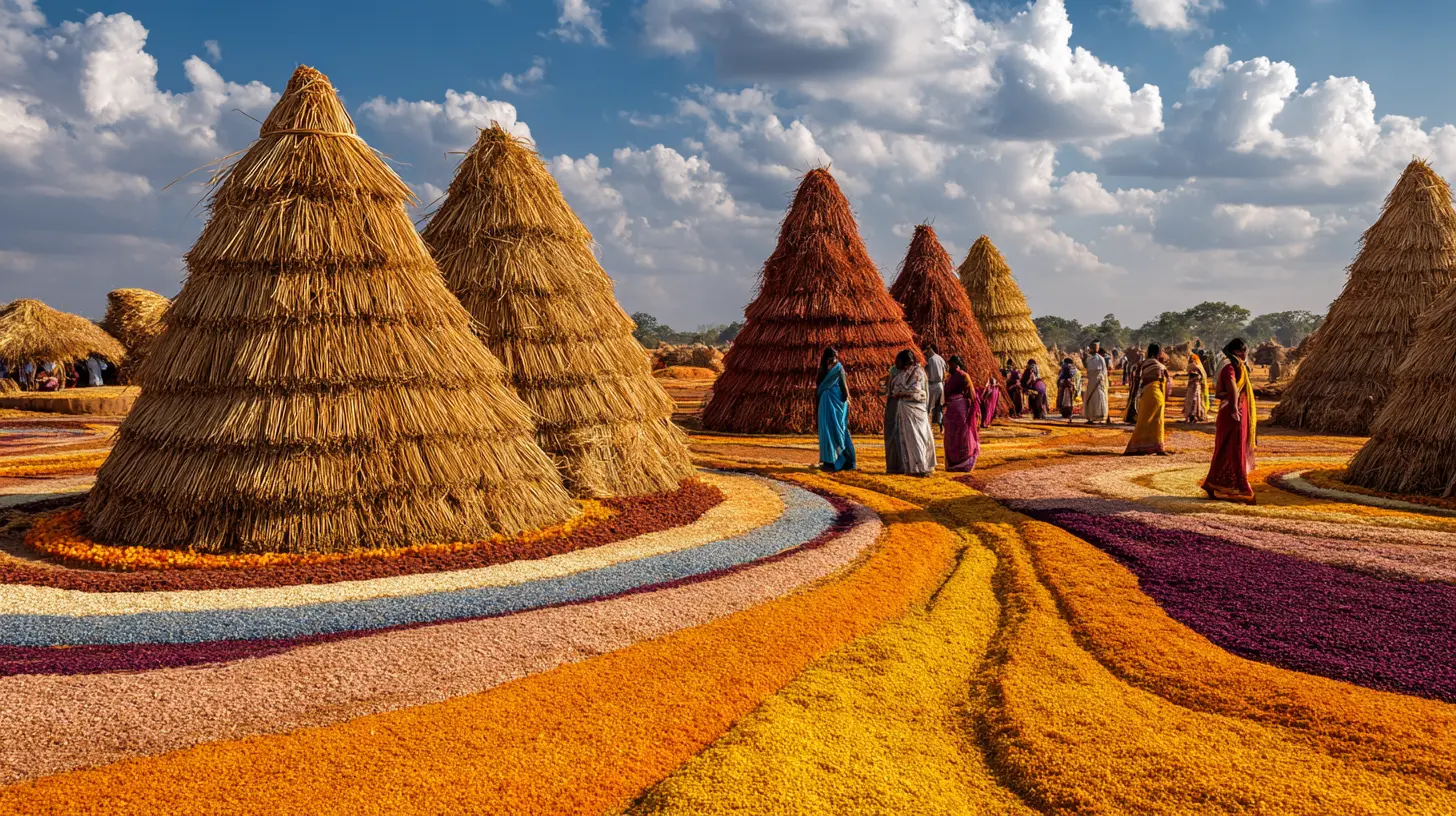
The Yam Festival in Ghana: Dancing with the King
Now, let us jump to the west coast of Africa. November 2026 in the Volta Region of Ghana is not a quiet time. The Yam Festival, or "Asogli Te Za," is a loud, proud, and deeply spiritual event. Yams are not just food here. They are a symbol of life, fertility, and survival. The festival marks the end of the rainy season and the first taste of the new crop.But here is the twist. The chief of the community must eat the first yam before anyone else is allowed to. If he does not, the harvest is considered unlucky. So, picture this: a massive gathering in the chief's palace courtyard. Drums are pounding. Women are wearing kente cloth that looks like woven rainbows. The chief, under a giant umbrella, takes a bite of a boiled yam. The crowd erupts.
Then, the real party starts. People dance in the streets. They wear masks representing ancestors and forest spirits. The energy is electric. You will see young men performing acrobatic dances that look like they are defying gravity. You will eat fufu (pounded yam) with your hands, dipping it into a spicy peanut soup. It is messy, communal, and completely unpretentious. You are not a tourist here. You are a guest at a family table that stretches for miles.
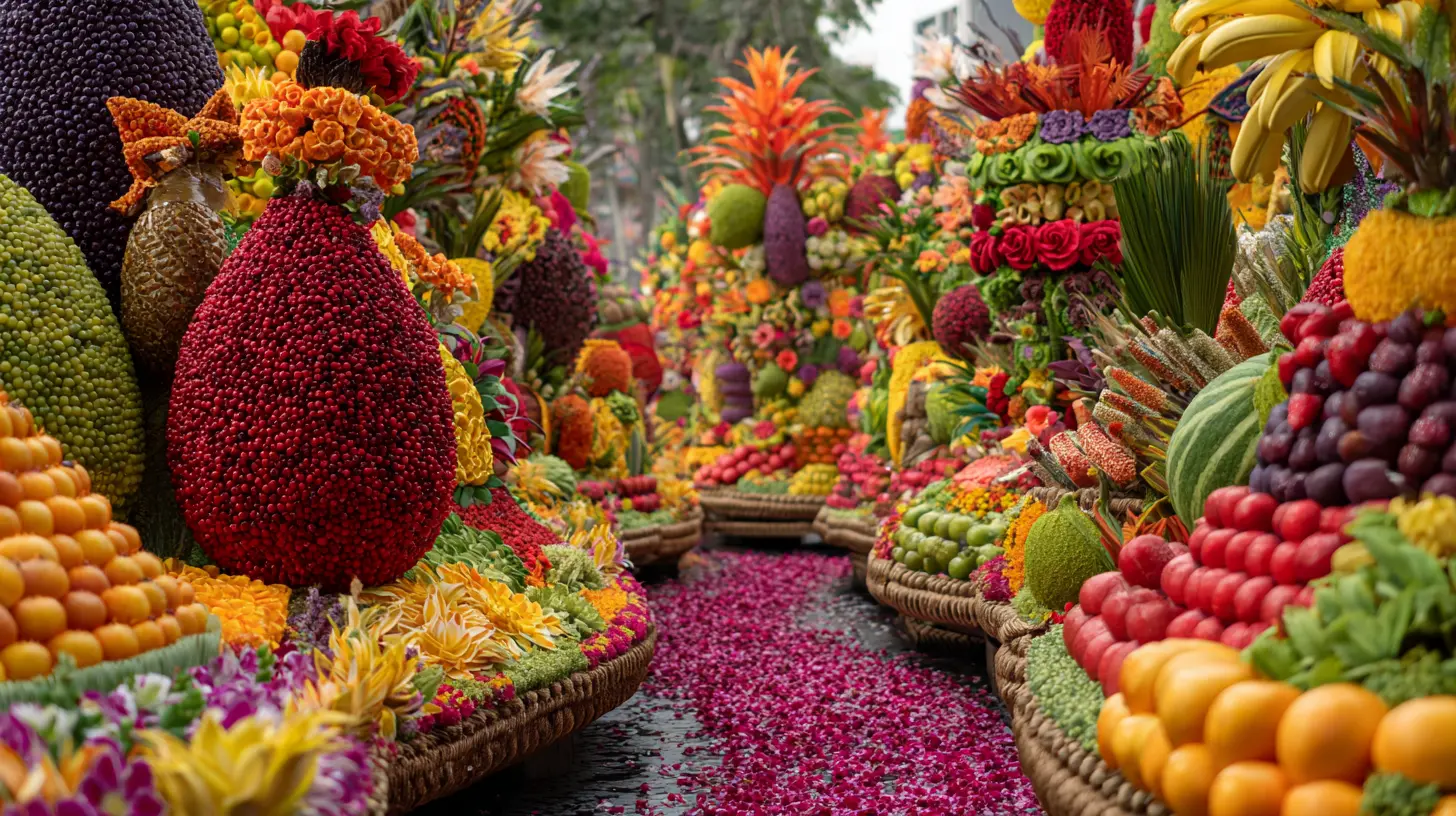
The Moon Festival in Vietnam: Lanterns, Mooncakes, and a Carp
Let us slow down for a moment. We are going to Vietnam in late September 2026 for the Mid-Autumn Festival, or Tet Trung Thu. In the West, we think of harvest festivals as adult affairs - wine, beer, and turkey. But in Vietnam, this is a holiday for children. And that makes it magical.The story goes that a carp spirit wanted to become a dragon. The Jade Emperor rewarded its determination by turning it into a dragon. So now, children parade with paper lanterns shaped like carp, stars, and moons. The streets glow like a river of fireflies.
But the real star is the mooncake. These are dense, round pastries filled with lotus seed paste, salted egg yolk (which represents the moon), and sometimes pork floss. They are heavy. They are sweet. You eat them with green tea at midnight while staring at the full moon.
In 2026, the biggest celebration will be in Hoi An. The ancient town turns off all electric lights. Thousands of candles and lanterns float down the Thu Bon River. You can buy a small paper boat, light a candle in it, make a wish, and set it free. It is quiet, intimate, and feels like a secret. It is a harvest festival that does not ask you to shout. It asks you to whisper.
The Pongal Harvest in South India: Boiling Over with Gratitude
January 2026. The sun is moving into the Capricorn zodiac. In Tamil Nadu, India, this means Pongal. The name literally means "to boil over." And that is exactly what happens.This is a four-day festival. Day one is for cleaning and burning old things. Day two is the main event. People cook a pot of rice and milk in the open air. They let it boil over the sides of the clay pot. Why? Because the overflowing pot symbolizes abundance. It is a visual prayer for "more."
You will see women in bright silk sarees shouting "Pongalo Pongal!" as the milk spills. It is joyful chaos. Then, they add jaggery (unrefined sugar), cardamom, and cashews. The result is a sweet, sticky porridge called Sakkarai Pongal. You eat it on a banana leaf.
The third day is for the cows. In 2026, expect to see cattle decorated with bells, garlands, and painted horns. They are walked through the streets as the community thanks them for plowing the fields. The fourth day is a picnic day. Families travel, visit each other, and feast. It is a harvest festival that wraps gratitude, family, and food into one big, boiling pot.
The Loi Krathong in Thailand: Letting Go of the Old
November 2026. The full moon of the 12th lunar month. Thailand holds its breath. Loi Krathong is often called the "Festival of Lights," but it is a harvest festival at its core. It marks the end of the rainy season and the rice harvest. The rivers are full. The rice is in the barns.You make a krathong - a small, floating basket made from banana leaves, flowers, a candle, and three incense sticks. You light them. You make a wish. You push it into the river. The whole river becomes a moving carpet of light.
But here is the deeper meaning. The krathong carries away your anger, your bad luck, and your grudges from the past year. It is a harvest of the soul. You are letting go of the old crop to make room for the new one.
In 2026, the best place to see this is not Bangkok. Go to Chiang Mai. The city also celebrates Yi Peng, releasing thousands of lanterns into the sky simultaneously. Imagine being surrounded by floating fire. The sky looks like a galaxy has fallen to earth. It is humbling. You will cry. I am not kidding.
The Olive Harvest in Crete: A Family Affair
October 2026. Greece. The olive trees on Crete are ancient. Some are over 2,000 years old. They have seen empires rise and fall. And every year, the families come back to shake them.This is not a flashy festival. There are no parades. No giant floats. It is a working harvest. You will be handed a long pole and a tarp. You hit the branches. Olives rain down. It sounds like hail. You collect them in sacks. Then, you drive them to the local press.
The festival is the meal afterward. Think rustic bread, fresh olive oil (green and peppery), wild greens, and lamb slow-cooked in a wood-fired oven. The wine is homemade and strong. The conversation is loud. Grandparents tell stories about the same trees from their childhood.
In 2026, many farms offer "harvest stays." You work for a day, you eat for a night. It is the most honest travel experience you can have. You will never look at a bottle of olive oil the same way again.
The Harvest of the Dead in Mexico: Día de los Muertos
Wait. Is Day of the Dead a harvest festival? Yes. Think about it. November 1st and 2nd. The corn harvest is done. The marigolds are in full bloom. The Aztecs believed that the goddess Mictecacihuatl watched over the bones of the dead, and the harvest was a time to welcome them back.In 2026, this is the most visually stunning harvest festival on the list. It is not sad. It is a reunion. Families build altars in their homes and in cemeteries. They put out the favorite foods of their ancestors. Tamales, mole, pan de muerto (bread of the dead), and sugar skulls.
The smell of copal incense fills the air. The streets are covered in orange marigold petals. People paint their faces like skeletons. They dance. They eat. They play music.
The harvest here is not of grain. It is of memory. You are harvesting the stories of those who came before you. It is a reminder that the dead are not gone. They are just in the next room. And they are hungry.
Why You Should Plan Your 2026 Around These
Let me be honest with you. We live in a world that moves too fast. We buy food wrapped in plastic. We never see the dirt. We never touch the plant that feeds us.These harvest festivals force you to slow down. They force you to touch the earth. They force you to share a meal with strangers who will become friends. In 2026, the world will still be spinning fast. But you can choose to step off the ride for a moment.
You can stomp grapes in Portugal. You can float a lantern in Thailand. You can boil milk in India. You can eat a mooncake under a full moon in Vietnam.
These are not vacations. They are pilgrimages. They are a chance to taste the world, literally and figuratively. So, start looking at flights. Check the lunar calendar. Pack comfortable shoes and an empty stomach. The harvest is waiting.
all images in this post were generated using AI tools
Category:
Cultural CelebrationsAuthor:

Shane Monroe
Discussion
rate this article
1 comments
Ace McKinney
Can't wait to experience these vibrant celebrations!
June 5, 2026 at 4:43 AM
Shane Monroe
I'm excited for you to dive into the festivities! It's going to be an unforgettable experience.