Exploring Turkey’s Ancient History and Coastline by Road
6 November 2026
Planning a trip that combines jaw-dropping history, stunning coastline, mouth-watering food, and the freedom of the open road? Then buckle up. Turkey’s got all of those packed into one unforgettable journey. Imagine driving along the Aegean and Mediterranean, windows down, sea breeze in your hair, and every few hours—bam!—you arrive at an ancient ruin that’s older than most countries.
Whether you’re a history buff, a beach lover, or just someone craving an off-the-beaten-path adventure, a road trip through Turkey might just be your next favorite escape. Let’s dive into how you can experience Turkey’s ancient history and coastline like never before—by road.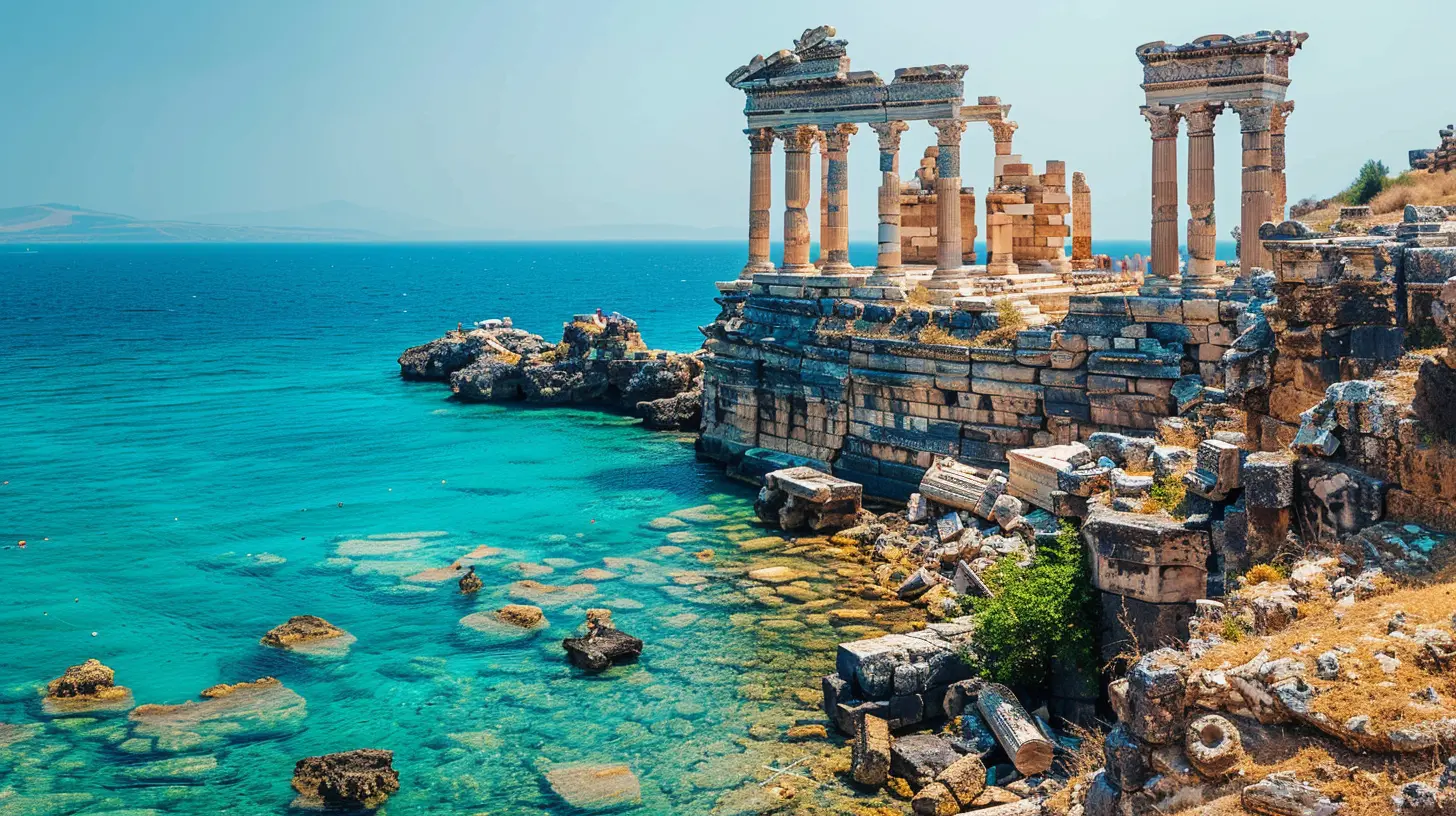
Why Turkey Is Perfect for a Road Trip
Let’s be real for a second. Most people think of Turkey and immediately imagine Istanbul’s skyline or the hot-air balloons drifting over Cappadocia. But if you head southwest, the country morphs into a wild blend of ancient ruins, turquoise beaches, forested mountain roads, and sleepy coastal towns.Turkey is huge—seriously, it spans two continents. And when you're behind the wheel, you get access to tiny towns and hidden ruins that tour buses just can’t reach. Plus, the roads are in surprisingly good shape, fuel is widely available, and Turkish hospitality? Next level. You might stop for tea and end up sharing lunch with a local family before the car even cools down.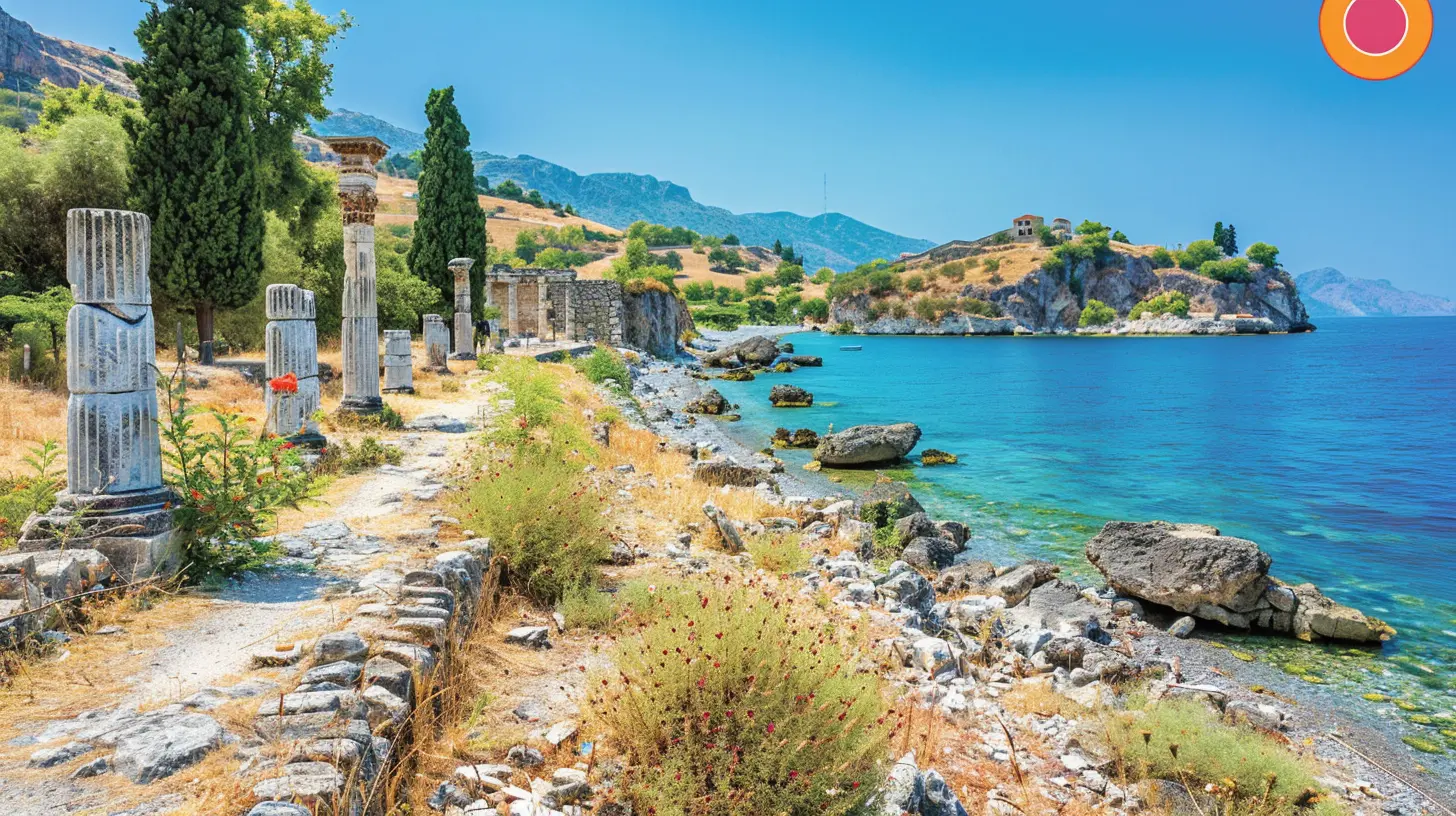
Best Time to Hit the Road in Turkey
You’ll want to avoid the crazy summer heat (and crowds) of July and August. Instead, aim for shoulder seasons—April to June or September to early November are golden. The weather’s just right, the sea’s still swimmable, and you’ll have more breathing room at the popular historic sites.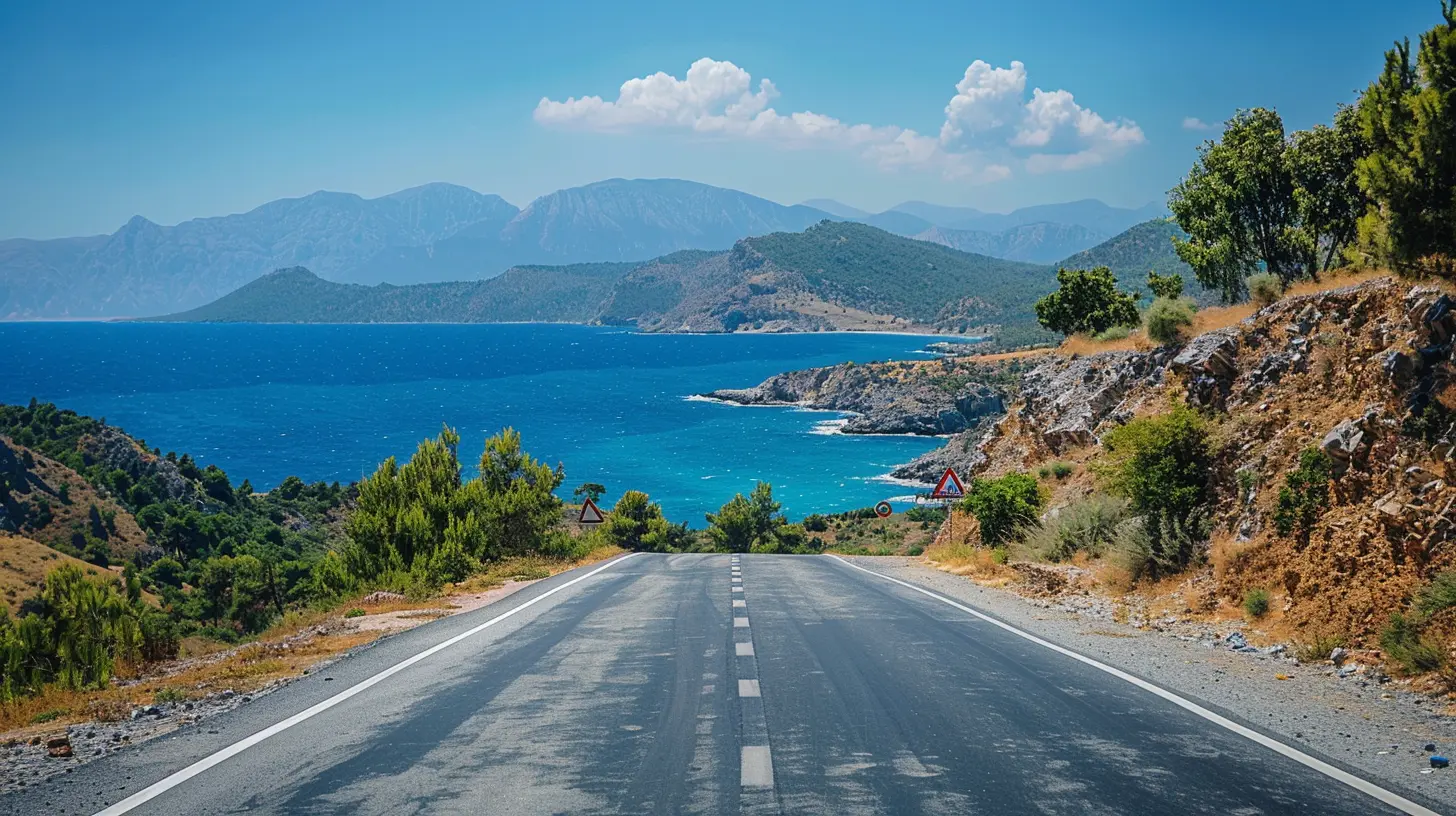
Essential Tips Before You Drive
- Rent a car at major airports. Start from Istanbul or Izmir and plan your route along the coast.- Have offline maps. Mobile data might fail you in rural spots.
- Toll roads exist. You’ll need an HGS sticker for highways. Most rentals come with it.
- Carry cash. Especially in small towns and for buying roadside goodies like olives and dried figs.
- Don’t rush it. There’s a ruin or a beach around every corner.
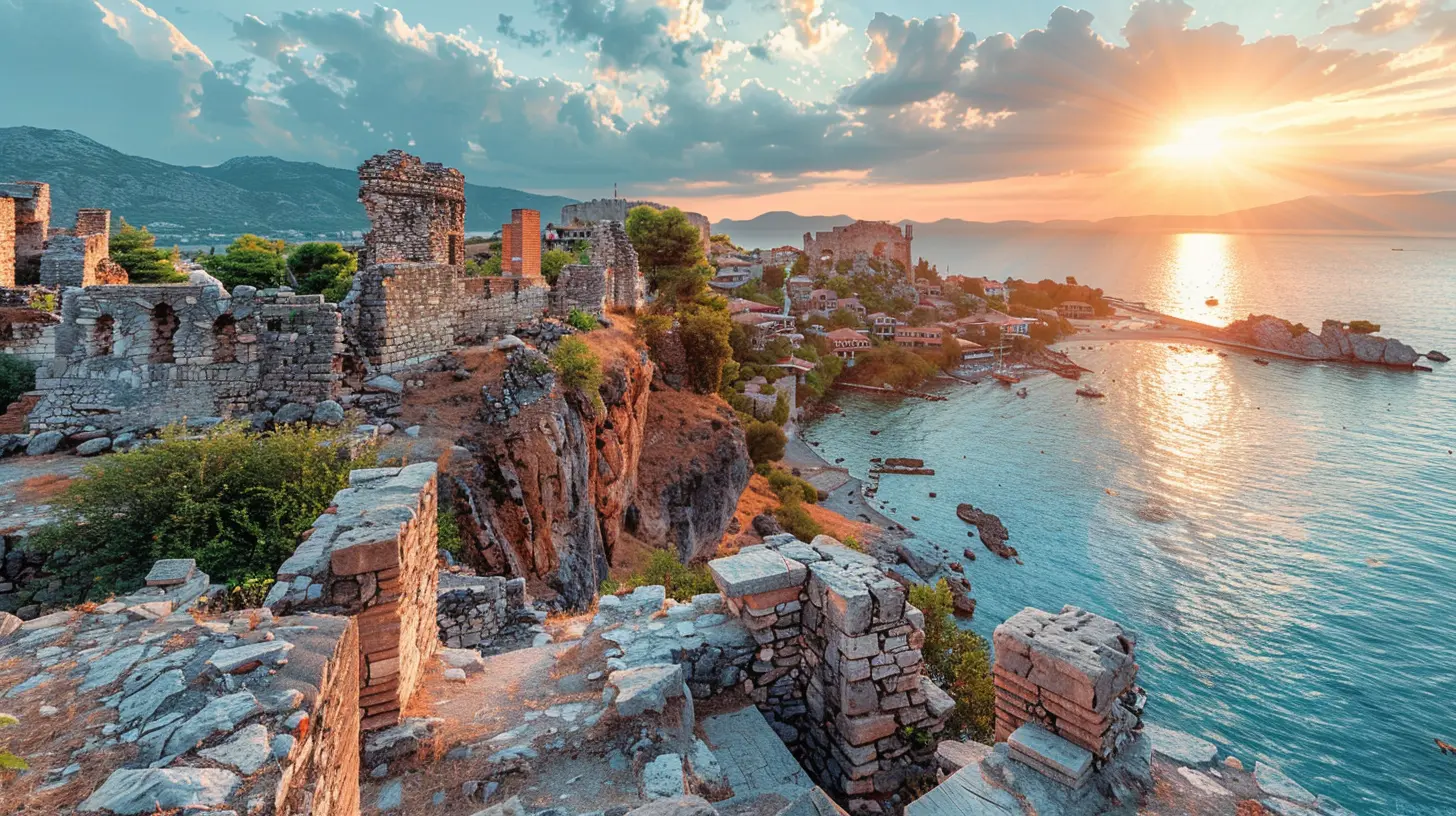
Route Overview: From Aegean to the Turquoise Coast
Let’s break down the road trip from west to south—across the Aegean coastline and onto the famed Turquoise Coast. This stretch covers ancient cities like Troy, Ephesus, and Xanthos, while giving you access to some of the most dazzling beaches on the planet.1. Istanbul – The Historic Launchpad
Even if you’ve been before, spending a day or two in Istanbul is a must. Walk through the layers of history at Hagia Sophia, the Blue Mosque, and Topkapi Palace. Sip Turkish coffee in the Grand Bazaar while plotting your adventure. Once you're ready, head southwest, and the real road trip begins.2. Gallipoli & Troy – The Myths Come Alive
Drive about five hours to reach Gallipoli, a place steeped in both ancient and modern history. It's somber, powerful, and a significant stop for those interested in WWI history.Cross the Dardanelles Strait by ferry and you’re at the legendary city of Troy. Yep, the one from the Iliad. While the giant wooden horse is a bit kitschy, the layered ruins dating back over 3,000 years are mind-blowing. Hard to believe this once-mighty city was lost for centuries under farmland.
3. Bergama and Pergamon – Ancient Acropolis in the Sky
Heading south, you’ll stumble into Bergama, home of the ancient city of Pergamon. Picture this: a dramatic hilltop acropolis with sweeping views of the plains below. The library here was once second only to Alexandria. It's less crowded than Ephesus, which makes wandering the marble ruins even more special.4. Ephesus – The Star of the Show
If there’s one archaeological site that’ll knock your socks off, it’s Ephesus. Just outside modern-day Selçuk, this place is pure magic. The massive Library of Celsus, the 24,000-seat theater, and ancient roads lined with marble columns will make you feel like you've stepped back into Roman times.Pro tip: get there early in the morning to beat the tour buses and catch that golden sunlight over the library façade. You won’t regret it.
5. Pamukkale – Hot Springs and a City in the Clouds
Okay, yes, it’s inland. But it’s totally worth the 3-hour detour. Pamukkale looks like a snowy mountain, but it's actually terraces of white calcium filled with warm, blue water. Above it sits the ruins of Hierapolis, a Greco-Roman spa city. You can swim in the ancient Cleopatra’s Pool, complete with submerged columns.It’s a surreal experience—kind of like soaking in an infinity pool designed by ancient architects.
6. Fethiye – Welcome to the Turquoise Coast
Back to the coast! Fethiye is where the mountains meet the sea, and it's got something for everyone: cliffside tombs, paragliding off Babadağ Mountain, and the stunning Oludeniz Beach.Want a dose of history? Drive to Tlos, an ancient Lycian city perched on a hill with killer views. Want to relax with a rosé by the water? Head to Butterfly Valley by boat.
7. Kas – Bohemian Vibes and Sunken Cities
Driving the winding coastal road from Fethiye to Kas feels like you’re starring in your own indie road movie. Every turn reveals a new cove or cliff or secret beach.Kas (pronounced "Kash") is laid-back, with whitewashed houses, hilly streets, and a cool yachtie vibe. Just offshore is Kekova, where you can kayak over sunken ruins from an ancient Lycian city. It’s eerie and exhilarating all at once.
8. Antalya – Where History and Beach Life Collide
Cruise a few more hours east and you’ll reach Antalya—a mix of cosmopolitan resort city and ancient settlement. The Old Town (Kaleiçi) feels like a maze of ottoman houses, boutique hotels, and charming cafés.And don’t skip Perge or Aspendos. The latter has the best-preserved Roman theater in the world, still used for concerts today. Seriously, the acoustics are nuts—you can whisper on stage and hear it at the top row.
Bonus Detour: Mount Olympos and Cirali
If you want to end your trip with something a bit quirky, head to Cirali and the ruins of Olympos. This little village is famous for its wooden treehouse hotels (yes, really) and the mystical Chimaera flames—natural gas fires that burn from rocks on the mountainside. Hike up at night and it feels like you’re visiting a dragon’s den.Food on the Road – Culinary Delights Worth Pulling Over For
Let’s talk food. Turkish cuisine is made for road trippers. Think roadside gözleme (stuffed flatbread) hot off the griddle, fresh grilled fish by the sea, and juicy peaches from village markets.Every region has its specialty. In Izmir, try boyoz with tea. In Antalya, go for piyaz (a white bean salad). And for dessert? Local baklava or gooey kunefe never disappoints. Oh, and don't forget to sample lokum (Turkish delight)—because you're in Turkey, and it's basically the law.
Staying Local – Where to Sleep Along the Way
Turkey shines with boutique, family-run hotels. Skip the chains. Go for:- Restored stone houses in Selçuk
- Coastal pensions in Kas
- Cave-style bungalows in Olympos
Most hosts are insanely hospitable and eager to share local tips—and probably a cup of tea, too.
Final Thoughts: Turkey by Road Is the Ultimate Adventure
A road trip through Turkey’s ancient history and coastline is more than just a vacation—it’s like flipping through the pages of a living history book while soaking up insanely beautiful beach scenery. You’ll find ruins older than time, eat like royalty, and meet people who greet you like you’re family.Sure, you could zip through on a guided tour, but where’s the fun in that? With a car, a map, and a spirit for adventure, Turkey unfolds like a dream—one ancient site and coastal gem at a time.
So, what are you waiting for? Set that GPS, fill up the tank, and start chasing history down the Turkish Riviera.
all images in this post were generated using AI tools
Category:
Road Trip RoutesAuthor:

Shane Monroe