Famous Indigenous Celebrations to Attend in 2026
18 May 2026
You know that feeling when you stumble into a party where everyone knows the songs, the food smells like someone's grandma is in the back cooking with love, and the whole vibe just wraps around you like a warm blanket? That's what attending an Indigenous celebration feels like. It's not just a tourist attraction. It's a living, breathing piece of history that's been passed down through generations, and in 2026, you have a golden ticket to witness some of the most powerful cultural events on the planet.
I've been lucky enough to attend a few of these over the years, and let me tell you, they change you. Not in a cheesy, "I found myself" way, but in a real, grounded way. You walk away with a deeper respect for the land beneath your feet and the people who have cared for it long before any of us showed up. So, if you're planning your travel calendar for 2026, put these celebrations on your list. You won't just be a spectator. You'll be a guest.
Why 2026 Is the Perfect Year to Dive In
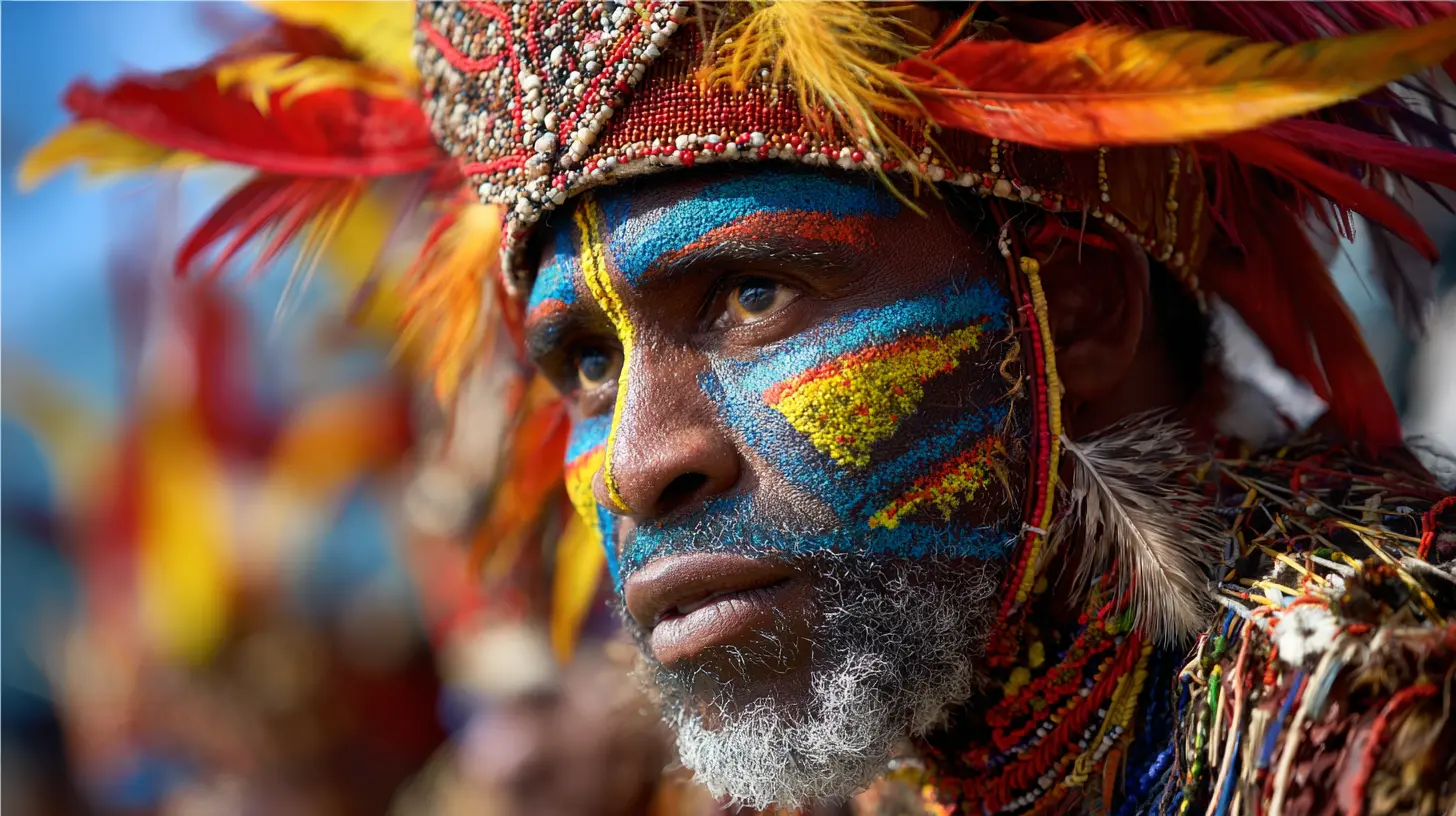
Let's be real for a second. The world feels a little chaotic sometimes. We're all looking for something authentic, something that isn't manufactured for likes on social media. Indigenous celebrations offer that raw, unfiltered connection. 2026 is shaping up to be a big year for cultural tourism because more communities are opening their doors to respectful visitors. They want to share their stories, their dances, and their traditions with people who genuinely care.Plus, many of these events happen annually, but the timing in 2026 aligns with significant celestial events, anniversaries of treaty signings, or simply the perfect weather windows. Think of it like catching a wave at just the right moment. You don't want to miss it.
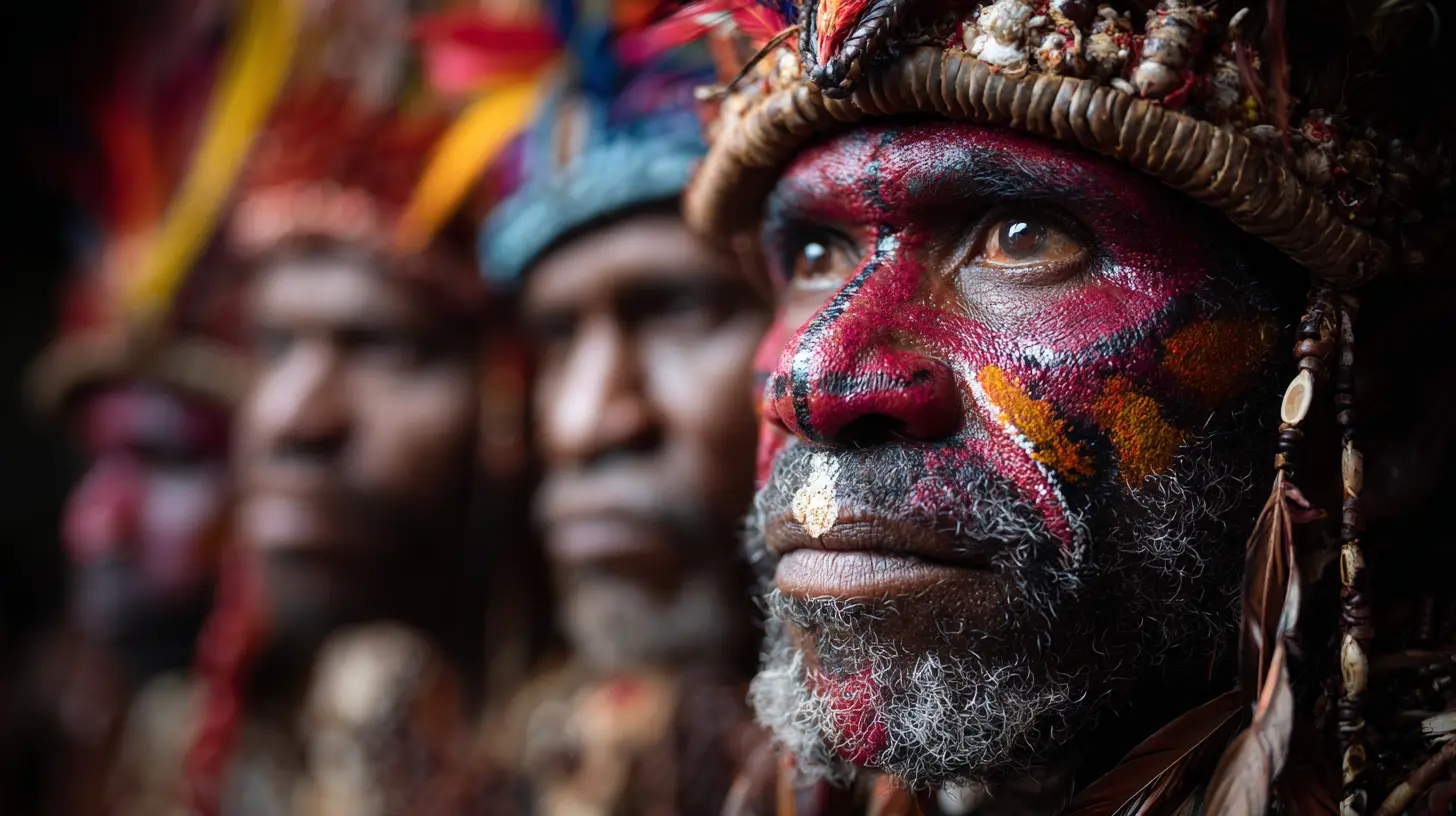
Powwow Power: The Heartbeat of North America
If you've never been to a powwow, you're missing out on one of the loudest, most colorful, and most joyful gatherings you'll ever experience. Imagine a stadium filled with the sound of drums that feel like they're pounding right inside your chest. Dancers in regalia that sparkles with thousands of beads and feathers move in circles that have been danced for centuries. It's hypnotic.Gathering of Nations (New Mexico, USA)
This is the big one. The Super Bowl of powwows. Held annually in Albuquerque, the Gathering of Nations draws thousands of dancers and singers from over 500 tribes across North America. In 2026, it usually happens in late April. You'll see everything from the fancy shawl dance, which is like watching butterflies on caffeine, to the men's grass dance, where the fringe on their outfits sways like tall prairie grass in the wind.Don't just show up for the grand entry. That's the highlight, sure, but stick around for the intertribal dances. That's where the announcer invites everyone to join the circle. Visitors are welcome to participate respectfully. You don't have to know the steps. Just follow the person in front of you and feel the rhythm. It's like being part of a giant, moving family.
Treaty Days Celebrations (Across Canada)
Up north, in Canada, many First Nations communities celebrate Treaty Days in the summer. These are more than just parties. They commemorate the signing of historical treaties between Indigenous nations and the Crown. In 2026, check out the celebrations in places like Saskatchewan or Manitoba. You'll get a mix of traditional ceremonies, rodeos, pancake breakfasts, and fireworks.The best part? The community spirit. Everyone is welcome. You might find yourself sitting next to an elder who tells you stories about the land while you both eat fry bread with jam. It's informal, it's messy, and it's absolutely beautiful.
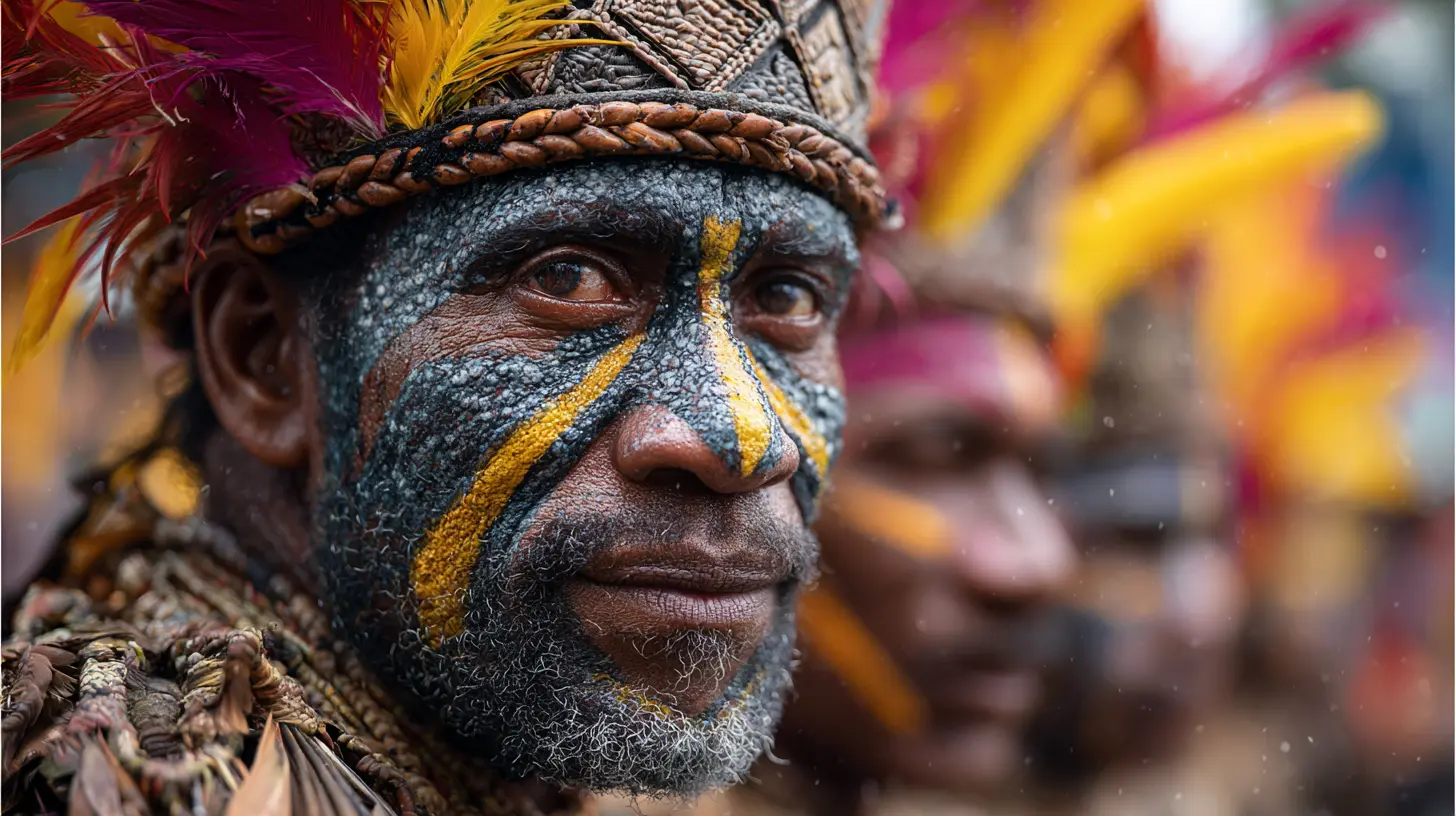
The Ancient Echoes of the Andes
Now, let's head south. The Indigenous cultures of the Andes mountains, particularly in Peru and Bolivia, have celebrations that are deeply tied to the earth and the sun. These aren't just cultural shows. They are acts of gratitude to Pachamama (Mother Earth) and Inti (the Sun God).Inti Raymi (Cusco, Peru)
Inti Raymi, or the Festival of the Sun, is a massive reenactment of the Inca winter solstice ceremony. Every June 24th, the streets of Cusco fill with actors in stunning Incan costumes, marching from the city up to the fortress of Sacsayhuaman. In 2026, expect it to be even more spectacular because the solstice falls on a weekend, which usually means bigger crowds and more elaborate performances.Here's the thing: the modern version is a theatrical production, but the energy is real. You'll hear the conch shells blow, see the ceremonial llama sacrifice (it's symbolic, not real, don't worry), and feel the sun hit your face as the "Inca" raises his arms to the sky. It's a powerful reminder that some things, like the cycle of the sun, are bigger than any of us.
Virgen de la Candelaria (Puno, Peru)
If you want a party that lasts for weeks, head to Puno in early February 2026. The Fiesta de la Candelaria blends Catholic traditions with Indigenous Aymara and Quechua beliefs. It's a festival of music, dance, and devotion. Over 40,000 dancers and 10,000 musicians fill the streets. The costumes are insane. Think giant feathered headdresses, elaborate masks, and outfits that weigh more than you do.The best way to experience it? Find a spot on a rooftop or a balcony overlooking the main square. Bring a hat, sunscreen, and snacks. You'll be there for hours, and your feet will ache, but your soul will be full. The sound of the zamponas (panpipes) and bombos (drums) creates a wall of noise that somehow feels like a lullaby.
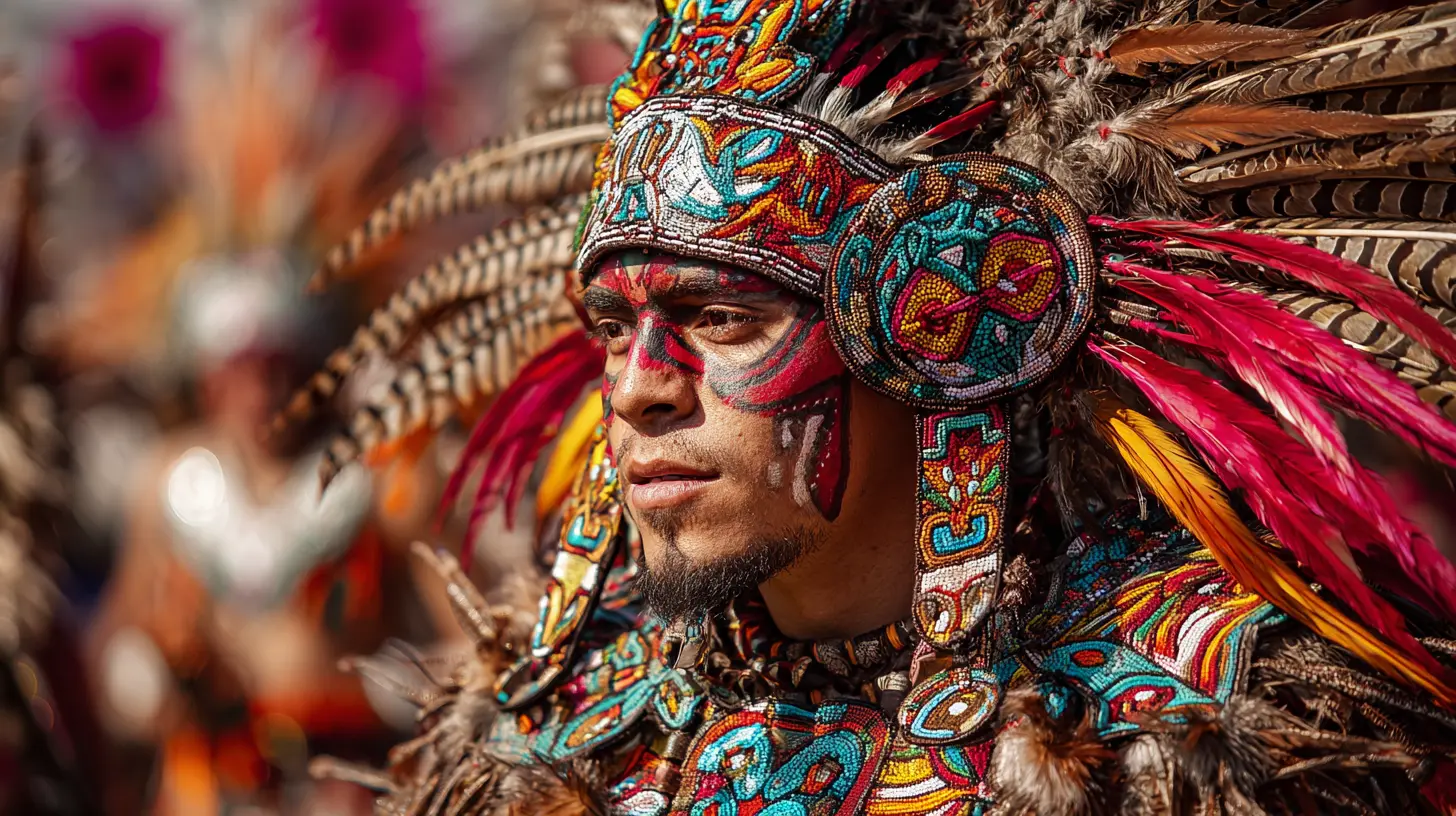
The Dreamtime Comes Alive in Australia
Let's hop over to the land down under. Aboriginal Australian culture is one of the oldest continuous cultures on Earth, dating back over 65,000 years. Their celebrations are deeply spiritual and connected to the Dreamtime, the creation story of the land, animals, and people.Garma Festival (Northern Territory, Australia)
The Garma Festival is held annually in remote Arnhem Land, hosted by the Yolngu people. It's a four-day event in early August that combines cultural exchange, traditional ceremonies, and serious discussions about Indigenous rights. In 2026, it's expected to draw leaders, artists, and curious travelers from around the world.You'll witness the bunggul, a traditional dance that tells stories of ancestors and the land. The dancers paint their bodies with ochre, and the rhythm of the clapsticks and didgeridoo is so primal it feels like it's coming from the earth itself. The key to enjoying Garma is to listen more than you talk. The Yolngu people are incredibly generous with their knowledge, but they also expect respect. Leave your ego at the gate.
NAIDOC Week (Various Locations, Australia)
NAIDOC Week runs from the first Sunday in July to the following Sunday. It celebrates the history, culture, and achievements of Aboriginal and Torres Strait Islander peoples. In 2026, check local listings for community events in major cities like Sydney, Melbourne, or Brisbane, or better yet, head to a smaller community in the outback.You'll find art exhibitions, film screenings, and, most importantly, community barbecues. Yes, barbecues. Nothing brings people together like grilled meat and a cold drink on a winter day (remember, July is winter in Australia). It's a chance to sit down and have a yarn (conversation) with locals. Ask them about their country, their family, and their stories. You'll leave with a new friend and a deeper understanding of what "home" really means.
Sacred Fire and Dance in the Pacific
The Pacific Islands have their own unique Indigenous celebrations that blend spirituality, dance, and storytelling. These aren't just performances. They are living traditions that connect the people to their ancestors and the ocean.Te Matatini (New Zealand)
Te Matatini is the national kapa haka (Maori performing arts) festival in New Zealand. It happens every two years, and 2026 is the year. Imagine a stadium filled with thousands of people, and on stage, groups of Maori performers deliver spine-tingling haka, graceful poi dances, and beautiful harmonies. The energy is electric.The haka is not just a war dance. It's a display of identity, pride, and emotion. When a group performs a haka, the ground shakes. The eyes bulge, the tongues stick out, and the voices roar. It's intimidating and beautiful at the same time. The poi dance, where women swing balls on strings in perfect synchronization, is mesmerizing. It's like watching poetry in motion.
You don't need to understand Maori to feel the power. The emotion is universal. You'll laugh, you'll cry, and you'll leave with goosebumps.
Practical Tips for Attending Indigenous Celebrations
Okay, so you're sold on going. But how do you do it right? Here's the deal: you are a guest. Act like one.Do your homework. Learn a little about the culture before you go. Know what the event is about and why it matters. Don't just show up with a selfie stick and a loud voice.
Ask before you take photos. This is huge. Many ceremonies have restrictions on photography. Some dances are sacred and not meant to be filmed. Always ask permission before pointing your camera at someone, especially elders and children.
Dress appropriately. Cover your shoulders and knees. Wear comfortable shoes. Leave the flashy jewelry at home. You want to blend in, not stand out.
Participate when invited. If the announcer asks everyone to join a dance, go for it. You'll look silly, but that's the point. It shows you're willing to be vulnerable and join the community.
Buy from locals. Skip the mass-produced souvenirs. Buy art, jewelry, or food directly from Indigenous vendors. Your money goes back into the community.
Listen more than you talk. You're there to learn, not to teach. Let the stories wash over you. You'll come away with a richer experience.
Why These Celebrations Matter More Than Ever
In a world that's constantly trying to homogenize everything, Indigenous celebrations are a radical act of survival. They say, "We are still here. Our culture is alive. Our language is spoken. Our dances are danced." By attending, you are not just a tourist. You are a witness. You are helping to keep these traditions alive for future generations.Think of it like this: every time you attend a powwow, an Inti Raymi, or a Garma Festival, you are adding your voice to a chorus that has been singing for thousands of years. You are saying that these stories matter. That these people matter. And that we are all connected by the same sun, the same moon, and the same desire to celebrate who we are.
So, book those tickets. Pack your bags. Leave your assumptions at home. And get ready for the adventure of a lifetime. 2026 is waiting for you, and so are the stories.
all images in this post were generated using AI tools
Category:
Cultural CelebrationsAuthor:
Shane Monroe
Discussion
rate this article
1 comments
Zayla Myers
Experience the vibrant spirit of Indigenous cultures in 2026. From colorful festivals to captivating ceremonies, immerse yourself in the rich traditions and stories that connect communities. Join the celebration and honor their incredible heritage.
June 8, 2026 at 4:21 AM
Shane Monroe
I can't wait for 2026. Celebrating Indigenous cultures is so important, and these festivals will be a fantastic way to honor their heritage and connect with their stories.