Global Flower Festivals That Celebrate Culture and Nature in 2027
11 September 2026
Flowers have a way of pulling people together. A single blossom can carry the weight of a nation's identity, a family's history, or a season's arrival. When entire cities organize around that idea, something memorable happens. Streets fill with color. Strangers strike up conversations. Local economies get a boost that lasts well beyond the petals.
In 2027, a remarkable number of flower festivals will take place across the world, each with its own personality. Some are centuries old. Others were born in the last few decades. What they share is a stubborn belief that beauty is worth gathering for.
This guide is for travelers who want more than a photo opportunity. It covers what makes each festival distinctive, when to go, how to plan, and what to watch out for. If you are building a 2027 travel calendar around blooms, this is where to start.
Why Flower Festivals Matter More Than You Might Think
It is easy to dismiss a flower festival as a pleasant diversion. That would be a mistake.These events are economic engines. In many cities, a single week of floral celebrations generates revenue that supports hotels, restaurants, transport, artisans, and vendors for months. They are also cultural archives. A flower festival often preserves agricultural knowledge, religious tradition, and regional craft that might otherwise fade.
There is a psychological dimension too. Research on green spaces and natural beauty consistently suggests that time among flowers and gardens reduces stress and improves mood. Festivals amplify that effect by adding community. You are not just looking at flowers. You are looking at flowers with thousands of other people who chose to be there.
That combination of economy, heritage, and well-being explains why so many destinations invest heavily in their floral events. It also explains why some festivals have survived wars, droughts, and economic collapses.
How to Read a Flower Festival Before You Book
Not all flower festivals are alike, and treating them as interchangeable leads to disappointment. Before committing to any 2027 event, consider these dimensions.Timing Is Everything
Bloom dates depend on weather, altitude, and variety. A festival advertised for "late April" might peak in early April one year and mid-May the next. If your goal is to see fields in full color, check historical bloom reports rather than trusting fixed dates. Many official festival websites publish past peak dates, which is far more useful than a single calendar entry.Scale Changes the Experience
A village festival with 2,000 visitors feels intimate and authentic. A city festival with two million visitors feels like a spectacle. Neither is better. They simply serve different desires. Decide which you want before you book.Free Versus Ticketed
Some festivals are open to the public at no cost, with revenue coming from vendors and sponsors. Others charge admission, which usually means better crowd control, cleaner facilities, and a more curated experience. Free events can be chaotic but often feel more spontaneous. Consider your tolerance for crowds and lines.Cultural Sensitivity
Some flower festivals are religious in origin. Others are civic. Knowing which you are attending helps you behave appropriately. In a few cases, certain ceremonies are closed to outsiders, and respectful travelers plan around that rather than pushing against it.
The Big Festivals to Mark on Your 2027 Calendar
What follows is a selection of festivals that consistently deliver, along with practical guidance for each. Dates shift year to year, so verify specifics closer to your travel window.Japan: Cherry Blossom Season
Japan's cherry blossom season, known as hanami, is the most famous flower celebration on earth. It is also the most misunderstood.Hanami is not a single event. It is a national mood that moves northward from late March through early May. Tokyo and Kyoto typically peak in late March or early April. Tohoku and Hokkaido peak later, sometimes into the first week of May.
Why it works: the blossoms last only one to two weeks. That brevity creates urgency and shared emotion. Parks fill with picnic mats, coworkers toast under the trees, and the whole country seems to slow down.
What most travelers get wrong: they fixate on Tokyo and Kyoto, then arrive during a cold snap or an early bloom and miss the peak. A better strategy is flexibility. Book refundable accommodations in two or three cities at different latitudes, then commit once forecasts firm up.
Another misconception: that hanami is only about daytime viewing. Evening viewings, called yozakura, are often more atmospheric and less crowded. Lanterns illuminate the trees, and the mood is quieter.
Practical advice: popular parks in Kyoto and Tokyo enforce no-reservation policies but fill early. Arrive before 8 a.m. if you want a good spot. Also, respect the rules. Some parks prohibit alcohol, and trash must be carried out.
The Netherlands: Keukenhof and the Bulb Route
Keukenhof, near Lisse, is one of the largest flower gardens in the world. It opens for roughly eight weeks each spring, typically from late March to mid-May, and draws over a million visitors.What sets Keukenhof apart is design. This is not a wildflower meadow. It is a meticulously planned exhibition of tulips, daffodils, hyacinths, and more, arranged by professional gardeners. The displays change annually, so repeat visitors see something new.
The surrounding bulb fields, known as the Bollenstreek, offer a different experience. These are working farms. You can drive or cycle the bulb route and see vast bands of color stretching to the horizon.
Trade-offs to consider: Keukenhof is crowded and ticketed. The bulb route is free but depends entirely on farm schedules and weather. If you want guaranteed color, Keukenhof is safer. If you want authenticity and space, the fields are better, but less predictable.
Common mistake: visiting in early March and expecting fields in bloom. Most bulb fields peak in mid to late April. Check the official bloom barometer before booking.
India: The Flower Markets and Festival Traditions
India does not have one signature flower festival. It has dozens, woven into daily life and religious practice.In Bangalore, the KR Market and surrounding flower markets operate year round, but activity surges around festivals like Ugadi and Onam. In Tamil Nadu, the Madurai flower market is a sensory experience unlike any other. In West Bengal, during Durga Puja, floral decorations reach extraordinary levels of craftsmanship.
For travelers, the appeal is immersion rather than spectacle. You are not attending a ticketed event. You are stepping into a living tradition.
Why this works: flowers in India are not decorative. They are offerings, symbols, and status markers. Understanding that context transforms the experience.
Practical advice: go early in the morning. Markets peak between 4 a.m. and 7 a.m. Bring small bills. Ask before photographing vendors, and be prepared for a vibrant, loud, and crowded environment.
Colombia: Medellin's Feria de las Flores
The Feria de las Flores, held in Medellin each August, is one of the most joyful flower festivals in the world. It dates back to 1957 and celebrates the region's flower-growing heritage.The centerpiece is the Desfile de Silleteros, a parade in which farmers carry enormous floral arrangements, called silletas, on their backs. These are not small bouquets. Some weigh over 70 kilograms and are crafted over weeks.
What makes it special: the festival is deeply rooted in local identity. The silleteros are not performers. They are farmers, and their craft is passed down through generations.
Trade-offs: August is peak season in Medellin, so accommodations and flights cost more. The parade draws large crowds. If you dislike heat and crowds, this may not be for you. If you want to witness a community celebrating its own history, it is hard to beat.
Common mistake: only attending the parade. The surrounding events, including concerts, art installations, and food fairs, often provide a richer sense of the city.
The United States: The Tournament of Roses Parade
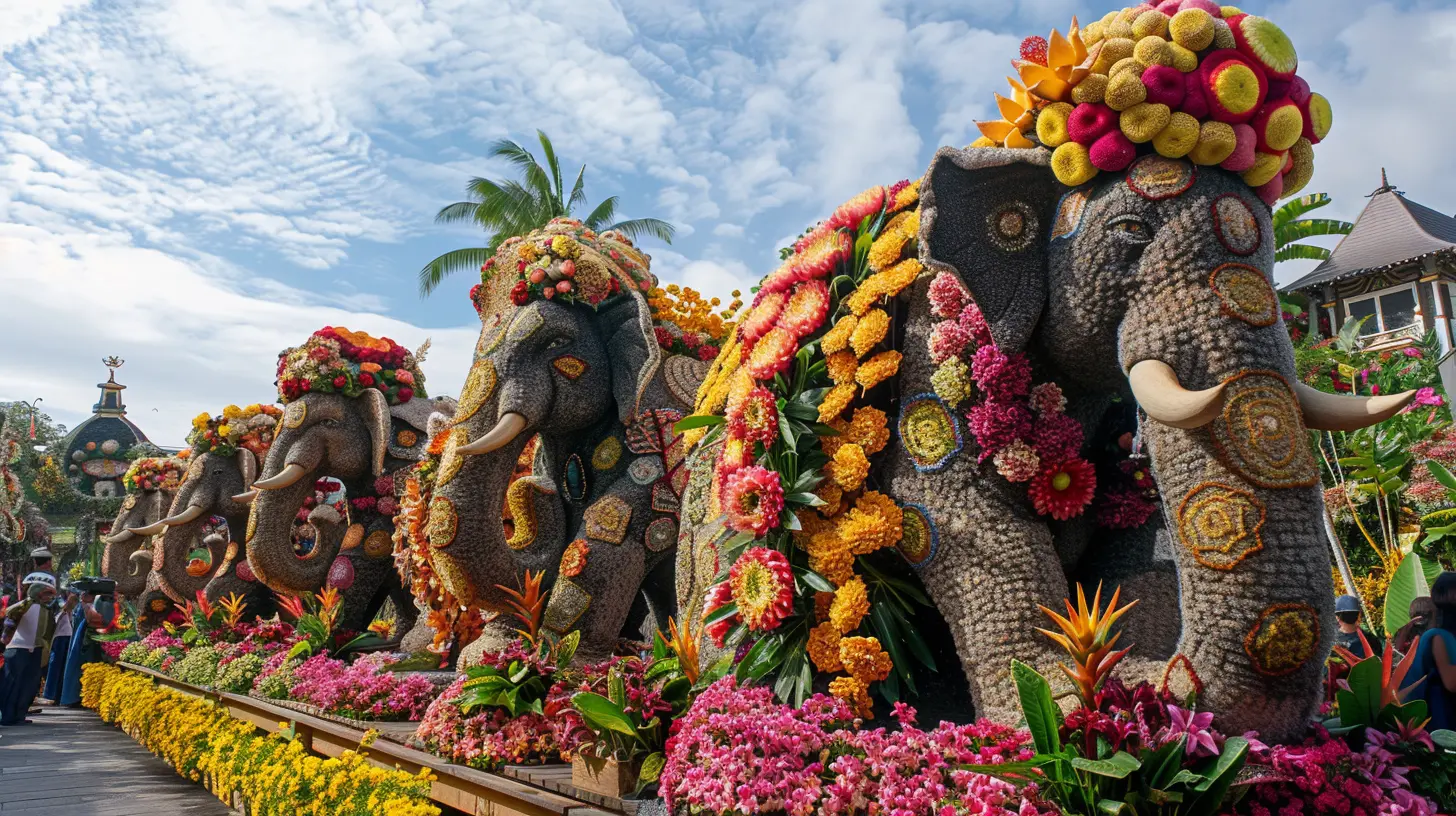
Held every January 1 in Pasadena, California, the Tournament of Roses Parade is one of the oldest and most elaborate flower events in the world. Every float must be covered entirely in natural materials, including flowers, seeds, leaves, and bark.Why it works: the craftsmanship is astonishing. Floats take months to build and use millions of individual blooms and plant parts. The result is a moving garden.
Trade-offs: the parade is a major tourist event with strict rules. Overnight camping on the route is popular but regulated. Grandstand tickets sell out early. If you want a low-stress experience, watch from a hotel balcony or consider the post-parade viewing, where floats are displayed for a couple of days.
Practical advice: dress in layers. Pasadena mornings in January are cold, and afternoons warm up quickly. Bring water and patience.
Italy: Infiorata Festivals
Across Italy, towns celebrate the feast of Corpus Christi by creating elaborate carpets of flowers on their streets. These are known as infiorate.The most famous takes place in Spello, in Umbria, but similar events occur in Genzano, Noto, and dozens of smaller towns. Artists and volunteers spend days arranging petals, seeds, and leaves into intricate designs, often inspired by religious art.
Why it works: the ephemeral nature of the art is the point. The carpets last a single day. Then they are walked over, swept away, and the town returns to normal. That impermanence gives the event emotional weight.
Trade-offs: these festivals are tied to religious calendars, so dates shift each year. They are also intensely local. If you do not speak Italian, you may miss some context, but the visual impact transcends language.
Practical advice: arrive early in the morning to see the work in progress. By afternoon, crowds peak. Bring a camera with a wide lens.
Thailand: The Flower Festival in Chiang Mai
Chiang Mai hosts an annual flower festival in early February, when the cool season is at its best and blooms are abundant. The event includes parades, garden displays, and competitions.Why it works: Chiang Mai is already a beautiful city, and February offers clear skies and comfortable temperatures. The festival adds color and festivity without overwhelming the city's character.
Trade-offs: it is smaller and less internationally known than some other festivals on this list. That can be a plus if you prefer a calmer experience.
Practical advice: combine the festival with visits to nearby orchid farms and hill tribe villages. February is also peak season, so book early.
Planning Your 2027 Flower Festival Trip: A Practical Framework
Choosing a festival is one thing. Building a trip around it is another. Here is a framework that works.Step 1: Decide What You Value Most
Ask yourself: do I want guaranteed blooms, cultural immersion, low crowds, or a specific photographic outcome? Rank these. Your answer will eliminate half the options immediately.Step 2: Build in Buffer Days
Bloom dates shift. Weather happens. Flights get delayed. If you schedule a festival on the last day of your trip, you have no margin for error. Arrive at least two days before the expected peak and stay at least one day after.Step 3: Book Accommodation Early, But Wisely
For major festivals, accommodations near the event sell out months in advance. However, booking non-refundable rooms far ahead is risky if bloom dates shift. Look for refundable rates or stay slightly outside the main area and use public transport.Step 4: Understand Local Transport
Many festivals close roads and restrict parking. Public transport, shuttle buses, and bicycles are often the best options. Check official festival guides for specifics.Step 5: Respect the Rules
Some festivals prohibit drones, tripods, or professional cameras without permits. Others restrict access to certain areas. Reading the rules in advance prevents awkward confrontations.Common Mistakes to Avoid
Even experienced travelers make these errors.Chasing peak bloom without flexibility. Nature does not follow a calendar. Build in options.
Ignoring local customs. A festival that is sacred to locals is not a backdrop for your photo shoot. Dress appropriately. Ask before photographing people.
Overpacking. Flower festivals often involve walking on uneven ground, standing for hours, and dealing with unpredictable weather. Comfortable shoes matter more than a second camera lens.
Skipping the surrounding region. The festival is often the anchor, not the whole trip. Nearby gardens, markets, and landscapes frequently provide the most memorable moments.
Assuming all festivals are tourist-friendly. Some are deeply local and not set up for international visitors. That is not a flaw. It just means you need to prepare differently.
When a Flower Festival Might Not Be Right for You
Not everyone enjoys large gatherings, and that is fine. If you dislike crowds, heat, or rigid schedules, a major festival may frustrate you. Consider instead:- Visiting the same region during a quieter week, when gardens are still beautiful but crowds are thinner.
- Attending a smaller, lesser-known festival where you can move at your own pace.
- Planning a garden-focused trip outside festival season, when you can linger without time pressure.
There is no wrong choice here. The goal is matching the experience to your temperament.
Best Practices for a Joyful Experience
A few habits separate a good trip from a great one.- Start early. Most festivals are calmer and cooler in the morning.
- Carry cash. Small vendors and rural areas may not accept cards.
- Learn a few words of the local language. It opens doors.
- Talk to locals. They often know the best viewing spots and the best food.
- Slow down. The point of a flower festival is not to check it off a list. It is to be present.
Looking Ahead to 2027
The 2027 season promises a rich array of celebrations. Some, like Japan's hanami and the Netherlands' Keukenhof, will draw millions. Others, like Italy's infiorate or India's market festivals, will remain intimate and rooted in daily life.What unites them is a simple idea: flowers are worth celebrating. They mark seasons, honor traditions, and bring people together in ways that few other things can.
If you plan well, stay flexible, and approach each festival with curiosity rather than a checklist, you will come home with more than photographs. You will come home with stories.
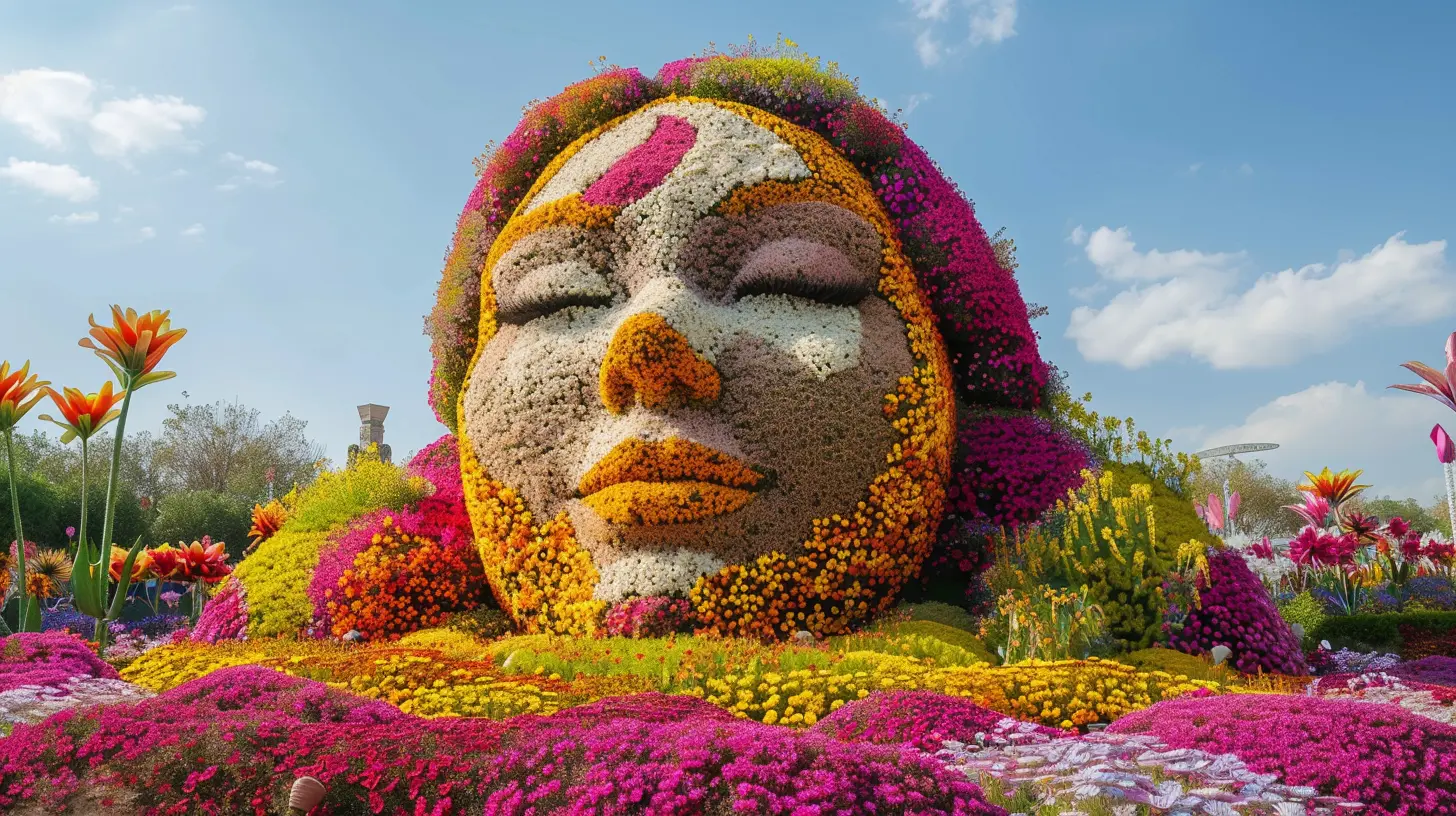
all images in this post were generated using AI tools
Category:
Cultural CelebrationsAuthor:

Shane Monroe
Discussion
rate this article
2 comments
Cypher Blair
Flower festivals in 2027? Count me in! Nothing says culture and nature like vibrant blooms and lively celebrations. Let's get those camera rolls ready... because who wouldn't want to flaunt their festival selfies?
October 6, 2026 at 3:01 PM
Shane Monroe
Absolutely! Flower festivals are the perfect blend of beauty and culture. Can't wait to see everyone's amazing festival selfies!
Solaria Harper
Exciting to see how global flower festivals in 2027 will blend culture and nature! These events showcase the beauty of diverse traditions while highlighting the importance of environmental preservation. I can't wait to experience the vibrant colors and rich heritage that these festivals promise to offer. Let the celebrations begin!
September 13, 2026 at 3:29 AM
Shane Monroe
I'm glad you're excited! The fusion of culture and nature at these festivals will truly be a sight to behold. It's all about celebrating our shared heritage while caring for the planet. Can't wait to see it all come together!