How Cultural Celebrations Drive Sustainable Tourism in 2027
16 September 2026
Tourism has always been a story about people. Long before the first package holiday, travelers moved because they wanted to see how other communities lived, cooked, sang, prayed, and celebrated. What has changed in recent years is the scale. A single festival video can pull hundreds of thousands of visitors toward a small town within weeks. That kind of attention can fund a new school, restore a crumbling temple, or revive a dying craft. It can also destroy the very thing people came to see.
By 2027, this tension will define how destinations compete. Cultural celebrations are no longer a side attraction bolted onto a beach holiday. They are becoming a central engine of sustainable tourism, and the communities that understand this shift are already redesigning how they host the world.
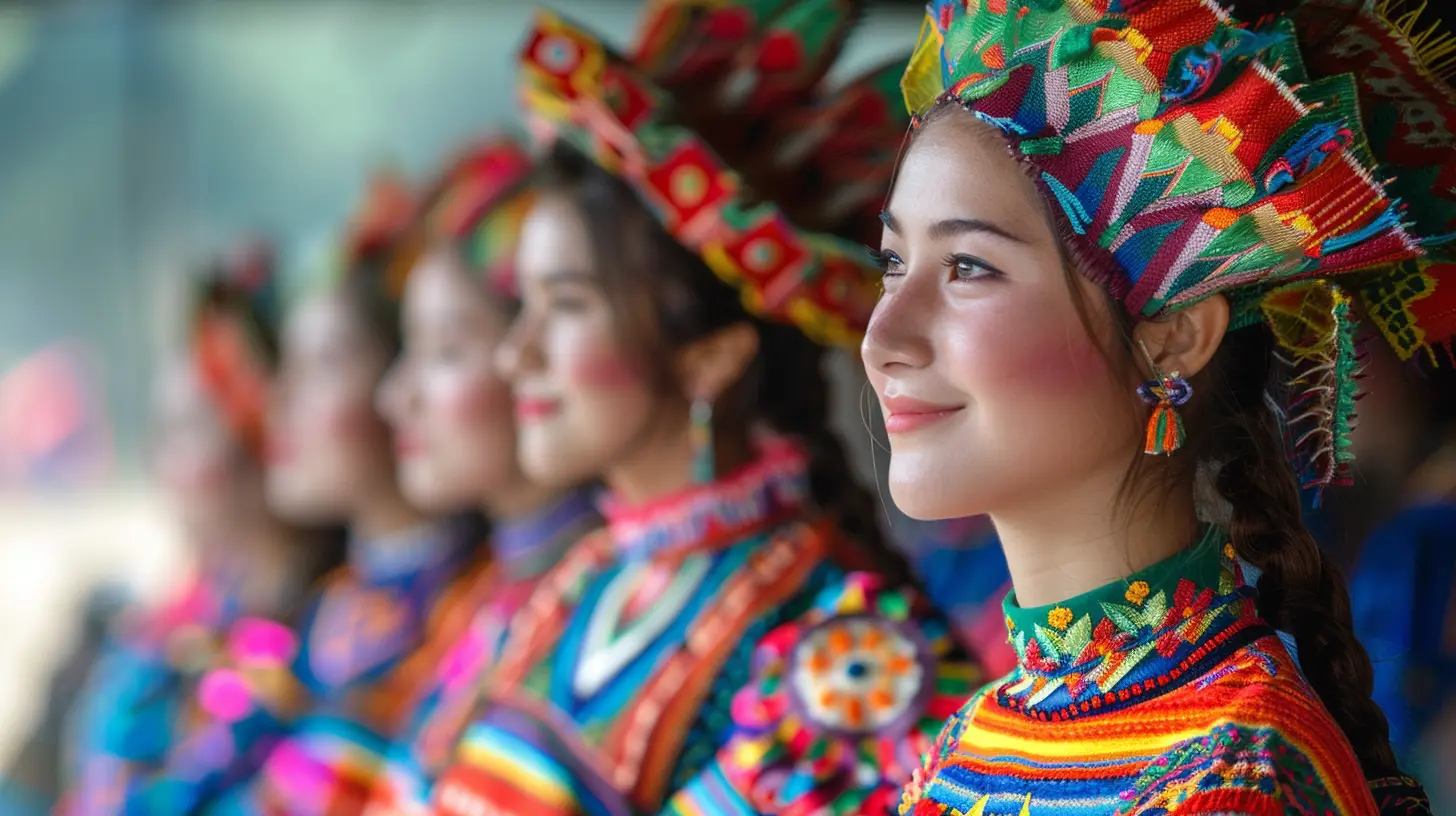
Why Cultural Celebrations Matter More Than Ever in 2027
The global traveler of 2027 behaves differently from the traveler of 2015. Trust in mass-market resorts has softened. People want proof that their money stays local, that their visit does not flatten a neighborhood, and that the experience they post online is genuine rather than staged for a camera.Cultural celebrations answer that demand directly. A harvest festival, a religious procession, a masked dance, or a community food market is inherently rooted in a specific place. It cannot be replicated in a shopping mall. That rootedness is exactly what gives it value in a crowded tourism market.
There is also an economic argument. Festivals concentrate spending into a short, predictable window. Hotels, food stalls, transport providers, artisans, and performers all earn income at the same time. For rural regions with few other export industries, that rhythm can be a lifeline. When managed well, it spreads revenue across many small hands instead of funneling it into one corporate account.
The catch is that concentration cuts both ways. A festival that draws 200,000 people into a village of 5,000 residents can overwhelm water supplies, generate mountains of waste, and push locals out of their own public squares. The difference between a thriving celebration and a ruined one usually comes down to governance, not luck.
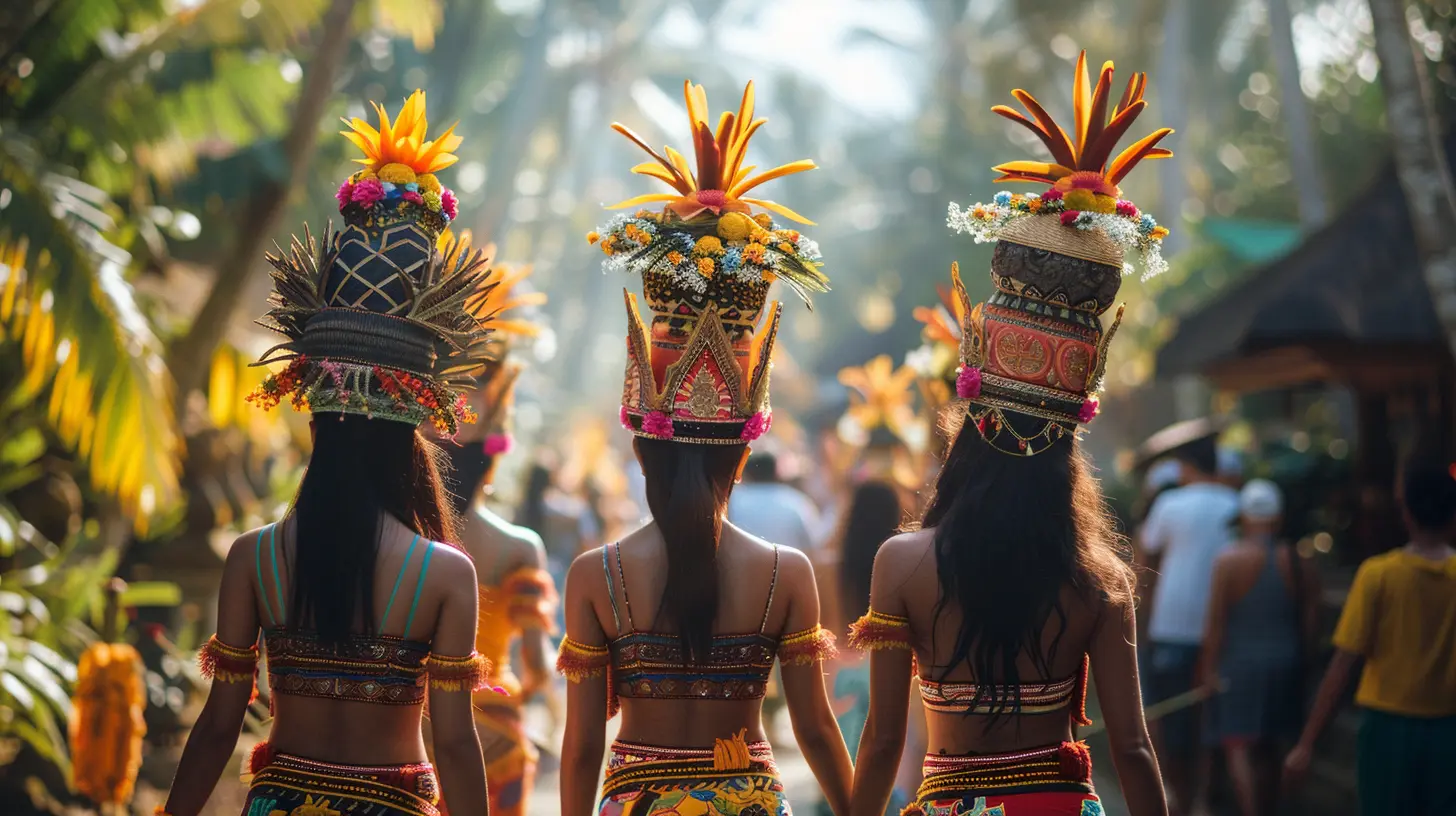
The Core Principles That Separate Thriving Festivals From Failing Ones
Sustainable cultural tourism rests on a few practical pillars. They are not abstract ideals. Each one translates into specific decisions that organizers and local governments must make.Community Ownership and Decision Power
The single strongest predictor of success is who holds the pen. When residents control programming, pricing, and access rules, celebrations tend to stay authentic and benefits stay local. When outside promoters control them, the event often drifts toward whatever sells fastest, which usually means simplified, performative versions of tradition.This does not mean communities must reject outside help. It means partnerships should be structured so that local voices have veto power over anything that affects daily life, sacred sites, or cultural meaning.
Carrying Capacity and Honest Limits
Every destination has a ceiling. Beyond it, the experience degrades for visitors and residents alike. Smart organizers set that ceiling deliberately, then enforce it with timed entry, ticket caps, or shuttle systems. It feels counterintuitive to turn away revenue, but oversold festivals create bad reviews, resident backlash, and long-term reputational damage that costs far more than the lost tickets.Benefit Sharing That Residents Can See
Sustainability fails when locals cannot point to what they gained. A transparent fund that finances school repairs, clinic staff, or craft apprenticeships turns goodwill into something concrete. When residents see the connection between visitors and visible improvements, they become hosts rather than bystanders.Cultural Consent and Sacred Boundaries
Not everything should be sold. Some rituals are private, some are grieving ceremonies, and some are simply not meant for cameras. Establishing clear boundaries protects meaning and prevents the slow erosion of traditions into performances. Visitors generally respect these lines when they are explained clearly and early.
Real-World Models Worth Studying
Rather than inventing examples, it helps to look at patterns that have proven durable across very different cultures. The specifics vary, but the mechanics repeat.Japan's Approach to Distributed Festivals
Japan hosts thousands of local matsuri throughout the year. What stands out is how many remain tied to neighborhood shrines and local associations rather than centralized tourism boards. Visitors are welcome, but the event's purpose stays religious and communal. Food stalls are run by local groups. Processions follow traditional routes. The result is a celebration that does not need to be manufactured for tourists because it was never designed for them in the first place.The trade-off is real. Some festivals limit visitor access or discourage photography during key moments. That can frustrate influencers, but it preserves the atmosphere that makes the event worth attending. Destinations considering this model should ask whether they are willing to accept lower visitor numbers in exchange for higher authenticity.
Community Tourism in Rural Latin America
Across parts of Central and South America, community-run tourism cooperatives have built celebrations around existing agricultural cycles and religious feast days. Visitors stay in family-run lodges, eat what the village eats, and join activities that residents already practice. Profits are pooled and reinvested.This model works because it is slow to scale. It resists the temptation to double capacity overnight. The downside is limited infrastructure and inconsistent booking systems, which can frustrate travelers used to instant confirmation. For destinations, the lesson is that patience and incremental growth often beat rapid expansion.
European Street Festivals Under Pressure
Many historic European festivals now face the classic overtourism problem. Once-intimate celebrations have become bucket-list events, complete with cruise ship crowds and short-term rental conversions that push residents out. Some cities have responded with residency requirements for stallholders, bans on new holiday rentals in historic centers, and caps on daily arrivals.The comparison is instructive. Europe shows what happens when cultural celebrations succeed commercially before governance catches up. It is far cheaper to set limits early than to claw back control after a neighborhood has emptied of its permanent residents.

How Cultural Celebrations Actually Drive Sustainability
It is easy to claim that festivals support sustainability. It is more useful to trace the specific mechanisms.Revenue That Stays in Place
Cultural events rely on local performers, cooks, drivers, guides, and artisans. That supply chain is short. Money circulates within the community multiple times before it leaves, which economists call a high local multiplier effect. A resort owned by an international chain produces a much lower multiplier because profits, supplies, and senior staff often come from elsewhere.Incentives to Protect Heritage
When a craft or ritual generates income, families have a reason to teach it to the next generation. Without that incentive, traditions fade quietly. Tourism does not have to be the only reason to preserve culture, but it is a powerful one when the economics work.Seasonal Balance
Cultural celebrations often fall outside peak beach or ski seasons. That spreads visitor demand across the year, which reduces pressure on infrastructure and gives hospitality workers more stable employment. A town that once survived on three summer months can build a twelve-month calendar around distinct celebrations.Environmental Leverage
Festivals can accelerate green transitions. When a city knows it will host hundreds of thousands of visitors, investing in public transport, waste sorting, and reusable dishware becomes financially justified. Those systems then serve residents long after the event ends. The celebration becomes a catalyst rather than a cost.The Risks Nobody Talks About Enough
Honest analysis requires looking at what goes wrong.Commodification and the Performance Trap
When a ritual becomes a scheduled show, it loses the unpredictability that made it meaningful. Visitors may not notice at first. Over time, the experience flattens into something interchangeable with any other cultural performance. The cure is to keep ceremonies in their original context and let tourism adapt around them, not the reverse.Displacement and Rent Inflation
Popular festivals raise property values. Landlords convert apartments to short-term rentals. Long-term residents leave. The town becomes a stage set. This pattern has repeated in enough cities that it should be treated as a predictable risk rather than a surprise. Rent caps, licensing limits, and community land trusts are among the tools that can slow it.Cultural Appropriation and Misrepresentation
When outsiders profit from a tradition without permission or benefit sharing, resentment builds. This can be as blatant as copying a sacred design for souvenirs or as subtle as marketing a ceremony under a misleading name. Clear agreements and local branding control prevent most of these problems before they start.Greenwashing
Some events claim sustainability while flying in performers, generating tons of waste, and relying on diesel generators. Travelers in 2027 are more skeptical and better informed. Claims that cannot be verified damage trust faster than no claims at all.
Practical Guidance for Destination Managers
If you are responsible for a festival, a tourism board, or a community organization, these steps tend to produce results.Start With a Resident Survey, Not a Marketing Plan
Before promoting anything, ask residents what they value, what they fear, and what they would refuse. This surfaces conflicts early, when they are cheap to resolve.Define Success in Local Terms
Do not default to visitor numbers. Measure income retained locally, resident satisfaction, waste per attendee, and cultural continuity. A festival with 5,000 respectful visitors and strong local profit can outperform one with 50,000 visitors and thin margins.Build Infrastructure Before Demand
Transport, toilets, water, and waste systems should be ready before promotion begins. Upgrading after a viral moment is expensive and stressful.Price Thoughtfully
Very cheap entry can attract volume that overwhelms a site. Tiered pricing, paid workshops, and premium experiences can raise revenue while keeping crowds manageable. Free access for residents is a common and effective policy.Train Hosts and Vendors
A short orientation on cultural context, accessibility, and environmental practices improves visitor experience and reduces friction. It also signals that the community takes the event seriously.Create Feedback Loops
Post-event reviews with residents, vendors, and visitors reveal problems that surveys miss. Adjust annually. Sustainability is a practice, not a certificate.Guidance for Travelers Who Want to Get This Right
Visitors hold more power than they realize.Book through local operators when possible. Pay for experiences rather than photographing them for free. Ask before taking pictures of people or ceremonies. Learn a few words of the local language. Stay longer and spend deeper rather than racing between highlights. Choose destinations that cap attendance, even when it means planning ahead. Respect closures and quiet zones. Leave reviews that mention respect and authenticity, not just convenience.
These choices, multiplied across millions of travelers, shape which business models survive.
What 2027 Will Demand From Destinations
The coming years will reward places that treat culture as a living system rather than a product. That means governance that includes residents, limits that are enforced, benefits that are visible, and storytelling that is honest about trade-offs. It also means accepting that some growth is not worth having.The destinations that thrive will not be the ones with the biggest festivals. They will be the ones where residents still want to live in the town they call home, where traditions continue because they matter to the people who practice them, and where visitors leave feeling they were guests rather than consumers.
That is not a romantic idea. It is a practical strategy, and in 2027 it will be the most competitive advantage in tourism.
all images in this post were generated using AI tools
Category:
Cultural CelebrationsAuthor:

Shane Monroe