How to Choose the Perfect Pair of Travel Sunglasses
27 June 2026
When you're setting off on an adventure—be it a tropical beach escape, a hiking expedition, or a casual city break—one essential item should always make it into your bag: a reliable pair of travel sunglasses. But with so many options out there, how do you choose the perfect pair?
Not all sunglasses are created equal, and picking the wrong pair can leave you squinting under the sun or, even worse, with strained eyes and headaches. So, let's break it down. Here’s exactly what you need to consider when choosing sunglasses that will protect your eyes, enhance your travel experience, and, of course, keep you looking stylish. 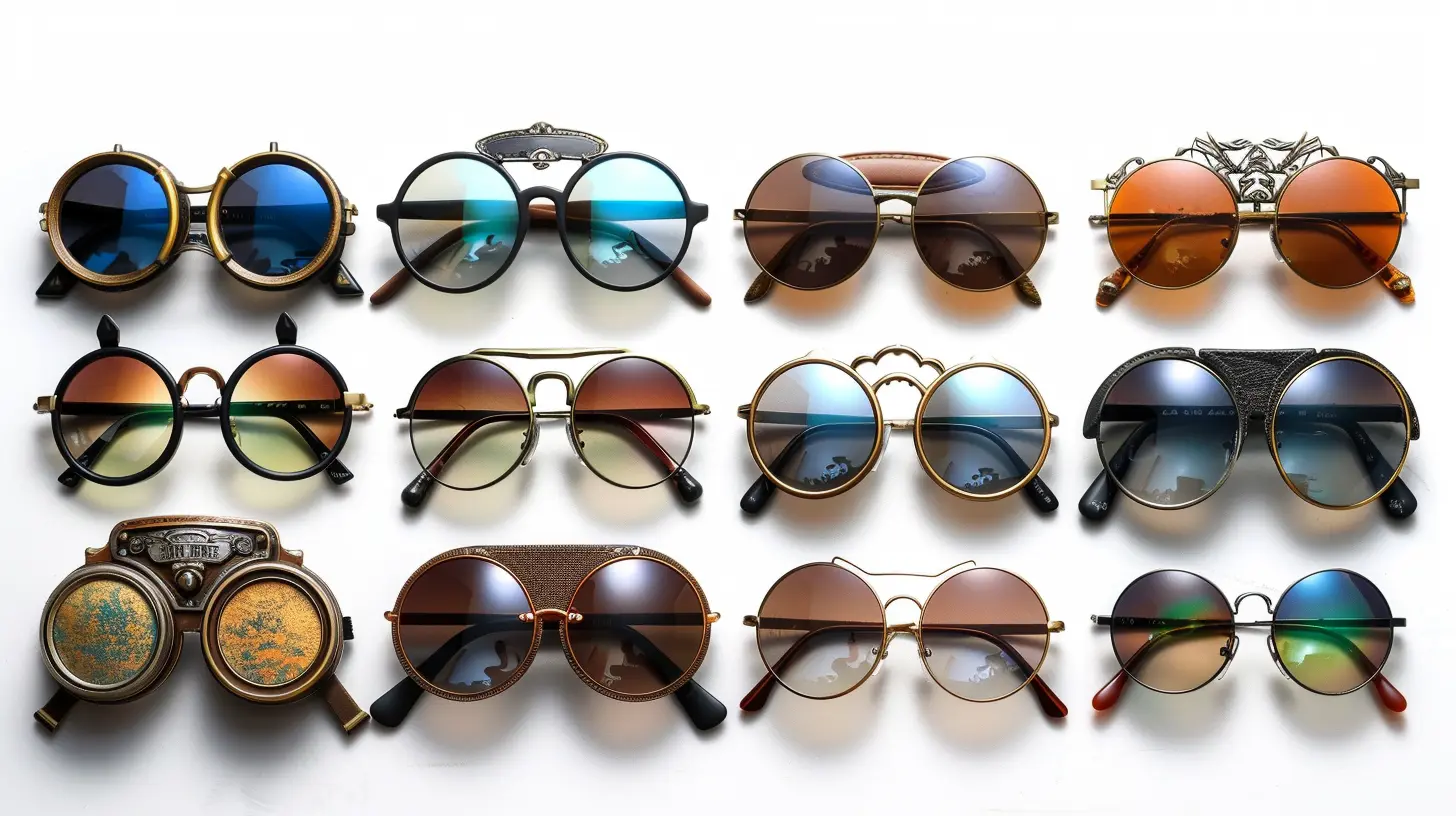
1. UV Protection Is Non-Negotiable
Why Does UV Protection Matter?
Ever gotten sunburned on your skin? Your eyes can suffer from UV damage too. Prolonged exposure to harmful ultraviolet (UV) rays can lead to eye problems like cataracts, macular degeneration, and even corneal sunburn (yes, it’s a thing!).What to Look For
- 100% UV Protection: Always choose sunglasses labeled as blocking 100% of both UVA and UVB rays.- UV400 Rating: This ensures they block all light rays with wavelengths up to 400 nanometers, offering the best protection.
- Polarized vs. Non-Polarized: While polarization cuts glare and improves visibility, it doesn’t necessarily add UV protection—so don’t be tricked into thinking polarized always means safer.

2. Polarized Lenses: Do You Need Them?
The Benefits of Polarization
Ever struggled to see clearly because of harsh glare from water, snow, or glass? That’s where polarized lenses shine. They filter out reflected light, reducing glare and improving contrast.When to Choose Polarized Sunglasses
- For Water and Snow Adventures: If you’re planning a beach vacation, skiing trip, or boating excursion, polarized lenses will be your best friend.- For Driving: They help reduce glare from the road, making it easier on your eyes.
- For Hiking & Outdoor Activities: They improve visibility, making colors pop and reducing eye strain.
When Not to Choose Polarized Sunglasses
- For Screens & Cockpit Views: LCD screens (like those on digital cameras or airplane cockpits) can become harder to see with polarized lenses. If you rely on screens, consider sticking to non-polarized shades.
3. Lens Material: Glass vs. Plastic vs. Polycarbonate
The type of lens material you choose affects durability, clarity, and weight.Glass Lenses
- Pros: Superior optical clarity, scratch-resistant- Cons: Heavier, more prone to shattering
Polycarbonate Lenses
- Pros: Lightweight, impact-resistant (great for adventure travel)- Cons: Less scratch-resistant than glass
Acrylic Lenses (Budget Option)
- Pros: Cheap and decent for casual use- Cons: Prone to distortion, not as durable
For frequent travelers, polycarbonate lenses offer the best balance between durability and clarity while keeping your luggage light. 
4. Frame Style and Fit: Fashion Meets Function
Sure, sunglasses need to look good, but they also need to feel comfortable. A poor fit can lead to constant adjustments, headaches, or even them flying off your face mid-adventure.Frame Materials
- Plastic: Lightweight and inexpensive but prone to breaking.- Metal: Sleek and durable but can get hot in the sun.
- Nylon: Flexible and resilient, ideal for sports and active travel.
Frame Shape & Your Face
- Round Faces: Go for angular frames like square or rectangular shades.- Square Faces: Softer, round frames balance strong jawlines.
- Oval Faces: Lucky you—you can rock almost any frame!
- Heart-Shaped Faces: Aviators or wayfarers work great.
Fit Tips for Travel Sunglasses
- Snug but Comfortable: They should stay in place without pinching.- Coverage Matters: Wrap-around styles provide extra protection for adventure travelers.
- Adjustable Nose Pads: Helps prevent them from sliding down on sweaty summer days!
5. Lens Color: It’s Not Just About Looks
Different lens colors serve different purposes beyond just aesthetics.Best Lens Colors for Travel
- Gray: True color perception, great for everyday wear.- Brown/Amber: Enhances contrast, ideal for hiking and fishing trips.
- Green: Reduces glare while maintaining color balance, great for all-day wear.
- Blue/Purple: Stylish but mostly designed for aesthetic purposes.
- Yellow/Gold: Great for low-light conditions; perfect for dawn or dusk adventures.
For general travel, gray or green lenses are the most versatile choices.
6. Packability & Durability: Travel-Friendly Features
Foldable & Compact Sunglasses
If you’re tight on space, consider foldable sunglasses. They take up minimal room while offering full functionality.Scratch-Resistant Coating
Frequent stuffing into your bag? A scratch-resistant coating is a must to keep lenses in top condition.Impact-Resistant Frames & Lenses
For adventure travelers, opt for sunglasses with impact-resistant frames—because accidents happen (and nobody wants shattered lenses on a remote mountain trail).7. Price vs. Quality: Do Expensive Sunglasses Matter?
Do you really need to drop hundreds of dollars on high-end designer shades? Not necessarily.Budget-Friendly Options (Under $50)
Brands like Goodr, Knockaround, and MVP provide decent UV protection and style without breaking the bank.Mid-Range ($50 - $150)
This range offers better durability, polarization, and stylish designs without exorbitant prices. Oakley and Ray-Ban often have great options here.High-End ($150 and Up)
These usually feature premium optics, durable materials, and advanced coatings. Worth it if you want the absolute best.The key takeaway? Prioritize UV protection and fit over brand names. You don't need to splurge to get a great pair.
8. Additional Features to Consider
If you want to take your sunglasses game up a notch, here are a few additional perks to look for:- Anti-Reflective Coating: Reduces reflections from the back of the lenses.
- Photochromic Lenses: Adjust to lighting conditions (darken in sunlight, lighten indoors).
- Hydrophobic & Oleophobic Coating: Repels water and fingerprints—perfect for beach trips!
- Blue Light Blocking: Helps reduce strain when using digital screens.
Final Thoughts: The Perfect Pair Is Out There
Choosing the perfect pair of travel sunglasses isn't just about fashion—it’s about protecting your eyes, enhancing your vision, and ensuring comfort throughout your journey. Whether you're chilling on a beach, hiking up a mountain, or wandering through bustling city streets, the right sunglasses will make all the difference.So, next time you're shopping for shades, remember: UV protection is a must, polarization is a bonus, fit is king, and price doesn’t always equal quality. Find a pair that checks all the right boxes, and you'll be set for your travels ahead!
all images in this post were generated using AI tools
Category:
Travel GearAuthor:

Shane Monroe
Discussion
rate this article
1 comments
Samira Fisher
Choosing travel sunglasses is easy: just avoid ones that make you look like a bug!
August 7, 2026 at 2:36 PM
Shane Monroe
True! It's all about finding a style that flatters your face while still offering great protection.