How to Choose the Right Power Bank for International Travel
27 August 2026
Ever been stuck in a foreign city with a dead phone, no idea where your hotel is, and not a charging socket in sight? Yep, many of us have. It’s in moments like these when you realize a good power bank isn't just a handy gadget—it’s a travel essential. But with hundreds of options out there, how do you pick the right one for your next overseas adventure?
Welcome to your ultimate guide on how to choose the right power bank for international travel. Let’s cut through the techy jargon and get to the stuff that really matters—because you’ve got a boarding pass to stamp and a selfie to take on every continent.
Why a Power Bank Is a Lifesaver When You're Abroad
Let’s start with the basics: why even bother carrying a power bank?Traveling internationally means you're often out and about all day. Google Maps, translation apps, online bookings, and keeping in touch with loved ones back home all take a serious toll on your phone battery. Public charging stations? Rare. Free power outlets? Even rarer.
A power bank becomes your mobile life support system. It’s your backup plan when you're in the Alps with no reception or in a late-night Paris café posting that dreamy croissant pic. And trust me, you don’t want your phone dying mid-adventure.
Key Features to Consider When Choosing a Power Bank
Now, not all power banks are created equal. Some are perfect for short city breaks, while others are designed for rugged treks across multiple countries. Here’s what you need to keep in mind.1. Battery Capacity (mAh): How Much Juice Do You Need?
The number one spec you'll notice on any power bank is its mAh, which stands for milliamp hours. This tells you how much charge the power bank holds.- 5,000 – 10,000 mAh: Great for light travelers. Can charge a smartphone once or twice. Super portable.
- 10,000 – 20,000 mAh: Ideal for most international trips. Can charge a phone up to 4-6 times or even a small tablet.
- 20,000+ mAh: For serious travelers. Can charge multiple devices multiple times. But keep in mind, it’ll be bulkier and possibly over airline limits (more on that later).
? Tip: Always do the math—if your phone has a 3,000 mAh battery, a fully charged 10,000 mAh power bank gives you about 2.5–3 full charges (allowing for some energy loss).
2. Size and Weight: Think About Carry-On Convenience
You definitely don’t want a brick weighing down your daypack. While higher capacity usually means a bulkier power bank, advancements in tech mean there are now slim, high-capacity options that fit easily in your purse or pocket.Ask yourself this: Are you backpacking through Europe or hopping between hotels? If you're constantly on the go, prioritize portability.
3. Number of Ports: Charge Multiple Devices
Are you traveling solo, or do you have a partner or group tagging along?If you're carrying multiple devices (like a smartphone, wireless earbuds, and a GoPro), or want to help a travel mate out, go for a power bank with multiple USB outputs. 2 to 3 ports are usually plenty.
Some newer power banks also offer USB-C ports, which can charge certain phones and laptops faster.
4. Fast Charging Support: Time Is of the Essence
You don’t want to wait hours for your phone to charge up while you're missing out on sightseeing, right?Look for terms like:
- Quick Charge (QC)
- Power Delivery (PD)
- Fast Charge or Turbo Charge
Power banks with these features ensure your phone gets powered up in a flash—ideal if you have only a short stop at a café to juice up before the next leg of your journey.
5. Device Compatibility: Don’t Get Left in the Dark
Not all power banks work seamlessly with every gadget. Check if the one you're looking at supports your phone, tablet, or other devices. USB-C is becoming the universal standard, but older iPhones might still need a Lightning cable.Also, make sure that the voltage output (usually marked as 5V, 9V, or 12V) aligns with your device requirements.
6. Airline Regulations: Know What You Can (and Can’t) Carry
Here’s a biggie a lot of travelers overlook.Most airlines allow power banks with a capacity of up to 27,000 mAh (100 Wh) in carry-on bags, but not in checked luggage. Some airlines allow up to 160 Wh with prior approval. Anything above that? Likely to be confiscated at security. Ouch.
? So, always check your power bank's watt-hours (Wh), which you can calculate like this:
(mAh × Voltage) ÷ 1000 = Wh
Planning to fly frequently? Stick with a power bank under 100 Wh to stay safe and compliant.
7. Build Quality and Safety Features
When you’re halfway across the world, the last thing you need is a malfunctioning power bank. Safety first.Look for features like:
- Overcharge protection
- Temperature control
- Short circuit prevention
- Fire-resistant cases
Not only will this protect your devices, but also your travel peace of mind.
8. Charging Speed (Both Ways): In and Out
A lot of focus goes into how fast the power bank charges your devices, but what about how fast it charges itself?Some power banks can take 8–10 hours to fully charge. Not ideal if you're always on the move. Look for options with quick input charging capability, like USB-C PD, which can drastically cut that time down.
9. Digital Display vs LED Lights
Most basic models come with LED indicators—handy, but vague. Is that one blinking light 25% or 10%? Who knows?More advanced power banks have an actual digital display showing the exact percentage remaining. It’s like having your very own battery fuel gauge—super helpful when planning your charging cycles on the road.
Practical Tips for Traveling with a Power Bank
Alright, so you've picked the perfect model. Here are a few handy travel tips to get the most out of your power bank while globetrotting.✔ Always Keep It in Your Carry-On
Remember, airlines don’t allow power banks in checked luggage. Toss it in your carry-on bag or even in a jacket pocket for easy access during long flights.✔ Don’t Wait Until Your Phone is Dead
Keep your phone topped up when it’s below 40%. This helps extend overall battery life—and makes sure you're never totally cut off.✔ Use Airplane Mode or Battery Saving Features
To maximize your power bank’s output, reduce your device’s power consumption. Airplane mode, low power mode, or turning off background apps can help stretch the juice.✔ Charge Everything Overnight
If your accommodation has limited outlets, use the nighttime to fully charge both your phone and your power bank. That way, you're locked and loaded for the next day's adventures.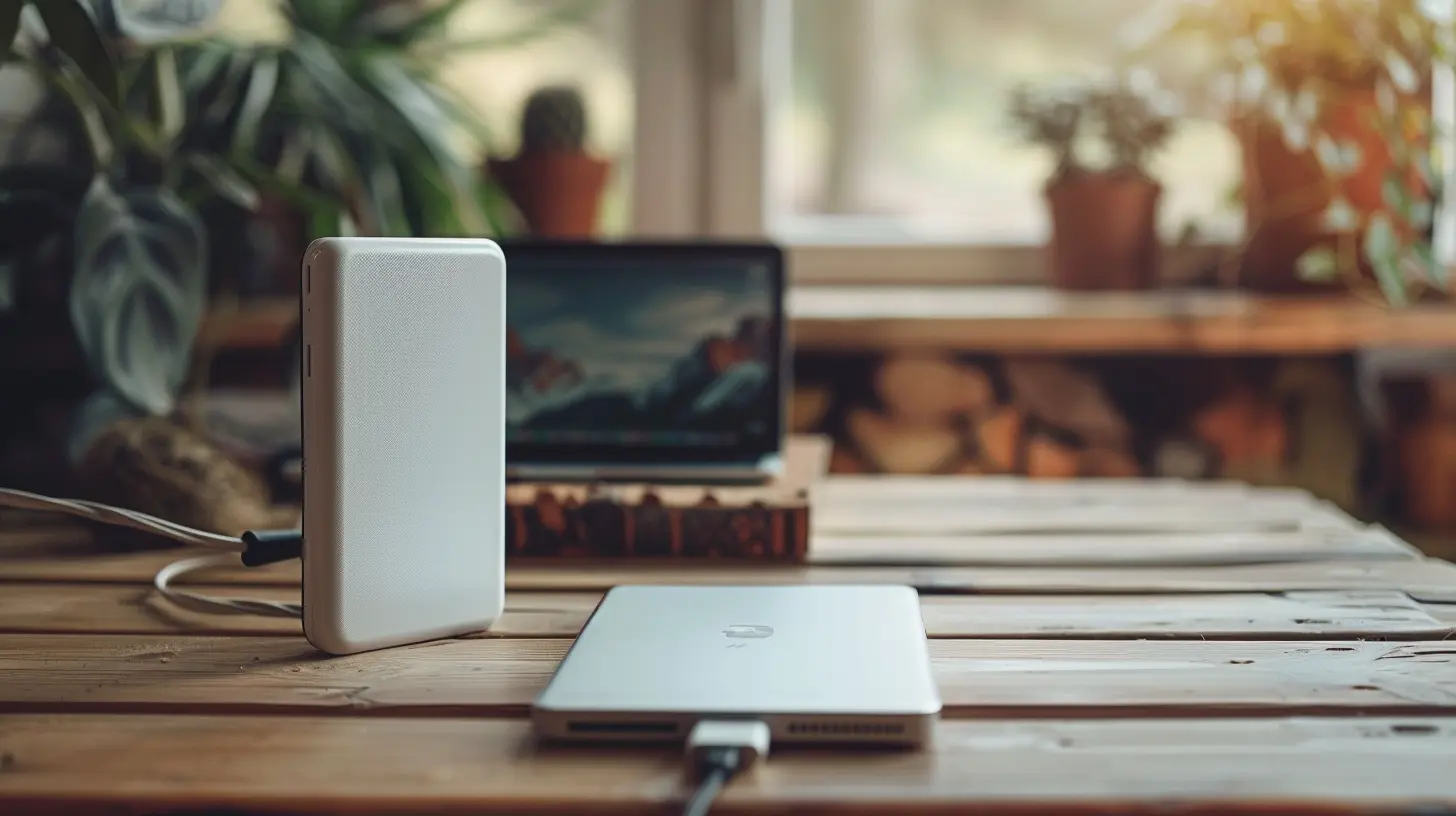
Top Brands Worth Looking At
Let’s make shopping easier. While this isn’t an exhaustive list, here are a few traveler-trusted brands known for quality and reliability:- Anker: Consistently rated as one of the top power bank makers. Great build and fast charging.
- RAVPower: Offers a wide range with good balance between price and performance.
- Aukey: Known for sleek designs and USB-C PD support on many models.
- Zendure: Durable power banks with high-speed capabilities.
Make sure to check reviews and confirm product specs before buying—especially for international compatibility.
Final Thoughts: Which One’s Right for You?
There’s no one-size-fits-all answer, and that’s okay. Just like picking the right suitcase or travel shoes, your power bank should match your style of travel.If you’re a digital nomad juggling multiple gadgets—go big on capacity and fast charging. Weekend hopper on a budget airline? Go light and compact. And if you fall in the middle, a 10,000–15,000 mAh model with two ports and fast charging is usually the perfect sweet spot.
At the end of the day, the right power bank doesn’t just charge your devices—it powers your adventures.
So, ready to make your next trip more electrifying? Go ahead and pack your passport, your camera, and the perfect power bank—and keep those travel memories going, one full charge at a time.
all images in this post were generated using AI tools
Category:
Travel GearAuthor:

Shane Monroe
Discussion
rate this article
2 comments
Elowyn Hurst
Great tips for staying charged abroad!
September 19, 2026 at 3:53 PM
Leo Foster
Choosing a power bank for travel is like picking a travel buddy. You want it reliable, portable, and ready to energize your adventures without drama... or dead phones!
August 27, 2026 at 2:54 AM