Lightweight Gear for Backpacking in Remote Destinations
12 February 2026
Backpacking in remote destinations is an adventure like no other. The thrill of stepping off the beaten path, immersing yourself in breathtaking landscapes, and experiencing raw nature is unbeatable. But let’s be real—hauling around a heavy pack can turn your dream trip into an exhausting struggle.
That’s where lightweight gear comes in! Carrying less weight means covering more ground, moving comfortably, and actually enjoying your journey. Whether you’re trekking through the Himalayas, wandering the Patagonian wilderness, or exploring the Alaskan backcountry, having the right ultralight gear can make all the difference.
In this guide, we’ll dive into the must-have lightweight gear for backpacking in remote areas—so you can hike longer, sleep better, and travel smarter! 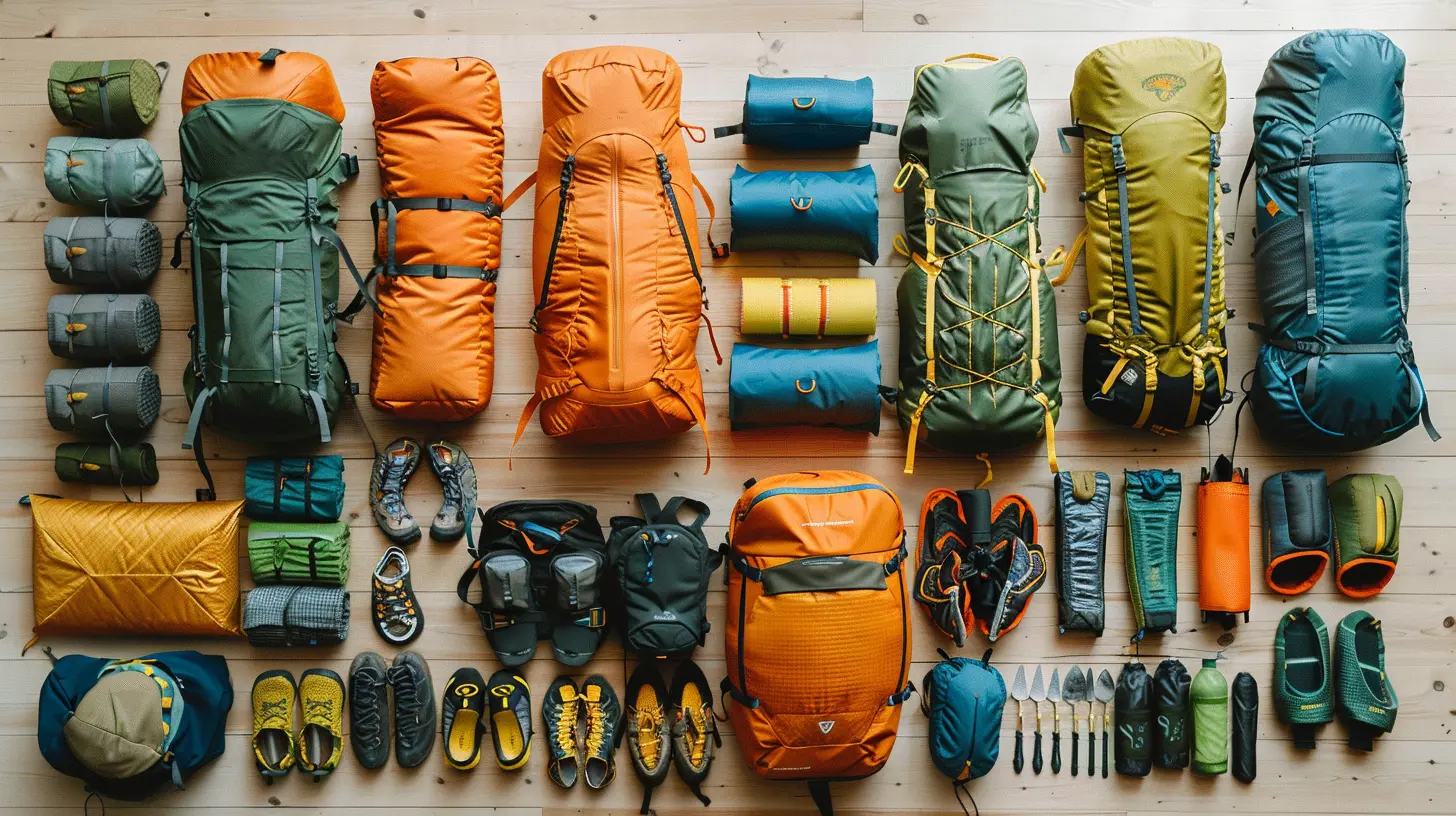
Why Lightweight Gear Matters
Cutting down on weight doesn’t just make your journey easier—it also makes it safer and more enjoyable. Here’s why:- Less fatigue – Carrying less means less strain on your body. You’ll feel fresher at the end of each day.
- More mobility – Lighter packs make rough terrains and steep climbs much easier to handle.
- Faster travel – A lighter load allows you to cover more ground in less time.
- Reduced injury risk – Heavy packs lead to knee and back problems, especially on long treks.
So, what gear should you pack? Let’s break it down piece by piece. 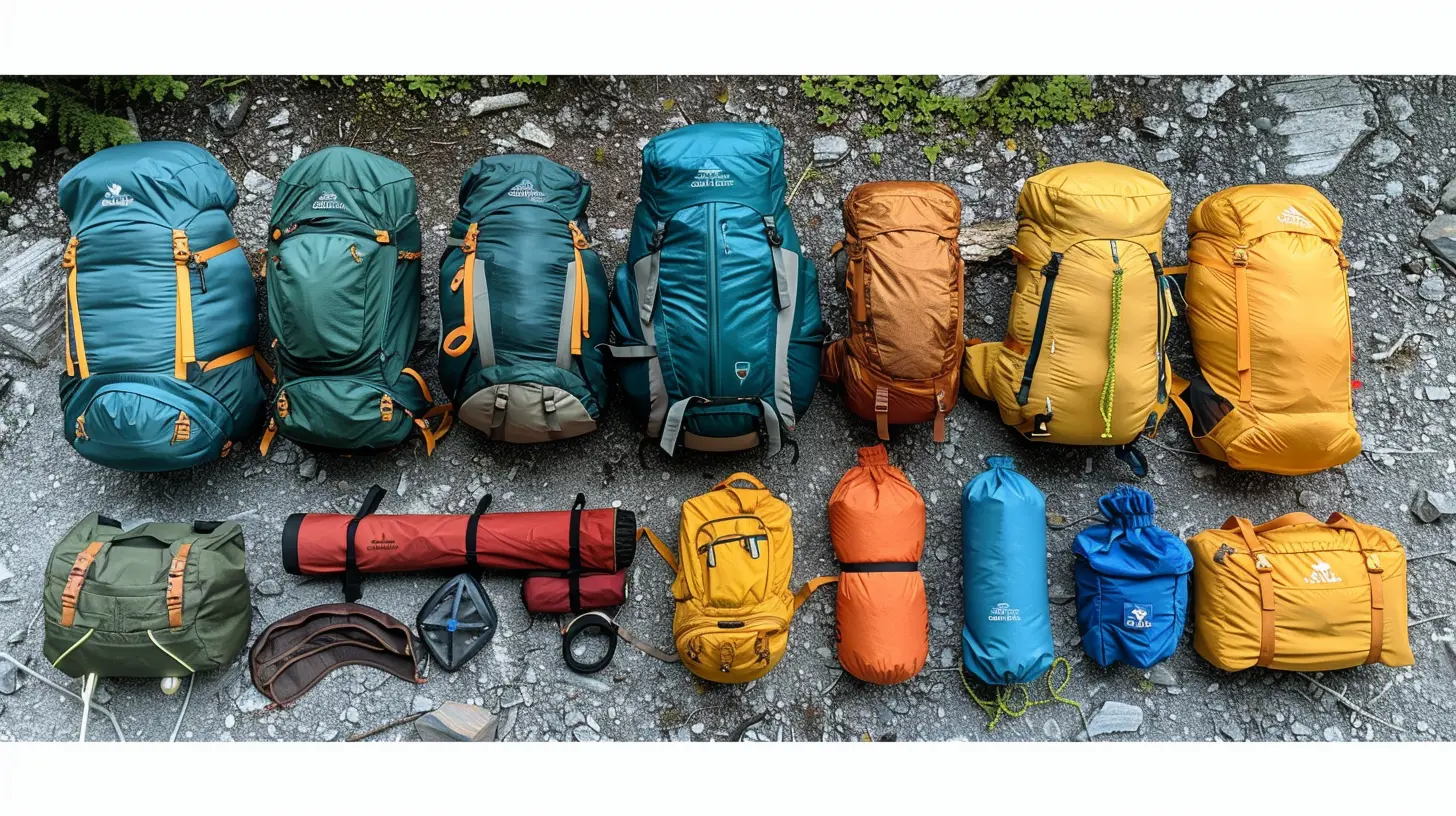
Ultralight Backpack
Your backpack is the foundation of your trip. Choose an ultralight pack that’s durable, comfortable, and big enough to fit your essentials without adding unnecessary weight.What to Look for in a Backpack:
- Weight: Aim for a pack under 2 lbs (1 kg).- Capacity: 40-55 liters is ideal for multi-day trips.
- Frame: Frameless or minimal frame packs save weight but require careful packing.
- Materials: Dyneema and ripstop nylon offer strength without bulk.
Recommended Packs:
- Hyperlite Mountain Gear 2400 Southwest – Ultralight and highly durable.- Zpacks Arc Haul Ultra 50L – Lightweight yet spacious.
- Osprey Exos 48 – A great balance between comfort and lightness.
Shelter: Lightweight Tents, Tarps, and Hammocks
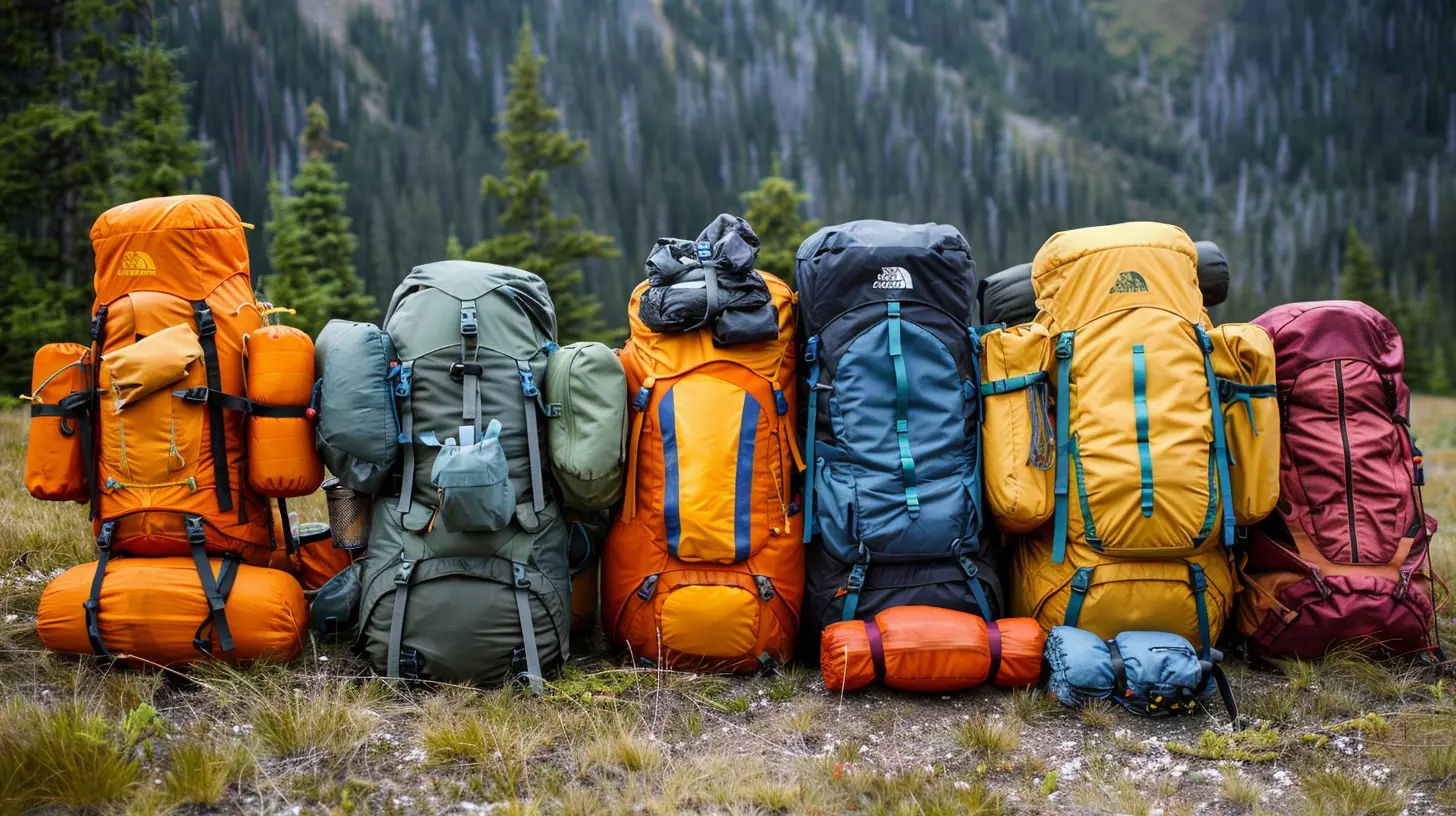
A good shelter keeps you dry, warm, and safe—but a bulky tent isn't necessary!Tent vs. Tarp vs. Hammock
- Ultralight Tent – Best for rough weather conditions and bug protection.- Tarp Shelter – Super lightweight and versatile but requires setup skills.
- Hammock – Great for humid areas with plenty of trees, but not ideal if you prefer sleeping on the ground.
Top Lightweight Shelters:
- Zpacks Duplex – A classic ultralight tent at just 1.2 lbs (540g).- Big Agnes Fly Creek HV UL2 – Compact, reliable, and lightweight.
- Eno Sub6 Hammock – Minimalist and perfect for warm climates.
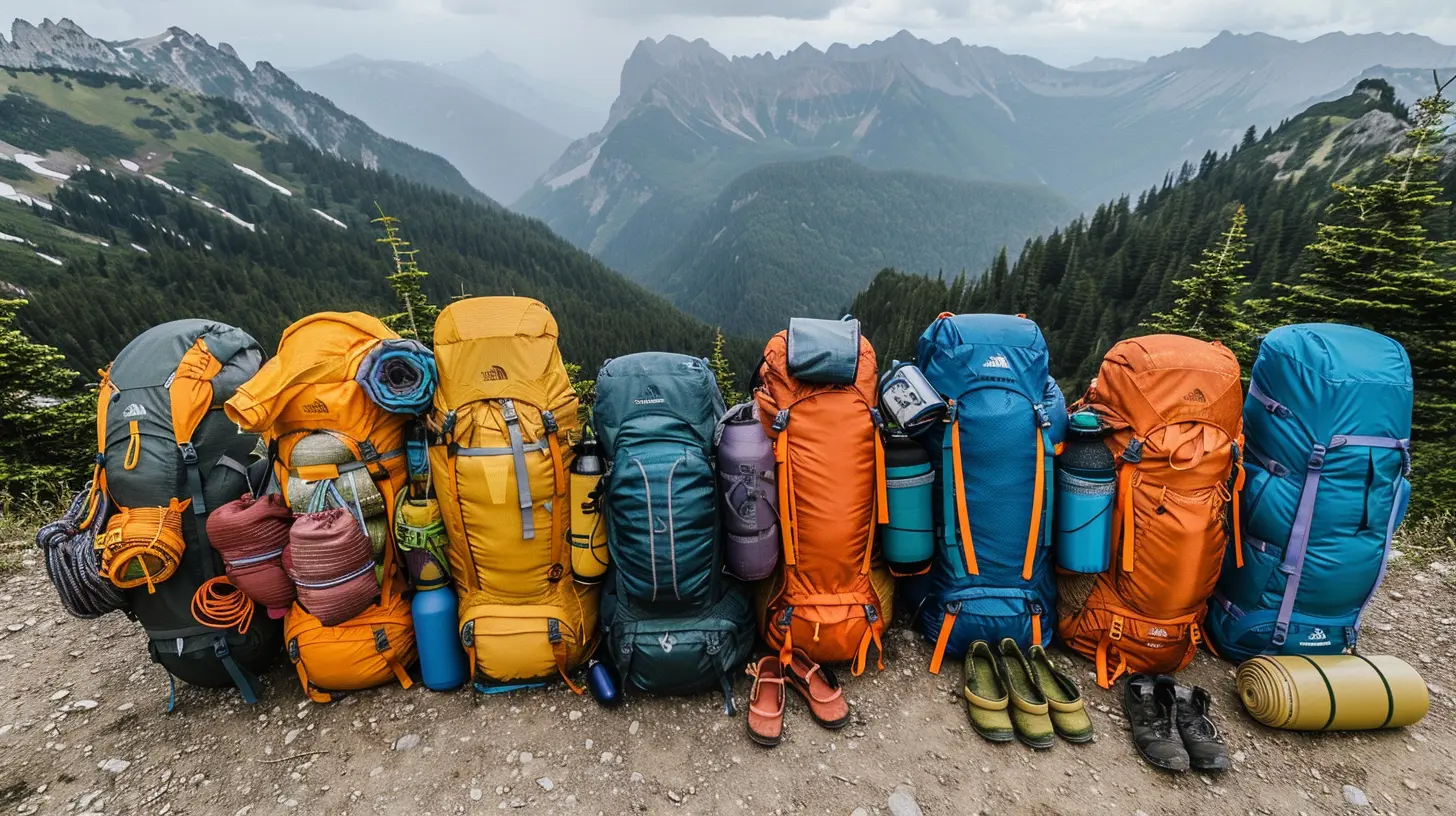
Sleeping System: Ultralight Sleeping Bag and Pad
After a long day of hiking, you need a warm, lightweight, and compact sleeping system to recharge your energy.What to Look for:
- Weight: Keep it under 3 lbs (1.5 kg).- Insulation: Down sleeping bags are lighter and warmer than synthetic.
- R-Value (for sleeping pads): A rating of 3.0+ for three-season trips.
Best Sleep Gear:
- Therm-a-Rest NeoAir XLite – Comfortable and weighs less than a pound.- Western Mountaineering Ultralite 20°F – One of the best lightweight sleeping bags.
- Sea to Summit Spark SpII – Ultralight and warm for its weight.
Cooking Gear: Ultralight Stoves and Cookware
Eating well in the wilderness doesn’t mean carrying a heavy kitchen! These compact cooking essentials will keep you well-fed without the extra pounds.Ultralight Stove Options:
- Alcohol Stoves – Super lightweight but slower cooking times. (e.g., Trangia Spirit Burner)- Canister Stoves – Faster but require fuel canisters. (e.g., MSR PocketRocket 2)
- Solid Fuel Stoves – Simple and highly packable. (e.g., Esbit Ultralight Folding Stove)
Lightweight Cookware:
- Titanium Pots – Durable and featherlight. (e.g., TOAKS Titanium 750ml)- Collapsible Bowl & Mug – Packs down small. (Sea to Summit X-Series)
- Long-Handled Spoon – Essential for eating dehydrated meals. (e.g., Snow Peak Titanium Spork)
Clothing: Layering for Comfort and Efficiency
In remote areas, the right clothing can mean the difference between comfort and misery. Dress in layers to adapt to changing conditions without carrying excess weight.Essential Layers:
- Base Layer (Moisture-wicking & lightweight) – Merino wool or synthetic. (e.g., Icebreaker 150 Tech Tee)- Insulation Layer (Warmth without bulk) – Down or synthetic jacket. (e.g., Patagonia Micro Puff)
- Shell Layer (Wind & water protection) – Lightweight rain jacket. (e.g., Arc'teryx Zeta SL)
- Bottoms – Quick-dry hiking pants or shorts. (e.g., Prana Stretch Zion)
- Footwear – Trail runners instead of heavy boots for most conditions. (e.g., Altra Lone Peak 7)
Water Filtration: Stay Hydrated Safely
Clean water is non-negotiable when you're miles away from civilization. Instead of carrying gallons of water, take a lightweight filtration system.Best Lightweight Water Filters:
- Sawyer Squeeze – Compact, easy to use, and reliable.- Katadyn BeFree – Ultralight and perfect for on-the-go filtering.
- Aquamira Drops – Small and chemical-based alternative.
Navigation & Safety: Stay on Track
Getting lost in the middle of nowhere is the last thing you want. A good navigation system and safety gear are essential.Must-Have Navigation Tools:
- GPS Device (Garmin InReach Mini) – Lightweight and offers emergency communication.- Physical Map & Compass – Backup in case technology fails.
- Smartphone Apps (Gaia GPS, AllTrails, or Maps.me) – For offline navigation.
Essential Safety Gear:
- Ultralight First Aid Kit – Customize it to save weight.- Emergency Bivvy (SOL Escape Lite Bivvy) – Can save your life in unexpected situations.
- Headlamp (Petzl e+Lite) – Tiny but powerful.
Food: Light but Calorie-Dense Options
Backpacking burns serious calories, so your food should be lightweight, nutritious, and easy to prepare.Best Lightweight Backpacking Meals:
- Dehydrated Meals (e.g., Mountain House, Backpacker’s Pantry) – Easy and just need hot water.- Energy Bars (Clif, ProBar, RXBAR) – Portable and high in calories.
- Nuts & Trail Mix – Dense energy in a small package.
- Instant Oatmeal & Powdered Soup – Lightweight and filling.
Final Thoughts
Backpacking in remote destinations is an unforgettable experience—but carrying too much weight can ruin the adventure. By choosing ultralight gear, you’ll hike faster, feel better, and fully enjoy the journey without unnecessary strain.From lightweight backpacks and sleeping gear to minimalist cooking setups and smart clothing choices, every ounce counts. Invest in quality ultralight gear, pack smart, and get ready for the adventure of a lifetime!
all images in this post were generated using AI tools
Category:
Travel GearAuthor:

Shane Monroe
Discussion
rate this article
2 comments
Marni Frye
Great tips! Lightweight gear truly enhances the backpacking experience in remote locations. Happy trails!
February 17, 2026 at 6:00 AM
Shane Monroe
Thank you! I'm glad you found the tips helpful. Wishing you many happy adventures on the trails!
Noemi McWhorter
Great insights! Lightweight gear truly enhances the backpacking experience, allowing for more exploration and unforgettable adventures in remote destinations. Happy trails!
February 16, 2026 at 3:30 PM
Shane Monroe
Thank you! I’m glad you found the insights helpful. Happy backpacking adventures to you!