Maori Culture and Myths in Aotearoa New Zealand
27 November 2026
From the moment you set foot in Aotearoa New Zealand, you’ll feel it — a deep, ancient heartbeat pulsing beneath the landscapes. It’s in the towering mountains, the wild coasts, and the misty forests. It’s the soul of the land, shaped by centuries of rich, powerful traditions: the culture and stories of the Māori.
Let’s take a journey through time and myth, unraveling the vibrant threads of Māori culture that continue to shape New Zealand today. Whether you’re planning a trip, already there, or sitting somewhere halfway around the world dreaming about it — this one’s for you.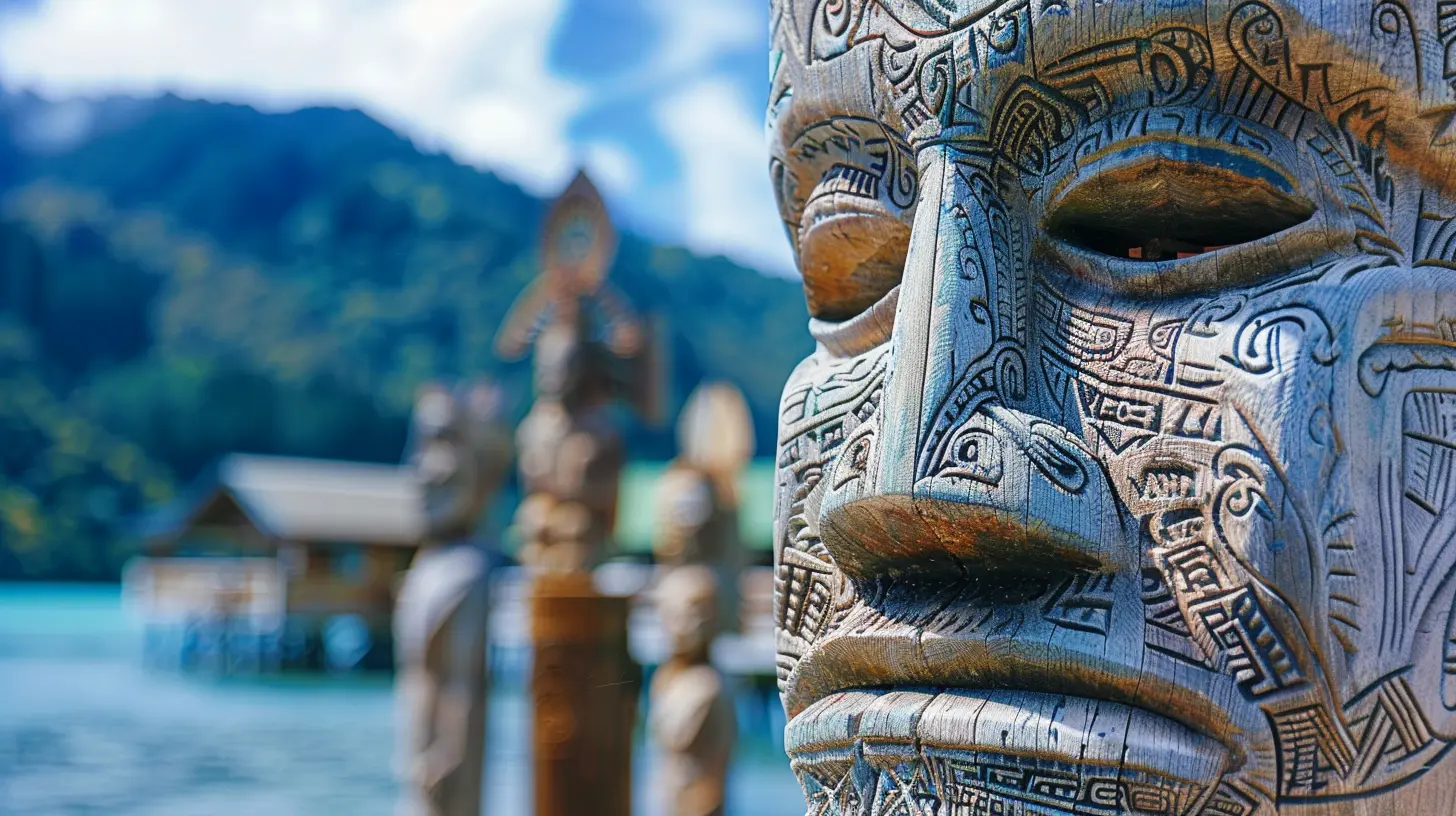
? Who Are the Māori?
The Māori are the indigenous people of Aotearoa (the Māori name for New Zealand), descended from Polynesian navigators who arrived by waka (canoe) over a thousand years ago. These seafaring explorers didn’t just stumble across New Zealand — they sailed there with intention, guided by the stars, ocean currents, and ancestral wisdom.Over generations, the Māori developed a unique culture rooted in the land, with traditions, language (Te Reo Māori), and a worldview that emphasizes a strong connection to nature, family, and community.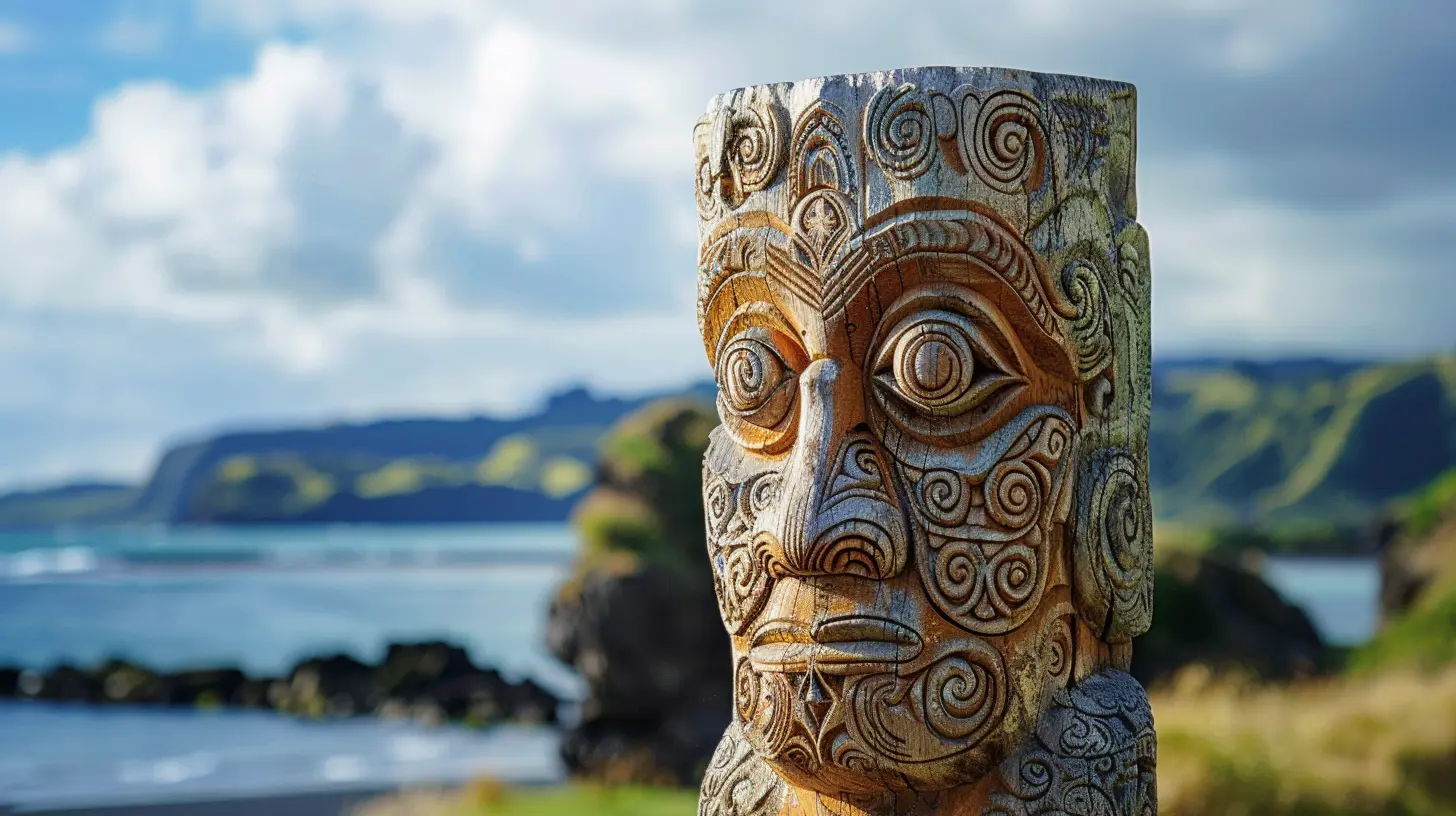
? A Culture Built on Whakapapa (Genealogy)
One of the pillars of Māori culture is whakapapa, the concept of genealogy. But it’s not just about who your grandparents were — it’s about connection. Everything is connected: people, mountains, rivers, trees, even the stars. Whakapapa tells the story of where you come from and where you belong.When Māori people introduce themselves, they don't just say their name. They’ll tell you their mountain, their river, their iwi (tribe), and their waka. It’s a beautiful reminder that identity is rooted not only in family but also in the land and ancestors.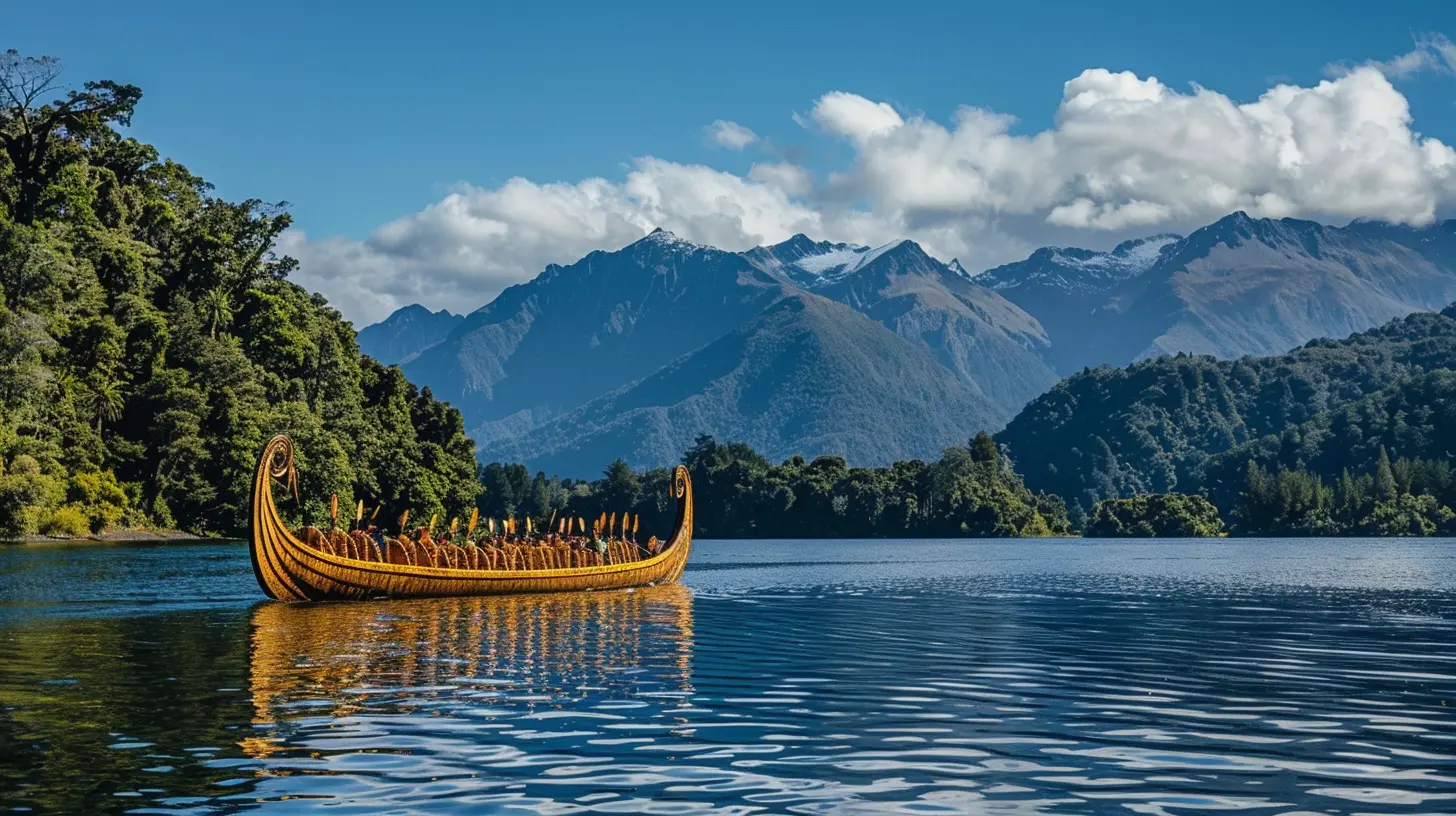
? The World of Māori Myths and Legends
What really sets Māori culture apart is its rich tapestry of myths and legends — stories passed down through generations by word of mouth, often through song, dance, and carving. These aren’t just bedtime stories. They’re origin stories. Life lessons. Cultural cornerstones.Let’s dive into a few of the most famous:
? Māui – The Trickster Hero
If there’s one name you’ll hear again and again in Māori mythology, it’s Māui. Think of him like the clever, cheeky little brother of the gods. He’s the one who always has a plan (sometimes a questionable one), but somehow things (usually) work out.You’ve probably heard of him from the movie Moana — but the real Māui is even more legendary in New Zealand.
- He fished up the North Island (Te Ika-a-Māui) using a magic jawbone.
- He slowed down the sun, so people had more daylight to work.
- He even tried to defeat death — though that one didn’t go quite as planned.
Māui’s tales are more than just entertaining. They teach resilience, ingenuity, and the importance of respecting the balance of nature.
?️ Ranginui and Papatūānuku – The Sky Father and Earth Mother
Every culture has a creation story. For the Māori, it begins with Ranginui (the Sky Father) and Papatūānuku (the Earth Mother), who were once locked in a tight embrace. Their children, cramped in darkness, decided to separate their parents — tearing sky from earth and creating the world of light we now live in.This myth beautifully explains the Māori worldview: the land is sacred, the sky is alive, and all beings are descendants of these primal forces. It’s not just storytelling — it’s a spiritual and environmental philosophy in action.
? Tangaroa – God of the Sea
When you’re in a land surrounded by ocean, it’s no surprise the sea plays a huge role in culture and myth. Tangaroa, god of the sea, is a powerful figure who demands respect. The ocean isn’t just a food source — it’s a living entity.That’s why Māori fishing practices were (and still are) guided by customs like rahui (temporary bans) to let resources replenish. It’s ancient conservation — probably more effective than some modern policies.
? Hine-nui-te-pō – The Goddess of Death
Death, in Māori belief, is not the end but a return. It’s under the guardianship of Hine-nui-te-pō, the goddess of the afterlife. Her story is deeply tied to Māui’s — he tried to conquer death by entering her body, but he failed. Death remains a part of life.Rather than being feared, Hine-nui-te-pō is respected as the keeper of the spirit world, Te Pō. Her story reflects how Māori culture embraces the full cycle of life — birth, living, death, and ancestry.
? The Marae: Heart of the Community
You can't talk about Māori culture without mentioning the marae — a sacred meeting place for tribes and families. It’s where customs are practiced, ceremonies held, and important discussions take place.Visiting a marae is like entering the living room of a whole people. It’s not about the building — it’s about the community, the connection, the kaupapa (purpose). Visitors are often welcomed with a pōwhiri (traditional welcoming ceremony), full of singing, speeches, and deep respect.
? The Arts: Carving, Weaving, Tattoos, and More
Māori are master storytellers not just in words, but in their art.- Whakairo (Carving): Found on buildings, canoes, and weapons — each groove tells a story.
- Raranga (Weaving): Harakeke (flax) is turned into stunning cloaks, baskets, and mats, often used in ceremonies.
- Ta moko (Tattoos): These aren’t just art — they’re sacred markers of identity and status. Once etched with chisels, today’s ta moko is a modern revival of an ancient tradition.
Even haka, the famous dance made famous worldwide by the All Blacks, is part of this storytelling tradition. It’s powerful, emotional, and very real — a way to express unity, defiance, respect, and pride.
? Language Revival: Te Reo Māori and the Fight Back
Let’s get one thing straight — Te Reo Māori nearly disappeared. For decades, speaking it in schools was discouraged or outright banned.But guess what? The language didn’t die. It adapted. It fought back. And now, it’s making a stunning comeback.
From children’s books and TV shows to dedicated language weeks and bilingual signs, Te Reo Māori is thriving again — and you’ll hear it everywhere.
Even learning a few words (like kia ora for hello) can go a long way when traveling.
? Experiencing Māori Culture as a Visitor
Want to truly connect with Māori culture while visiting New Zealand? Good news — it’s not hard, and it’s incredibly meaningful. Here are a few must-do experiences:1. Attend a Cultural Performance
Places like Rotorua or Waitangi offer powerful shows with haka, poi dances, storytelling, and traditional feasts (called hāngi — a meal cooked underground on hot stones). It's not just dinner and a show — it’s an invitation into a different way of seeing the world.2. Visit a Marae (if welcomed)
Some marae are open to visitors, and being welcomed in a pōwhiri is an unforgettable honor. Just be respectful, follow the protocol, and listen more than you speak.3. Explore Museums and Cultural Centers
Institutions like Te Papa Tongarewa in Wellington offer incredible insight into Māori history, art, and contemporary life. It’s interactive, immersive, and totally worth your time.4. Join Guided Tours by Māori Guides
From sacred lakes to mountain treks, exploring with a Māori guide brings the land to life in a way you just won’t get from a brochure.? A Living Culture, Not Just a Tourist Attraction
Here’s something to really let sink in: Māori culture isn’t a “relic.” It’s not frozen in time or just something to gawk at. It’s living, breathing, evolving — deeply woven into the everyday life of Aotearoa New Zealand.From politics and education to art and environmental practices, Māori ideas, values, and voices are front and center. And when you visit with open eyes and an open heart, you don't just witness it — you feel it.
✈️ Before You Go: Respect and Reconnection
If you’re headed to New Zealand, take the time to engage with Māori culture not just as a tourist, but as a learner. Say kia ora. Listen to the stories. Ask questions. Support Māori-led businesses. And remember that every mountain, river, and tree has a story — and someone who still tells it.Māori culture has survived colonization, language bans, and land loss. Now it's rising — bold, proud, and fierce as ever. And you? You get to be part of that story, even if just as a humble traveler passing through. Not bad, right?
Final Thoughts
Aotearoa isn’t just beautiful because of its landscapes. It’s beautiful because of its soul — and that soul is Māori. Their myths whisper through the forests, dance on the waves, and echo in the haka.So next time you’re standing on a New Zealand hilltop, watching the sun rise slowly over the ocean, think of Māui slowing it down. Think of Papatūānuku cradling your feet. Think of the people who have told these stories for centuries — and still do.
And maybe, just maybe, let some of that magic sink into your own story, too.
all images in this post were generated using AI tools
Category:
Cultural ToursAuthor:

Shane Monroe