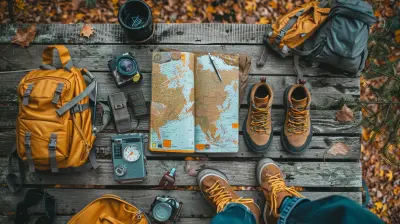
Mastering the Art of Budget Backpacking by 2027
5 May 2026
Let me paint you a picture. It's 2027, and you're sitting on a dusty train platform in rural Vietnam, a cold bottle of local beer in your hand, watching the sun melt into rice paddies. Your wallet is light, your backpack is worn, and you haven't checked your bank account in three days because you know you're still ahead of the game. This isn't a fantasy. This is budget backpacking done right, and by 2027, it's going to be a whole new ballgame.
I've been traveling on a shoestring for over a decade, and I've seen the landscape shift. Gone are the days when a crumpled guidebook and a prayer were enough. The world is getting smarter, more connected, and frankly, more expensive in some places. But here's the secret: the art of budget backpacking isn't about being cheap. It's about being clever. It's about trading time for money, knowing where to splurge (yes, on that one amazing meal), and using the tools of the future to stretch a dollar further than you ever thought possible.
So, how do you master this art by 2027? Strap in. We're going deep.
Why 2027 Changes Everything
First, let's talk about why the year 2027 matters. It's not just a random date on a calendar. By then, several trends will have fully matured.Think about artificial intelligence. By 2027, AI isn't just a chatbot that writes your emails. It's a personal travel agent that lives in your pocket. It can scan thousands of flight routes, bus schedules, and even local market prices to find you the cheapest way from A to B in real-time. It can translate menus, negotiate prices in local dialects (if you let it), and even predict which hostels will be noisy on a Tuesday night.
Then there's the sharing economy. It's not just for spare rooms anymore. By 2027, you'll be swapping skills, gear, and even entire apartments with other travelers on decentralized platforms. You won't just be saving money; you'll be building a global network of travel buddies who owe you a favor.
And finally, the climate. Travel patterns are shifting. Popular destinations are becoming crowded and expensive, while lesser-known spots are opening up thanks to better infrastructure. The budget backpacker of 2027 doesn't follow the herd. They find the herd's blind spots.
The New Golden Rules of Budget Backpacking
Let's scrap the old rules. Forget "always stay in the cheapest hostel" or "eat street food only." Those are half-truths from a bygone era. Here are the real rules for 2027.Rule #1: Your Backpack is Your Bank Account
This sounds dramatic, but stick with me. Every item you carry costs you something. It costs weight, space, and potential income. By 2027, the smartest backpackers treat their bag like a mobile asset.What does that mean? It means you pack items that can earn their keep. A portable solar panel? It charges your devices, saving you money on power banks and cafe electricity. A high-quality water filter? It saves you from buying plastic bottles every day. A lightweight laptop or tablet? It lets you work remotely for a few hours a week, funding your next leg of the trip.
The goal is to have a backpack that doesn't just consume money but generates it. Every item asks the question: "Do you pay for me, or do I pay for you?"
Rule #2: Master the Art of the "Slow Blink"
This is a concept I stole from observing cats, but it works for travel. A slow blink is a sign of trust and patience. In budget backpacking, it means slowing down.When you rush through a country, you pay a premium. You take the expensive direct flight. You eat at the tourist-trap restaurant because you're too tired to find the good spot. You pay for a taxi because you don't have time to figure out the local bus.
But when you slow down, the world opens up. You have time to find the weekly market where locals buy food for a fraction of the price. You can wait for the overnight bus that saves you a night's accommodation. You can barter for a better room rate because you're staying for a week, not a night.
By 2027, the slow blink is your superpower. It's not about being lazy. It's about being deliberate. It turns time into your biggest currency.
Rule #3: Become a "Digital Nomad Apprentice"
You don't need to be a tech wizard to make money on the road. By 2027, the barriers to entry for remote work will be lower than ever.Think about it. You can teach English online from a beach in Thailand. You can edit photos for a small business back home while sitting in a Moroccan riad. You can do virtual assistant work, data entry, or even sell digital products like travel guides you wrote yourself.
The key is to start before you leave. Even earning $50 a week can completely change your budget. That's a private room instead of a dorm bed. That's a cooking class instead of instant noodles. It's the difference between surviving and thriving.
I'm not saying you have to work every day. I'm saying you should have a skill that travels with you. It's your safety net and your upgrade fund rolled into one.
Rule #4: Forget "Cheap." Think "Value."
Here's a hard truth I learned the expensive way: the cheapest option is rarely the best value.A $5 hostel bed in a noisy, dirty room with no lockers will cost you sleep, peace of mind, and maybe your phone. A $15 hostel with good security, a clean kitchen, and a social vibe is a better deal because it saves you money on eating out, laundry, and replacing stolen gear.
The same goes for transportation. That $20 bus that takes 12 hours with no bathroom might seem like a steal. But if it arrives at 3 AM in a sketchy part of town, and you have to spend $10 on a taxi to get to a safe area, you've lost time and money. A $30 bus that arrives at 8 AM in the city center is the real bargain.
By 2027, you need to calculate the "hidden costs" of being cheap. Add up the stress, the lost time, and the potential expenses. Then make your choice.
The Tools You'll Use in 2027
Let's get practical. What will your digital toolkit look like?First, you'll have an AI travel assistant. Not a generic one, but one trained on your preferences. It knows you hate early mornings, love street food, and prefer hostels with a quiet reading nook. It will suggest itineraries that match your budget and personality.
Second, you'll use decentralized booking platforms. These cut out the middleman. Instead of paying a big corporation a 20% commission, you'll book directly with a local homestay owner, using a smart contract that releases payment only when you check in. This saves you money and puts more cash in the local economy.
Third, you'll rely on digital currencies and peer-to-peer exchange. Forget carrying cash or paying high ATM fees. By 2027, many budget-friendly countries will have stable digital currencies that you can use for everything from a bowl of noodles to a bus ticket. You'll also swap currencies with other travelers at fair rates, bypassing the banks entirely.
Finally, you'll use community-driven apps for everything. Need a ride? There's a carpooling app for backpackers. Need a guide? There's a platform where locals offer walking tours for tips. Need a place to crash? There's a network where you trade a few hours of work (teaching, gardening, cleaning) for a free bed. It's the sharing economy on steroids.
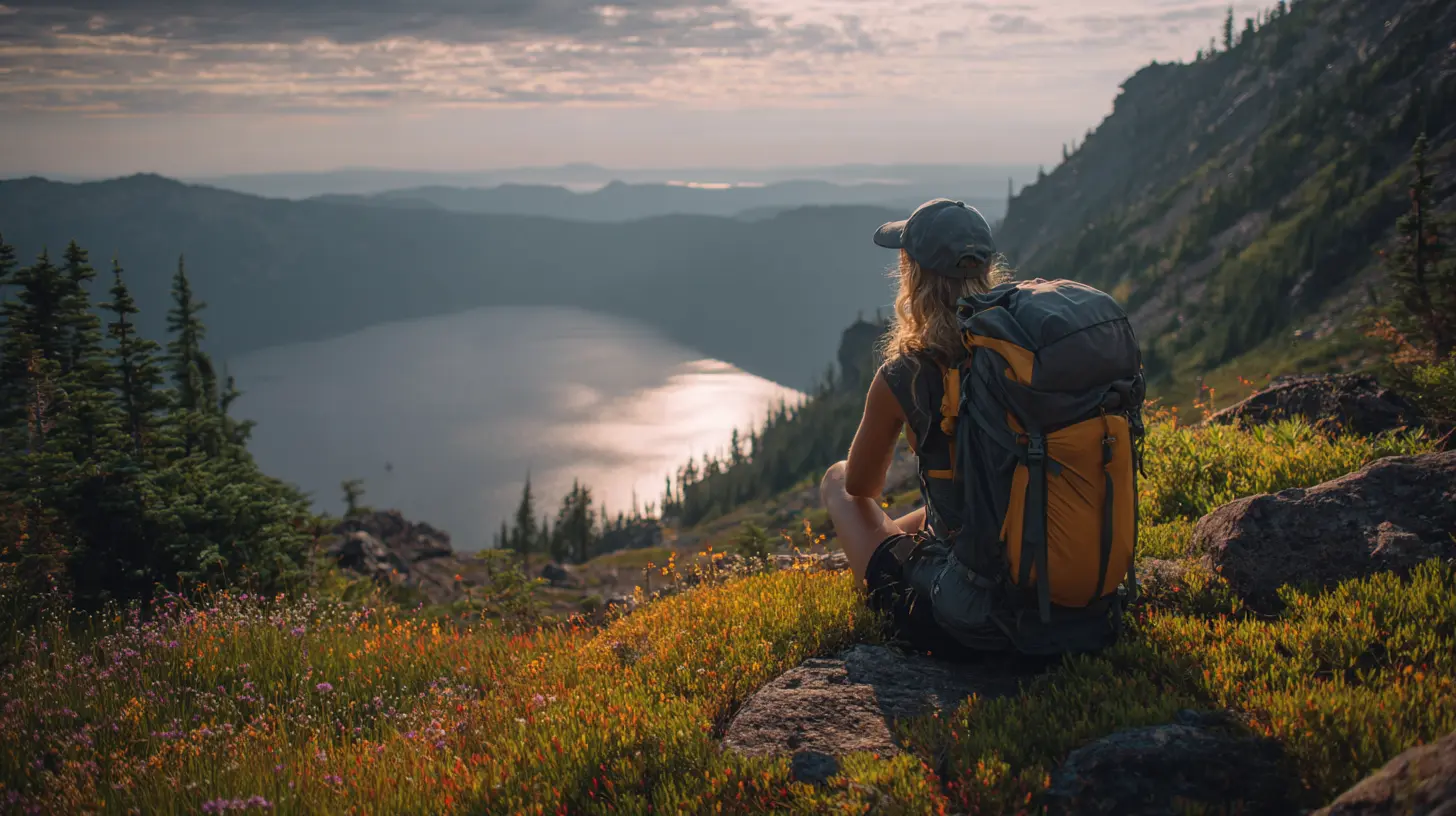
The Mental Game: How to Handle the Hard Days
Let's be real. Budget backpacking is not always glamorous. You will have days when you're tired, hungry, and lost. You'll get sick from street food. You'll miss a bus. You'll argue with a hostel owner over a broken fan.By 2027, the physical challenges won't change much. But your mental toolkit needs to be upgraded.
The first trick is to reframe discomfort as adventure. That cold shower? It's a test of your grit. That flat tire on your rental bike? It's a story you'll tell for years. The key is to stop seeing problems as failures and start seeing them as plot twists.
The second trick is to build a "tribe on the fly." Budget backpacking is lonely if you let it be. But by 2027, connecting with other travelers is easier than ever. You'll join location-based chat groups, attend free walking tours, and crash at hostels that host family dinners. You'll meet people who are on the same wavelength. These connections become your support system. They share tips, split costs, and remind you why you're doing this.
The third trick is to schedule "luxury moments." Yes, even on a tight budget. Plan for one amazing thing per week. It could be a fancy dinner, a spa treatment, or a guided tour. This gives you something to look forward to. It breaks the monotony of cheap noodles and dorm beds. And it reminds you that budget backpacking isn't about deprivation. It's about choosing where your money goes.
The Specifics: Where to Go and What to Avoid
Not all destinations are created equal for the budget traveler. By 2027, some classic spots will be too expensive for the shoestring crowd. Others will be hidden gems.Avoid the obvious hype. Places like Bali, Amsterdam, and parts of Thailand are becoming premium experiences. You can still go, but you'll need a bigger budget. Instead, look for "second cities." Think: Medellin instead of Bogota. Hoi An instead of Hanoi. Porto instead of Lisbon. These places offer the same culture and beauty but at a fraction of the price.
Also, look for countries with weak currencies and strong infrastructure. Georgia, Colombia, Vietnam, and parts of Eastern Europe (like Romania or Bulgaria) will be prime spots. They have good internet, safe streets, and a cost of living that makes your dollar feel like a fistful of cash.
Avoid the trap of "must-see" attractions. The Eiffel Tower is great, but it costs money and time. The real magic of budget backpacking is in the in-between moments. The random conversation with a shopkeeper. The hike to a waterfall that no one told you about. The meal shared with a family who invited you in.
Your itinerary should be a loose collection of possibilities, not a rigid list. Leave room for spontaneity.
The Final Piece: Your Financial Blueprint
Let's wrap this up with the numbers. By 2027, a realistic daily budget for a smart backpacker is $30 to $50 per day, depending on the region. That covers accommodation, food, local transport, and one activity.How do you get there? You pre-plan your big expenses. Flights are your biggest cost. Book them 6 to 8 weeks ahead using AI price trackers. Never book last minute. For accommodations, mix it up. Stay in hostels, but also try work exchanges, house-sitting, and homestays.
For food, eat where locals eat. Avoid restaurants with menus in English and pictures of the food. Walk one block off the main square and find the spot with plastic chairs and a line. That's where the real food is.
For transport, use overnight options. A night bus or train saves you a night's accommodation. It's uncomfortable, but it's efficient.
And always, always have a buffer fund. Keep $200 to $500 in a separate account for emergencies. A lost passport, a sudden illness, or a flight change can ruin a trip if you have zero margin. This is not negotiable.
The Bottom Line
Mastering the art of budget backpacking by 2027 is not about being a cheapskate. It's about being a strategist. It's about using technology, community, and a slow pace to create a travel experience that is rich in every sense except the financial one.You won't have the finest hotels or the fastest flights. But you will have stories that money can't buy. You will have friends in every time zone. You will have a deep understanding of what it means to live simply and fully.
So start planning now. Download the apps, learn a few skills, and pack light. The world is waiting, and it's cheaper than you think.
all images in this post were generated using AI tools
Category:
Backpacking TipsAuthor:

Shane Monroe
Discussion
rate this article
2 comments
Valentina Reyes
If I don't master budgeting by 2027, I'll just start charging my snacks as "travel expenses." Who knew chips could be so enlightening?
May 10, 2026 at 3:18 AM
Shane Monroe
Budgeting can be a tough journey, but at least those snacks will keep you fueled for the adventure!
Dusk McKee
Practical tips make budget backpacking easier and more enjoyable.
May 7, 2026 at 5:04 AM
Shane Monroe
Glad you found the tips helpful! Enjoy your adventures on a budget.