Maximize Your Independence: Navigating Public Transportation Solo
3 June 2026
Public transportation can be a game-changer if you’re looking to reclaim your independence. Whether you're commuting to work, running errands, or traveling to a new city, knowing how to navigate buses, trains, and subways on your own is a skill that can save you time, money, and stress.
But let’s be honest—using public transport solo can feel intimidating at first. What if you miss your stop? What if you don’t understand the transit map? Don't worry! With the right approach, you can confidently get from point A to point B without breaking a sweat.
So, let’s dive into how you can master public transportation like a pro and truly maximize your freedom. 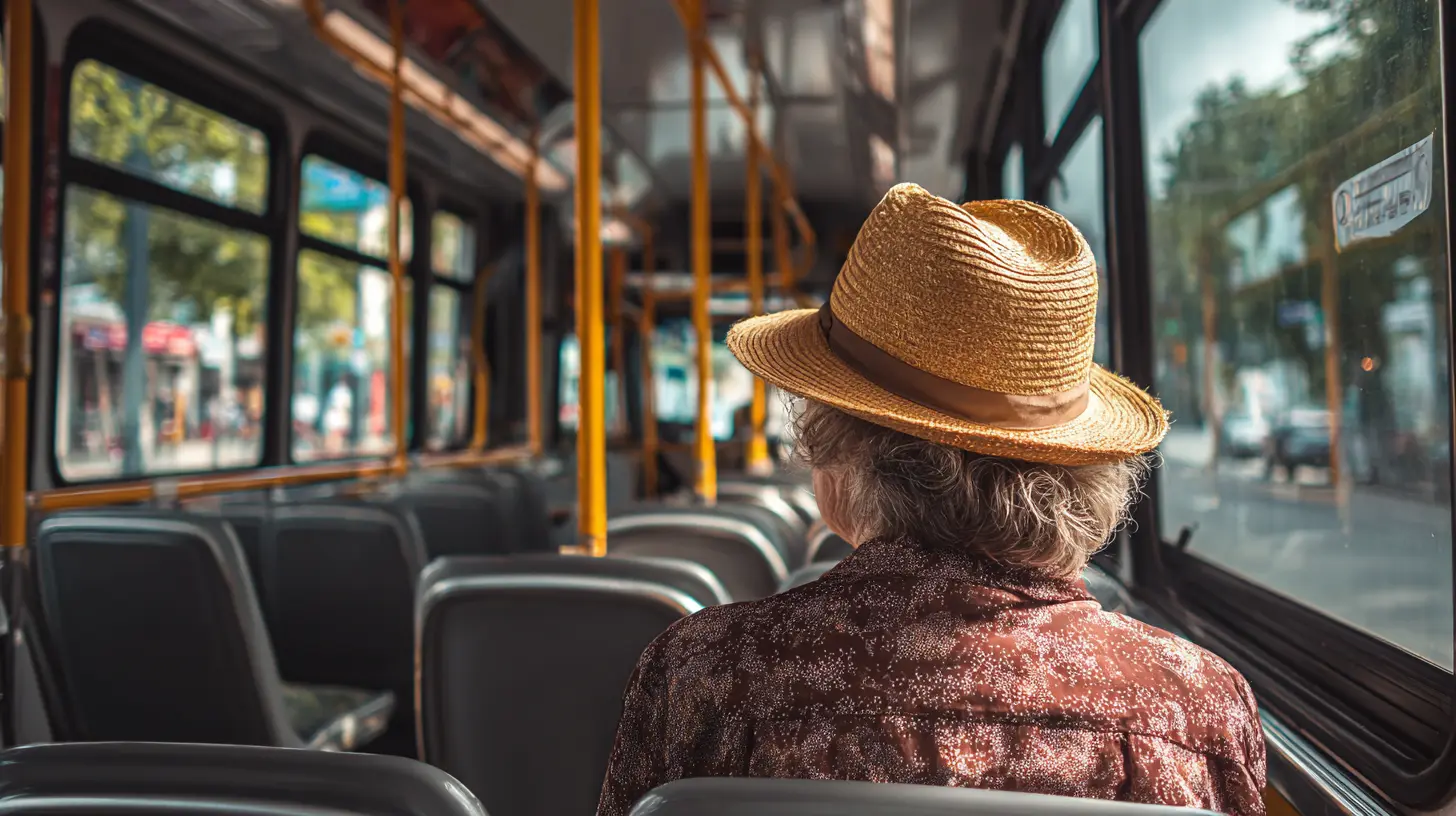
Why Public Transportation is the Key to Independence
Imagine being able to go wherever you want, whenever you want, without relying on anyone else. That’s the beauty of public transportation!- Cost-effective – No gas, no parking fees, no Uber surge pricing.
- Eco-friendly – Taking a bus or train reduces your carbon footprint.
- Convenient – Public transport runs on a fixed schedule—once you master it, you're all set.
- Inclusive – Whether you don’t own a car or simply prefer a hassle-free commute, public transit makes life easier.
The benefits are undeniable, but success lies in knowing how to use the system efficiently. 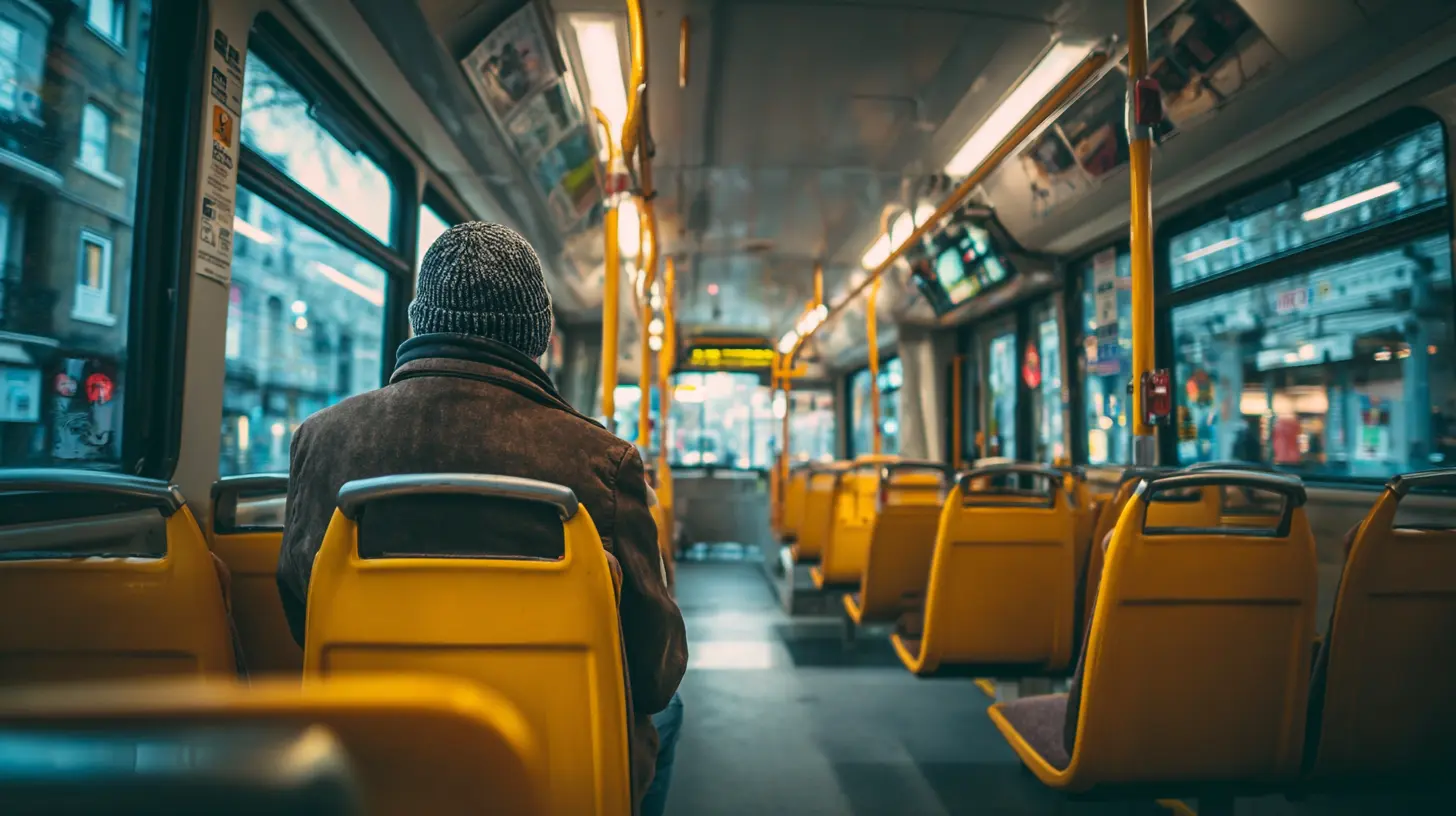
Understanding Public Transportation Systems
Before you start your solo adventure on public transportation, you need to know the basics of how these systems work. Let’s break it down.1. Types of Public Transportation
Most cities have several forms of public transit available:- Buses – Most commonly used, with designated stops and fixed routes.
- Subways & Metro Systems – Underground or elevated trains that run frequently in urban areas.
- Trams & Trolleys – A hybrid between buses and trains, running on tracks but often within city streets.
- Ferries – Useful in cities with large bodies of water, connecting neighborhoods via boat.
Each mode of transport has different rules and payment methods, so understanding these in advance helps prevent confusion.
2. How to Read Transit Maps
Transit maps can look like a giant plate of spaghetti the first time you see them. The key is to:- Locate your starting point and destination – Find your current location and figure out where you need to go.
- Identify the route numbers or line colors – Different routes have unique identifiers that help you navigate.
- Look for transfer points – If a direct route isn’t available, find where you need to switch lines or modes.
Most transit systems have interactive websites and mobile apps that can plan your trip for you! 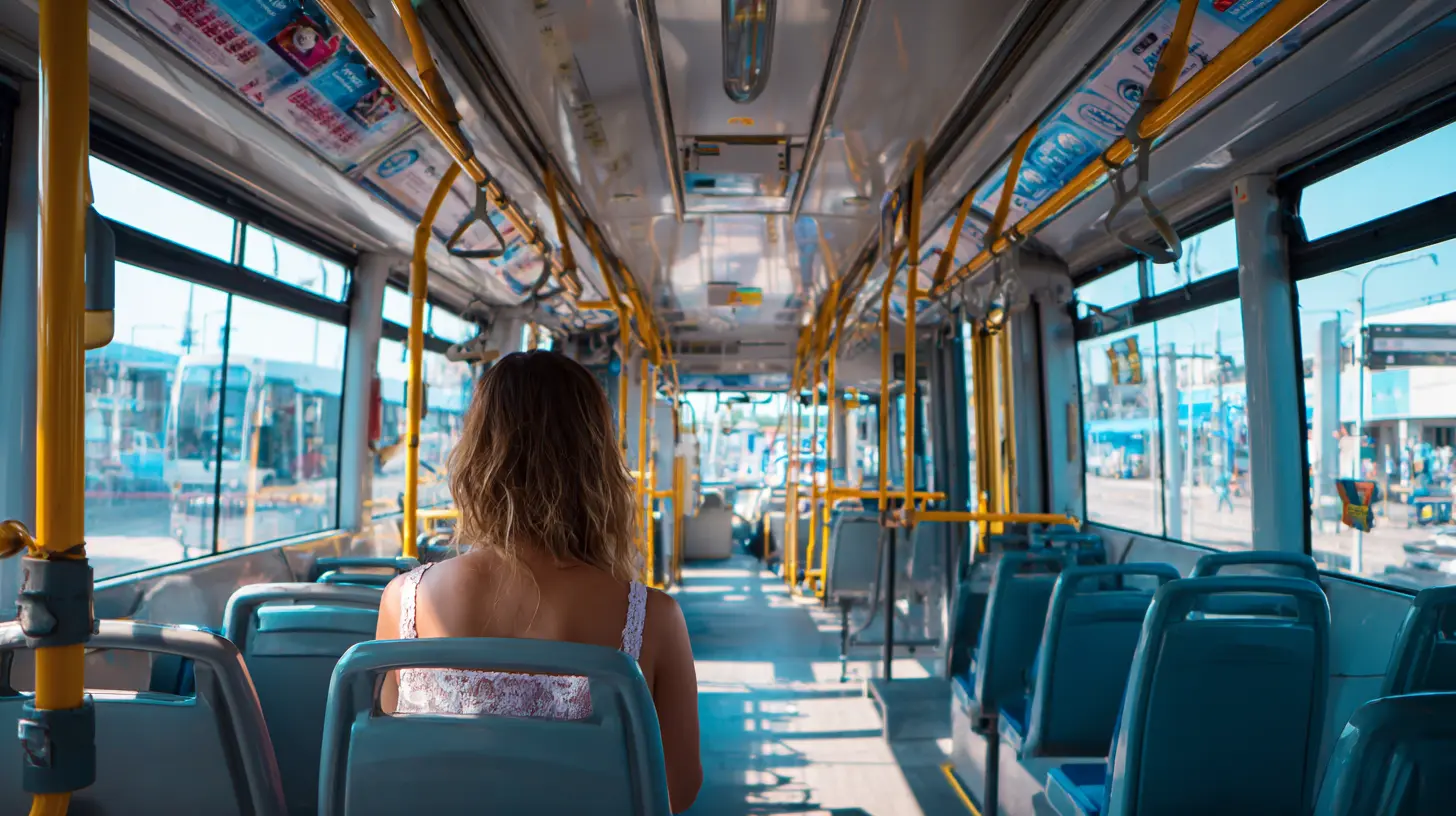
Essential Tips for Riding Public Transport Solo
1. Plan Ahead & Know Your Schedule
Checking schedules in advance can save you from unnecessary stress. Transit apps like Google Maps, Citymapper, and Moovit provide real-time updates on delays, bus times, and metro schedules.Some key things to check before heading out:
✅ First & last service times – You don’t want to miss the last ride home!
✅ Frequency of service – Some routes run every 5 minutes, while others come only once an hour.
✅ Peak vs. off-peak hours – Traveling outside rush hour makes solo commuting much easier.
2. Always Have a Backup Plan
Things don’t always go according to plan—buses break down, trains get delayed, and weather conditions can cause interruptions. Always have an alternative route in mind.If your bus doesn’t show up, can you walk to another stop? If the train is delayed, is there a different line you can take? Knowing your options makes you more adaptable.
3. Be Mindful of Your Surroundings
Safety should always be a priority when traveling alone. Here are some golden rules:- Know your stop beforehand – Avoid scrambling at the last second.
- Stay aware of your belongings – Keep your bag in front of you and stay alert.
- Avoid distractions – Headphones are great, but don’t block out important announcements.
- Trust your instincts – If something feels off, move to a busier area.
4. Get Comfortable with Payment Methods
Many public transport systems now use smart cards, mobile apps, and contactless payments instead of cash.- Check what’s accepted in your city – Some places require exact change, while others have prepaid cards.
- Know where to purchase fares – Some buses allow onboard payment, while trains often require tickets in advance.
- Consider day passes – If you’re using public transport multiple times a day, these can save money.
Pro tip: Many transit apps also let you buy tickets digitally, so look into that before heading out.
5. Practice Before Any Big Trips
If you're new to using public transport solo, start small. Pick an easy route, like a short ride to a familiar spot, before tackling longer, more complex trips.This helps you gain confidence and get used to the logistics without unnecessary stress. 
Overcoming Common Challenges
Even the most seasoned solo travelers face hiccups when using public transport. Here’s how to handle some common issues like a pro.1. What if I Miss My Stop?
It happens to everyone! If you realize too late, don’t panic—just get off at the next stop and backtrack. Many transit apps also let you track your location in real time to prevent this from happening.2. What if I Get Lost?
Sometimes, despite all preparation, you might take the wrong bus or train. If that happens:- Use your phone’s GPS to see where you are.
- Ask a friendly local or transit worker for help.
- Stay calm—getting lost is part of the learning process!
3. What if the Public Transport is Crowded?
Rush hour can feel overwhelming, but there are ways to make it easier:- Travel during off-peak hours whenever possible.
- Stand near doors for easier exits.
- Hold onto handrails or straps for balance in case of sudden stops.
Boosting Your Confidence as a Solo Public Transport User
Confidence comes with practice. The more you use public transportation alone, the more comfortable you’ll become. Here are some mindset shifts to help you feel at ease:- Everyone starts somewhere – Even daily commuters were once newbies.
- Mistakes are learning experiences – One missed stop won’t ruin your day.
- Preparation equals success – The more you plan, the smoother your trips will be.
And most importantly—enjoy the ride! Solo commuting offers a sense of independence that’s truly empowering.
Final Thoughts
Navigating public transportation solo doesn’t have to be a nerve-wracking experience. With a little preparation, confidence, and awareness, you’ll quickly learn to move through cities like a seasoned traveler.Remember to plan ahead, stay alert, and embrace the adventure. Before you know it, solo commuting will feel second nature—and you'll love the freedom it brings.
So, where’s your next destination?
all images in this post were generated using AI tools
Category:
Solo TravelAuthor:

Shane Monroe
Discussion
rate this article
1 comments
Blaze Estes
Great tips! Navigating public transportation solo can be daunting, but with the right mindset and strategies, it can also be empowering. Embrace the adventure, and you'll discover the freedom that comes with exploring new places on your own. Happy travels!
June 16, 2026 at 4:35 PM
Shane Monroe
Thanks for your thoughts! Embracing the adventure really does make all the difference. Safe travels!