Sacred Pilgrimages: A Cultural Exploration of South America
13 June 2026
South America, a continent bursting with vibrant cultures, jaw-dropping landscapes, and irrepressible energy, also holds a treasure trove of sacred sites. It's not just about opulent beaches or the mystique of rainforests (although those are amazing too). For centuries, this region has been a beacon for pilgrims seeking spiritual fulfillment, cultural connection, and a brush with the divine. If you’ve ever wondered what makes South America such a spiritual hotspot, buckle up. We're going on a cultural exploration of sacred pilgrimages that will inspire your inner wanderer—and maybe even your soul.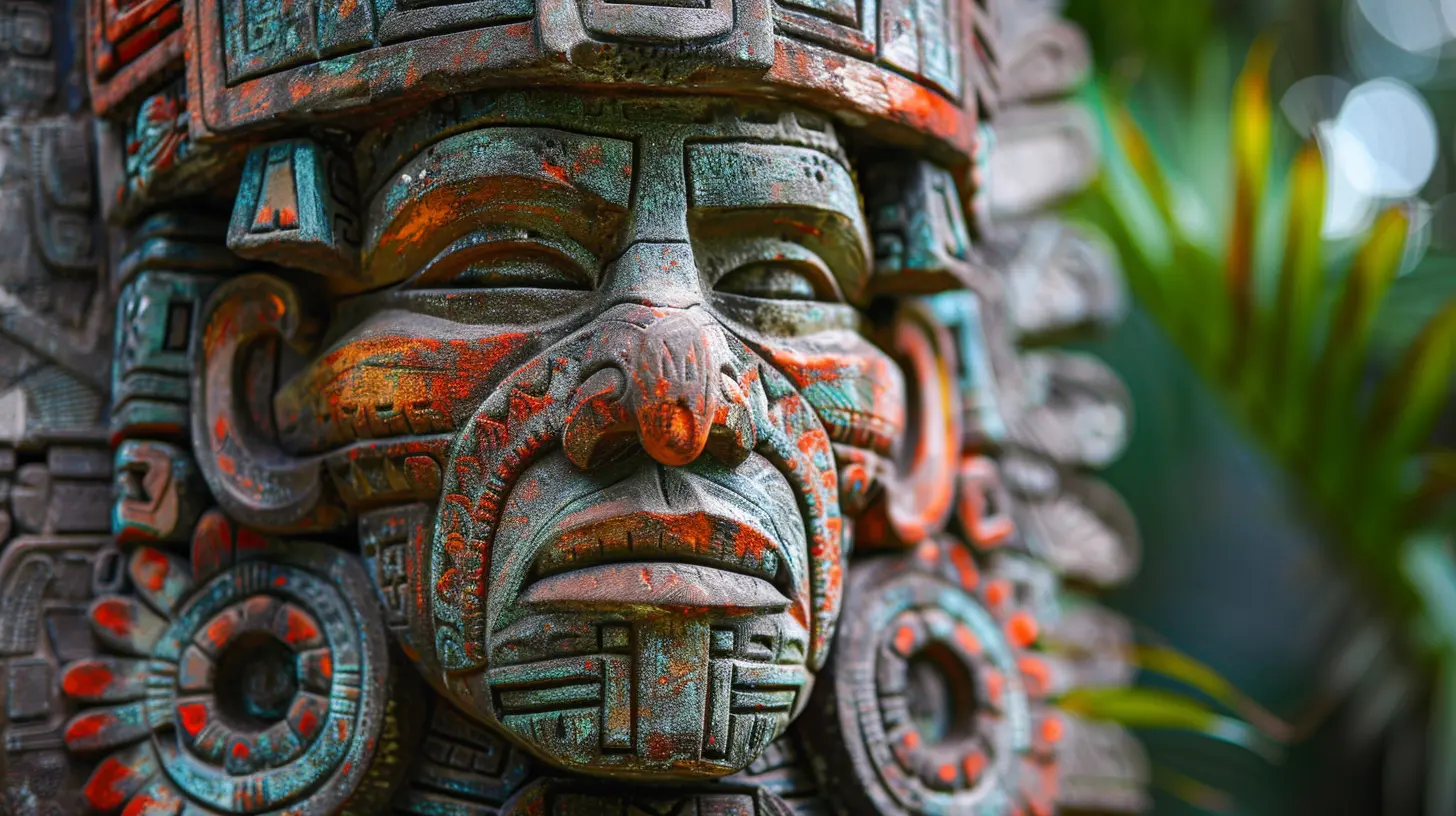
What Makes a Place “Sacred”?
Before diving into the awe-inspiring locations, let's take a step back. What defines a sacred place? Is it the architecture? The history? The vibes? (Yes, vibes matter!) Sacred places are often tied to traditions, legends, or miracles believed to have happened there. They’re places where people feel a magnetic pull, a connection to something larger than themselves. And South America delivers this in spades, blending indigenous spiritualities, Catholic traditions, and even syncretic practices.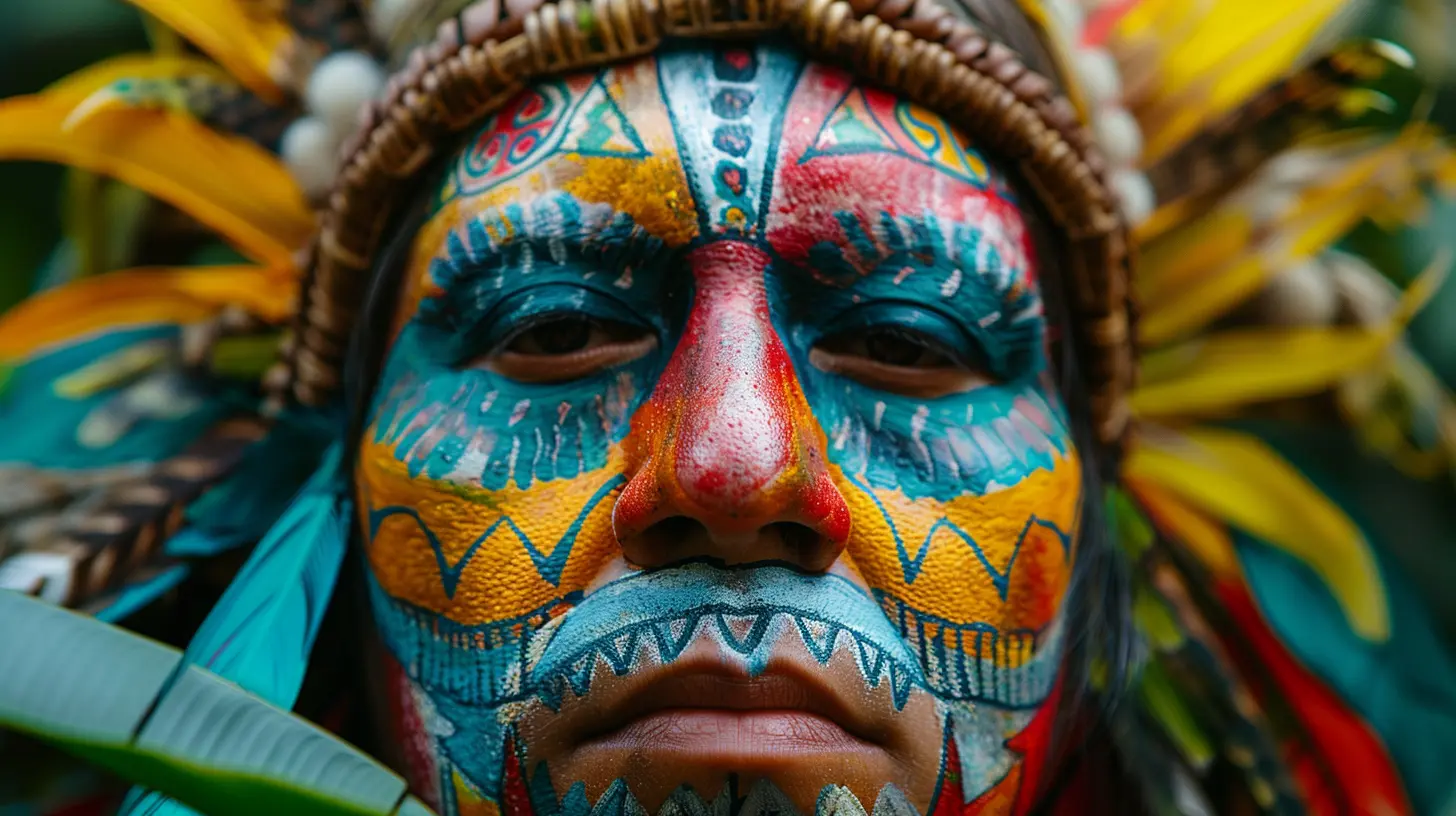
Machu Picchu: A Spiritual Mecca in the Andes
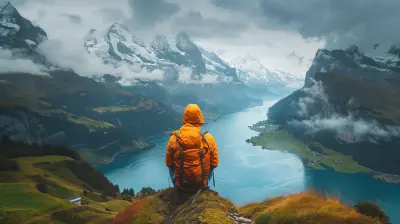
You can’t talk about sacred pilgrimages in South America without bringing up Machu Picchu, the granddaddy of them all. Nestled high in the Peruvian Andes, this ancient Incan city isn’t just a UNESCO World Heritage Site; it’s a spiritual journey for anyone who visits.Walking the Inca Trail to get there? That’s a pilgrimage in its own right. Imagine trekking through rugged landscapes, weaving through misty mountains, and finding yourself face-to-face with a postcard-perfect view of this ancient citadel. Pilgrims and travelers alike often describe this journey as life-changing, and honestly, I believe them. The energy of the place feels almost otherworldly.
What’s spiritual about Machu Picchu? Its alignment with the cosmos. The Incas were deeply connected to astronomy and believed the site was a bridge between the heavens and Earth. Whether you’re admiring the Intihuatana (a ritual stone aligned with the sun) or meditating at the Sun Gate, you’ll feel this connection. 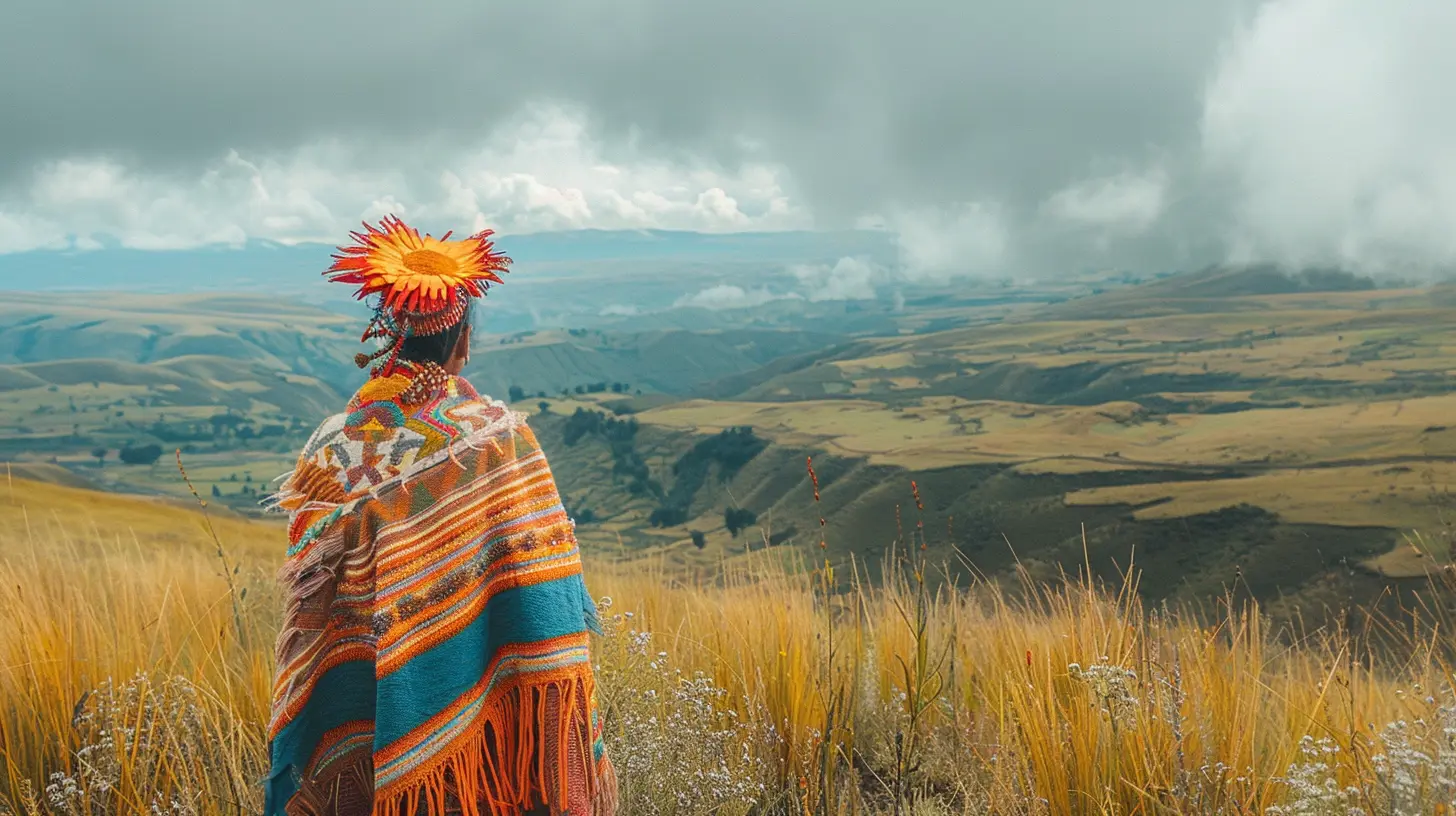
Qoyllur Rit’i: A Blend of Andean and Catholic Traditions
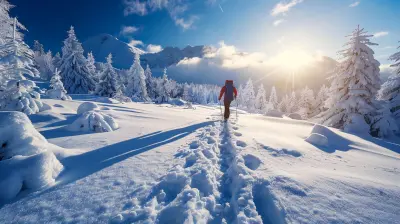
Let me introduce you to Qoyllur Rit’i, one of the most fascinating pilgrimages in Peru, blending indigenous Andean beliefs with Catholic faith. Held in late May or early June, this annual pilgrimage gathers thousands of devotees at the Sinakara Valley, a snow-capped peak near Cusco.The name means “Snow Star,” and this festival is a spectacle of colors, dances, and rituals that unfold under the gaze of Ausangate Mountain, which itself is considered an apu (sacred mountain spirit). Pilgrims hike by foot to the sanctuary of Señor de Qoyllur Rit’i, often carrying crosses and offerings.
Here’s the twist: it’s not just a physical journey; it’s a spiritual deep dive—challenging, enlightening, and incredibly moving. Plus, at night, entire groups perform ancient dances that seem to communicate with the skies. If that doesn’t give you goosebumps, I don’t know what will. 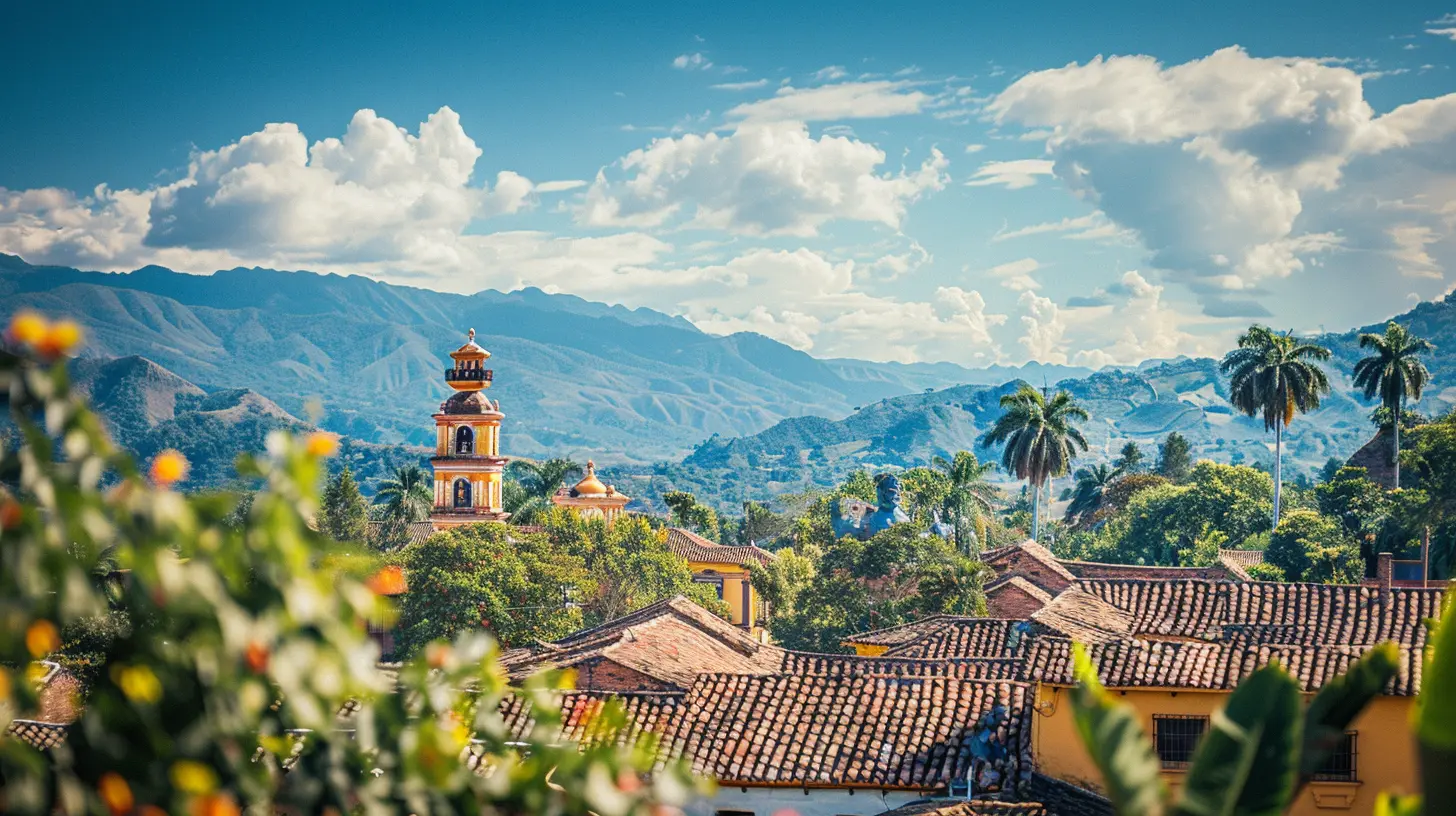
The Shrine of Our Lady of Luján: Argentina’s Spiritual Heart
Argentina might be known for tango, wine, and fútbol, but it also houses one of South America’s most important Catholic pilgrimage sites: the Shrine of Our Lady of Luján. Located near Buenos Aires, this neo-Gothic basilica honors the Virgin Mary, who is believed to have performed miracles in the area.Every October, millions of devotees flock here to participate in a 35-mile walk from Buenos Aires to Luján. Yes, 35 miles! It’s not just about the distance, though; it’s about devotion. Pilgrims (some barefoot, others carrying statues of the Virgin) endure the journey in memory of the miracles attributed to her.
Even if you’re not religious, there’s something deeply moving about witnessing this collective display of faith. And the basilica itself? It’s a stunning architectural masterpiece that could give European cathedrals a run for their money.
Shamanic Pilgrimages in the Amazon
Now, let’s take a spiritual detour into the dense, mysterious Amazon Rainforest. Indigenous communities across South America treat the Amazon as more than just a region; to them, it's a living, breathing entity. Shamanic pilgrimages to work with healers and access spiritual knowledge are an integral part of life here.These pilgrimages often involve ceremonies with ayahuasca, a powerful plant medicine. Under the guidance of a shaman, participants seek healing, clarity, and sometimes answers to life’s biggest questions.
Here’s the thing: an ayahuasca journey isn’t a walk in the park. It’s intense and deeply personal. But many who’ve undergone the ceremony describe it as transformative, offering a profound connection to the natural world, themselves, and even the cosmos.
El Señor de los Milagros: Peru’s Great Catholic Procession
Back in Peru, there’s another massive sacred event: El Señor de los Milagros (The Lord of Miracles). This Catholic celebration happens in Lima every October and is one of the largest processions in the world.The event honors a 17th-century painting of Christ on the cross, which miraculously survived a devastating earthquake. Pilgrims and devotees clad in purple robes join the procession, carrying a massive, elaborately adorned painting through the streets.
It’s not just the size of the crowds (we’re talking hundreds of thousands) that makes this so spiritual. It’s the sheer emotion and devotion that overflow during the event—the singing, the prayers, the sense of community. Whether or not you’re Catholic, this is a cultural experience you won’t forget.
The Galápagos Islands: A Haven for Contemplation
Okay, hear me out. While the Galápagos Islands in Ecuador aren’t your typical pilgrimage site, they’re as sacred as it gets for connecting with nature.Charles Darwin might've visited for scientific reasons, but today, many travelers head here for something more profound. The untouched beauty of the islands, with their surreal landscapes and unique wildlife, inspires awe and a sense of interconnectedness. It’s a place where you can truly feel the miraculous power of nature.
Isn’t that a kind of pilgrimage too? A journey to connect with the divine through the wonders of the natural world?
Syncretism: The Soul of South American Spirituality
Here’s a curveball you might not have seen coming. What makes South American pilgrimages extra special is syncretism—the blending of cultures and spiritual practices.From Peru’s Pachamama (Mother Earth) ceremonies to Brazil’s Candomblé rituals, you’ll find traces of indigenous traditions fused with African and European influences. It’s a reminder that spirituality isn’t static; it evolves, adapts, and grows, just like the people who practice it.
Take Bolivia’s Isla del Sol on Lake Titicaca, for instance. This island is sacred to the Incas and a pilgrimage spot to honor Pachamama and Inti (the Sun God). But modern visitors come seeking serenity, balance, and an escape from the digital world.
Why South America?
So, why is South America such a hotspot for sacred pilgrimages? The answer is simple: it’s an intersection of diverse traditions, natural beauty, and deeply spiritual people. It’s where ancient indigenous beliefs harmonize with colonial influences and where nature becomes a cathedral all its own.And the best part? You don’t have to be a believer or even religious to feel the magic. The energy of the continent, its sacred sites, and its welcoming people have a way of pulling you in and leaving a mark on your soul.
Ready to Embark on Your Pilgrimage?
If this doesn’t make you want to pack your bags (or at least add a few bookmarks to your travel wishlist), I don’t know what will. South America’s sacred pilgrimages aren’t just journeys—they’re transformative experiences. Whether you end up trekking to Machu Picchu, joining a procession in Lima, or meditating in the Galápagos, one thing’s for sure: you’ll come back changed.all images in this post were generated using AI tools
Category:
Cultural ToursAuthor:

Shane Monroe
Discussion
rate this article
1 comments
Shiloh Fry
Exploring sacred sites in South America sounds like the ultimate adventure! From ancient ruins to vibrant rituals, each step is a journey through rich culture and breathtaking landscapes. Count me in!
July 30, 2026 at 3:49 PM
Shane Monroe
Glad to hear you're excited! South America truly offers a unique blend of history and culture in its sacred sites. You won't be disappointed!