Solo Travelers’ Guide to Airbnb Experiences in 2026
5 September 2026
The solo travel boom is not a trend anymore; it is a structural shift in how people move through the world. By 2026, the question is no longer whether you should travel alone, but how you will connect with the places you visit. Airbnb Experiences, once a secondary feature of the platform, has matured into a distinct marketplace with its own rules, pitfalls, and hidden gems. For the solo traveler, this is both a blessing and a minefield. This guide is not a list of top ten things to do. It is a field manual for navigating the new landscape of hosted activities, written for those who value depth over distraction.
The State of Airbnb Experiences in 2026: What Has Actually Changed
If you used Airbnb Experiences before 2020, you remember the Wild West phase. Anyone with a camera and a spare afternoon could list a "photo walk" that was really just a friend taking pictures of you. That era is over. The platform has undergone a quiet but relentless professionalization. In 2026, the typical host is a licensed guide, a trained chef, a working artist, or a certified outdoor instructor. The days of the amateur enthusiast are largely gone, replaced by a cadre of micro-entrepreneurs who treat hosting as a serious income stream.What does this mean for you? First, quality control has improved dramatically. The bottom 10 percent of experiences have been pruned through review algorithms and stricter insurance requirements. Second, prices have risen. A three-hour cooking class in Rome that cost forty dollars in 2019 might now run you seventy-five. Third, the inventory has shifted toward longer, more immersive formats. Half-day and full-day experiences now outnumber the two-hour tasters. The platform is betting that solo travelers want substance, not just a checkbox.
The most significant change, however, is the rise of "social dining" and "craft circles" as distinct categories. These are not classes in the traditional sense. They are structured gatherings where the primary product is conversation and shared creation, with the activity serving as a social lubricant. For solo travelers, these formats are pure gold. They solve the single hardest problem of solo travel: how to have a meaningful interaction that does not feel forced or transactional.
Why Experiences Beat Group Tours for the Solo Traveler
Let us be blunt. A standard group tour bus is a social failure for most solo travelers. You sit next to a couple who ignores you, listen to a guide speak into a loudspeaker, and return to your hotel feeling more isolated than before. Airbnb Experiences, at their best, operate on a completely different social logic.The key difference is scale and intention. Most experiences cap out at eight to ten guests. This is not arbitrary. It is a deliberate design choice that allows the host to act as a facilitator rather than a lecturer. In a group of eight, you cannot hide. The host will learn your name, ask your opinion, and create moments where you must interact with the person next to you. This is uncomfortable for some, but for the solo traveler who actually wants to meet people, it is the difference between watching a city and participating in it.
Consider a concrete example. You are in Lisbon. You could take a tram tour and see the Alfama district from a window. Or you could join a "Fado and Fish" experience where a local grandmother teaches you to cook bacalhau while her son plays guitar and sings. In the latter, you are not a spectator. You are chopping onions, making a mistake, laughing about it, and sharing a meal with strangers who, by the end, feel like acquaintances. That is the product. The food is secondary.
The second advantage is flexibility. Group tours run on fixed schedules and fixed routes. Experiences are often more fluid. A good host will adapt the itinerary based on the groups interests. If you mention that you are a photographer, a street art walk might linger longer at a mural. If you say you are tired, a hiking experience might slow its pace. This responsiveness is rare in traditional tourism, and it is particularly valuable when you are alone and cannot easily negotiate changes with a companion.
Choosing the Right Experience: A Decision Framework
Not all experiences are created equal, and not all are suited for solo participation. The first mistake solo travelers make is assuming that any experience will be better than none. That is false. A poorly chosen experience can waste an evening and reinforce the loneliness you were trying to escape. Here is a framework for making the right call.The Three Question Test
Before you book, ask yourself three questions. First, what is the ratio of active doing to passive watching? A pottery class where you spend ninety percent of the time with your hands in clay is good. A "history walk" where you listen for two hours is risky, because you will not naturally talk to anyone unless the guide forces it. Second, what is the default seating or standing arrangement? If the experience involves a communal table or a circle, you will talk to people. If it involves rows or individual workstations, you might not. Third, what is the hosts stated philosophy? Read the host bio carefully. If they mention "small group," "conversation," or "local friends," that is a signal. If they mention "expert lecture," "comprehensive overview," or "professional demonstration," be cautious.The Review Deep Dive
Do not read the overall star rating. It is meaningless. Instead, read the three-star and four-star reviews. These are written by people who had a nuanced experience. Look for phrases like "the host made sure everyone felt included" or "I was the only solo traveler but never felt awkward." Conversely, look for warnings like "the group was too large" or "the host spent most of the time with the couples." These details are gold. A host who actively manages group dynamics is worth their weight in gold, especially for you.The Timing Trap
Solo travelers often book experiences on their first day in a new city. This is a mistake. You are jet-lagged, disoriented, and less patient than usual. An experience demands social energy. Book your first experience for day two or three, after you have oriented yourself. Also consider the time of day. A morning food tour requires you to be chatty before coffee. A sunset cooking class allows you to ease into the day. Match the experience to your natural energy curve.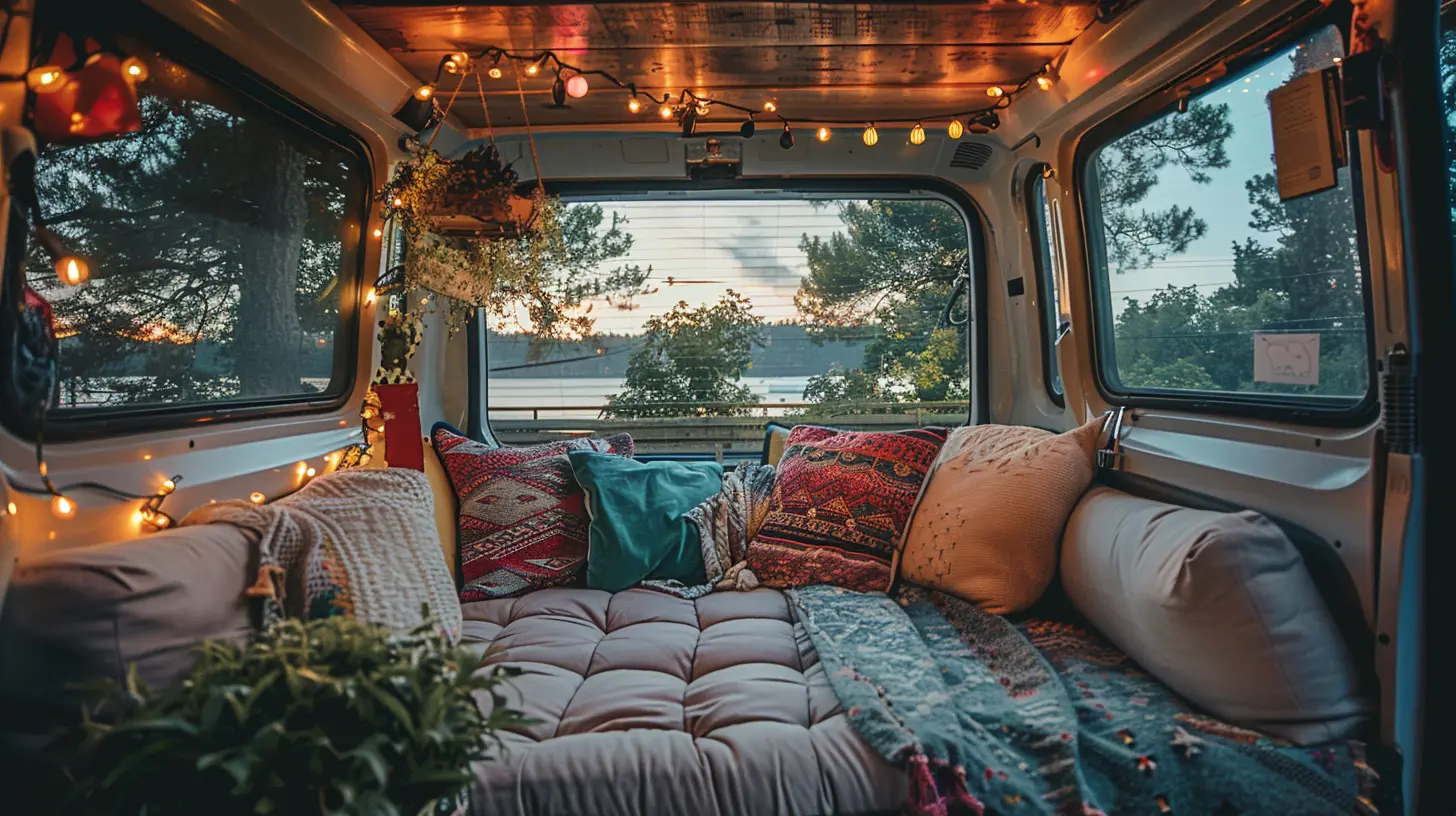
The Hidden Value of Craft and Workshop Experiences
The most underrated category for solo travelers is the hands-on workshop. These are not the touristy "paint and sip" events. They are genuine craft sessions led by artisans who have opened their studios. Think leatherworking in Florence, ceramics in Kyoto, or bookbinding in London.Why do these work so well for solo travelers? The activity itself provides a built-in conversation starter. When you are both struggling to shape a piece of clay, the silence is not awkward. It is focused. Then, when one of you succeeds, you naturally look at each other and laugh. The shared difficulty creates a bond that does not require small talk. This is a profound advantage over purely conversational settings.
craft experiences produce a tangible outcome. You leave with a physical object that carries a memory. A solo traveler rarely has someone to share a photo with in the moment, but you can bring home a hand-thrown bowl and tell a story about the person who helped you make it. That object becomes a bridge to future conversations back home.
The trade-off is cost and time. A quality workshop will cost more than a standard tour and will last at least three hours. You also need to be prepared for frustration. Not everyone is naturally dexterous. But the best hosts are skilled at teaching beginners, and the sense of accomplishment is disproportionately high because you did it alone, without a partner to lean on.
Social Dining: The Dinner Party Reinvented
The single most reliable format for solo travelers in 2026 is the social dining experience. These are not cooking classes, though they often include some preparation. They are structured dinner parties held in a hosts home or a private venue. The host prepares a meal, but the real menu is the guest list.The genius of social dining is that it solves the seating problem. You are placed at a table with six to eight strangers, and the host deliberately mixes solo travelers with couples and small groups. The host also acts as a conversational conductor, asking questions that draw everyone in. By the end of the meal, the table has usually dissolved into smaller, organic conversations.
There is a psychological principle at work here. Eating together triggers a primal sense of safety and belonging. Solo travelers often report that they feel less like a guest and more like a friend by the second course. This is not accidental. The best hosts understand that their job is not just to serve food, but to create an atmosphere where vulnerability is safe.
However, social dining has a dark side. Some hosts treat it as a cash grab, cramming twelve people into a tiny space and serving mediocre food. The key is to look for experiences that emphasize "family style" serving and have a maximum group size of eight. Also, read the host's profile for clues about their own background. A host who is a trained chef or a former restaurant owner is likely to care about the food. A host who is just a good cook might not have the logistics down.
The Solo Travelers Guide to Safety and Logistics
Let us address the elephant in the room. As a solo traveler, you are more vulnerable than a couple or a family. Airbnb has safety measures, but they are not infallible. You must take responsibility for your own well-being.The Host Vetting Process
Before booking, verify that the host has a "Superhost" badge on their profile. This is not a guarantee of quality, but it indicates a track record of positive reviews and responsiveness. More importantly, look at the hosts response rate and response time. A host who takes over a day to reply to your inquiry is a red flag. They might be disorganized or overbooked.The Location Check
Do not assume that the meeting point is in a safe area. Use Google Maps to check the neighborhood. Look at street view. Read recent reviews for any mention of safety concerns. If the experience ends after dark, plan your route back to your accommodation in advance. Share your live location with a friend or family member back home. This is not paranoia; it is prudence.The Exit Strategy
Every experience should have an exit strategy. Before you go, decide what you will do if you feel uncomfortable. Will you leave immediately? Will you wait for a break and slip out? Having a pre-planned excuse, such as "I am not feeling well," reduces the social pressure to stay. You are not obligated to remain in any situation that makes you uneasy, regardless of the cost.The Payment and Communication Rule
Never pay for an experience outside of the Airbnb platform. Hosts who ask for direct payment are violating the terms of service and are likely running an unregistered operation. Also, keep all communication within the Airbnb app. If a host asks to move to WhatsApp or email for logistical reasons, that is fine, but if they ask for personal details like your home address or passport number, decline.The Economics of Experiences: Budgeting Without Guilt
Solo travel is expensive because you cannot split costs. Experiences add another layer of cost, and many solo travelers feel guilty about spending money on them. This guilt is misplaced. You are not paying for a service. You are paying for access to a social network that would otherwise be closed to you.Think of an experience as an investment in your mental health. A solo trip can become lonely after three or four days. Loneliness leads to poor decision-making, skipped meals, and a general sense of dissatisfaction. A single well-chosen experience can reset your mood and make the rest of your trip more enjoyable. The cost of the experience is often less than the cost of a therapy session back home, and it provides immediate, tangible benefits.
That said, you should budget strategically. Do not book an experience for every day. You need unstructured time to wander, rest, and simply be in a place. A good rule of thumb is one experience every two to three days. This gives you enough social contact to feel connected, but enough solitude to feel free.
The Last-Minute Advantage
One of the best-kept secrets is that experiences often have last-minute cancellations. If you are flexible, you can find discounted spots on the day itself. Airbnb does not officially advertise this, but hosts will sometimes lower prices to fill empty seats. Check the app in the morning and again in the early afternoon. You can often find a spot at half price. The trade-off is that you have less time to vet the host. If you are disciplined about reading reviews quickly, this can be a great way to save money.
Common Mistakes and How to Avoid Them
Let us walk through the most frequent errors solo travelers make when booking experiences.Mistake One: Booking a Romantic Experience
Some experiences are implicitly designed for couples. A sunset sailing trip with champagne, a private dinner on a rooftop, a couples massage. As a solo traveler, you will feel like a third wheel. Read the fine print. Look for language like "perfect for honeymooners" or "romantic atmosphere." Avoid these unless you are unusually comfortable with being alone in a couple-centric environment.Mistake Two: Ignoring the Physical Demands
You are not as fit as you think you are. That "easy" bike tour might be a twenty-mile ride over hills. That "gentle" hike might involve scrambling over rocks. Read the physical requirements carefully. If you are unsure, message the host and ask about the pace. A good host will be honest. A bad host will say it is easy to get your booking. Trust your instincts.Mistake Three: Overpacking Your Schedule
The fear of missing out is real. You want to see everything, do everything, and experience everything. But a schedule that is too packed leaves no room for spontaneity. The best moments of solo travel often happen in the gaps between planned activities. You meet a local in a cafe. You stumble upon a street festival. You have a long conversation with a fellow traveler in a park. If you have an experience booked for every afternoon, you will miss these moments.Mistake Four: Treating the Host as a Tour Guide
The host is not your personal concierge. They are running a business. Do not ask them to recommend restaurants, help you book other tours, or give you a ride to your hotel. A small, polite question is fine, but do not monopolize their time after the experience ends. They have other guests to attend to and a life to live.The Future of Solo Travel and Hosted Experiences
By 2026, the line between "tourist" and "guest" is blurring. The most successful experiences are those that treat you as a temporary neighbor, not a customer. This is a profound shift. The old model of tourism was about consumption. You consume a city's sights, food, and culture, then leave. The new model is about participation. You join a community for a few hours, contribute something of yourself, and leave with a sense of having been part of something, even briefly.For solo travelers, this is the ultimate prize. The loneliness of solo travel is not about being alone. It is about being disconnected. Experiences, at their best, are tools for reconnection. They are a reminder that the world is full of interesting people who are willing to share a table with you, a craft, or a meal, provided you are willing to show up.
The future will likely bring more niche experiences. Hyper-local walks focused on a single street. Workshops that combine a craft with a narrative about the city's history. Multi-day experiences that build a small cohort of travelers who move together. The platform will continue to evolve, and the solo traveler will continue to be a primary driver of that evolution, because you are the ones who need these experiences the most.
Practical Preparation: A Checklist for the Day of the Experience
You have booked. Now you need to prepare. Here is a checklist to ensure the experience goes smoothly.First, charge your phone fully. You will need it for navigation, photos, and in case of emergency. Second, bring a small bag with essentials: water, a snack, a portable charger, and any necessary medication. Third, wear comfortable shoes. You will likely walk more than you expect. Fourth, arrive ten minutes early. This shows respect for the host and gives you time to acclimate. Fifth, put away your phone when the experience starts. You are there to interact, not to document every moment. Take a few photos at the end, but for the bulk of the time, be present.
Finally, have a backup plan. If the experience is canceled at the last minute, do not panic. You are resourceful. Find a local cafe, order a coffee, and watch the world go by. This is not a failure. This is solo travel.
all images in this post were generated using AI tools
Category:
Airbnb ExperiencesAuthor:

Shane Monroe
Discussion
rate this article
2 comments
Alexa Bailey
Great insights on Airbnb experiences for solo travelers! It's wonderful to explore new places and meet people along the way. Looking forward to trying some of these in 2026!
September 30, 2026 at 4:58 PM
Zephyrion McGarvey
In 2026, Airbnb Experiences will unveil hidden gems that whisper secrets of the past. As a solo traveler, you might just stumble upon adventures that redefine your journey and ignite a spark of wonder.
September 16, 2026 at 3:20 AM
Shane Monroe
That sounds intriguing! I can't wait to explore those hidden gems and discover new adventures.