Tackling Long Car Rides with an Anxious Pet
23 December 2025
Taking a road trip with your pet can be a wonderful experience, but if your furry friend suffers from anxiety, it can quickly turn into a stressful event for both of you. Whether you’re moving to a new home, heading out on vacation, or just planning a long drive, managing your pet’s anxiety is crucial.
So, how do you ensure a smooth and stress-free journey for your anxious pet? In this guide, we’ll break down practical tips to help your furry companion feel safe, comfortable, and relaxed during long car rides.

Understanding Why Pets Get Anxious in Cars
Before we dive into solutions, let’s talk about why some pets, especially dogs and cats, get anxious in vehicles. If your pet starts panting, whining, or scratching at their crate the moment the engine starts, they’re dealing with travel-related stress. But why?- Motion Sickness – Just like humans, pets can suffer from motion sickness. The swaying and movement of the car can upset their stomachs, making them feel nauseous.
- Lack of Experience – If your pet isn't used to car rides, they might associate the experience with fear or discomfort.
- Past Trauma – A negative experience, such as a stressful vet visit or a past accident, can make your pet feel uneasy in the car.
- Separation Anxiety – Some pets don’t like being confined to a small space away from you, leading to restlessness or excessive vocalization.
Now that we know the root causes, let’s talk about the best ways to tackle long drives with an anxious pet.
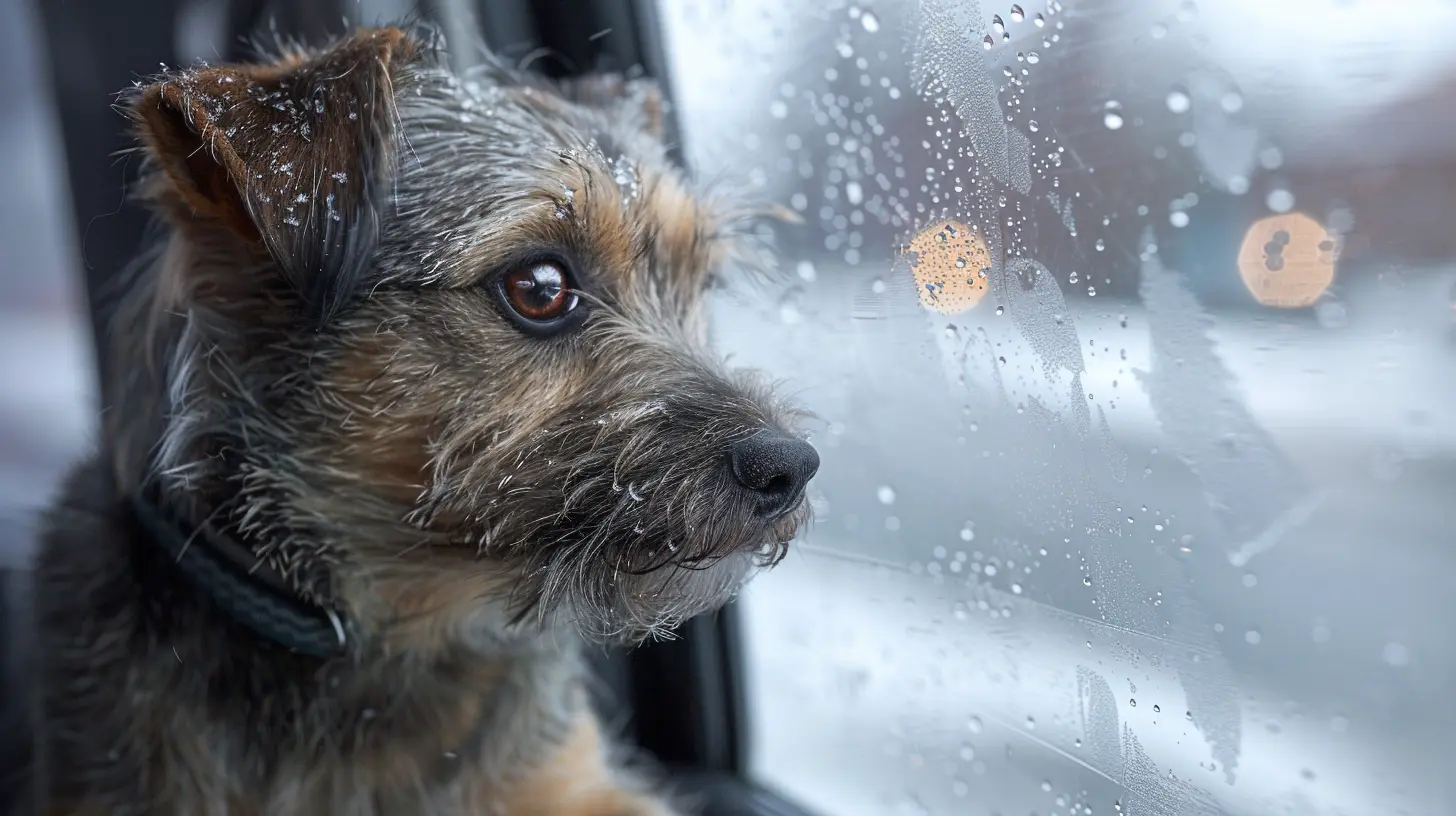
Preparing Your Anxious Pet for a Long Car Ride
1. Start with Short Trips
If your pet is new to long car rides, don’t just throw them into a five-hour journey right away. Start small—short drives around the neighborhood or a trip to a nearby park. This helps them get used to the motion and the car environment.2. Create a Comfortable Travel Space
Your pet’s travel environment plays a huge role in their comfort level. Here’s what you can do:- Use a crate or carrier – A well-ventilated crate provides security and prevents your pet from moving around too much.
- Bring their favorite blanket – Familiar scents can help ease anxiety.
- Consider a pet seat cover – If your pet prefers sitting on the seat, a seat cover can provide better grip and comfort.
3. Exercise Before the Trip
Tire your pet out before getting in the car. Take your dog for a long walk or let your cat enjoy a good play session. A tired pet is more likely to relax and sleep during the journey rather than stress out.4. Try Pheromone Sprays or Anxiety Wraps
Pet pheromone sprays mimic natural calming pheromones, helping to reduce stress. You can also use an anxiety wrap (like a Thundershirt) to provide gentle pressure that keeps your pet feeling secure.5. Don’t Forget Their Favorite Toys
Toys can serve as a great distraction and comfort item. A chew toy for your dog or a soft plush for your cat might be just what they need to relax.
Managing Anxiety During the Trip
6. Keep the Car Cool and Quiet
An overheated car can add to your pet’s stress, so keep the temperature comfortable. If possible, avoid blasting loud music and keep sudden movements to a minimum. A calm environment leads to a calm pet.7. Use a Calming Voice
Your pet looks to you for reassurance. If they start whining or showing signs of stress, speak to them in a calm and soothing voice. Avoid reinforcing their anxiety by over-petting or reacting anxiously yourself.8. Take Frequent Breaks
Imagine sitting in a car for hours without a break—sounds miserable, right? Your pet feels the same way. Plan for stops every 1-2 hours to let them stretch, hydrate, and relieve themselves.9. Offer Treats and Positive Reinforcement
Rewarding calm behavior with treats and praise helps your pet associate car rides with positivity. Just be mindful of overfeeding to avoid motion sickness.10. Try Natural Remedies or Medications (If Necessary)
If your pet experiences severe anxiety, consult your veterinarian about natural calming treats or prescribed medications. Some natural remedies like CBD oil (pet-safe) or chamomile supplements can also help keep them relaxed.
Additional Safety Tips for Traveling with an Anxious Pet
Besides managing anxiety, it’s crucial to ensure your pet’s overall safety during long car rides. Here are some key precautions to keep in mind:- Never leave your pet alone in the car – Even on a mild day, vehicle temperatures can rise quickly, putting your pet at risk of heatstroke.
- Make sure they’re properly restrained – Whether it’s a seatbelt harness, crate, or pet carrier, keeping your pet secured prevents them from roaming around and causing distractions.
- Keep their ID tags and microchips updated – Just in case they manage to escape, an updated tag and microchip increase the chances of a safe return.
- Pack an emergency pet travel kit – Include items like food, water, a first-aid kit, waste bags, and any necessary medications.
Post-Trip Calming Strategies
Once you arrive at your destination, your pet might still feel a little overwhelmed. Here’s how to help them settle in:- Give them time to adjust – Introduce your pet to their new environment gradually. Let them sniff around and explore at their own pace.
- Stick to their routine – Keeping familiar mealtimes, walks, and play sessions can make your pet feel more secure.
- Offer extra affection and cuddles – A little extra love can go a long way in helping them feel safe and comfortable.
Final Thoughts
Tackling long car rides with an anxious pet doesn’t have to be a nerve-wracking experience. With patience, preparation, and the right techniques, you can turn stressful journeys into smooth, enjoyable adventures.At the end of the day, your pet looks up to you for stability and comfort. With a little bit of effort, you can help them feel safe, secure, and maybe even start enjoying the ride!
all images in this post were generated using AI tools
Category:
Pet Friendly TravelAuthor:

Shane Monroe
Discussion
rate this article
2 comments
Karly Wolfe
This article offers practical tips for traveling long distances with anxious pets, which is crucial for both their comfort and your peace of mind. The advice on preparation and breaks is especially helpful. A must-read for pet owners planning road trips!
January 24, 2026 at 5:41 AM
Shane Monroe
Thank you for your kind words! I'm glad you found the tips helpful for traveling with anxious pets. Safe travels!
Mara Howard
Understanding your pet's anxiety is crucial for a smoother journey.
January 6, 2026 at 4:41 PM
Shane Monroe
Absolutely! Recognizing your pet's anxiety helps tailor solutions for a stress-free travel experience.