The Rise of Cultural Tourism and What to See in 2026
27 April 2026
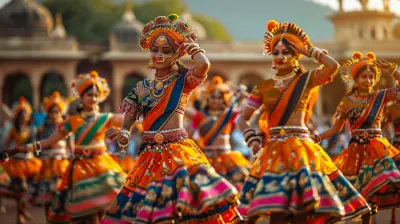
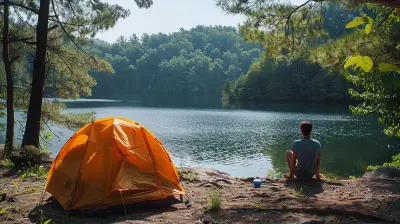
You know that feeling when you’re scrolling through Instagram and you see yet another photo of someone holding a coconut on a generic beach? Yeah, me too. It’s pretty, sure. But after the tenth one, they all blur together like a bad watercolor painting. That’s the thing about travel in the 2020s—we’ve been oversaturated with “paradise.” But here’s the kicker: a quiet revolution is happening. People are trading their flip-flops for walking shoes and their sunsets for museum tickets. We’re talking about the rise of cultural tourism, and by 2026, it’s not just a trend—it’s the way we travel.
Let’s be real for a second. The pandemic did a number on all of us. It made us question what we actually value. When you can’t leave your house for months, you start dreaming about places that have soul—not just a poolside bar. Cultural tourism is that soul. It’s the antidote to the “bucket list” checklist that had us racing through cities like we were in a video game. Instead of snapping a selfie and running to the next spot, we’re finally asking: What does this place actually mean? And in 2026, the answer is going to be more exciting than ever.
Why Cultural Tourism Is Exploding (And Not Slowing Down)
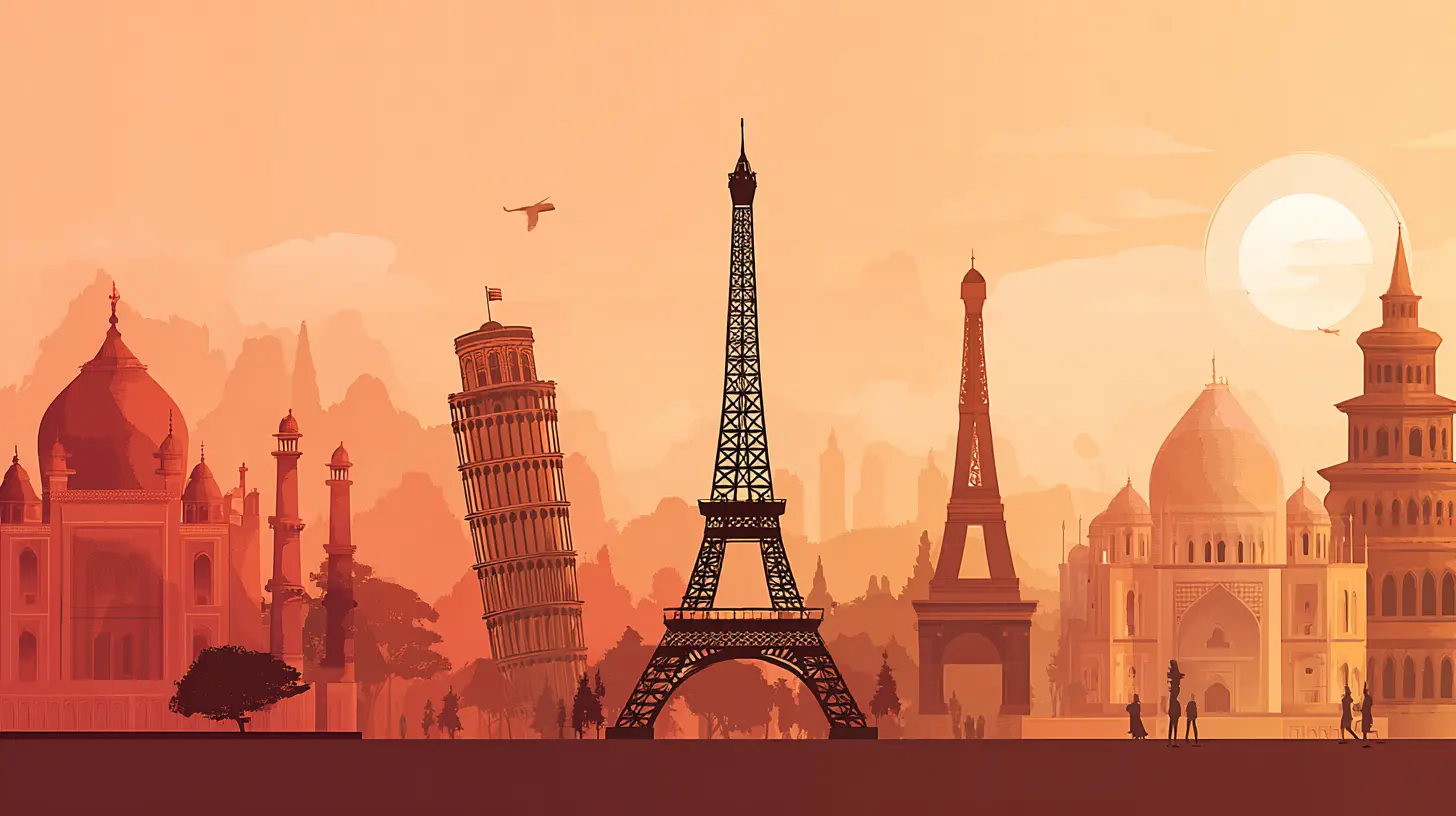
Let me paint you a picture. In 2019, cultural tourism was already a massive slice of the global travel pie—worth nearly $600 billion. But by 2024, something shifted. The “revenge travel” phase after lockdowns started to fade, and people got picky. Why? Because we realized that seeing the Mona Lisa through a crowd of 200 phones isn’t the same as experiencing it. Cultural tourism isn’t about checking boxes; it’s about connection.Think of it like this: mass tourism is fast food—it fills you up but leaves you feeling a bit empty. Cultural tourism is a slow-cooked meal. It takes time, it has layers, and it actually nourishes you. The numbers back this up. A 2025 survey from the World Tourism Organization showed that 67% of travelers now prioritize “authentic cultural experiences” over luxury amenities. That’s a huge leap from just 40% five years earlier.
What’s driving this? For starters, Gen Z and millennials are now the dominant travel demographic, and we’re not interested in being passive tourists. We want to learn, to participate, to feel like we’re part of a story. Social media plays a part too, but not in the way you’d think. Sure, people still post pretty pictures, but the most viral content now is about meaning—a video of a local artisan weaving a rug, a chef explaining a 300-year-old recipe, a guide showing you hidden graffiti that tells a city’s political history. It’s deeper.
The 2026 Difference: What’s New in Cultural Travel
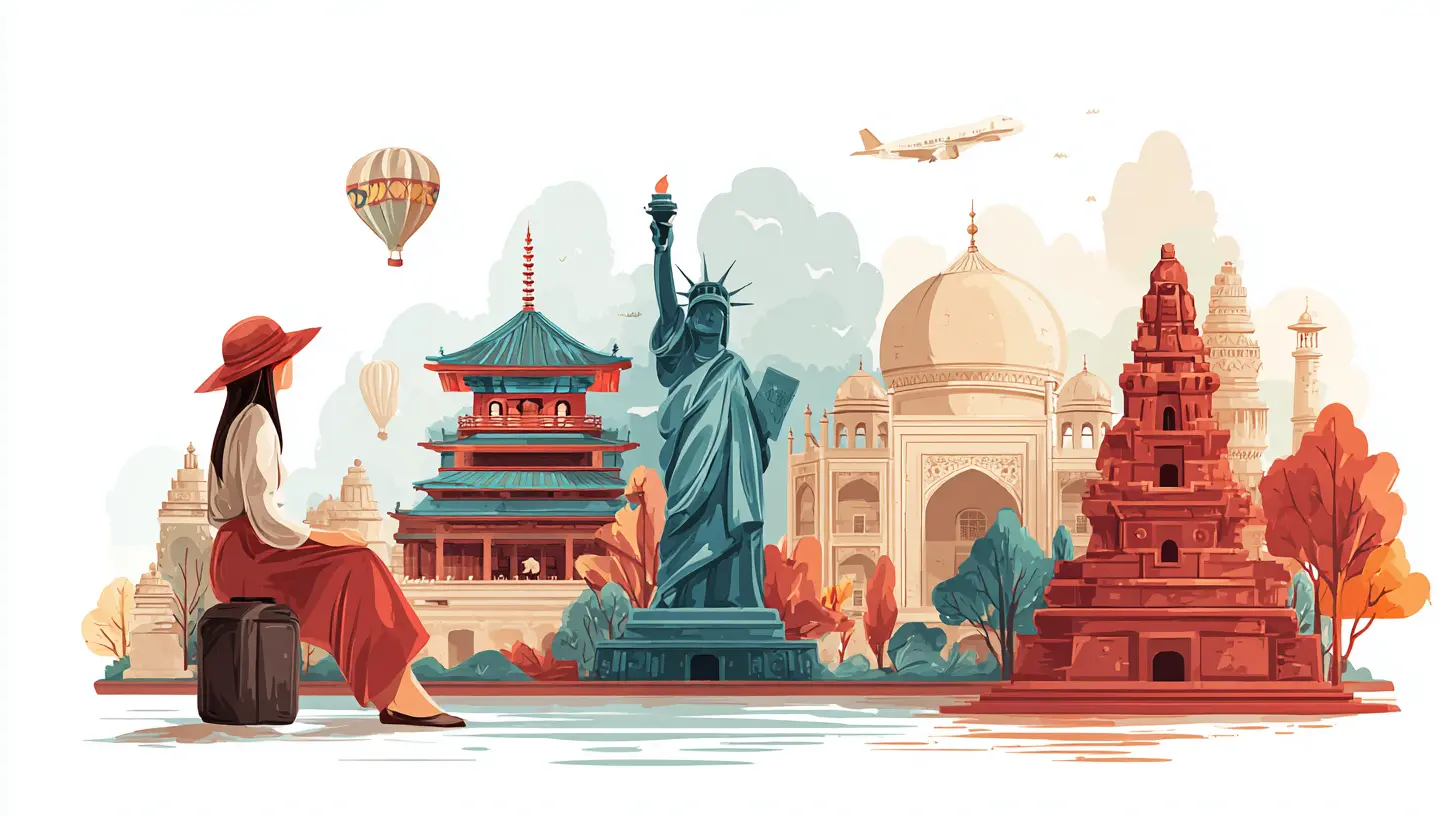
Okay, so cultural tourism isn’t new. People have been visiting the Colosseum for centuries. But what makes 2026 different? It’s the intention behind it. We’re moving past the “greatest hits” and diving into the B-sides. Here’s what I mean:1. Hyper-Local Experiences Over National Treasures
In 2026, you’re less likely to hear someone brag about seeing the Eiffel Tower and more likely to hear them rave about a tiny bakery in the 11th arrondissement where the owner’s grandmother taught them to make croissants. The focus is shifting from “big” to “real.” Travelers are seeking out micro-cultures—neighborhood-specific traditions, dialects, and cuisines that you can’t find in a guidebook. Think of it as zooming in on the map until you see the cracks in the pavement.2. Technology as a Bridge, Not a Barrier
I know, I know—technology and cultural tourism sound like oil and water. But hear me out. Augmented reality (AR) is finally getting good. Imagine standing in an ancient ruin in Peru, and instead of reading a plaque, you put on AR glasses and see the city as it was 500 years ago, with people walking around, markets bustling, and llamas wandering through. That’s not sci-fi; it’s 2026. Museums are using AI to create personalized tours based on your interests. But here’s the secret: the tech is just a tool. The goal is still human connection—just enhanced.3. Ethical and Regenerative Cultural Tourism
This is a big one. In the past, cultural tourism sometimes felt like a polite form of colonialism—showing up, taking photos, and leaving without giving back. By 2026, that’s dead. Travelers are demanding that their visits actually help the communities they explore. That means paying fair wages to local guides, supporting indigenous-owned businesses, and even participating in preservation projects. It’s not just about “sustainable” travel (don’t make things worse); it’s about regenerative travel (make things better). You’re not a visitor; you’re a temporary steward.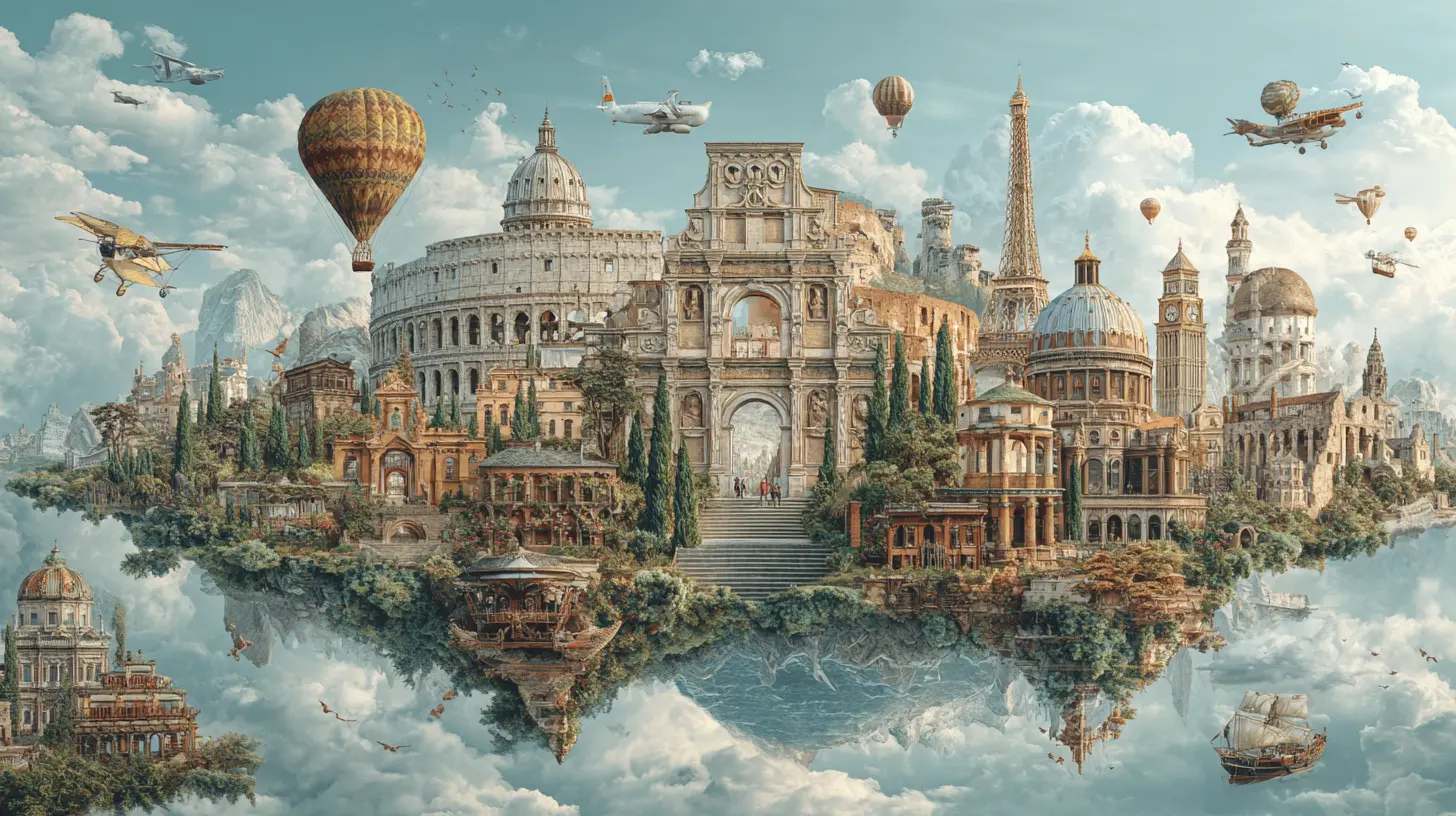
What to See in 2026: The Cultural Hotspots You Can’t Miss
Alright, let’s get to the juicy part. Where should you point your compass in 2026? I’ve dug through the trends, talked to travel insiders, and looked at emerging destinations. Forget the obvious—these are the places that will define cultural tourism next year.1. Oaxaca, Mexico: The Soul of Indigenous Art
Mexico has always been a cultural heavyweight, but Oaxaca is having a moment. Why? Because it’s not just about ruins and tequila (though those are great). In 2026, Oaxaca is the epicenter of a renaissance in indigenous art and cuisine. The local Zapotec and Mixtec communities are taking the lead, offering workshops where you can learn natural dyeing techniques that date back a thousand years. The food scene is insane—not just mole, but hyper-regional dishes you’ve never heard of. Visit the town of Teotitlán del Valle, where families have been weaving rugs for generations. You can stay with a family, eat their food, and actually understand the symbolism in their patterns. It’s not a show; it’s a living tradition.2. Tbilisi, Georgia: The Crossroads of Europe and Asia
Georgia is the underdog that’s finally getting its due. Tbilisi, the capital, is a chaotic, beautiful mess of Soviet architecture, ancient churches, and wine bars that pour natural wine from clay pots buried in the ground. In 2026, it’s the place to go for a cultural collision that feels raw and unpolished. The sulfur baths in the old town are a must—they’ve been around since the 5th century. But the real magic is in the supra (traditional feast), where locals will toast your health with endless glasses of wine and sing polyphonic songs that sound like they’re from another world. This isn’t a destination for luxury; it’s for curiosity.3. Luang Prabang, Laos: The Quiet Revolution
While Thailand and Vietnam get all the attention, Laos is quietly becoming the cultural tourism gem of Southeast Asia. Luang Prabang, a UNESCO World Heritage site, is a living museum of Buddhist temples, French colonial buildings, and night markets that actually sell handmade goods (not plastic junk). The 2026 draw? Community-based tourism. You can join a monk for a morning alms-giving ritual, then spend the afternoon learning how to weave bamboo baskets in a village an hour down the Mekong River. It’s slow, it’s peaceful, and it’s deeply respectful. The Lao people don’t perform their culture for tourists; they invite you into it.4. Glasgow, Scotland: The Industrial Turned Artistic
Wait, Glasgow? Yes. In 2026, Glasgow is the dark horse of cultural tourism. It’s shaken off its gritty industrial reputation and emerged as a hub for contemporary art, music, and working-class storytelling. The city’s motto is “People Make Glasgow,” and they mean it. You can visit the Kelvingrove Art Gallery and Museum, but the real gems are the independent galleries in the Merchant City and the live music pubs where you’ll hear traditional folk fused with punk. Glasgow’s cultural tourism is about attitude—it’s raw, honest, and unpretentious. Plus, the architecture is stunning: Charles Rennie Mackintosh’s designs are everywhere, and you can take a walking tour that explains how the city’s history of shipbuilding shaped its creative soul.5. Fes, Morocco: The Living Medieval City
Marrakech is overcrowded. Fes is the real deal. In 2026, Fes is the place for travelers who want to get lost—literally. The medina is a labyrinth of 9,000 streets, and there’s no GPS that works. You have to rely on locals, which forces you to interact. The tanneries are still there (the smell is unforgettable), but the new draw is the artisan revival. Young Moroccans are returning to traditional crafts like zellij (mosaic tilework) and leather tooling, but with modern designs. You can visit a cooperative, watch them work, and buy something that isn’t mass-produced. It’s cultural tourism that supports a real economic shift.6. Kyoto, Japan: The Eternal City (Reimagined)
Kyoto is no secret, but 2026 is the year to see it differently. The city has been battling overtourism for years, so it’s pivoting to “quality over quantity.” In 2026, you won’t just visit Kinkaku-ji (the Golden Pavilion) and leave. You’ll book a private tea ceremony in a 400-year-old machiya townhouse, or spend a day with a master potter in the Higashiyama district. The Japanese concept of omotenashi (selfless hospitality) is being turned into a curated experience. Plus, Kyoto is finally opening up its hidden gardens—temples that were closed to the public for decades are now offering small-group tours. It’s still crowded, but the experience is deeper.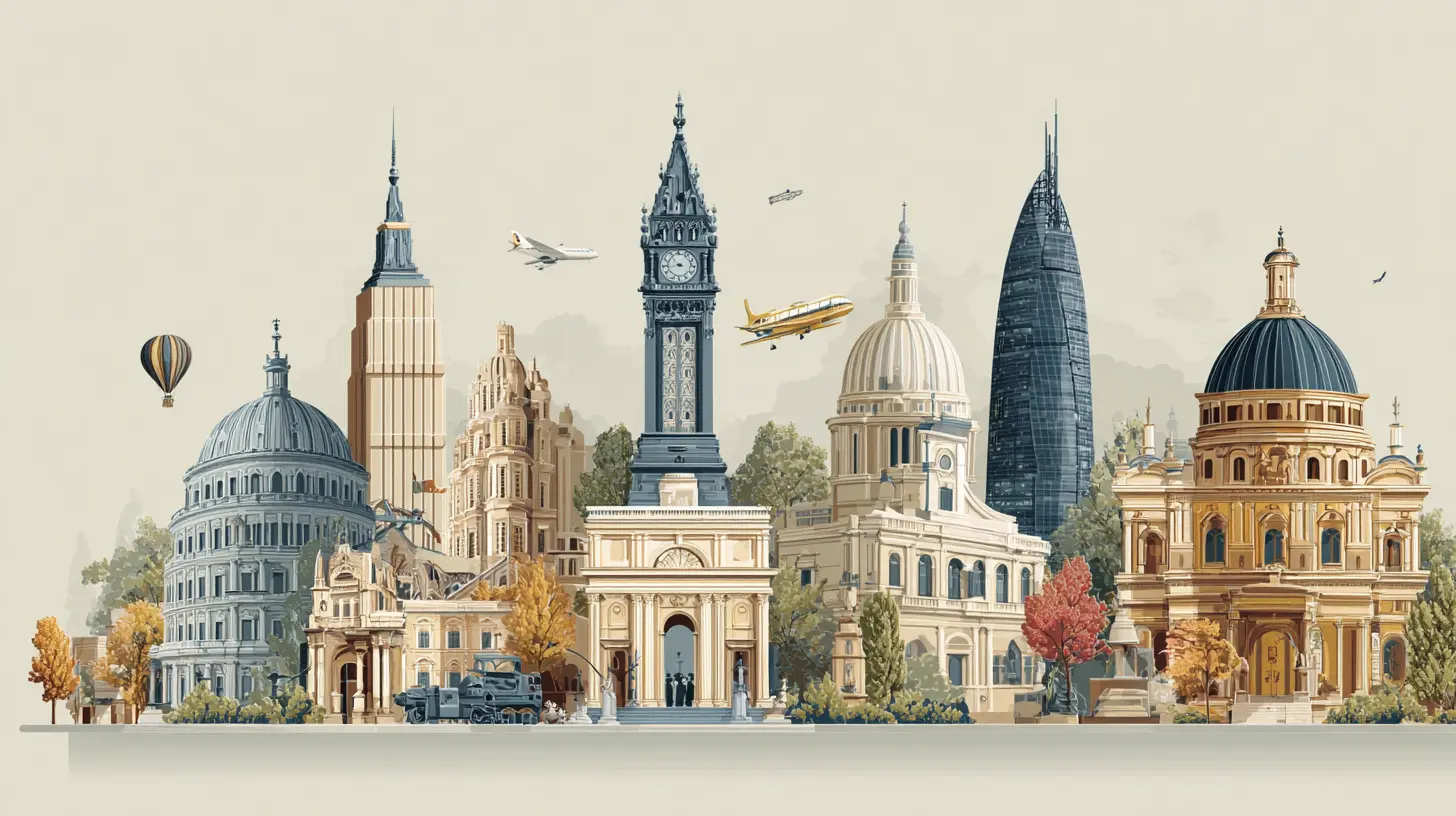
How to Travel Like a Cultural Tourist in 2026
So, you’re sold on the idea. But how do you actually do cultural tourism without being that annoying person who thinks they’re deep? Here’s the cheat sheet:- Ditch the guidebook app. Seriously. Use it for logistics, but let serendipity guide you. Ask a local where they eat on a Tuesday night. That’s where the magic is.
- Learn five phrases. Not “hello” and “thank you”—learn “what is this?” and “can I help?” That opens doors.
- Say yes to the weird stuff. Invited to a wedding? Go. Asked to try fermented shark in Iceland? At least sniff it. Cultural tourism is about discomfort as much as comfort.
- Stay longer in fewer places. You don’t need to see six countries in two weeks. Spend a week in one city. Get a routine. Buy bread from the same bakery every morning. That’s how you become part of the culture, even temporarily.
- Support local guides. Not the big tour companies—individuals. Platforms like ToursByLocals or Withlocals let you hire someone who actually lives there. They’ll tell you the stories the government doesn’t want you to hear.
The Future of Cultural Tourism: It’s About Us, Not Them
Here’s the honest truth: cultural tourism in 2026 isn’t just about seeing things. It’s about seeing ourselves in others. Every time you sit down for a meal with a family in Oaxaca or walk through a souk in Fes, you’re building a bridge. And in a world that feels increasingly divided, that matters.The rise of cultural tourism is a response to loneliness. We’re all starved for real connection—not the kind you get from a comment thread, but the kind you get from sharing a laugh with someone who doesn’t speak your language but still manages to make you feel welcome. It’s messy, it’s unpredictable, and it’s the best kind of travel there is.
So, where are you going in 2026? I’m not asking for your itinerary. I’m asking what you want to feel. Because that’s what cultural tourism is really about—feeling something that changes you. Go find it.
all images in this post were generated using AI tools
Category:
Cultural LandmarksAuthor:

Shane Monroe
Discussion
rate this article
2 comments
Lira Campbell
2026 is the year to ditch the boring beach resorts and dive into authentic experiences! Forget the selfies with palm trees—embrace the culture, the food, and the vibrant stories. Spice up your travel game, darling!
April 29, 2026 at 3:36 AM
Shane Monroe
Absolutely! Cultural experiences add depth to travel. In 2026, let's discover local flavors and stories that enrich our journeys.
Azriel McIntyre
In 2026, wander where rich cultures intertwine, Explore vibrant streets, taste the untold stories, Let ancient whispers guide your journey, As the heart of humanity unfolds, Embrace the world’s diverse tapestry.
April 28, 2026 at 3:03 AM
Shane Monroe
Thanks for your thoughts! In 2026, cultural tourism will truly offer unique experiences that connect us all. I can't wait to see where these journeys take us.