The Role of Art and Craft in Traditional Celebrations in 2026
13 September 2026
Traditional celebrations have always carried more than festivity. They carry memory, identity, and the quiet insistence that some things are worth passing down. Art and craft sit at the center of that transmission. In 2026, their role is shifting in ways that are worth examining closely, because the forces acting on traditional celebrations are not simple. Some push toward homogenization. Others push toward revival. Understanding where handmade work fits into this picture matters for travelers, organizers, artisans, and anyone who cares about cultural continuity.
This article looks at how art and craft function within traditional celebrations today, why that function is changing, and what practical considerations shape decisions around them. It is written for people who want more than a surface-level appreciation. It is written for those who plan, participate in, document, or simply care about celebrations that still mean something.
Why Handmade Work Still Anchors Traditional Celebrations
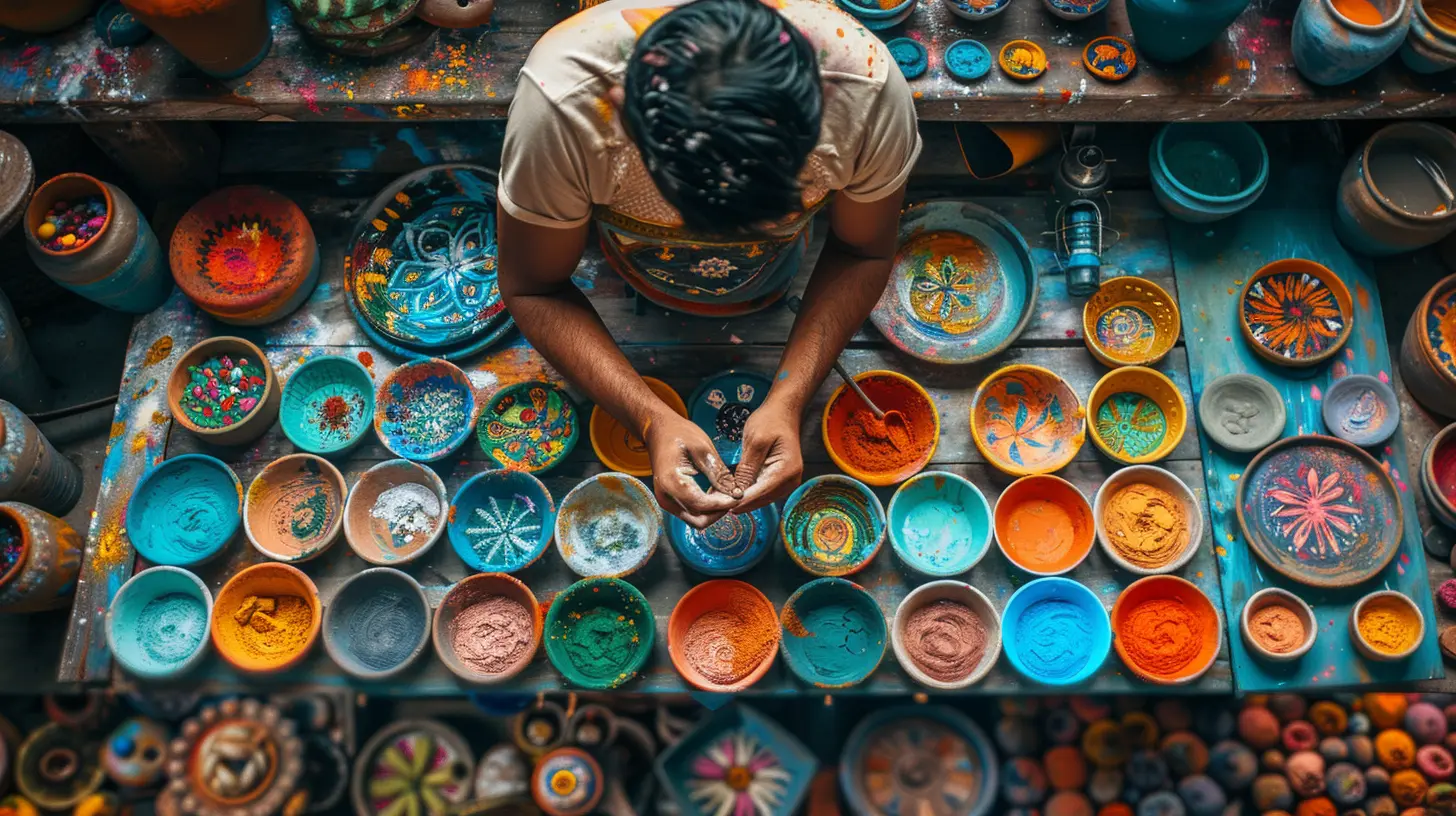
A celebration is a performance of shared values. Food, music, dance, and ritual all contribute. But art and craft occupy a particular position because they are tangible. A carved mask, a woven textile, a painted clay figure, a hand-forged metal ornament: these objects can be held, worn, displayed, and inherited. They carry the mark of a human hand, and that mark communicates something that mass-produced items cannot.In 2026, the value of that tangibility has grown, not shrunk. Digital life has become more immersive, more pervasive, and more abstract. Traditional celebrations offer a counterweight. When someone wears a hand-embroidered garment during a festival, they are not just dressing up. They are participating in a chain of knowledge that stretches back through generations of makers. The object becomes a bridge between the living and the ancestral.
There is also an economic dimension. Art and craft within celebrations create livelihoods. A single festival can sustain dozens of artisans for months. This is not a minor point. In many regions, the production cycle for celebration-related crafts is a significant part of the local economy. Understanding this helps explain why efforts to preserve traditional celebrations often go hand in hand with efforts to support artisan communities.
The 2026 Context: What Has Changed
Several developments have reshaped how art and craft function in traditional celebrations this year.Digital Documentation and Its Double Edge
Communities now document their celebrations extensively. Smartphones, drone photography, and social media have made it possible for a festival in a small town to reach a global audience within hours. This visibility can bring economic benefits. It can also bring pressure to perform for outsiders rather than for the community itself.Artisans face a particular tension. A craftsperson who gains online attention may find new markets. But that attention often favors spectacle over subtlety. The most photogenic elements get amplified. The quieter, slower, more meaningful aspects of craft traditions may be overlooked. A mask that takes three weeks to carve might be reduced to a ten-second clip. The skill behind it remains invisible.
Material Scarcity and Substitution
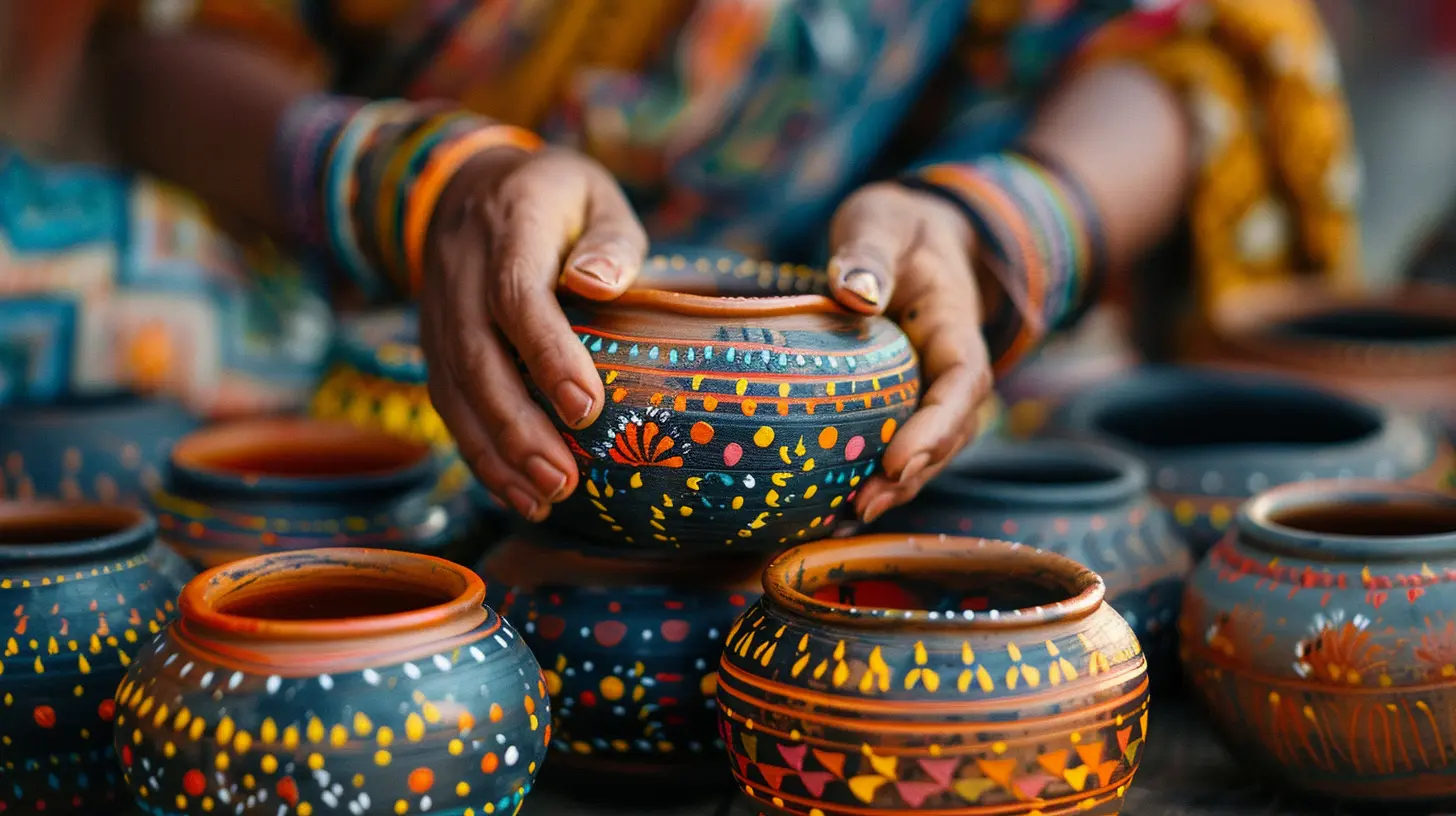
Many traditional crafts depend on specific materials. Particular woods, clays, fibers, pigments, and metals. In 2026, access to some of these materials has become less reliable due to environmental change, land use shifts, and supply chain disruptions.This creates difficult choices. Should a community substitute a different material to keep the celebration alive? Or should they reduce production to preserve authenticity? There is no universal answer. In some cases, substitution has led to innovation and renewal. In others, it has diluted the meaning of the craft. The key is to involve artisans in the decision rather than imposing solutions from outside.
The Return of Apprenticeship Models
There is a quiet revival happening in craft education. Formal apprenticeship, once in decline, is regaining ground in several regions. Young people are seeking out masters in traditional techniques, sometimes after pursuing unrelated careers. This is not nostalgia. It is a practical response to the realization that certain skills cannot be learned from videos or books. They require proximity, repetition, and correction over time.Traditional celebrations provide the natural deadline for this learning. A young weaver knows that the festival is in six months. The garment must be ready. This creates urgency and purpose that a classroom cannot replicate.
How Art and Craft Shape the Experience of Celebration
Craft does not merely decorate a celebration. It structures it.Visual Language and Collective Recognition
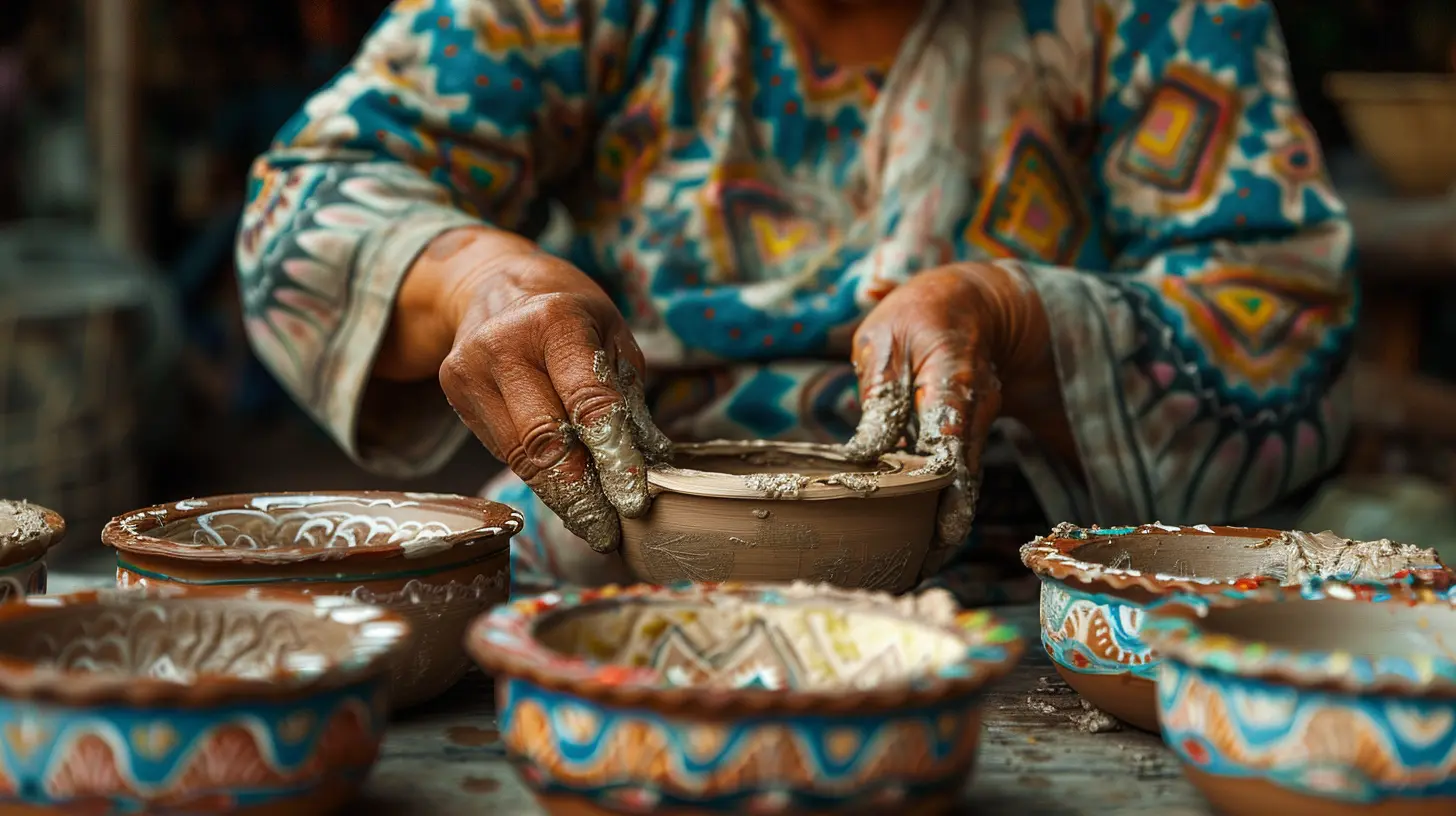
In many traditions, specific crafts signal specific meanings. A particular color of thread, a certain pattern of carving, a distinct style of mask: these are not arbitrary. They form a visual language that community members read fluently. An outsider might see beauty. An insider sees a story.This is why replacing handmade items with generic alternatives often fails. The replacement may look similar in photographs. But it does not speak. It does not trigger recognition. It does not connect the viewer to the lineage of meaning that the original carried.
Participation and Skill
Some crafts are made by specialists. Others are made by participants themselves. In celebrations where people create their own adornments, costumes, or offerings, the act of making becomes part of the celebration. The preparation is not separate from the event. It is the event, extended over weeks.This participatory craft has a leveling effect. It does not require professional-level skill. It requires willingness. A child learning to fold a paper ornament, a teenager helping to paint a backdrop, an elder teaching a knot that has been used for generations: these are all forms of craft practice that sustain the celebration from within.
Sensory Memory
Craft engages the senses in ways that digital experiences cannot. The smell of fresh wood shavings. The weight of a clay pot. The texture of handwoven fabric against the skin. These sensory experiences become anchors for memory.Years later, a person may not remember the exact sequence of a festival. But they will remember the feel of the mask they wore, or the sound of the loom in their grandmother's house. Craft embeds celebration in the body, not just the mind.
Common Mistakes and Misconceptions
Several persistent misunderstandings shape how outsiders and even some insiders approach art and craft in traditional celebrations.Mistake One: Treating Craft as Decoration
Craft is often described as "decorative arts." This label is misleading in the context of traditional celebrations. Decoration implies addition. But in many traditions, the craft object is essential. Remove it, and the ritual loses its meaning. A wedding without the hand-painted canopy is not the same wedding. A harvest festival without the woven offering baskets is not the same festival.Mistake Two: Assuming Older Is Always Better
There is a tendency to romanticize the past. To assume that the oldest version of a craft is the most authentic. This ignores the fact that traditions have always evolved. Techniques have been refined. Materials have changed. Designs have absorbed influences from trade, migration, and innovation.The question is not whether a craft has changed. The question is who controls the change and whether the change serves the community's values.
Mistake Three: Buying as the Primary Form of Support
Well-meaning outsiders often support traditional crafts by purchasing finished items. This helps. But it is not the only or always the best form of support. Buying a finished product rewards the final stage of a long process. Supporting the conditions that make the process possible, such as funding apprenticeships, providing access to materials, or creating venues for celebration-based craft, can have deeper and more lasting impact.Misconception: Craft Is Inherently Sustainable
Handmade does not automatically mean environmentally sound. Some traditional crafts involve resource-intensive processes. Dyeing with certain natural pigments can require large amounts of water. Firing ceramics can consume significant fuel. The assumption that all traditional craft is sustainable can prevent honest assessment and improvement.The better approach is to ask specific questions. Where do the materials come from? How much waste does the process generate? Are the artisans working in safe conditions? These questions matter more than a general label.
Best Practices for Integrating Art and Craft into Celebrations
For organizers, community leaders, and cultural institutions, several practices have proven effective.Involve Artisans from the Planning Stage
Too often, artisans are brought in late. The budget is set, the program is designed, and then someone asks for "some traditional craft elements." This leads to tokenism. Artisans become vendors rather than collaborators.When artisans are involved from the beginning, they can shape the celebration in ways that reflect their knowledge. They can advise on materials, timelines, and placement. They can suggest elements that planners would never have considered. This costs more in the short term. It produces something far more coherent and meaningful in the long term.
Pay Fairly and Promptly
Craft takes time. A fair price must account for that time, the skill involved, and the cost of materials. Payment should be prompt. Delays and haggling damage trust and discourage participation.It is also worth considering non-monetary forms of support. Access to workspace, transportation, childcare during production periods, and recognition in promotional materials can all make a difference.
Document with Consent
Documentation preserves knowledge. But it must be done with the consent of the artisans and the community. Some techniques are considered private. Some objects are not meant to be photographed. Respecting these boundaries is not optional. It is part of ethical practice.When documentation is appropriate, it should include the voices of the makers. A video of a finished object is less valuable than a video of the process, with the artisan explaining their choices.
Create Space for Innovation
Traditions survive because they adapt. A celebration that refuses all change eventually becomes a museum piece. A celebration that embraces all change loses its identity.The middle path is to create structured space for innovation. A youth category in a craft competition. A designated area where new interpretations can be displayed alongside traditional forms. A dialogue between elders and young makers about what can change and what must remain.
Case Examples from Around the World
Concrete examples help ground these ideas. The following are not exhaustive but illustrate different approaches.Japan: The Role of Craft in Matsuri
Japanese festivals, or matsuri, often involve portable shrines, masks, and textiles that are produced by specialist craftspeople. In recent years, some communities have faced a shortage of artisans capable of maintaining these objects. In response, several have established training programs that pair retired craftspeople with younger apprentices. The festivals themselves serve as the deadline and the showcase for this training. The result is not just preserved objects but renewed human capacity.West Africa: Textiles and Identity
In several West African cultures, handwoven textiles play a central role in celebrations marking births, marriages, and funerals. The patterns and colors carry specific meanings. In 2026, these traditions face pressure from imported textiles that are cheaper and faster to produce. Some communities have responded by creating cooperatives that control the entire production chain, from thread to finished cloth. This allows them to compete on quality and meaning rather than price alone.Latin America: Masks and Memory
In many Latin American festivals, masks are not costumes. They are characters. They carry stories. Some mask-making traditions have been passed down within families for generations. In recent years, a number of these families have opened their workshops to visitors, not as tourist attractions but as educational spaces. The income from these visits supports the craft. The interactions keep the stories alive.Europe: Reviving Lost Techniques
Across Europe, several traditional celebrations feature crafts that nearly disappeared in the twentieth century. Basket weaving, straw work, and certain types of embroidery have seen modest revivals. These revivals are often driven by individuals who learned the techniques from older relatives and then sought out formal training. The celebrations provide a context for displaying and using these skills, which in turn attracts new learners.The Role of Visitors and Outsiders
Tourists and visitors are not passive observers. Their presence shapes what gets made and how.When Tourism Helps
Tourism can provide income that allows artisans to continue working. It can create demand for high-quality handmade goods. It can expose young people to the idea that traditional skills are valued.When Tourism Harms
Tourism can also lead to the production of cheap imitations. It can encourage the performance of "authentic" experiences that are staged rather than lived. It can inflate prices beyond what local people can afford.The difference often comes down to control. When the community controls how tourism interacts with their celebration, the benefits are more likely to outweigh the costs. When outside operators control the terms, the community may end up performing its own culture for others rather than living it for itself.
Practical Advice for Visitors
If you plan to attend a traditional celebration in 2026, consider the following.Ask before you photograph. Some ceremonies are open. Others are not. Respect the difference.
Buy directly from makers when possible. This ensures a larger share of the price reaches the artisan.
Avoid bargaining aggressively. The price of a handmade item reflects hours of work. Treating it as a starting point for negotiation can be disrespectful.
Take time to understand what you are seeing. Read about the celebration beforehand. Ask questions when it is appropriate. Show genuine interest rather than treating the event as a backdrop for your own content.
Looking Ahead: What to Watch
Several trends are likely to shape the role of art and craft in traditional celebrations over the coming years.Climate Adaptation
As materials become scarcer or more expensive, artisans will need to adapt. Some will find new sources. Others will develop new techniques. The celebrations that survive will be those that allow this adaptation without losing their core meaning.Digital Fabrication
3D printing and other digital fabrication tools are entering the craft world. Some see this as a threat. Others see it as a tool. A digitally carved mold can be used to produce a traditional form more efficiently, freeing the artisan to focus on finishing and detail. The key question is whether the technology serves the tradition or replaces it.Youth Engagement
The future of any craft depends on whether young people choose to learn it. In 2026, there are signs of renewed interest in handmade work. But interest is not the same as commitment. Craft requires patience, repetition, and a willingness to make mistakes. Creating pathways for young people to develop that commitment is one of the most important tasks facing craft communities today.Policy and Funding
Governments and cultural institutions have a role to play. Funding for apprenticeships, tax incentives for artisans, and recognition of craft as part of intangible cultural heritage all matter. But policy must be developed with communities, not for them. Top-down solutions often fail because they do not account for the specific needs and values of the people involved.Conclusion
Art and craft are not accessories to traditional celebrations. They are the substance. They carry meaning, sustain livelihoods, and connect people across time. In 2026, their role is both threatened and vital. The threats are real: material scarcity, cultural homogenization, economic pressure, and the simple fact that skills are lost when they are not practiced. But the vitality is also real. Communities around the world are finding ways to keep these traditions alive, to adapt them without hollowing them out, and to pass them on to the next generation.The choices made now will determine what celebrations look like in the decades to come. Will they be vibrant expressions of living culture, shaped by the hands of makers? Or will they become performances, detached from the skills and knowledge that once gave them meaning? The answer depends on the decisions of artisans, community leaders, policymakers, visitors, and everyone who cares about the difference between a celebration that is lived and one that is merely watched.
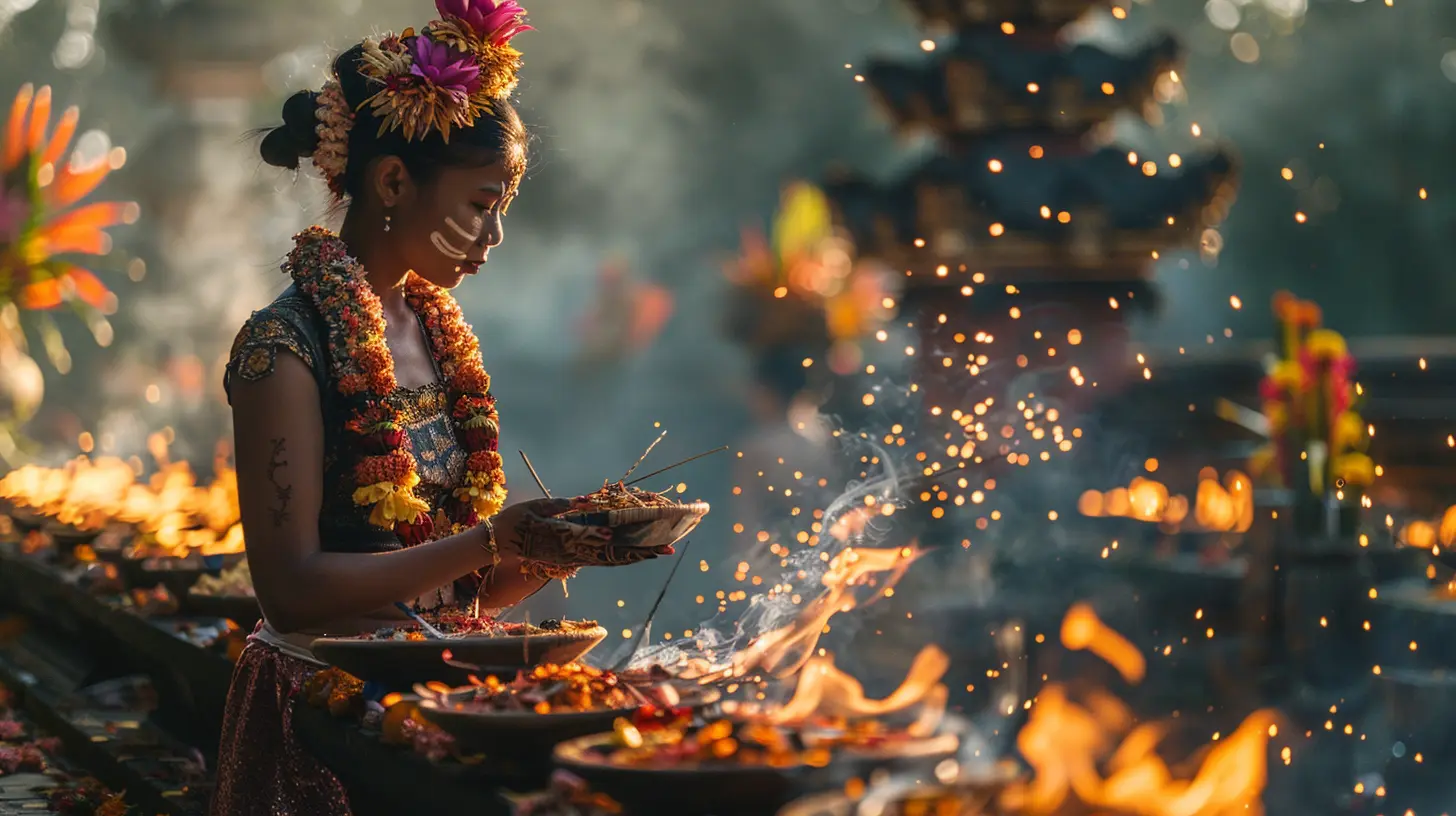
all images in this post were generated using AI tools
Category:
Cultural CelebrationsAuthor:

Shane Monroe
Discussion
rate this article
2 comments
Emma McElroy
Love how art brings celebrations alive!
October 7, 2026 at 4:50 AM
Shane Monroe
Thank you! Art truly adds a unique vibrancy to every celebration. I'm glad you feel that connection too!
Velvet Underwood
This article beautifully highlights how art and craft enrich traditional celebrations. It's fascinating to see how these cultural expressions not only preserve heritage but also enhance community bonds. I look forward to experiencing these vibrant traditions in 2026. Great insights shared here!
September 14, 2026 at 4:47 PM
Shane Monroe
Thank you for your kind words! I'm glad you found the article insightful. Excited for you to experience these traditions in 2026!