The Spiritual and Cultural Tapestry of Bhutan
17 August 2026
Bhutan—just the name itself evokes images of towering monasteries, deep valleys, and a way of life that's deeply rooted in tradition. Nestled in the lap of the Himalayas, this tiny kingdom is like a beautifully woven tapestry of spirituality and culture. Every corner of Bhutan exudes a kind of magic that leaves travelers in awe.
But what makes Bhutan so special? Is it the dzongs (fortresses), the fluttering prayer flags, or the smiling faces of its people? Well, it’s all of it—and so much more! Let’s dive into the spiritual and cultural riches of Bhutan and uncover the essence of this extraordinary land. 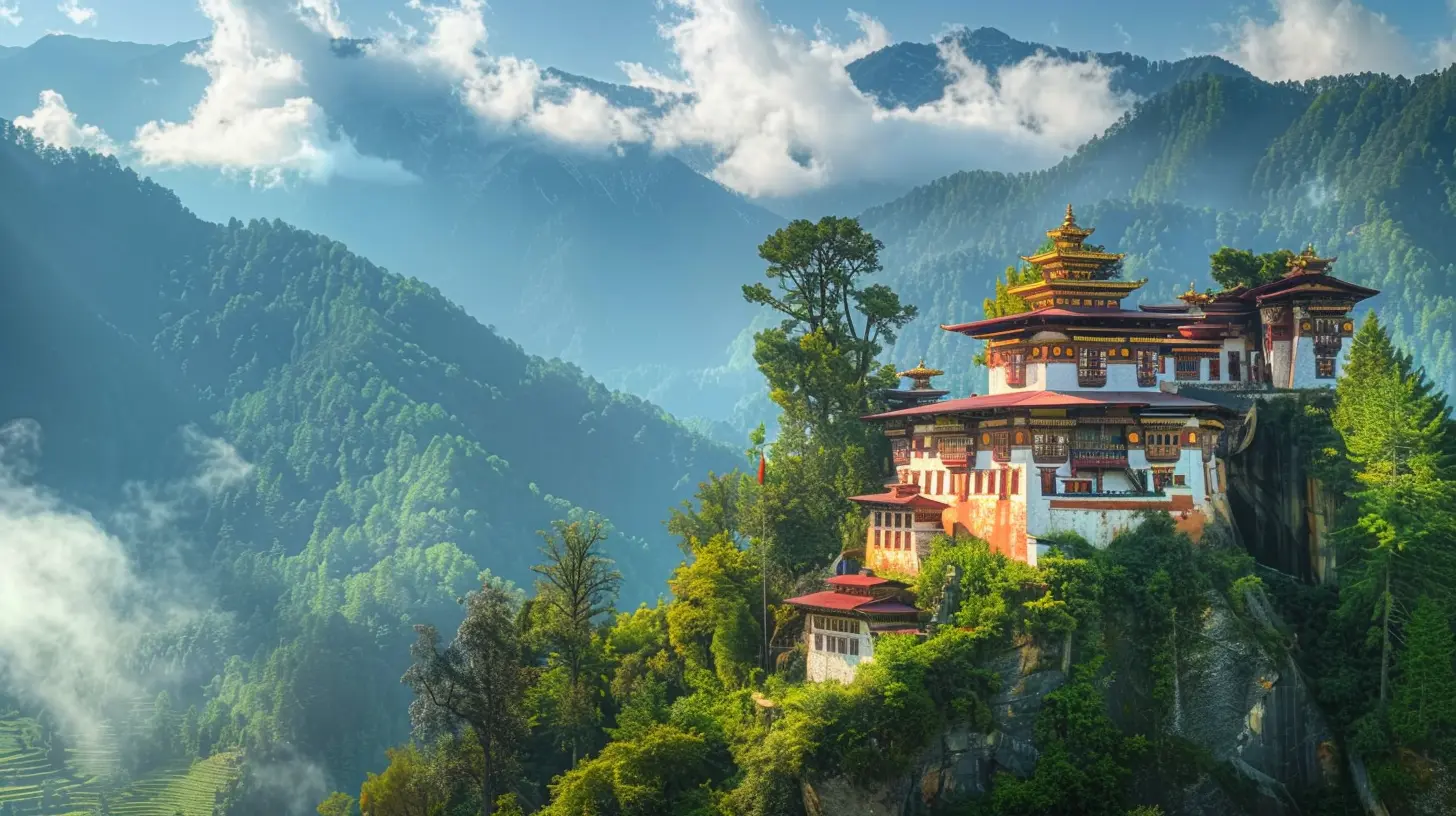
The Kingdom of Happiness: Bhutan’s Unique Identity
Bhutan isn’t your typical holiday destination—it’s a place where happiness is prioritized over material wealth. Ever heard of Gross National Happiness (GNH)? Yep, Bhutan actually measures progress based on well-being rather than just GDP.This philosophy influences every aspect of life, from governance to daily interactions. It’s no surprise that Bhutanese people radiate joy, making travelers feel welcome from the moment they arrive. 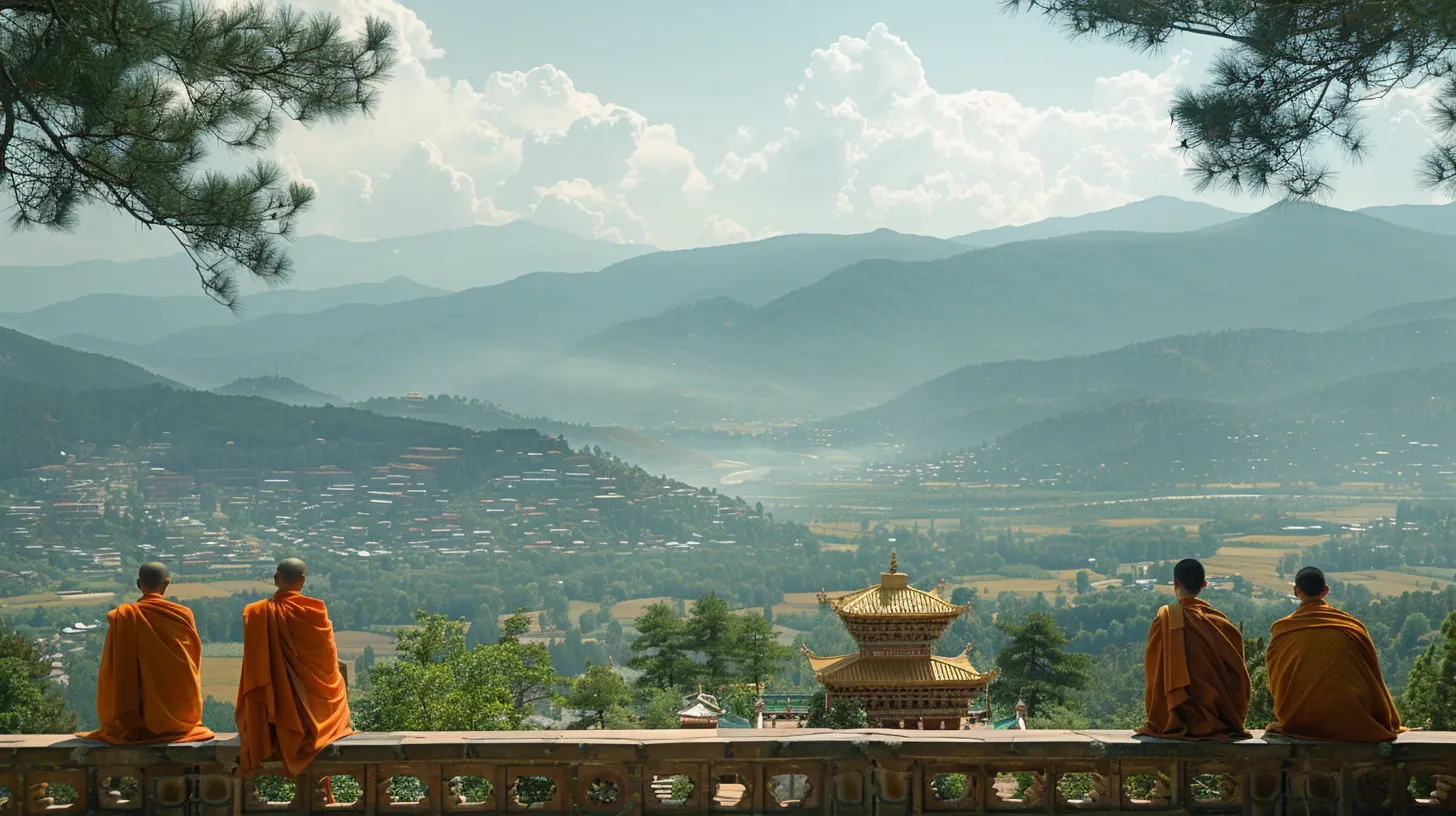
A Deep-Rooted Spirituality
If there’s one thing you can’t miss in Bhutan, it’s the profound spirituality that runs through the veins of the nation. The kingdom follows Vajrayana Buddhism, and it’s evident in almost every facet of daily life.1. Monasteries That Touch the Sky
Imagine trekking up a mountain and suddenly stumbling upon a centuries-old monastery perched impossibly on a cliff. Sounds surreal, right? Well, that’s Tiger’s Nest Monastery (Paro Taktsang) for you.This iconic monastery, clinging dramatically to a sheer rock face, is Bhutan’s most famous spiritual site. Legend has it that Guru Rinpoche (who introduced Buddhism to Bhutan) meditated here in the 8th century. Today, it remains a pilgrimage site for both monks and travelers seeking enlightenment… or maybe just spectacular views.
2. Prayer Flags and Prayer Wheels: Symbols of Devotion
Everywhere you look in Bhutan, you’ll find colorful prayer flags fluttering in the wind. But did you know that these flags aren’t just for decoration? Each flag carries prayers, and as the wind blows, it spreads those blessings far and wide.Similarly, prayer wheels—often found outside temples and along trekking paths—hold sacred mantras. A simple spin of the wheel is believed to send out positive energy and purify karma. Pretty cool, huh?
3. The Sacred Festivals of Bhutan
If you ever want to witness Bhutan’s spirituality in its full glory, time your visit with a Tsechu (monastic festival). These vibrant celebrations are held in monasteries across the country, featuring mesmerizing mask dances, folk music, and spiritual rituals.One of the most famous Tsechus happens in Paro, where monks don elaborate masks and reenact religious legends. The energy is infectious, the colors are dazzling, and the experience? Absolutely unforgettable! 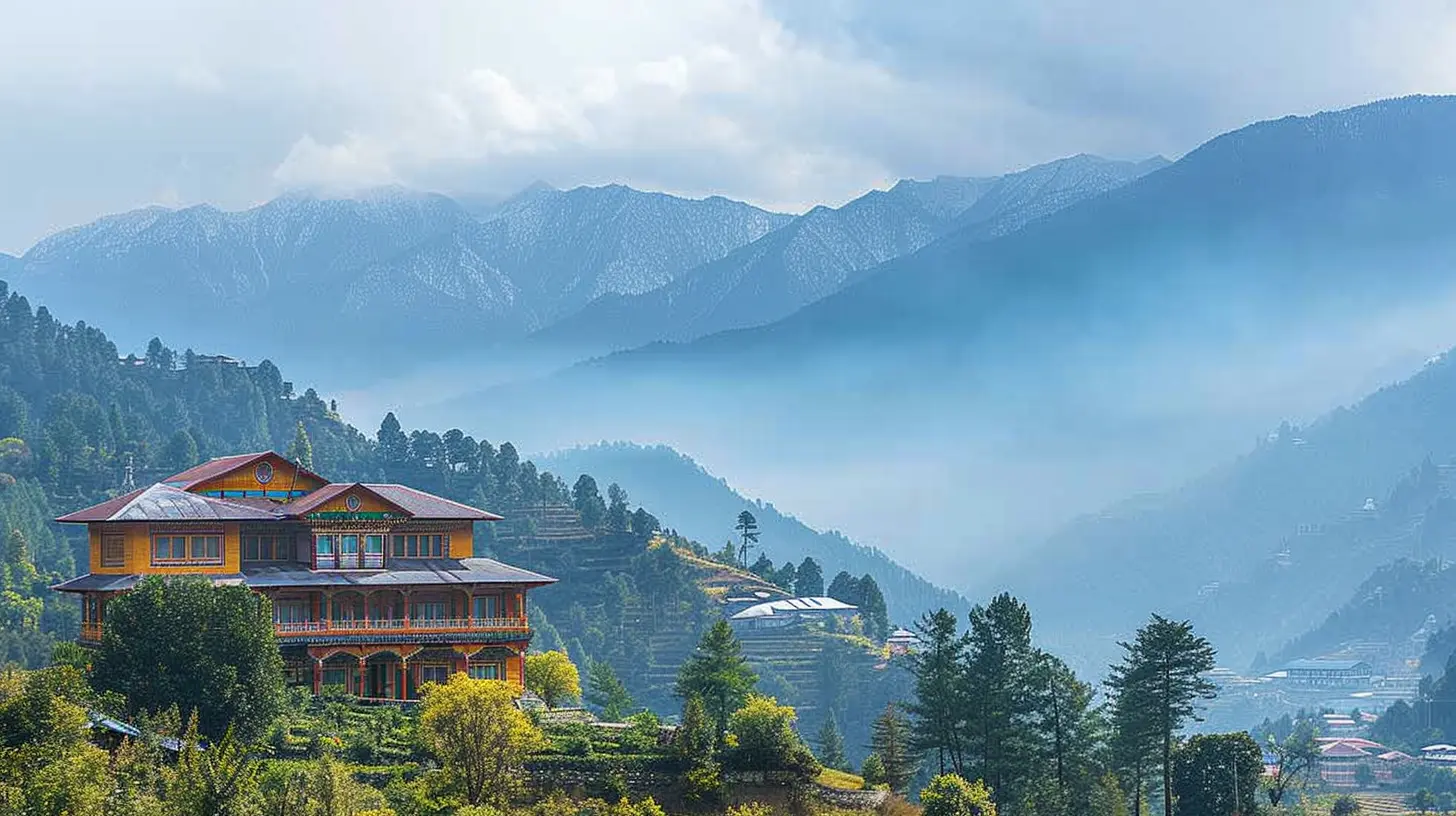
Bhutan’s Cultural Fabric: A Timeless Way of Life
Bhutan’s culture isn’t just about traditions—it’s a way of life that has remained untouched by modern influences. While the rest of the world rushes forward, Bhutan embraces a slower, more meaningful pace.1. Dzongs: The Heart of Bhutanese Heritage
Dzongs are imposing fortress-monasteries that serve as both administrative centers and monastic retreats. Picture massive walls, intricate wood carvings, and courtyards buzzing with monks and government officials alike.Some must-visit dzongs include:
- Punakha Dzong: The most beautiful dzong, located at the confluence of two rivers.
- Trongsa Dzong: A historic stronghold that played a key role in Bhutan’s monarchy.
- Tashichho Dzong (Thimphu): The seat of Bhutan’s government and home to the King’s office.
Each dzong tells a story, offering a glimpse into Bhutan’s past and present.
2. Traditional Bhutanese Attire
Bhutanese people take pride in their attire, and it’s not just for special occasions! Men wear the Gho, a long knee-length robe tied at the waist, while women don the Kira, a beautifully woven ankle-length dress.Even schoolchildren wear these traditional outfits, keeping Bhutan’s cultural identity alive in everyday life.
3. Bhutanese Cuisine: Simple, Yet Flavorful
Food in Bhutan is a delightful experience—especially if you love spice! The national dish, Ema Datshi, is a fiery concoction of chilies and cheese that will set your taste buds on fire (in the best way possible).Other must-try dishes include:
- Phaksha Paa: Pork cooked with spices and dried chilies.
- Jasha Maroo: A spicy chicken stew.
- Momos: Steamed dumplings that are a favorite snack.
And let’s not forget butter tea (Suja), a salty tea made with yak butter. It might be an acquired taste, but it’s perfect for keeping warm in Bhutan’s chilly mountain air! 
Bhutan’s Connection with Nature
Bhutan’s spirituality and culture are deeply intertwined with nature. In fact, over 70% of Bhutan is covered in forests, making it one of the most environmentally conscious countries in the world.1. A Carbon-Negative Nation
Did you know Bhutan is the world’s only carbon-negative country? That means it absorbs more carbon than it emits! Thanks to strict environmental laws and a deep respect for nature, Bhutan remains one of the most pristine places on Earth.2. Sacred Peaks, Rivers, and Forests
In Bhutanese culture, mountains, rivers, and forests aren’t just natural landmarks—they’re sacred entities. Many of Bhutan’s highest peaks, such as Jomolhari, are considered holy and remain unclimbed out of respect for the spirits that dwell there.The government even prohibits excessive deforestation, ensuring that Bhutan’s breathtaking landscapes remain untouched for future generations.
Bhutan’s Approach to Modernization
Despite its deep-rooted traditions, Bhutan has embraced modernization in a uniquely Bhutanese way. The country introduced television and the internet as recently as 1999, and even today, modernization is carefully balanced with cultural preservation.The best part? Bhutan’s modernization hasn’t diluted its authenticity. Walking through the capital city of Thimphu, you’ll find a charming blend of tradition and progress—where monks use smartphones and ancient dzongs coexist with modern cafes.
Why Bhutan Stays in Your Heart
Bhutan isn’t just a travel destination—it’s an experience that stays with you long after you leave. Whether it’s the spiritual energy of its monasteries, the warmth of its people, or the sheer beauty of its landscapes, Bhutan has a way of touching the soul.So, if you’re seeking a place that’s untouched by mass tourism, where happiness is more valuable than wealth, and where tradition thrives in harmony with modernity, Bhutan is calling your name.
Are you ready to answer?
all images in this post were generated using AI tools
Category:
Cultural ToursAuthor:

Shane Monroe
Discussion
rate this article
1 comments
Lily McGivern
Bhutan: where the mountains are majestic, the monks are chill, and happiness is not just a goal-it's a national sport. Who's ready to visit?
September 18, 2026 at 4:45 PM