The Spiritual Legacy of Tibetan Monasteries
28 February 2026
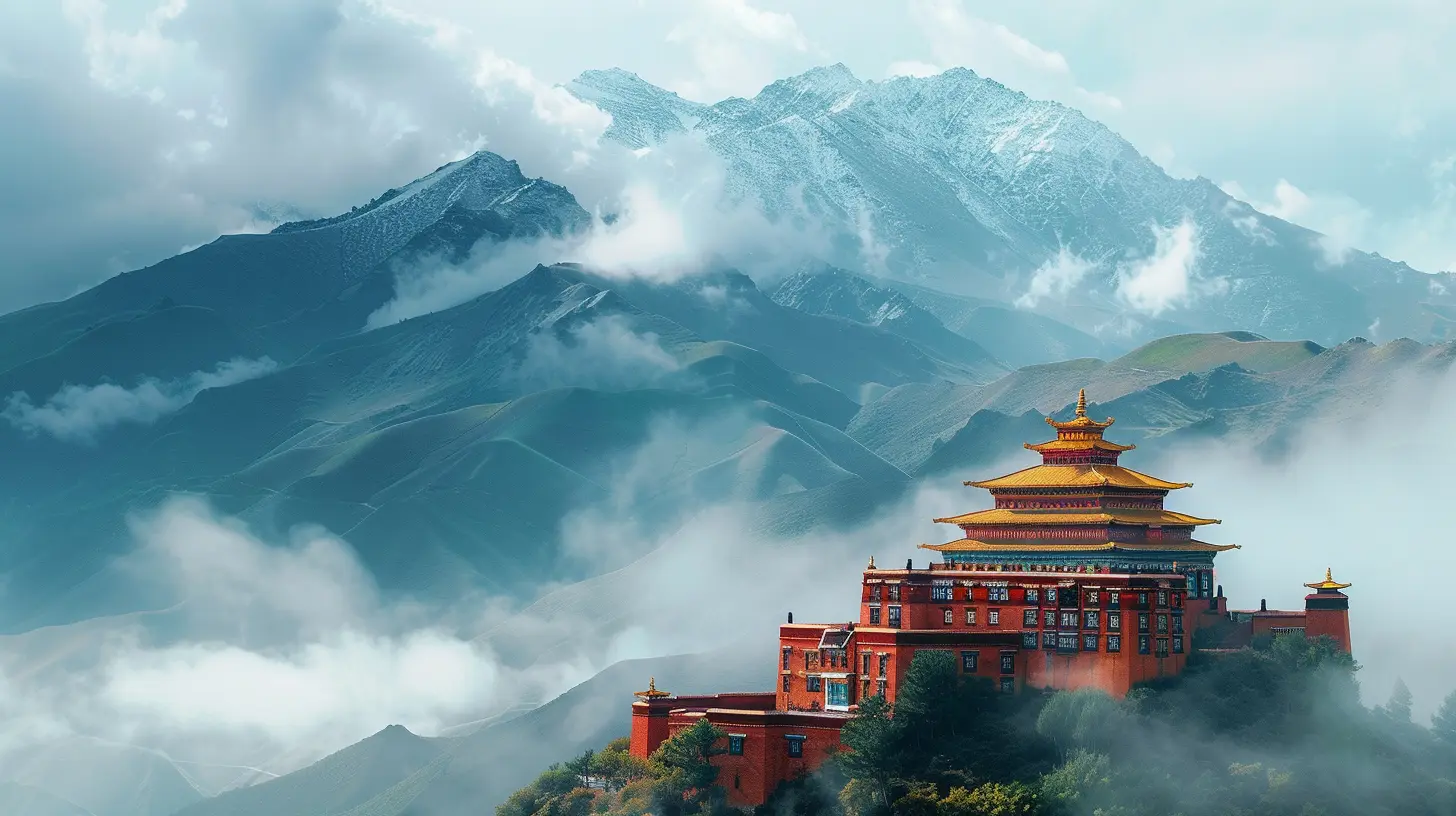
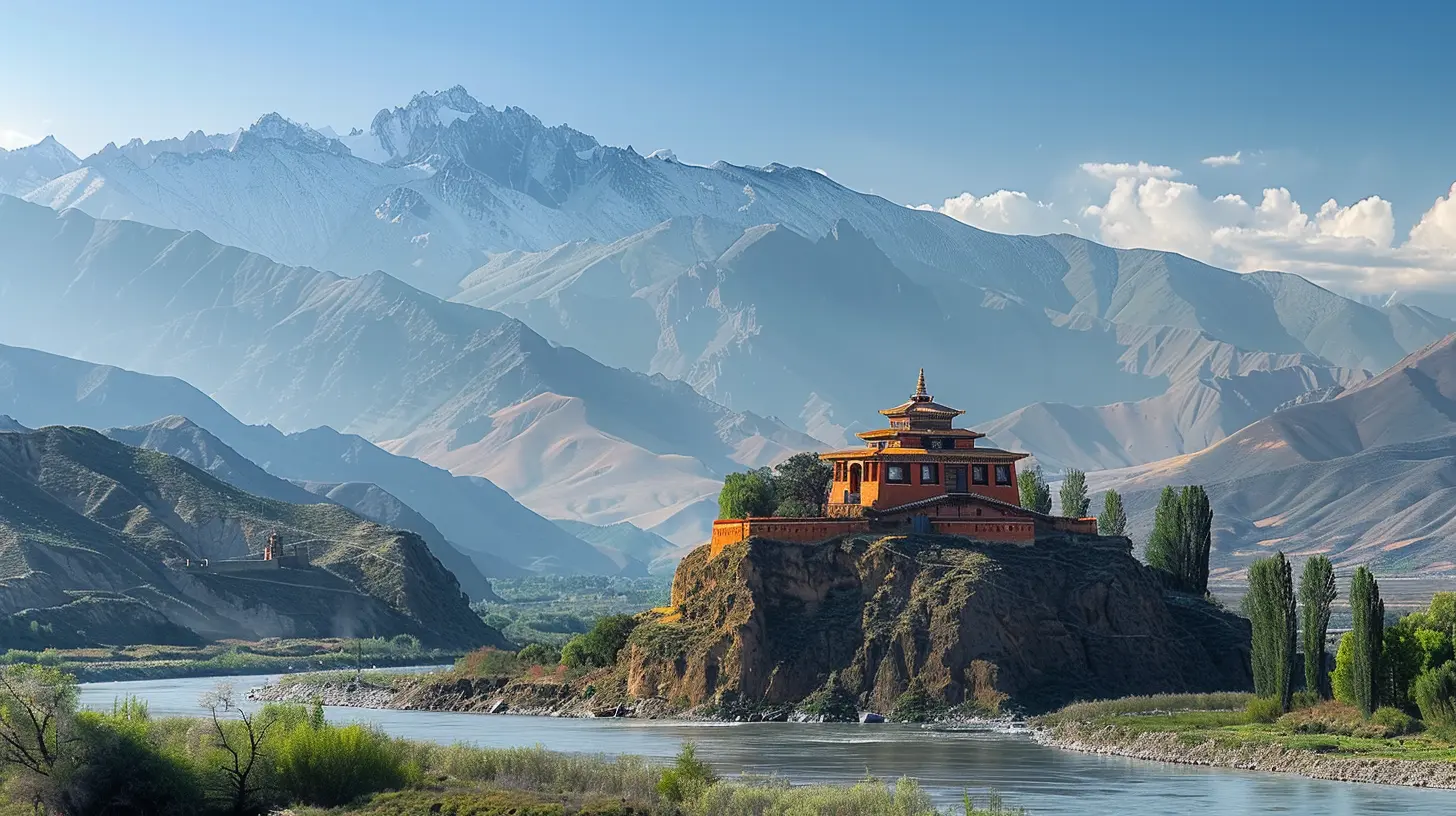
Nestled amidst the rugged, snow-cloaked peaks of the Himalayas, Tibetan monasteries stand like ancient sentinels of wisdom, their golden rooftops kissing the heavens. These monastic havens aren’t just architectural marvels—they are the beating heart of Tibetan culture, guardians of an ancient spiritual legacy that stretches beyond time.
A Land Where Silence Speaks
Step into a Tibetan monastery, and you’ll feel it—an invisible energy, humming like a quiet melody in the wind. The scent of butter lamps drifts through the air, the rhythmic chants of monks reverberate against stone walls, and prayer wheels spin with an almost hypnotic grace.Tibetan monasteries aren’t just places of worship; they are the soul of a centuries-old tradition, where ancient Buddhist teachings merge with the rhythms of daily life.
The Roots of Tibetan Monastic Legacy
Tibetan Buddhism traces its origins to the 7th century when King Songtsen Gampo first introduced Buddhist scriptures to the region. But it wasn’t until the 8th century, with the arrival of the great Indian sage Padmasambhava, that the foundation of Tibetan monasticism truly began to flourish.Over centuries, these monasteries became more than places of solitude—they became centers of learning, debate, and enlightenment. Think of them as the Ivy League of Buddhist philosophy, where students spent years mastering scriptures, meditation, and mystical practices.
The Majestic Monasteries That Withstand Time
Like jewels adorning the Tibetan plateau, these monasteries stand in defiance of time. Each one carries its own story, a whispered secret passed through the winds of history.1. The Potala Palace: A Celestial Abode
Perched atop Marpo Ri Hill, the Potala Palace isn’t just a monastery—it’s a fortress of spiritual grandeur. Once the winter residence of the Dalai Lama, it now stands as a symbol of Tibetan identity, its white walls and golden towers reflecting the wisdom of ages. Imagine walking through its labyrinth of hallways, where ancient scripts rest in dimly lit corners, whispering secrets from centuries past.2. Tashilhunpo Monastery: The Seat of Panchen Lamas
Founded by the first Dalai Lama in 1447, Tashilhunpo Monastery in Shigatse serves as the seat of the Panchen Lamas. Its golden rooftops gleam under the Himalayan sun, while the Maitreya Buddha statue—one of the largest in the world—radiates a silent yet profound presence.3. Ganden Monastery: A Pilgrim’s Dream
If spiritual energy had a physical form, Ganden Monastery would be its embodiment. Located at an altitude of 4,300 meters, its scenic beauty is matched only by the devotion of its monks. Once the primary seat of the Gelug school of Tibetan Buddhism, it remains a sacred destination for pilgrims who offer prayers and prostrations along its kora (pilgrimage circuit).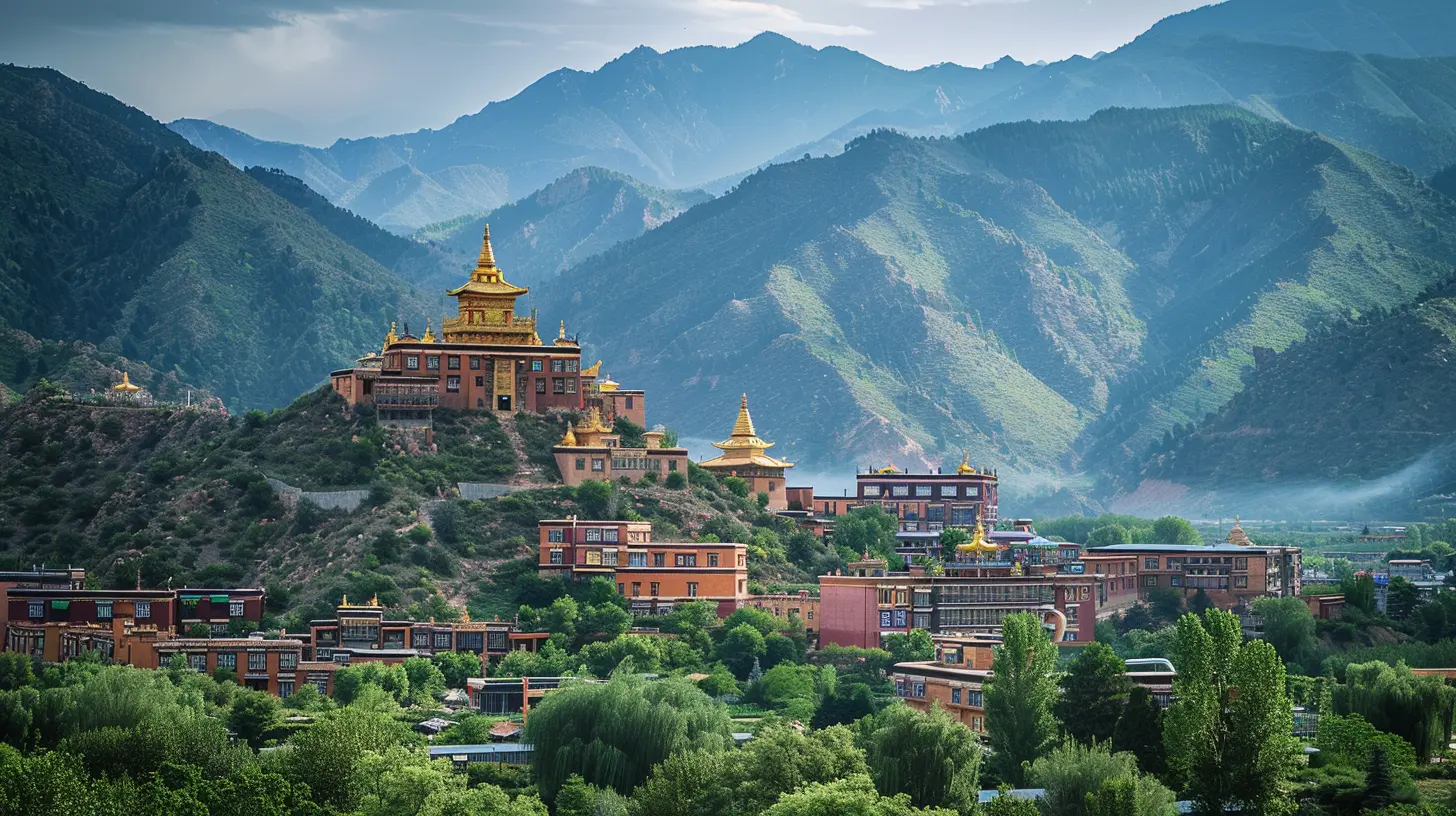
The Sacred Rituals and Practices
Step deeper into these monasteries, and you’ll witness rituals that have remained unchanged for centuries. These customs are not mere traditions; they are spiritual bridges that connect past, present, and future.The Hypnotic Chant of Monks
Have you ever heard the deep, guttural chants of Tibetan monks? Their voices, rising in perfect harmony, seem to vibrate through the very walls, carrying prayers beyond the confines of the monastery. Chanting isn't just a form of prayer—it’s a sonic meditation, a resonance that aligns the body, mind, and soul.The Turning of Prayer Wheels
Spin a prayer wheel, and with each turn, millions of mantras are sent into the universe. The engraved prayers—typically "Om Mani Padme Hum"—circulate with the wheel’s motion, believed to bring wisdom and compassion to all beings.The Mysterious Tibetan Sky Burials
One of the most misunderstood yet fascinating rituals of Tibetan monasteries is the sky burial. Rather than being viewed as morbid, this practice aligns with Tibetan Buddhist beliefs—offering one’s body to vultures is considered the ultimate act of compassion, a final way of giving back to nature.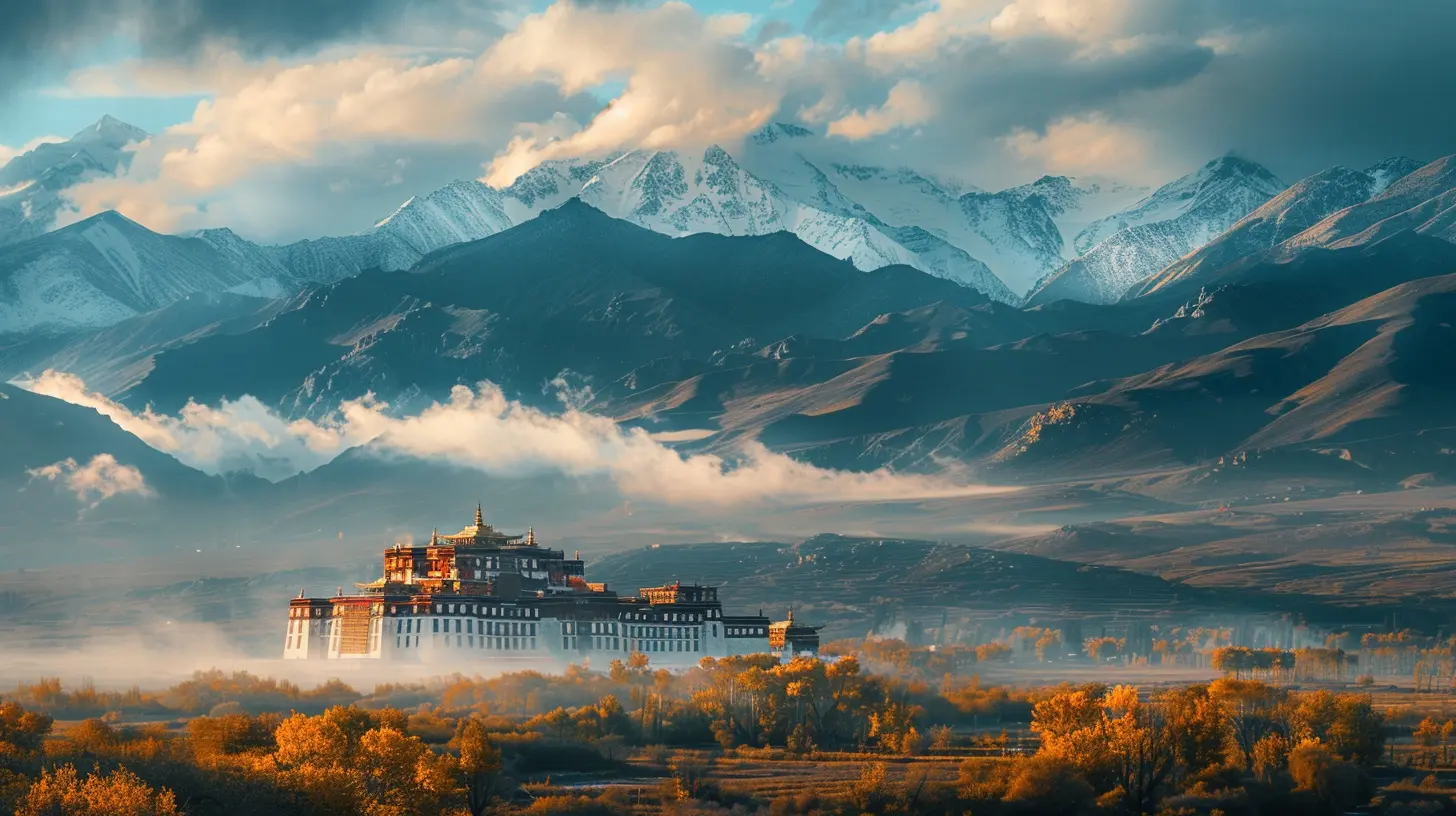
The Monks and Their Way of Life
Have you ever wondered what it’s like to be a Tibetan monk? Their life isn't about giving up—it’s about gaining something greater.From a young age, novice monks wake before dawn, their day filled with study, meditation, and prayer. By evening, they engage in lively debates—an intellectual sparring match where philosophy is dissected and analyzed with passionate gestures.
But it’s not all solemn contemplation. Monks laugh, play, and even enjoy the occasional butter tea, a salty, yak-butter-infused drink that fuels their mountainous lifestyle.
The Spiritual Energy That Draws Travelers
Why do travelers from around the world embark on grueling journeys to reach these high-altitude havens? It’s more than just curiosity—it’s a call of the soul. There’s something about the stillness, the sacred air, the way time slows down inside these monasteries.Many seekers come searching for enlightenment, taking part in meditation retreats led by venerable lamas. Others arrive simply to sit in silence, to let the energy of centuries-old prayers seep into their bones. Even those who come with no spiritual intent often leave with a new sense of clarity, as if they’ve touched something beyond the tangible.
The Challenges of Modernization
Yet, even as Tibetan monasteries continue to be pillars of spirituality, they face modern challenges. Tourism brings economic benefits, but it also threatens the serenity these monasteries were founded upon. Mass pilgrimages, technology creeping into sacred spaces, and political tensions all pose challenges to preserving their authenticity.Despite these hurdles, Tibetan monks remain steadfast. They embrace change without losing their essence, proving that true spirituality isn’t found in resisting modernity but in adapting with wisdom.
The Eternal Echo of Tibetan Monasteries
Tibetan monasteries are more than structures—they are vessels of an enduring spiritual legacy, whispers of wisdom carried by the Himalayan winds. They remind us that in a chaotic world, there exists a place of peace, where ancient truths still pulse beneath flickering butter lamps.So, if you ever find yourself drawn to the mystical realm of Tibet, don’t just visit a monastery—let it sink into your soul. Walk its corridors, listen to the chants, turn a prayer wheel, and for a moment, feel the presence of something greater than time itself.
all images in this post were generated using AI tools
Category:
Cultural ToursAuthor:

Shane Monroe
Discussion
rate this article
2 comments
Avianna Reyes
This article beautifully captures the profound essence of Tibetan monasteries. Their spiritual legacy is not only a testament to resilience but also an invitation for all seekers to explore inner peace and connection with something greater. Thank you!
March 3, 2026 at 4:53 PM
Shane Monroe
Thank you for your thoughtful comment. I'm glad the article resonated with you and conveyed the depth of Tibetan monasteries. Your insights are appreciated!
Seth Nelson
Tibetan monasteries offer a profound glimpse into spirituality and culture, where ancient practices blend with breathtaking landscapes. Visiting these serene sites can deeply enrich your travel experience and personal growth.
February 28, 2026 at 6:00 AM
Shane Monroe
Thank you! I completely agree—Tibetan monasteries truly provide a unique opportunity for spiritual enrichment and cultural immersion amidst stunning natural beauty.