The Vibrant Street Art Scene of Buenos Aires
19 December 2025
Welcome to Buenos Aires — a city that doesn’t whisper its soul, but shouts it in bold colors across its walls. If graffiti and murals could talk, Buenos Aires would have the loudest voice in South America. Seriously, this city has transformed into a living canvas, where street art isn’t just decoration; it’s a movement, a culture, and a way of telling stories that might otherwise go unheard.
Let's take a colorful stroll through the vibrant street art scene of Buenos Aires — a journey where walls speak, neighborhoods breathe creativity, and art lives around every corner.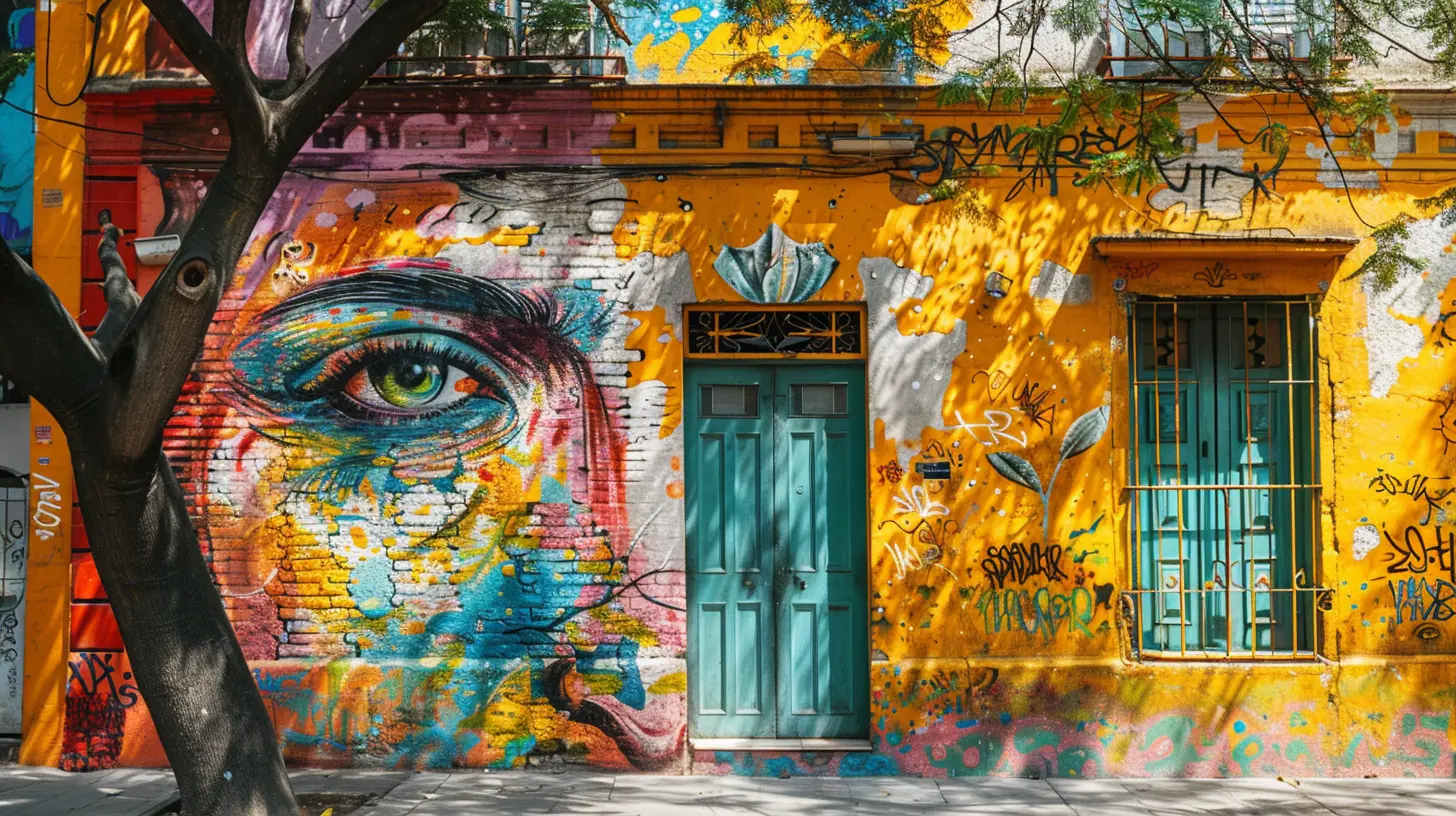
A City That Breathes Art
Buenos Aires isn’t your typical art destination. While it boasts classic museums and European-inspired architecture, its most raw and authentic artistic expressions live outdoors. Walk through neighborhoods like Palermo, La Boca, or Colegiales, and you'll see murals towering over buildings, swirling with color, history, and emotion. Unlike many cities where graffiti is frowned upon, Buenos Aires embraced it — and it shows.How did it all start? Well, after Argentina's economic crash in 2001, a wave of political and artistic expression took over the streets. What began as protest art, slowly evolved into powerful storytelling through brushes, spray cans, and imagination. It was like the walls decided to rebel—and they never looked back.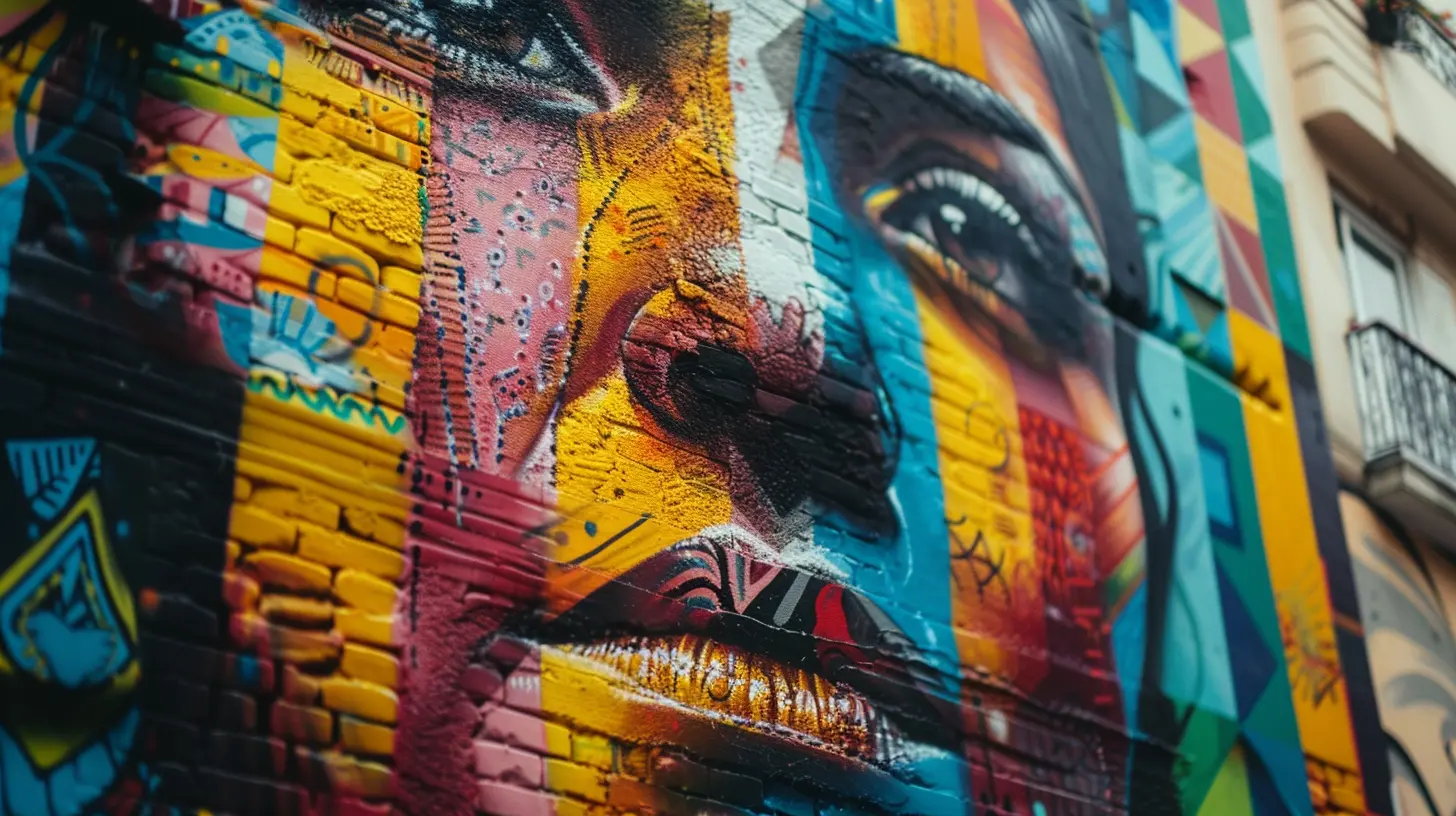
Murals With Meaning
One thing you’ll quickly notice is that street art here isn’t just random doodles or tags. Nope, it’s deeper than that. Each mural has something to say — sometimes rebellious, sometimes poetic, and often both.You’ll see portraits of cultural icons like Eva Perón, Diego Maradona, and Che Guevara. But you’ll also spot anonymous faces filled with emotion, indigenous patterns that whisper lost heritage, and surreal creatures that seem to leap from imagination to reality.
A perfect example? Head to the barrio of Villa Urquiza and spot the enormous mural by Martin Ron, one of Argentina’s most celebrated street artists. His work combines hyper-realistic images with surreal twists — like a boy pulling stars from the sky. It's not just beautiful — it’s mind-bending.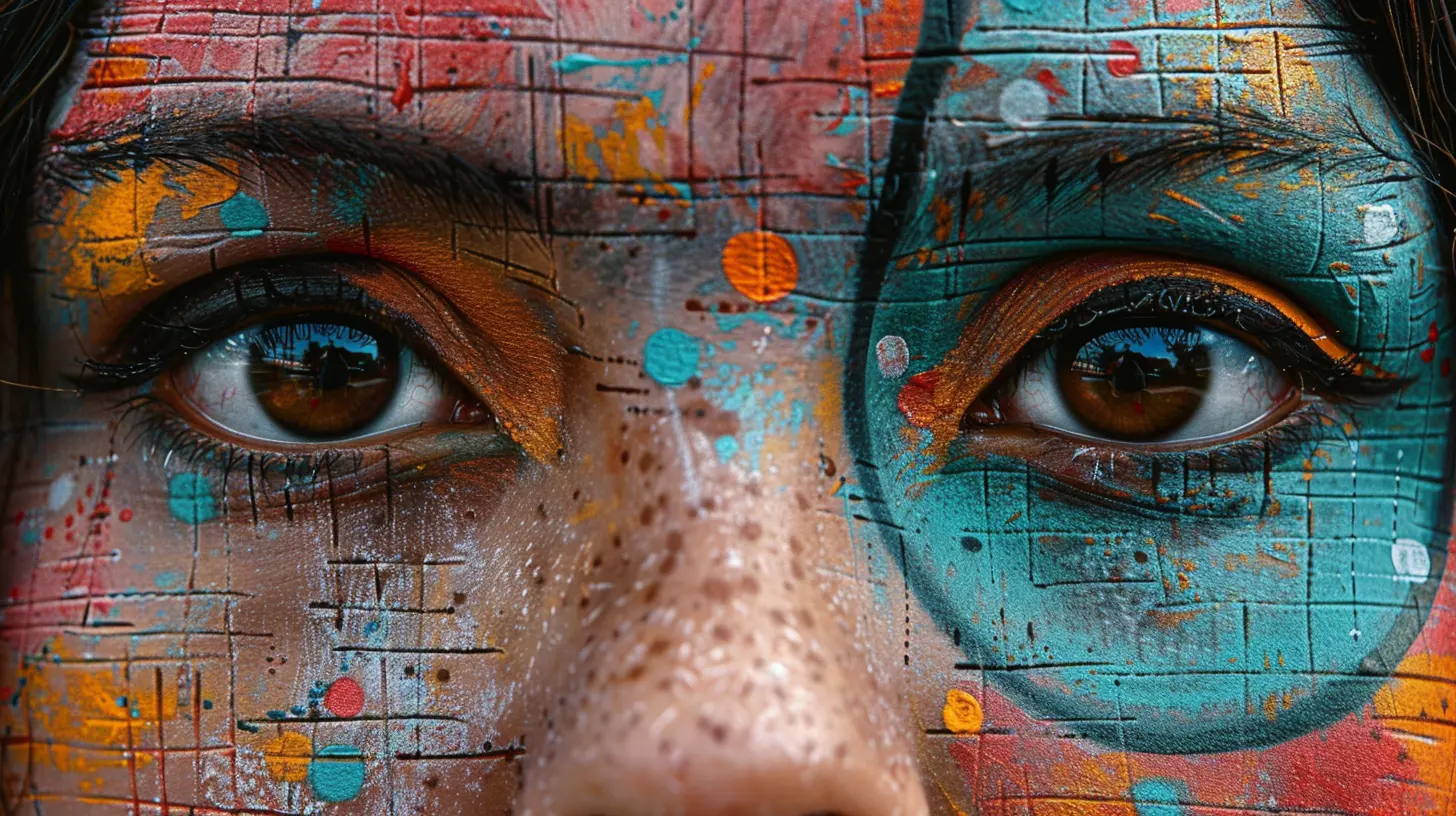
Meet the Artists Behind the Colors
So, who's painting these urban masterpieces?Buenos Aires is the home base for many talented muralists. Artists like Mart Aire, Ever, Jaz, and Pum Pum have become well-known not only within Argentina but internationally. Each has their own unique style:
- Mart Aire usually blends bright colors with dreamy, ethereal themes.
- Ever plays with human emotion and expression.
- Jaz mixes graffiti with fine art and uses unconventional materials like tar and asphalt – talk about gritty!
- Pum Pum adds a playful, cartoonish flair that’s straight-up delightful.
Many of them started off as underground artists, tagging walls under the cover of night. Today, they’re celebrated, commissioned, flown around the world – but they still paint in Buenos Aires because this city is their heart and muse.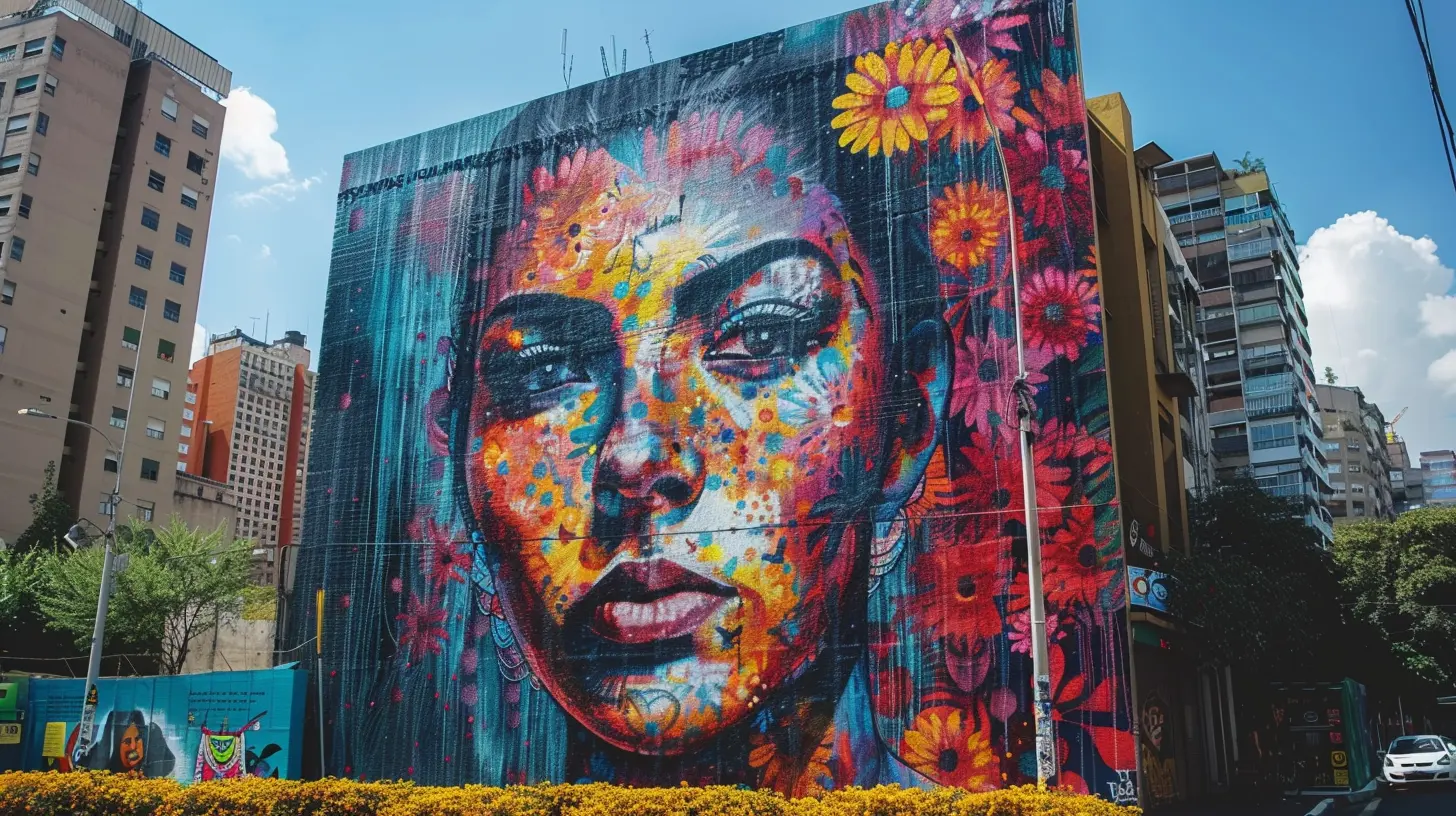
Legal Graffiti? Yep, That’s a Thing Here
Unlike in most cities where graffiti means jail time or at least a hefty fine, Buenos Aires plays by its own rules. Here’s the cool part: street art is totally legal as long as the artist has the building owner’s permission.Crazy, right? But it works! It’s why you’ll see entire sides of buildings completely covered in art, yet carefully painted with precision and purpose. This freedom has turned Buenos Aires into a global hotspot for street artists who come here from around the world just to leave their mark.
The Most Artistic Neighborhoods in Town
So, where should you go if you want to soak up the best of Buenos Aires’ street art scene? Let’s break it down:Palermo
If Buenos Aires had a hipster heart, it would be Palermo. Packed with trendy cafes, boutique shops and an easy-going vibe — this neighborhood doubles as a massive art gallery. You can’t walk more than a block without stumbling across a mural here.Don’t miss out on ‘Pasaje Soria’ and the surrounding alleys. You’ll find layers upon layers of color, often changing every few months as new artists come in with fresh ideas.
La Boca
Famous for its bright architecture and tango dancers swinging hips on cobblestone streets, La Boca is also a street art haven. Caminito, in particular, is an explosion of color and character — the kind of place where even the garbage bins are painted.More than just pretty, much of the art here reflects the working-class struggle and immigrant history of the neighborhood.
San Telmo
Old soul, new vibes. San Telmo has some of the oldest buildings in Buenos Aires, but its walls are buzzing with modern messages. Think political commentary, historical figures, and avant-garde style. It’s a blend of tradition and innovation that somehow just clicks.Colegiales & Chacarita
These neighboring barrios are a bit more off-the-beaten-path, which means less touristy and more authentic vibes. Some of the biggest and most daring murals live here. Think “street art gems” hidden behind quiet corners and leafy streets.Taking a Street Art Tour (Highly Recommended!)
Sure, you can wander on your own — but if you want the juicy backstory, the secrets behind the brushstrokes, and maybe even meet an artist or two? Book a street art tour.Tours like Graffitimundo offer local-guided walks (or bike rides!) through the art-rich areas. These guides live and breathe street art — they know the names, the stories, the context. By the end, you won’t just admire the art, you’ll understand it.
It’s one of those rare tours where you leave seeing the city through a totally different lens.
Street Art Festivals That Light Up The City
Buenos Aires doesn’t just let art happen — it celebrates it. Throughout the year, several festivals turn the city into an open-air studio.Meeting of Styles and Ciudad Emergente are two of the biggies. They bring together artists from all over the globe to create collaborative murals, live paintings, and sometimes even interactive installations.
If you’re lucky enough to be in town during one of these festivals, prepare to have your mind blown. The city vibrates with color, music, and creative energy you can actually feel.
Want to Leave Your Mark?
Got your own creative itch? Good news — Buenos Aires is incredibly welcoming to new artists. Several local studios offer mural workshops where you can learn the basics from expert muralists and even try your hand on a legal wall.It’s not just a fun activity — it’s a way to connect with the culture, express yourself, and become part of the city’s artistic heartbeat.
Street Art As Social Commentary
One last thing — and it’s an important one. Street art in Buenos Aires isn’t all about aesthetics. Much of it is charged with intention. It's a form of protest, a voice for the voiceless, and a battleground for ideas.From murals that highlight indigenous rights, to pieces that criticize political corruption or advocate for gender equality — these artworks spark conversation and consciousness.
In this city, even the walls care.
Final Thoughts: A City Painted With Passion
Here’s the thing — whether you’re an art lover or just someone who appreciates a good Instagram backdrop, the street art scene in Buenos Aires will leave an impression (and probably a hundred photos in your camera roll).It’s more than just paint on bricks. It’s emotion. It’s history. It’s rebellion. It’s celebration. It’s a living, breathing expression of a city that refuses to go unnoticed.
So next time you’re in Buenos Aires, don’t just visit museums or sip Malbec (though definitely do those too). But take a walk. Look up. Pay attention to the walls — because in Buenos Aires, the walls are alive, and they’ve got some stories to tell.
all images in this post were generated using AI tools
Category:
Cultural ToursAuthor:

Shane Monroe
Discussion
rate this article
2 comments
Kaleb McKeehan
Buenos Aires pulses with creativity! The street art is not just decoration—it's a powerful expression of culture, politics, and identity. Dive into this colorful urban canvas; it's a feast for your senses and spirit!
January 25, 2026 at 4:57 AM
Shane Monroe
Absolutely! Buenos Aires' street art truly embodies the city's soul, reflecting its rich culture and dynamic spirit. It's an essential experience for every visitor!
Ford McMahan
Buenos Aires' street art encapsulates the city’s soul, blending social commentary with vibrant creativity. Each mural tells a story, reflecting its rich cultural tapestry. Exploring these artworks offers not just sights, but deeper connections to the city’s identity.
December 29, 2025 at 4:37 PM
Shane Monroe
Thank you for capturing the essence of Buenos Aires' street art! It's truly a powerful reflection of the city's spirit and culture.