The World's Most Photogenic Festivals to Visit in 2027
9 May 2026
You might be thinking, "Why 2027? Why not just next year?" Good question. Here's the thing: festivals are living, breathing creatures. They change. Some are every year, sure, but the energy shifts. In 2027, we are looking at a sweet spot. The world has had a few years to settle after the big shake-ups of the early 2020s. Local communities are rebuilding traditions with a fresh passion. Plus, the dates align perfectly for some of the most epic celebrations. Think of it like the perfect wave. You don't just catch any wave. You wait for the one that has the most power and the cleanest line. 2027 is that wave.
1. The Lanterns of Pingxi, Taiwan (February)
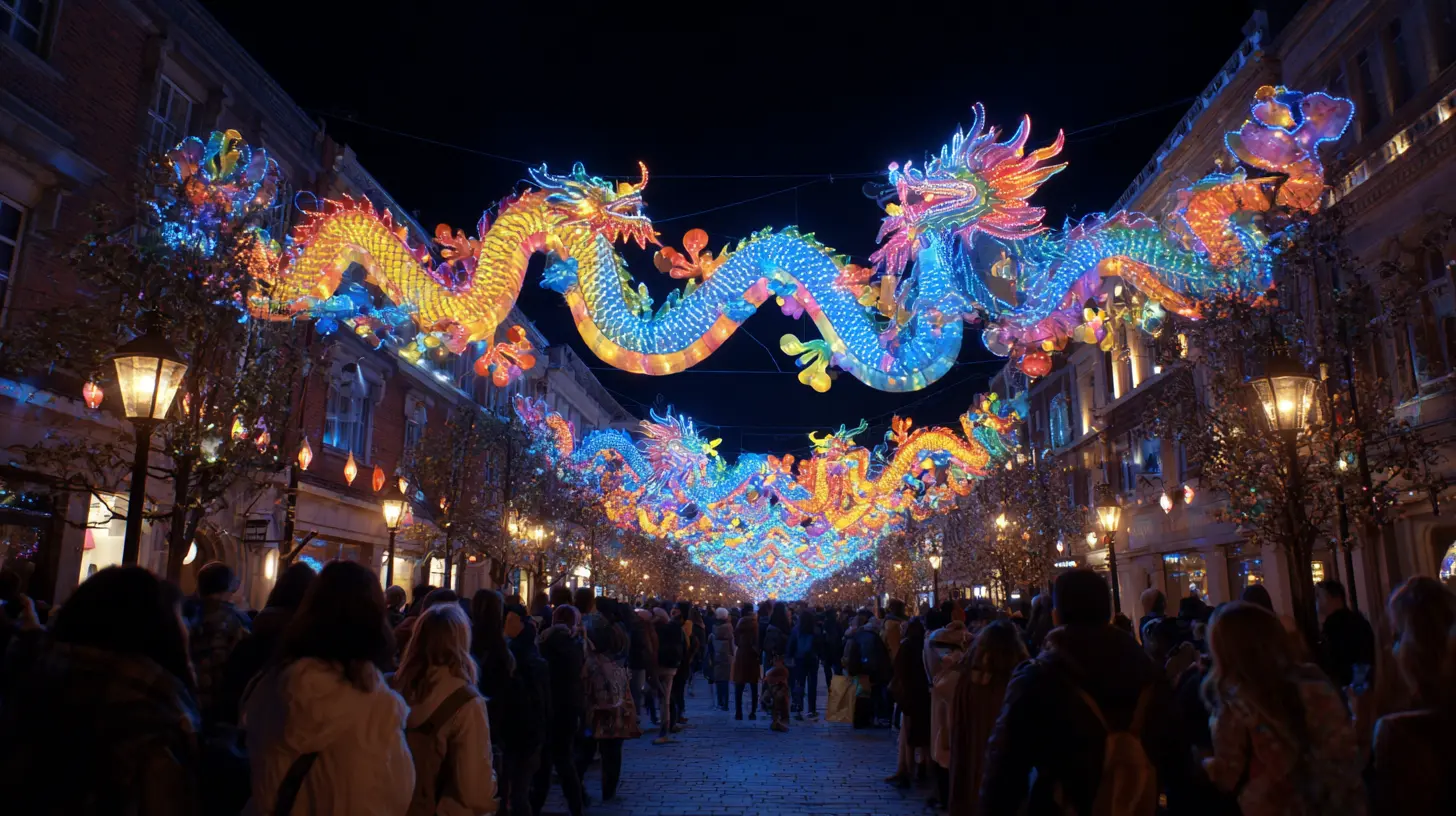
Let's start with a quiet bang. The Pingxi Sky Lantern Festival in Taiwan is not a loud, pounding party. It's a whisper that turns into a roar of light. Picture this: you are standing on a narrow railway track in a small mountain town. The air is cool. Families and couples are huddled around huge paper lanterns, writing their wishes in thick brushstrokes.Then, at a signal, everyone lights the fuel cell. The paper balloons swell with hot air. For a moment, they wobble, unsure. Then, they lift. Not one or two, but thousands. They rise like orange jellyfish into the darkening sky. It's quiet for a second, then everyone cheers.
Why is it so photogenic? Because it's pure emotion. You can't fake the look on someone's face when their wish floats away. For your shot, get low to the ground. Use a wide lens. Capture the crowd holding the lanterns above their heads, the flames lighting up their faces. Then, turn around and get the sky. It looks like a star map that someone just shook loose.
Pro tip for 2027: The main event is on the 15th day of the Lunar New Year, which falls in early February. Get there by 2 PM. The train from Taipei is packed, but the journey through the green mountains is half the magic. Don't be a hero and try to launch a lantern alone. Share one with a stranger. It makes the photo better.
2. Holi, India (March)
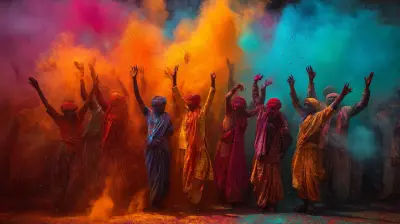
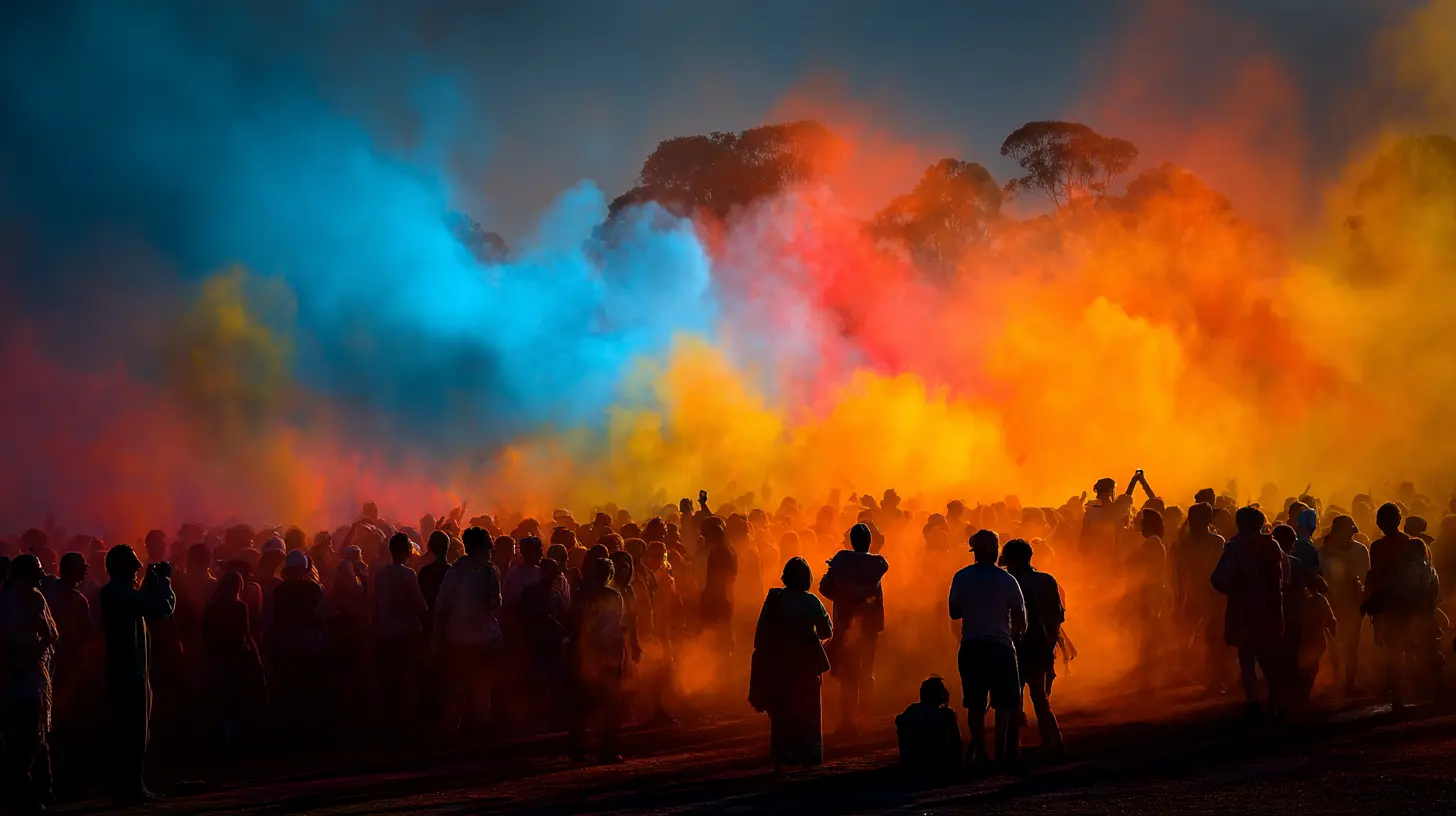
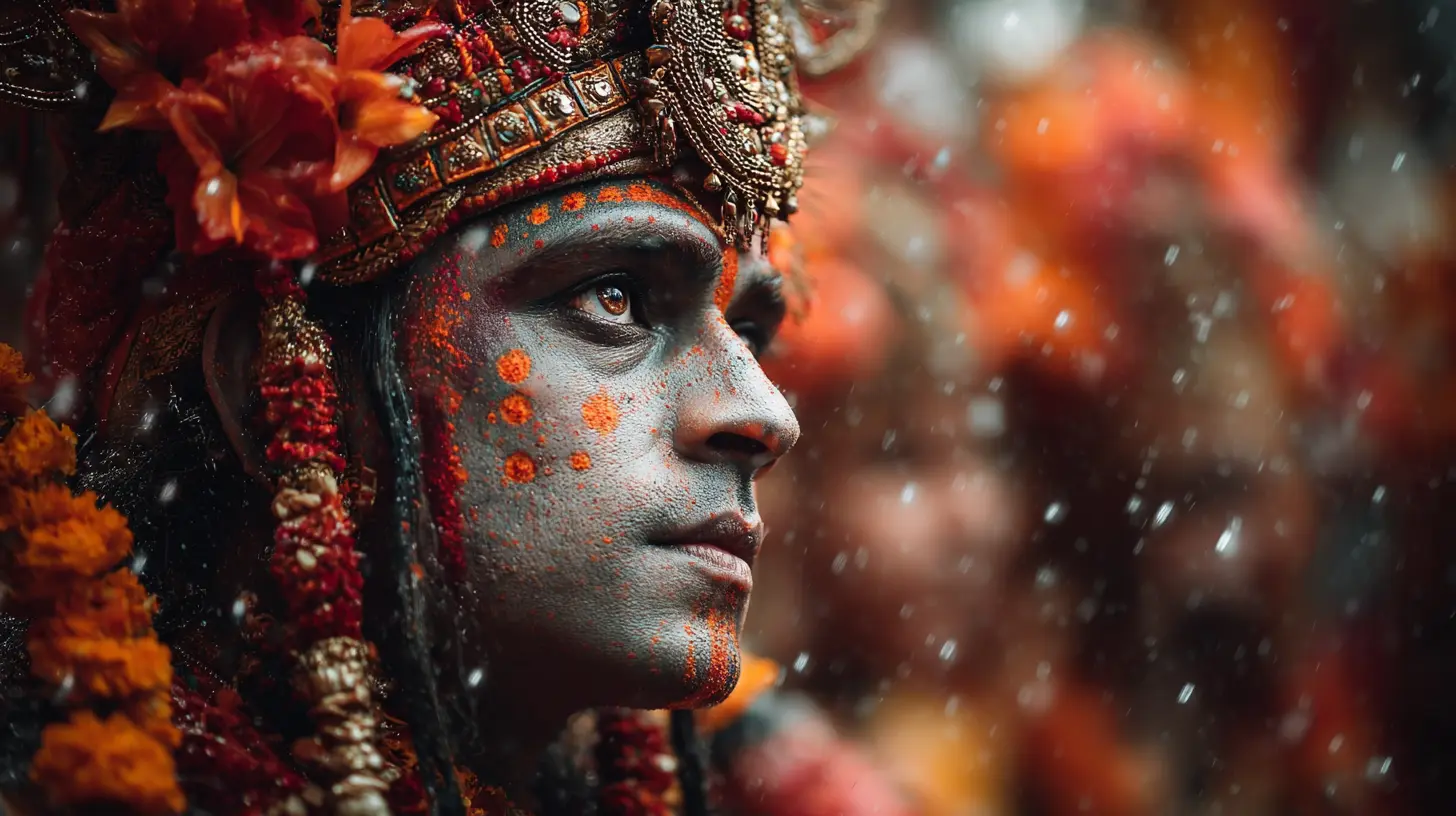
Okay, you knew this one was coming, but hear me out. Holi is not just "that festival where people throw colored powder." That's the tourist version. The real Holi, the one that will blow your mind and your camera's sensor, is a primal scream of joy.I remember my first Holi in Mathura, not Delhi. It's a mess. It's wet. It's loud. You get hit with water balloons from every direction. Boys on rooftops pour buckets of colored water on the crowd below. You are drenched. Your white shirt is now a rainbow of mud and dye. But then, you look up. An old man in a white dhoti is laughing, his face smeared with bright pink and blue. A group of women are dancing in a circle, their saris soaked, their hands covered in red.
The photography here is about texture and chaos. You can't plan a perfect portrait. You have to react. The best shots are the ones where a cloud of magenta powder explodes in front of a stone temple, or a child's face peeks through a shower of water. It is messy. It is loud. It is the most alive you will ever feel.
Pro tip for 2027: Protect your camera. I mean it. Put it in a clear plastic bag with a hole for the lens. Use a cheap UV filter you don't mind scratching. And for the love of everything, don't wear your good shoes. Go to the smaller towns near Vrindavan. The colors are more natural (made from flowers), and the crowds are less about selfies and more about spirit.
3. The Battle of the Oranges, Ivrea, Italy (February/March)
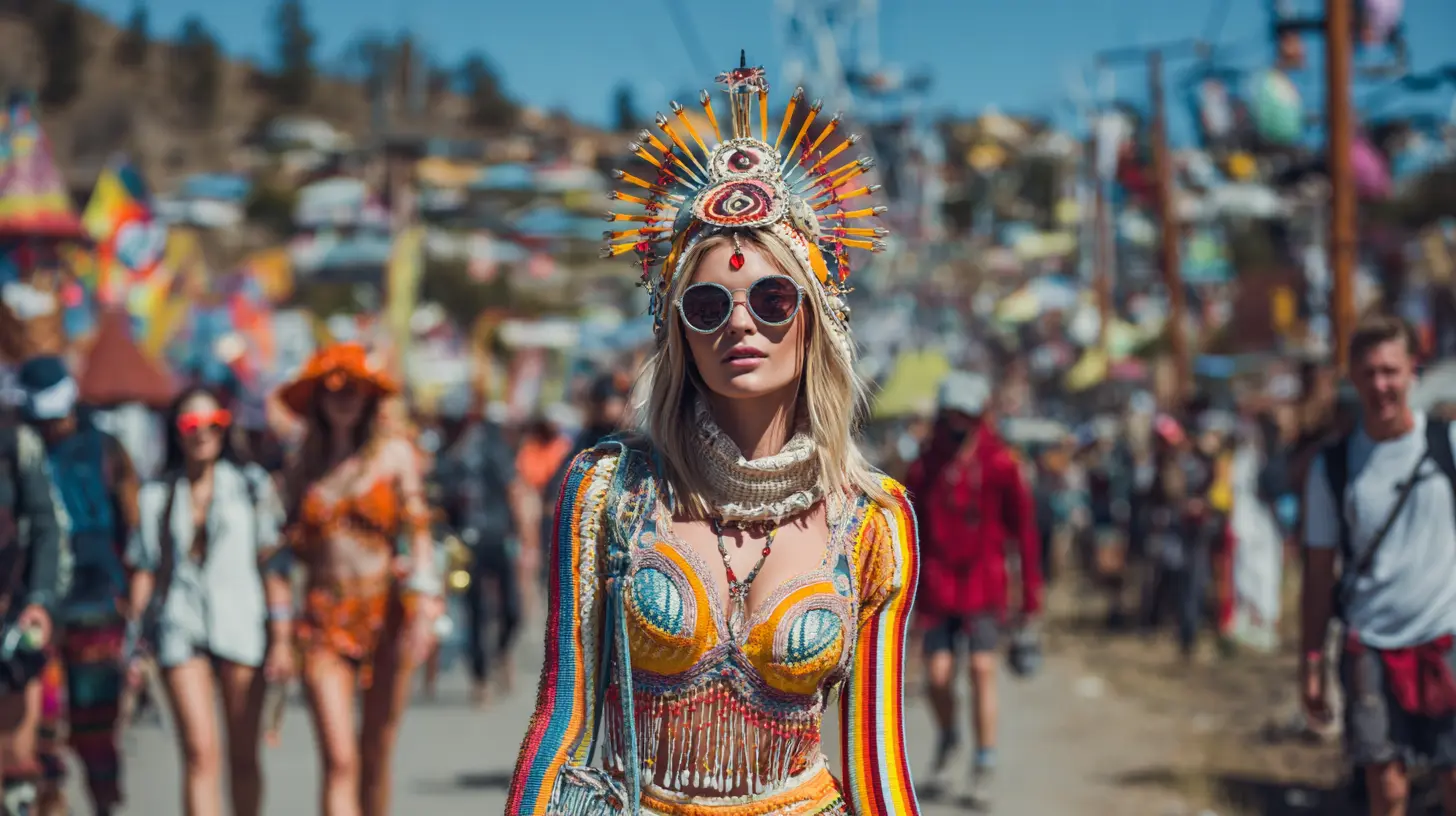
This one sounds like a fever dream, and honestly, it kind of is. Every year in the small Italian town of Ivrea, they reenact a medieval rebellion by throwing... oranges. But not like a gentle toss. We are talking a full-on, organized, city-wide food fight that would make a food critic cry.The town square is turned into a battle zone. There are teams on foot, and teams on horse-drawn carts. They are armored. They have helmets. And they are pelting each other with oranges at close range. The air smells like citrus and sweat. The streets are ankle-deep in pulp and juice. It's violent, but in a weirdly joyful way. No one is actually angry. They are just celebrating freedom.
For photos, this is a goldmine of action. You want to capture the moment of impact. An orange exploding against a shield. A man in a medieval hat laughing as pulp flies past his face. The golden light of the late afternoon hitting the wet cobblestones. It looks like a Caravaggio painting if Caravaggio had a thing for citrus.
Pro tip for 2027: Wear a red hat. Seriously. The rules of the battle are strict. If you are a tourist, you are technically a "spectator." But if you wear a red hat, you are signaling you want to be in the fight. You will get hit. A lot. But your photos will be epic. Stand near the carts. That's where the action is thickest. And bring a raincoat. For the juice, not the rain.
4. Dia de los Muertos, Oaxaca, Mexico (November 1-2)
Forget what you saw in the cartoon. The real Day of the Dead in Oaxaca is not spooky. It is beautiful. It is a celebration of life that happens to be dressed up like death. The cemeteries are not sad places. They are picnic grounds. Families bring blankets, food, and marigolds. They sit by the graves of their loved ones and tell stories. They laugh. They play music.The streets of Oaxaca City are covered in yellow marigold petals. They look like a carpet of sunshine. Altars are built in every corner, with photos of the deceased, their favorite foods, and sugar skulls. The women wear traditional dresses with flowers in their hair. Their faces are painted to look like elegant skeletons.
The light here is everything. The late afternoon sun filters through the petals. The candles flicker at night. Your best photos will be the candid ones. A grandmother touching a photo on an altar. A child eating a sugar skull. A group of musicians playing a trumpet in a graveyard at midnight. It is not a festival for fast shots. It is for slow, deliberate, emotional portraits.
Pro tip for 2027: Skip the main parade in Mexico City. It's fun, but it's made for tourists. Go to Oaxaca. Stay in a local house. Ask your host if you can see their family altar. They will say yes. That is where the real story is. Use a fast lens. The light is low, but the soul is high.
5. The Glastonbury Festival, England (June)
I know, I know. A music festival. But Glastonbury is not just Coachella with mud. It is a pilgrimage. It is a muddy, rainy, beautiful mess that has been running since 1970. In 2027, it will still be the king.The magic of Glastonbury is the scale. It is a temporary city. You walk for miles. You find a tiny tent in a field where someone is playing a harp. You find a giant pyramid stage where the biggest band in the world is playing. The sun sets over the famous Glastonbury Tor in the distance. The crowd sways like a single organism.
For photography, it is about the moments between the big shows. A couple kissing in the rain. A group of friends covered in mud, laughing. The lights of the fairground rides spinning in the dark. The sunrise over the campsite. It is gritty. It is real. It is not polished. And that's why it's beautiful.
Pro tip for 2027: Buy your ticket the day they go on sale. They sell out in an hour. Bring wellies that are two sizes too big. Wear layers. And don't try to photograph the main stage from the front. The sound is bad and the view is worse. Go to the smaller stages. The Park Stage, the Acoustic Tent. That's where the soul lives.
6. The Pushkar Camel Fair, India (November)
This one is a photographer's dream. It is a massive livestock fair that turns into a cultural explosion. Thousands of camels, horses, and cattle are brought to the desert town of Pushkar. They are decorated. I mean, really decorated. Their owners paint them, put tassels on them, and shave patterns into their fur. They look like they are going to a desert fashion show.The men are just as colorful. They wear bright turbans and long mustaches that curl up at the ends. They sit in circles, smoking pipes and trading animals. The women wear heavy silver jewelry and mirrored skirts. The dust rises in the hot sun. The camels groan. The smell of chai and dust fills the air.
Your photos here will have incredible color and texture. The red of the turbans against the blue sky. The wrinkled skin of a camel. The sparkle in a trader's eye. The best time to shoot is early morning or late afternoon. The light is soft. The shadows are long. The desert turns gold.
Pro tip for 2027: Stay in a tent camp outside the main fairground. It is quieter, and you get to see the sunrise over the dunes. Don't just shoot the camels. Shoot the people. Ask permission. A simple smile and a nod goes a long way. Offer to show them the photo on your camera screen. They love that.
7. The Snow and Ice Festival, Harbin, China (January)
This one is cold. Like, "I can't feel my fingers" cold. But it is worth it. Every winter, the city of Harbin in northern China builds an entire city out of ice and snow. Huge blocks of ice are cut from the nearby river. They are carved into castles, pagodas, and animals. Then, at night, they are lit up with colored lights.It looks like a world from a fantasy novel. The ice is crystal clear. The lights turn it blue, green, pink, and purple. You walk through a frozen wonderland. The air is so cold it hurts to breathe. But you forget the pain when you see a 50-foot ice cathedral glowing in the dark.
The photography is tricky. The cold drains your battery fast. Your breath fogs your lens. But the results are worth it. Use a tripod. The long exposures make the lights look like jewels. Capture the reflection of the ice in the snow. Get a shot of a person standing next to a huge ice sculpture to show the scale.
Pro tip for 2027: Wear the warmest clothes you own. Then wear more. Hand warmers are not optional, they are mandatory. Go to the Sun Island Snow Sculpture Art Fair during the day. The ice is white and clean. Go to the Ice and Snow World at night. That's where the color is. Your camera will freeze. Keep it inside your jacket when you're not shooting.
8. The Running of the Bulls, Pamplona, Spain (July)
Let's be clear: this is controversial. I am not here to convince you to run with the bulls. It is dangerous. People get hurt. But standing on the sidelines and watching it? That is one of the most visually intense experiences you can have.The streets of Pamplona are narrow. They are cobblestone. At 8 AM, a rocket goes off. The bulls are released from a pen. They run down the street, horns sharp, hooves clattering. And in front of them, hundreds of men run for their lives. They wear white pants and red scarves. They look like a wave of snow and blood.
The energy is insane. The sound of hooves on stone. The shouting. The panic. The relief when the bulls pass. The best photos are the ones that capture the movement. A blur of red. A man's face twisted in fear and excitement. The dust rising in the morning light.
Pro tip for 2027: Do not run. Seriously. Watch from a balcony. You pay a little extra, but you get a safe, elevated view. Use a telephoto lens. You want to compress the street so it looks like a tunnel. And get there early. The best balconies book out months in advance.
9. The Cherry Blossom Season, Japan (Late March to Early April)
This is not a single festival. It is a national mood. The cherry blossoms, or sakura, bloom for only a week or two. The entire country stops to watch. People have picnics under the trees. They call it hanami. They eat pink sweets and drink sake. The petals fall like pink snow.The photos are cliche for a reason. They are perfect. A single branch of blossoms against a blue sky. A temple roof peeking through the flowers. A couple walking under a tunnel of pink. The reflection of the blossoms in a calm pond.
But the real magic is in the details. The light through the petals. The way the petals land on a stone lantern. The smile of an old woman sitting on a blanket. It is gentle. It is fleeting. That's why it's so beautiful.
Pro tip for 2027: Do not go to Kyoto's main tourist spots. They are packed. Go to the Philosopher's Path early in the morning. Or go to a smaller town like Yoshino. The hills are covered in blossoms. It looks like a pink cloud. And don't just shoot the trees. Shoot the people enjoying them. That's the real story.
10. The Festival of the Giants, Douai, France (July)
This one is weird and wonderful. In the town of Douai in northern France, they have a festival where they carry giant wicker and papier-mache figures through the streets. These "Giants" are huge. Some are 20 feet tall. They are called Gayant and his family. They wear old-fashioned clothes. They have big, painted faces. They dance.The crowd follows them. There is music. There is beer. There is a lot of singing. The giants bob and weave through the narrow streets. They look like something out of a dream. Or a nightmare. Depending on how much beer you've had.
The photos are surreal. A giant's head towering over a sea of people. The light catching the painted eyes. A child reaching up to touch the giant's hand. It is folk art come to life. It is simple. It is joyful. It is exactly what a festival should be.
Pro tip for 2027: Get there early to see the giants being "woken up." They are kept in a museum. On the first day of the festival, they are carried out to a drum roll. It is a ceremony. It is beautiful. Stand in the middle of the square to get the full effect.
The Honest Truth About Festival Photography
Look, I'm not going to lie to you. Shooting festivals is hard. The light is bad. The crowds are thick. You get pushed. You get wet. You get tired. But the payoff is worth it. You are not just taking a picture of a place. You are taking a picture of a moment in time. A moment that will never happen exactly the same way again.The secret is to put the camera down sometimes. Just watch. Absorb it. Feel the beat of the drum. Taste the food. Smell the incense. Because the best photos come from the moments when you are fully present. When you are not thinking about the shot. When you are just living.
So, for 2027, pick one. Just one. Go deep. Don't try to see five festivals in a week. Pick one, stay for the whole thing, and let it change you. That's the real travel. That's the real photo.
all images in this post were generated using AI tools
Category:
Festivals And EventsAuthor:
Shane Monroe
Discussion
rate this article
1 comments
Tia Snow
This list highlights some truly stunning festivals. The vibrant cultures and unique experiences showcased make 2027 a year to explore. I can already imagine the incredible photos and memories waiting to be captured.
May 11, 2026 at 2:50 AM
Shane Monroe
Absolutely! Each festival promises unforgettable moments and amazing sights. Can't wait to see those photos!