Timeless Traditions Along the Camino de Santiago
25 January 2026
Walking the Camino de Santiago isn’t just a hike—it’s a journey through time, faith, and culture. Every step leads you deeper into a world where ancient traditions intertwine with the footsteps of modern travelers. Whether you're a seasoned pilgrim or just curious about the route, one thing is certain: the Camino holds a timeless charm that has captivated hearts for centuries.
In this article, we’ll dive into the rich and fascinating traditions that make the Camino de Santiago more than just a trek across Spain. It's a living, breathing story—full of symbols, rituals, and moments that remind us why so many people return to walk it, time and time again.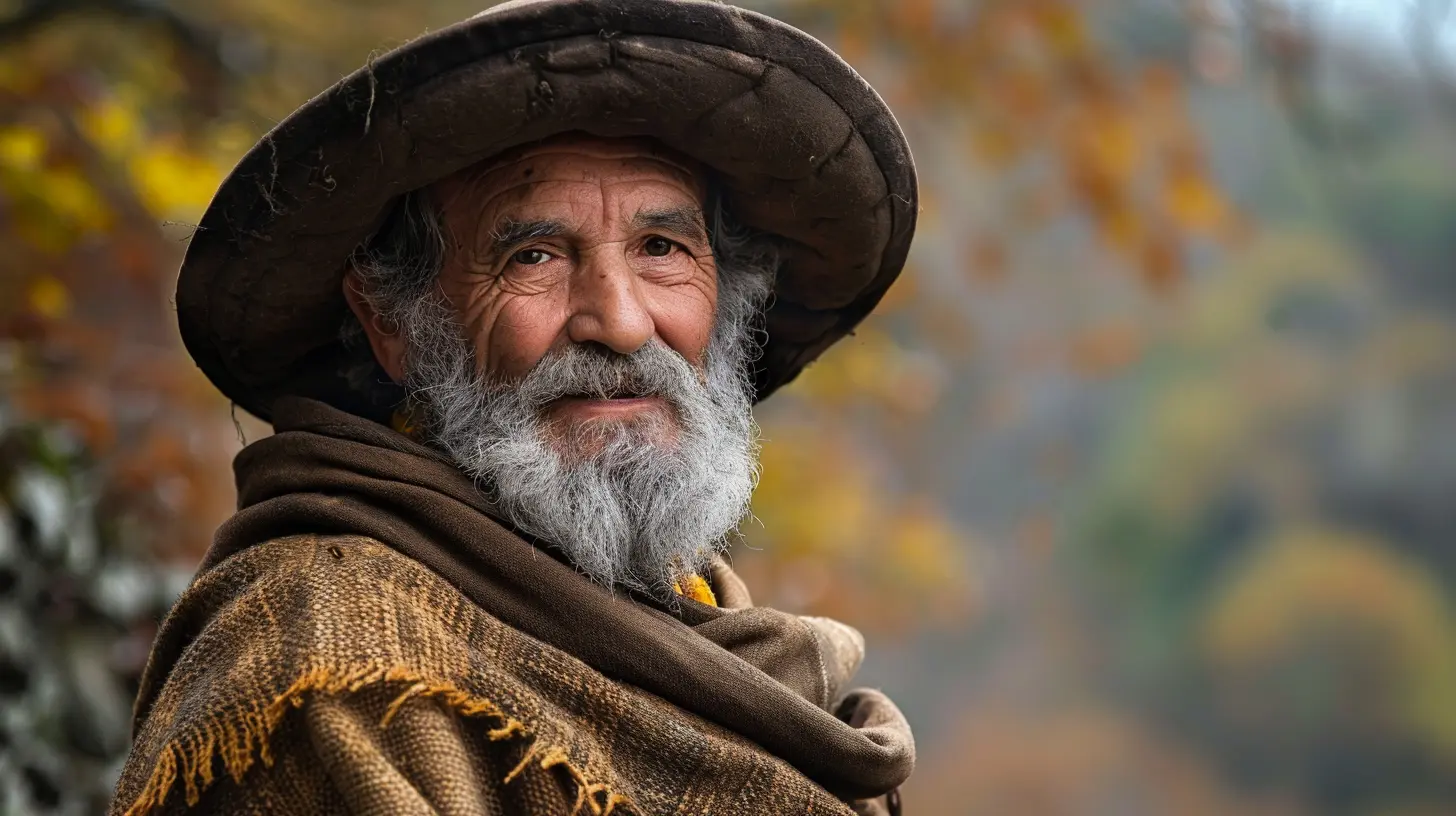
What Is the Camino de Santiago?
Let’s start with the basics. The Camino de Santiago, also known as the Way of St. James, is a network of ancient pilgrimage routes stretching across Europe and leading to the Cathedral of Santiago de Compostela in northwestern Spain. Why there? Because it’s believed to be the final resting place of Saint James the Great, one of Jesus’s apostles.People have been walking these paths for more than a thousand years. Some come for religious reasons, others for adventure, self-reflection, or cultural curiosity. No matter the motivation, the traditions of the Camino have remained powerful touchstones that unite pilgrims from all walks of life.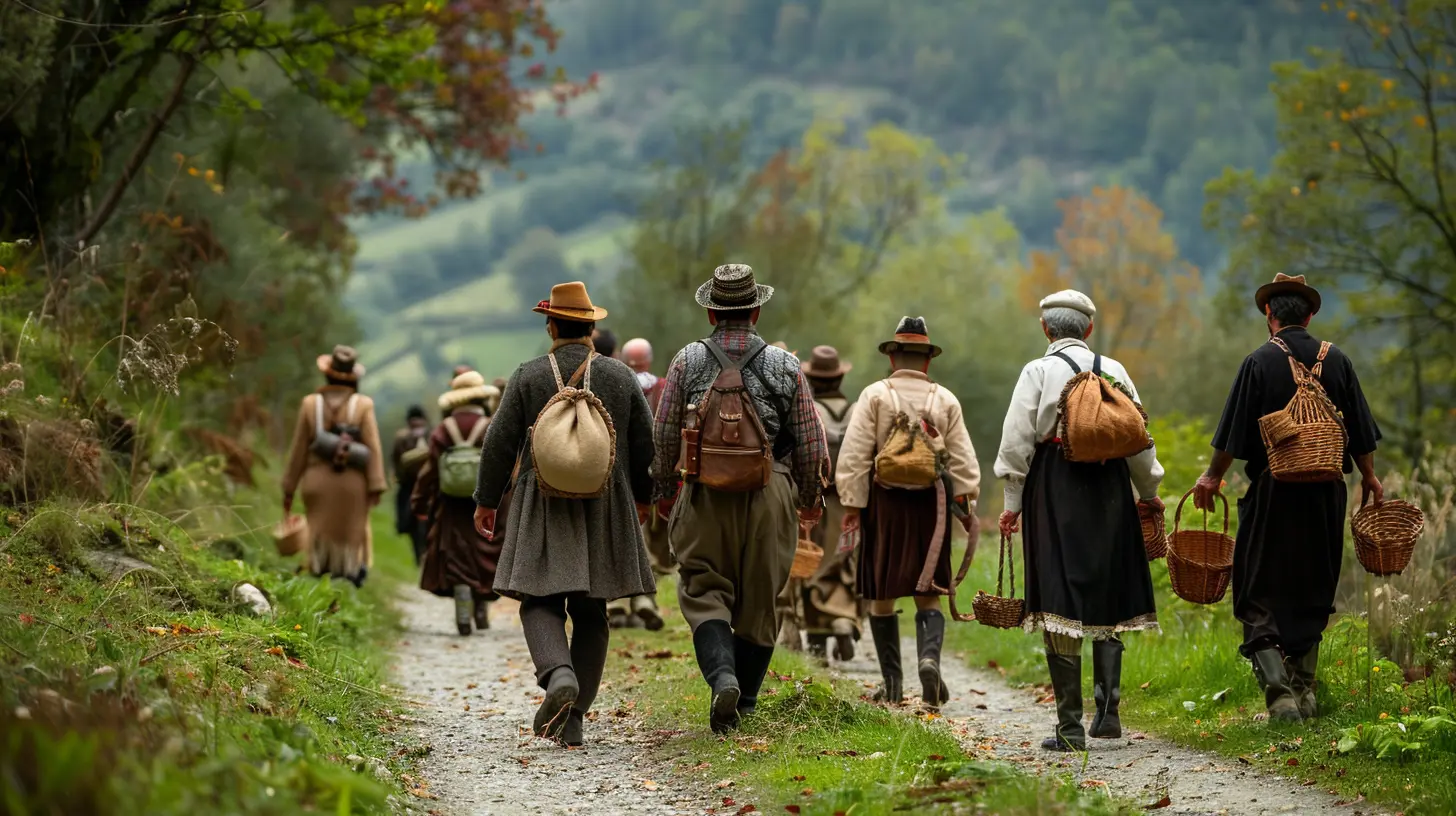
The Pilgrim’s Passport (Credencial)
Alright, imagine this: you're about to set out on a journey, and you get a special document that chronicles your adventure. Sounds cool, right? That’s the Pilgrim’s Passport—or the “credencial.”This little booklet is essential. You collect stamps (or “sellos”) from churches, hostels, cafes, and other stops along the way. It serves not only as a record of your path but also proves that you’ve walked the required distance to earn the coveted Compostela certificate at the end.
Some see it as a scrapbook of memories, others as a spiritual keepsake. Either way, watching those pages fill with colorful stamps is pure joy.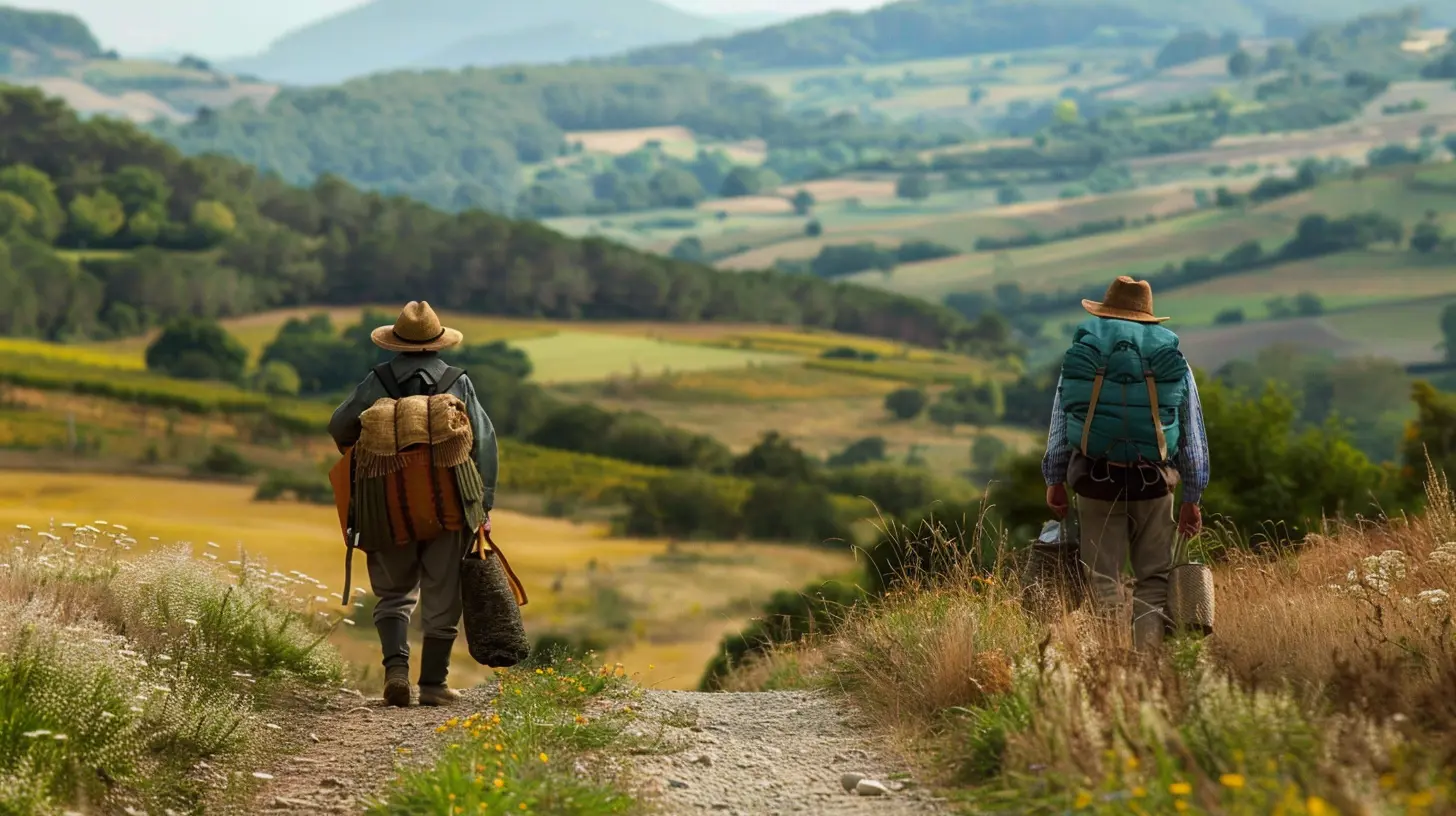
The Compostela: A Reward Worth Walking For
Once you reach Santiago, if you've walked at least 100 kilometers or cycled 200, you’re eligible for the Compostela—a certificate that proves you completed the pilgrimage.To get it, you’ll head to the Pilgrim’s Office near the cathedral. You’ll show your passport, share your reason for walking (spiritual, religious, or other), and voilà—you get your Compostela on beautifully scripted parchment.
It may be just a piece of paper, but for many, it feels like a badge of honor. A symbol of perseverance. It’s the cherry on top of an unforgettable journey.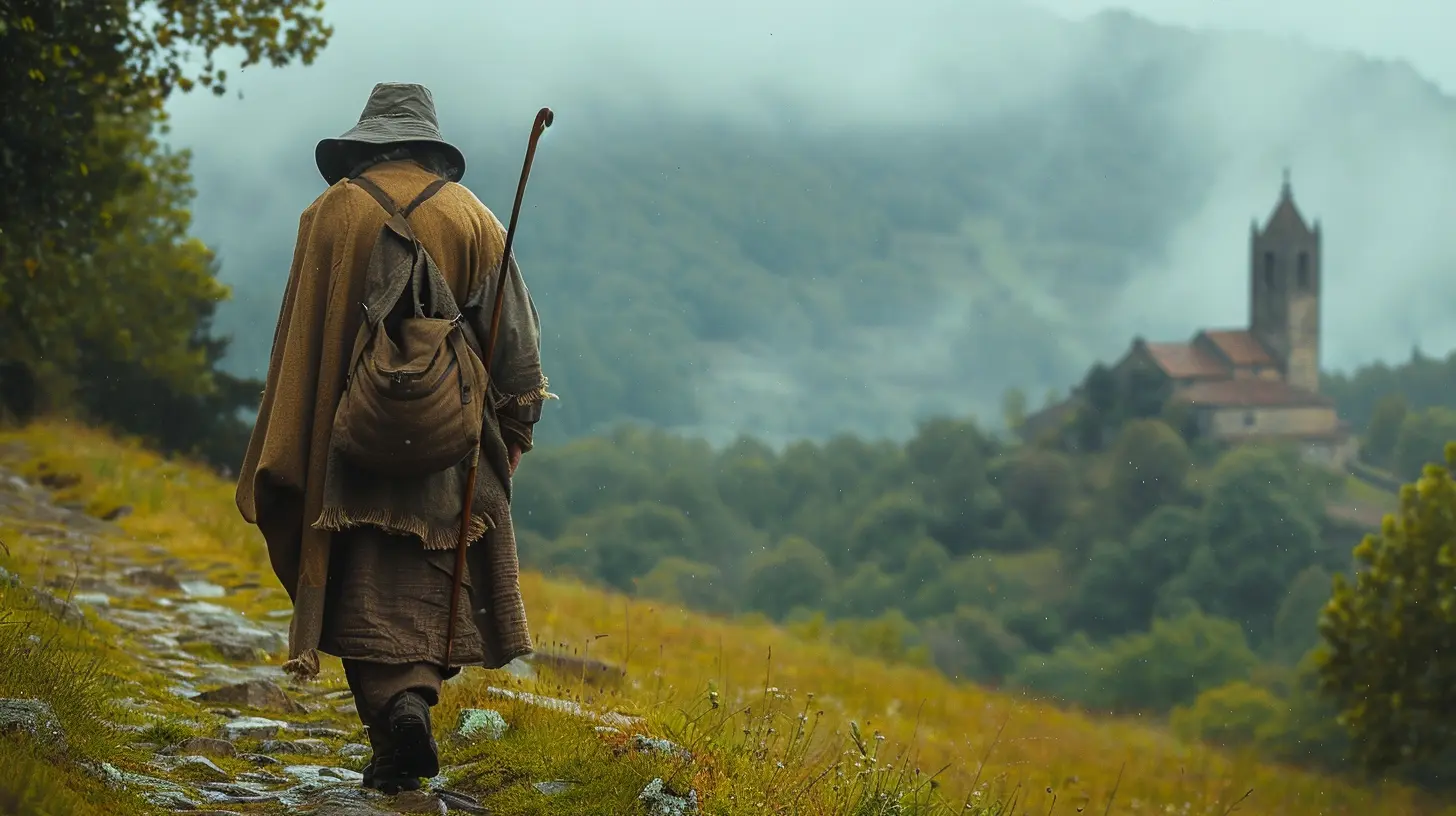
The Iconic Scallop Shell
Have you ever noticed the scallop shell symbols marking the Camino? They’re everywhere—on signs, backpacks, even carved into stone.Traditionally, pilgrims would carry a real scallop shell to show they were on the pilgrimage. Some say the grooves leading to the center symbolize the many different routes all converging in Santiago. Others suggest it was used as a makeshift cup for eating and drinking along the way.
Either way, it’s become the unofficial (but widely recognized) emblem of the Camino. Today, most pilgrims hang one from their backpack—as if it whispers, “I'm part of something bigger.”
The Spirit of “Buen Camino”
One tradition that will stick with you forever? The greeting: “Buen Camino!”You’ll hear it from locals, fellow walkers, even cyclists whizzing past. It means “good way” or “good journey” and it's the verbal pat on the back that reminds you you're not walking alone.
It’s more than words. It’s motivation. Encouragement. A shared bond between strangers that says, “We’re in this together.”
Simple, but powerful.
Albergues: The Pilgrim Hostels
Forget five-star hotels. If you want to tap into the soul of the Camino, stay in albergues.These pilgrim-specific hostels vary from rustic village homes to large municipal dorms. They're budget-friendly, usually operate on a first-come basis, and often run by volunteers. Some are donation-based, others charge a small fee.
What sets them apart is the sense of community. You’ll sleep in bunk beds, share meals, and swap stories with people from around the globe. It's cozy chaos—and you’ll probably meet lifelong friends while brushing your teeth or cooking pasta.
The Pilgrim Mass and the Botafumeiro
Attending the Pilgrim Mass in Santiago is the emotional finale for many. It's held at the Cathedral and celebrates those who arrived that day. The names and countries of new arrivals are often read aloud, which is a pretty special moment.If you're lucky, you might witness the famous Botafumeiro—a massive incense burner swung from the cathedral's ceiling. It was originally used to fumigate sweaty pilgrims (yes, really), but now it’s a dramatic display of tradition and reverence.
The sweet scent of incense, the grandeur of the cathedral, the awe-struck faces—it’s goosebumps-inducing.
Traditional Camino Cuisine
What’s a journey without great food, right?Along the Camino, you’ll taste some of Spain’s finest regional dishes. In Galicia, you'll find pulpo a la gallega (Galician-style octopus), pimientos de padrón (small green peppers), local cheeses, and hearty stews.
Many albergues and cafes offer a “Pilgrim’s Menu”—an affordable three-course meal with wine. It’s warm, filling, and the perfect reward after a long day’s walk.
And don't skip breakfast—even if it's just coffee and a croissant, that caffeine boost is your best friend at 6 AM!
The Camino as a Spiritual Journey
Even if you're not religious, it’s almost impossible not to feel something spiritual on the Camino.You're walking ancient paths, surrounded by nature, history, and quiet moments of introspection. You’ll pass simple crosses, touching memorials, and village churches that seem to whisper stories from the past.
Some liken the walk to a moving meditation—a way to clear your mind and reconnect with what matters. Others say the Camino has a way of "giving you what you need, not what you want."
Sounds mysterious? It kind of is. But it’s also deeply personal and meaningful.
The Role of Local Communities
The Camino wouldn't exist without the incredible generosity of the local towns and villages.From the shopkeepers who refill your water bottle, to the elderly women offering fruit, or the volunteers who care for weary walkers—it’s heartwarming to feel supported by complete strangers.
Some towns host local festivals, parades, and cultural events just for pilgrims. Often, you’ll stumble into unexpected kindness that becomes a highlight of your day.
These communities are the lifeblood of the Camino, and they keep the tradition alive in the most beautiful way.
The Yellow Arrows: Your Guiding Light
Forget GPS. On the Camino, your best friend is a yellow arrow.Painted on stones, trees, buildings, and signs, these humble markers guide pilgrims along the route. They’re simple, sometimes faded, but always reliable.
Missing an arrow can be like losing a breadcrumb in a forest. But when you find it again? Relief floods in.
It’s amazing how something so small can give such confidence. A true symbol of the Camino’s collective wisdom.
Modern Pilgrims, Ancient Path
Let’s be real—the Camino looks a little different today than it did in the 1400s. You’ll see people walking in high-performance hiking gear, using trekking poles, and snapping selfies.But beneath the modern gear, timeless traditions still thrive. That’s the magic of it.
Today, pilgrims walk for a thousand different reasons. Some are grieving. Some are celebrating new beginnings. Some just want an adventure. But the traditions—those sacred rituals passed down over generations—connect us in quiet, powerful ways.
The Camino de Santiago is a bridge between worlds. Ancient and modern. Physical and spiritual. Real and symbolic.
Final Thoughts: Walking with Purpose
Walking the Camino de Santiago is like stepping into a time capsule filled with stories, silence, struggle, joy, and meaning. Along the way, you’ll collect blisters, blessings, and a whole bunch of unforgettable memories.More than anything else, you’ll feel like you’re part of something bigger. A centuries-old tradition that’s still unfolding, one step at a time.
So, whether you’re planning your first pilgrimage or reminiscing about a past walk, remember this: The Camino isn’t just a path. It’s a promise—a sacred thread of tradition that weaves us all together, across borders and beliefs.
So lace up your boots, grab your shell, and embrace the timeless traditions that await you on the Camino de Santiago.
Buen Camino, friend.
all images in this post were generated using AI tools
Category:
Cultural ToursAuthor:

Shane Monroe
Discussion
rate this article
2 comments
Seraphis Cooper
Echoes of history, footsteps of faith.
February 9, 2026 at 4:55 AM
Shane Monroe
Thank you! The Camino truly embodies the richness of history and the strength of faith that continue to inspire pilgrims today.
Soliel McGuffin
Absolutely loved this article! The Camino de Santiago is such a beautiful blend of history and culture. It's inspiring how the traditions have endured through the years. I can't wait to experience the warmth of the communities and their stories firsthand!
January 26, 2026 at 4:56 PM
Shane Monroe
Thank you! I'm glad you enjoyed the article. The Camino truly is a remarkable journey filled with rich history and vibrant communities. Enjoy your experience!