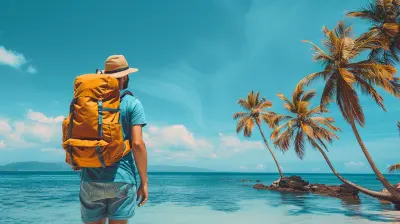
Top Backpacking Destinations to Explore by 2027
30 September 2026
Backpacking is not what it was ten years ago. The hostels got nicer. The visas got weirder. The cheap flights multiplied, then partially collapsed, then multiplied again in different shapes. And the crowds? They found every place you thought was a secret.
So if you are planning your big trip for the next few years, you need a different playbook. Not a list of Instagram spots. A real plan built around shifting visa rules, climate patterns, new flight routes, and the simple fact that some destinations are about to get very popular and some are about to get very complicated.
This is that playbook. Nine destinations worth your money, your time, and your sore shoulders by 2027. I will tell you why each one matters, when to go, what it costs, where the traps are, and who should skip it entirely.
How I Chose These Destinations
Before we get into it, understand the filter. A destination earns a spot here if it meets at least three of these criteria:- Improving access. New flight routes, relaxed visa policies, or better overland connections.
- Favorable cost-to-experience ratio. Your daily budget buys more than it should.
- Infrastructure that is growing but not yet saturated. Hot water and bus schedules exist, but the tour buses have not fully arrived.
- A closing window. Something about the place will change by 2027, and the version you can experience now will not exist later.
That last point matters most. Backpacking is fundamentally about timing. Go too early and you deal with broken infrastructure and no ATMs. Go too late and you pay boutique prices for a packaged version of what used to be raw. The sweet spot is narrow, and these nine destinations are sitting in it right now.
1. Albania
Albania has been "the next Croatia" for about eight years. The difference is that it is finally actually happening, and 2027 is roughly the last year it will still feel like a bargain.Why it works now
The Albanian Riviera, the stretch from Vlore down to Saranda, offers Ionian coastline that looks like Greece without Greek prices. A dorm bed in Himare runs a fraction of what you would pay on Corfu, which sits visible across the water. Buses connect the coast towns, though schedules are loose and you should build in slack.Inland, the Valbona to Theth hike in the Accursed Mountains is one of the best multi-day treks in Europe. Guesthouses along the route charge modest rates that include dinner and breakfast. That combination, alpine trekking plus Mediterranean swimming, within one small country, is rare anywhere on the continent.
The trade-offs
Albania is not polished. Buses sometimes do not show. Card payments are hit or miss outside Tirana. Some coastal construction is aggressive and ugly. If you need predictability, this will frustrate you.When to go
Late May through June, or September through early October. July and August bring European crowds and 35C heat on the coast. The mountain passes hold snow into May.Who should skip it
Travelers who want seamless logistics. If missing a bus ruins your day, go to Portugal instead.
2. Kyrgyzstan
Central Asia is the last great budget frontier for backpackers, and Kyrgyzstan is the easiest entry point.Why it works now
A 60-day visa-free stay for many nationalities, including US, UK, and EU citizens, removes the paperwork headache that scares people away from the region. Community-based tourism has matured to the point where you can arrange yurt stays and horse treks through established networks rather than improvising.The real draw is the scale. Song Kol lake sits at over 3,000 meters, ringed by summer pastures where herders still move livestock the old way. You can sleep in a yurt, drink fermented mare's milk, and pay a fraction of what a comparable experience costs in Mongolia.
The trade-offs
Distances are long and roads are rough. A 300 km trip can take eight hours. Altitude sickness is a genuine risk if you ascend too fast. Medical facilities outside Bishkek are limited, so travel insurance with evacuation coverage is not optional here.When to go
June through September. Outside that window, mountain passes close and tourism infrastructure shuts down.Practical note
Learn a few Russian phrases. It goes further than English outside the capital, especially with older generations.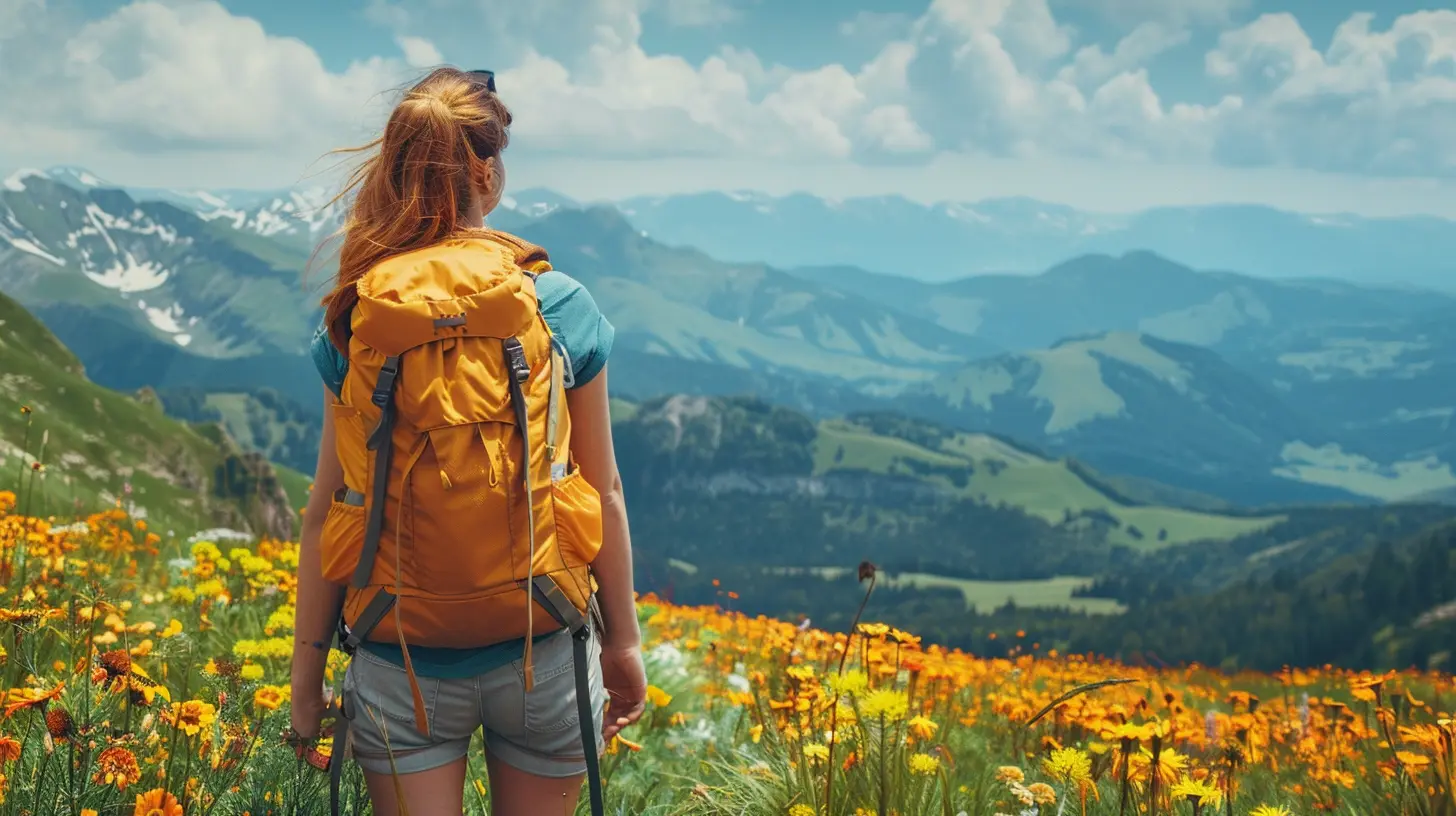
3. Georgia
Georgia has been on backpacker radar for a while, but the country keeps adding reasons to visit while its neighbors get harder to reach.Why it works now
The Caucasus Mountains around Svaneti and Kazbegi deliver hiking that rivals the Alps at a third of the cost. Tbilisi has a hostel and cafe scene that punches well above its weight. And the food and wine culture is genuinely distinctive, with qvevri winemaking that UNESCO recognizes as intangible heritage.Georgia also functions as a hub. You can combine it with Armenia and Azerbaijan on one trip, though check border rules carefully since some crossings between Armenia and Azerbaijan remain closed.
The trade-offs
Political tensions in the region flare up periodically. Check current travel advisories before booking. Also, Georgia's popularity is rising fast, and prices in Tbilisi have climbed noticeably in recent years. The villages are still cheap. The capital is not.When to go
May, June, and September. July and August are hot in the lowlands but ideal for high-altitude trekking.4. Vietnam, but the Northern Loop
Vietnam is not a new destination. Everyone knows the classic north-to-south route. What is changing is the northern loop, the motorbike circuit through Ha Giang, Cao Bang, and Ban Gioc.Why it works now
Road conditions have improved significantly, and the Ha Giang loop has developed a support ecosystem of hostels, repair shops, and easy riders for people who do not want to drive themselves. The landscape, limestone karsts, rice terraces, and mountain passes, is as dramatic as anything in Southeast Asia.The reason to go by 2027 is simple: this route is on the verge of becoming the next big thing. It is already popular. In three years it will be a conveyor belt.
The trade-offs
Motorbike accidents are common, often involving travelers with no experience. If you have never ridden, hire an easy rider or take a proper lesson first. Vietnamese traffic is not a learning environment.When to go
September through November, or March through May. Avoid the summer monsoon and the cold, foggy winter.
5. Colombia's Coffee Axis and Beyond
Colombia has shed much of its old reputation, and the backpacker trail now runs well beyond Cartagena and Medellin.Why it works now
The Coffee Cultural Landscape, a UNESCO site, offers finca stays where you pick beans, learn the process, and sleep in farmhouses for modest rates. Salento and Filandia are the accessible entry points. Further south, the Tatacoa Desert and the archaeological site of San Agustin reward travelers who push past the standard route.Domestic flights are cheap and frequent, which solves the distance problem that makes overland travel in South America exhausting.
The trade-offs
Safety varies by region and changes over time. Some areas remain off-limits. Do not assume the whole country is now safe just because Medellin is trendy. Check current guidance and talk to locals.When to go
December through March, or July and August. The climate varies by elevation, so pack layers.6. Namibia
Africa gets overlooked by backpackers who assume it is all safari prices and luxury lodges. Namibia breaks that assumption.Why it works now
The country is set up for self-drive travel, and camping is cheap. You can rent a vehicle, sleep at campsites across the country, and see Sossusvlei, Etosha, and the Skeleton Coast without booking a single guided tour. Fuel is affordable relative to Europe, and roads are generally good, though gravel routes demand care.The reason to go before 2027 is water. Namibia is dry and getting drier. Some areas face long-term supply pressure, and that will eventually reshape what tourism looks like there.
The trade-offs
Namibia is not a budget destination in the traditional sense. Vehicle rental, fuel, and park fees add up. It rewards travelers who split costs with others. Solo backpackers will find it expensive unless they join group tours or find travel partners.When to go
May through September, the dry season. Wildlife viewing peaks as animals gather at waterholes.
7. Taiwan
Taiwan sits in an odd spot. It has first-world infrastructure, but it is not on most Western backpackers' radar the way Japan and Korea are.Why it works now
Hostels are clean and affordable. The high-speed rail makes the west coast effortless. And the mountains, the Central Cross-Island Highway and the trails around Taroko and Alishan, offer hiking that rivals anything in the region. Night markets mean you can eat extremely well for very little.The window argument here is geopolitical and practical. Regional tensions and shifting travel advisories could change access at any point. That is not a reason to panic, but it is a reason not to keep postponing.
The trade-offs
English is less widely spoken than in Japan or Korea, though signage is good. Summer is hot and typhoon season runs roughly July through September.When to go
October through April. Avoid typhoon season if you can.8. Romania
Romania has quietly become one of Europe's best budget destinations, and the Carpathians are the reason.Why it works now
The Fagaras and Retezat mountains offer serious alpine hiking without the crowds or fees of the Alps. Villages in Transylvania and Maramures preserve rural life that has largely vanished elsewhere in Europe. And the country is cheap by EU standards, with hostel beds and train tickets that will surprise anyone used to Western European prices.Infrastructure is improving, and low-cost airlines now connect more Romanian cities to the rest of Europe. That trend will continue through 2027, which means more visitors.
The trade-offs
Rural transport is slow and sometimes unreliable. Bears are present in mountain areas, so follow local guidance on food storage and trail etiquette. Do not treat wildlife as a photo opportunity.When to go
June through September for hiking. December for Christmas markets if that is your thing, though it will be cold and dark.
9. Guatemala
Guatemala has long been a backpacker staple, but it keeps earning its place because it offers something few countries can match: highland indigenous culture, volcano hiking, and colonial cities, all within a small, bus-friendly country.Why it works now
Lake Atitlan, Antigua, and the Acatenango volcano hike are the headline acts. But the real value is in the smaller towns, like Xela for Spanish schools and Semuc Champey for swimming in limestone pools. Prices remain low, and the tourism infrastructure is genuinely functional.The trade-offs
Safety requires attention. Stick to established routes, avoid traveling at night, and do not flash valuables. The Acatenango hike is strenuous and cold at altitude, and some operators cut corners on safety. Book with a reputable company.When to go
November through April, the dry season. The rainy season runs May through October.Common Mistakes Backpackers Make With These Destinations
A few patterns show up again and again, and they cost people money and time.Booking too far ahead. For most of these places, flexibility is worth more than a discount. Lock in only what you must, like the Acatenango hike or a Ha Giang tour in peak season.
Underestimating distances. Kyrgyzstan and Namibia punish bad time math. A map makes 300 km look easy. The road disagrees.
Ignoring shoulder season. June and September are often better than July and August. Fewer people, better prices, and in many cases better weather.
Skipping travel insurance. For high-altitude trekking, motorbike riding, and remote regions, standard policies often exclude the exact activities you came for. Read the fine print.
Treating safety advice as static. Conditions change. What was fine last year may not be fine now. Check current sources, not blog posts from 2019.
The Bottom Line
The best backpacking destinations by 2027 are not the ones with the most Instagram tags. They are the ones where access is improving, costs are still reasonable, and the experience has not yet been flattened into a package tour.Albania, Kyrgyzstan, Georgia, northern Vietnam, Colombia, Namibia, Taiwan, Romania, and Guatemala all sit in that zone right now. Some will stay there. Others will tip into mass tourism or face new restrictions. That is the nature of the game.
Pick two or three. Go deep instead of wide. Talk to people. Spend your money locally where you can. And go before the window closes, because it always does.
all images in this post were generated using AI tools
Category:
Backpacking TipsAuthor:

Shane Monroe