Top Cultural Festivals That Bring Communities Together in 2027
4 October 2026
Cultural festivals do more than fill hotel rooms and sell street food. At their best, they function as social glue. They give a town a reason to organize, a diaspora a reason to return, and strangers a reason to talk to each other. When you plan a trip around one of these events, you are not just buying a ticket to a show. You are stepping into a temporary version of a community, one that runs on shared effort and inherited memory.
2027 is a strong year for this kind of travel. Several major festivals fall on dates that make them easier to reach, and a few anniversaries and cultural milestones will add extra weight to celebrations that already matter. Below is a practical guide to the festivals worth building a trip around, along with the context you need to enjoy them responsibly and the trade-offs nobody mentions in the brochures.
Why 2027 Is a Notable Year for Festival Travel
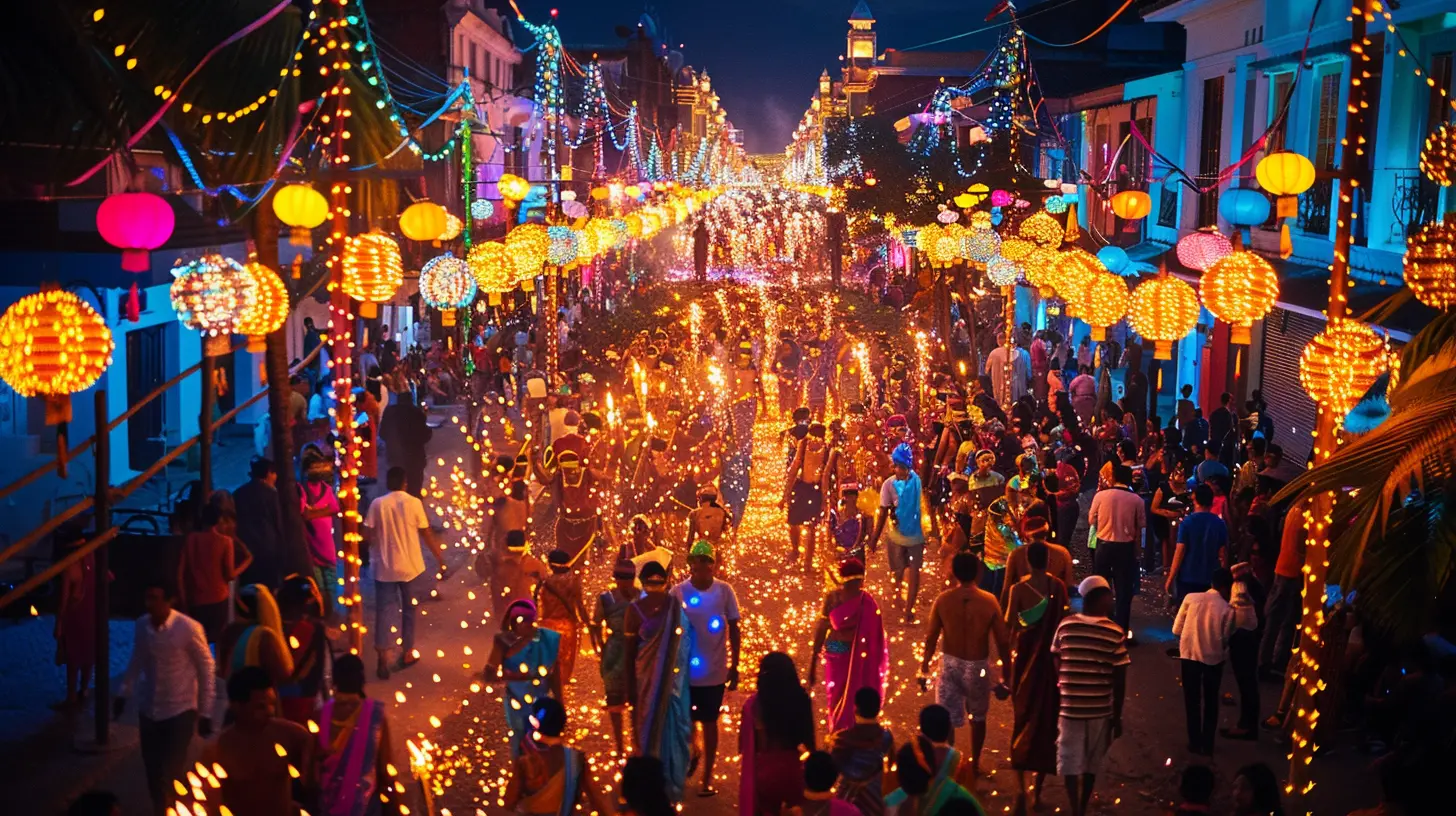
Timing shapes everything in festival tourism. A festival that feels intimate in a quiet year can feel overwhelming during an anniversary or a major religious convergence. In 2027, a few factors line up in ways worth knowing before you book.First, several lunar and liturgical calendars create rare overlaps. Lunar New Year, Ramadan, and Easter all shift each year, and their position relative to school holidays and shoulder seasons changes how crowded a destination feels. In 2027, some of these events fall in periods that are traditionally quieter, which can mean better availability but also thinner public transport schedules.
Second, cultural anniversaries tend to draw bigger crowds and bigger budgets. Cities often invest more in parades, exhibitions, and performances during milestone years, which raises the quality of what you see but also the price of everything around it.
Third, climate patterns matter more each year. Many festivals are outdoor by nature, and organizers in warmer regions are increasingly moving start times earlier, adding shade, or shifting dates. If you are planning far ahead, check whether a festival has a history of weather-related changes.
How to Judge Whether a Festival Is Right for You
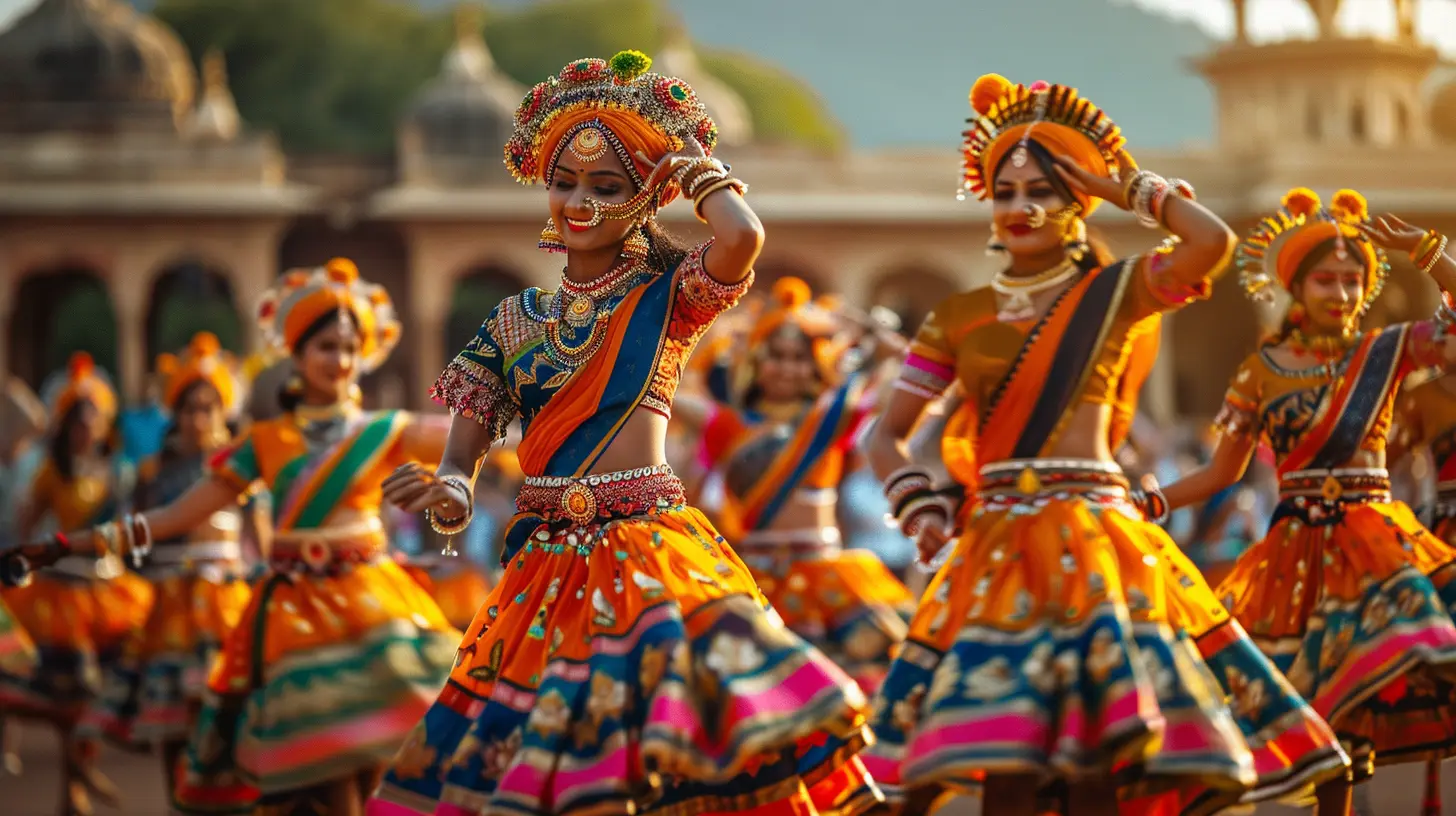
Not every famous festival suits every traveler. Before you commit, ask yourself a few honest questions.Do you want to watch or participate? Some festivals are spectator events with clear stages and seating. Others are participatory, and outsiders who only watch can feel awkward or even disrespectful. Knowing which type you are choosing prevents a lot of disappointment.
How do you handle crowds and noise? A festival that brings a community together can also overwhelm it. If you dislike dense crowds, look for smaller regional versions of the same celebration rather than the flagship event.
What is your tolerance for disrupted infrastructure? During major festivals, roads close, prices rise, and restaurants fill. Some travelers love the energy of a city operating in festival mode. Others find it exhausting.
Are you willing to follow local norms? This is the most important question. Festivals are living culture, not a theme park. Dress codes, photography rules, and behavior around religious rituals are not suggestions.
The Festivals Worth Planning Around in 2027
The following events are well established, culturally significant, and genuinely communal. Dates for lunar and religious festivals are approximate and should be confirmed with official sources closer to the time.Carnival in Rio de Janeiro, Brazil
Carnival is the textbook example of a festival that reorganizes an entire city. What makes it work is not just the samba schools and the parade. It is the months of preparation in neighborhoods, where residents build costumes, rehearse, and raise funds together. The parade is the visible tip of a year-round social structure.For 2027, Carnival falls in early February, aligning with a period when many international travelers are still in low season elsewhere. That combination tends to produce high demand for flights and accommodation.
Practical advice: Book lodging in neighborhoods with good metro access rather than relying on taxis, which become slow and expensive. If you want to see the main parade, buy tickets through official channels well in advance. If you prefer something more local, look for block parties, known as blocos, which are free, informal, and often more representative of everyday community life.
Common mistake: Treating Carnival as a single night. The celebration runs for days, and pacing yourself matters. Travelers who try to attend everything burn out by the second day.
Lunar New Year Across East and Southeast Asia
Lunar New Year is less a single event than a season. In 2027, it falls in mid-February, which places it close to several other major holidays. That proximity can either enrich a trip or complicate it, depending on where you go.What makes this festival communal is the emphasis on returning home. Families travel enormous distances to share meals, honor ancestors, and exchange blessings. As a visitor, you are a guest in a period dedicated to family. That is not a barrier, but it does mean you should adjust expectations.
Where to go: Larger cities often stage public parades, lantern displays, and temple fairs that welcome visitors. Smaller towns may offer a more intimate experience but fewer services for tourists.
Trade-offs: Big-city celebrations are spectacular but crowded and commercial. Rural celebrations are authentic but may lack English signage and public transport. Choose based on your comfort with ambiguity.
Best practice: Carry small amounts of cash in red envelopes if you are invited to a family gathering. It is a gesture of respect, not a transaction. Also, avoid scheduling major sightseeing on the first two days of the holiday, when many businesses close.
Ramadan and Eid al-Fitr in the Middle East, North Africa, and Beyond
Ramadan is a month of fasting, reflection, and community. Eid al-Fitr marks its end with feasts and gatherings. In 2027, Ramadan is expected to begin in early February and end in early March, though the exact dates depend on moon sighting.For visitors, Ramadan can be a rewarding time to experience a region's rhythm at its most reflective. Evenings come alive with shared meals, and the sense of community is strong. However, daytime eating, drinking, and smoking in public are restricted in many places, and some businesses operate on reduced hours.
Why it works: The fast is communal. Breaking it together creates a daily ritual of connection that is hard to replicate elsewhere.
When it may not suit you: If you are traveling with young children or have medical needs that require daytime meals, plan carefully and choose accommodations that support your routine. Some hotels in tourist areas maintain normal service, but this varies.
Misconception: That non-Muslims are unwelcome. In most places, they are not. What is expected is discretion and respect. Ask before photographing people at prayer, and accept invitations to iftar if offered.
Day of the Dead in Mexico
Day of the Dead, or Dia de Muertos, is often misunderstood as a Mexican version of Halloween. It is not. It is a family-centered observance that honors deceased relatives with altars, offerings, and visits to cemeteries. The mood is tender rather than frightening.In 2027, the holiday falls in early November. Mexico City's large parade has made the event globally famous, but the most meaningful experiences are often in smaller towns such as Oaxaca or Patzcuaro, where traditions run deeper and crowds are thinner.
What to consider: The parade in the capital is a spectacle, and if you want spectacle, it delivers. But the heart of the festival is in homes and cemeteries. If you visit a cemetery, keep a respectful distance, avoid flash photography, and do not treat mourners as attractions.
Trade-off: Smaller towns offer authenticity but limited lodging. Book months ahead. Larger cities offer convenience but a more diluted experience.
Songkran in Thailand
Songkran marks the Thai New Year in mid-April and is famous for water fights. That reputation is accurate but incomplete. The water is a symbol of cleansing and renewal, and the festival also includes temple visits, family reunions, and the respectful pouring of water over elders' hands.Why it brings people together: Songkran is one of the few festivals where strangers, neighbors, and tourists all participate in the same activity. The playfulness breaks social barriers.
Practical advice: Carry waterproof bags for phones and documents. Wear quick-drying clothes. Avoid splashing monks, elders, or anyone who clearly does not want to participate. In recent years, some cities have designated zones for water play to keep traffic and commerce moving.
When to skip it: If you dislike being wet, crowded, or sprayed unexpectedly, this is not your festival. Consider visiting Thailand in a different month.
Diwali in India and Across the Diaspora
Diwali, the festival of lights, celebrates the victory of light over darkness. It is observed by Hindus, Jains, Sikhs, and some Buddhists, with regional variations. In 2027, it falls in late October or early November, close to several other autumn observances.What makes it communal: Diwali is celebrated at home, but the streets, temples, and markets fill with light and sound. Neighbors visit each other, sweets are exchanged, and public spaces become shared living rooms.
Visitor tips: Fireworks are common in many cities, and air quality can decline sharply in dense urban areas. If you have respiratory issues, plan accordingly. Book restaurants early, as many families dine out or host large gatherings.
Common mistake: Assuming Diwali is a single day. In many regions it spans five days, each with its own focus. Understanding that structure makes the experience richer.
Inti Raymi in Cusco, Peru
Inti Raymi is an Incan festival honoring the sun, revived in the twentieth century as a cultural celebration. It takes place in June, near the winter solstice, and features processions, music, and theatrical reenactments at Sacsayhuaman.Why it matters: It is a powerful example of a community reclaiming and reinterpreting its heritage. The event draws heavily on local participation, not just professional performers.
Practical advice: Cusco sits at high altitude. Arrive several days early to acclimatize. Tickets for the main ceremony sell out, but the city itself hosts many free events. The trade-off is between the formal spectacle and the informal street celebrations, and both have value.
Up Helly Aa in Lerwick, Shetland, Scotland
Up Helly Aa is a fire festival held in late January that marks the end of the yule season. It culminates in a torchlit procession and the burning of a replica Viking galley. What makes it remarkable is its community organization. Local squads spend months preparing costumes and torches, and participation is a mark of civic pride.Why it works: The festival is small enough to remain genuinely local. Visitors are welcome, but the event is not staged for them.
Trade-offs: January in Shetland is dark, cold, and windy. Travel connections can be disrupted by weather. If you accept those conditions, you get one of the most authentic communal festivals in Europe.
Best practice: Book accommodation in Lerwick extremely early. Respect that many events are ticketed and reserved for locals, and enjoy the public procession without trying to access private halls.
Notting Hill Carnival, London, United Kingdom
Held in August, Notting Hill Carnival is one of Europe's largest street festivals, rooted in Caribbean culture and the Windrush generation. It combines music, food, and masquerade parades.Why it brings people together: The carnival grew out of a community's need to assert its presence and share its culture. That history gives it a political and social weight that a purely commercial event would lack.
Practical advice: Go early on the first day for a calmer experience. Later hours are louder and denser. Keep valuables secure, agree on a meeting point if you are in a group, and use public transport.
When it may not suit you: If you dislike large crowds or prolonged noise, this is not the festival for you. Consider watching highlights online or attending smaller Caribbean cultural events in other cities.
How to Plan a Festival Trip Without Ruining It
Planning is where most travelers either set themselves up for a great experience or sabotage it. A few principles help.Book core logistics first. Flights and accommodation near major festivals sell out months in advance. Once those are secured, you can be flexible about daily plans.
Build in buffer days. Festivals disrupt normal life. Trains run late, restaurants close, and streets fill. A buffer day before and after gives you room to recover and adapt.
Respect the local calendar. Do not schedule a business meeting or a museum visit during the climax of a festival. You will miss the point and annoy your hosts.
Set a budget that includes premiums. Prices for lodging, taxis, and meals rise during festivals. Expect it and plan for it rather than resenting it.
Common Mistakes That Undermine the Experience
The most frequent error is treating a cultural festival as a photo opportunity. Locals notice. It changes how they treat you.The second is overplanning. Festivals are unpredictable by nature. A rigid itinerary collapses the moment a parade route changes or a friend invites you to a family meal.
The third is ignoring physical limits. Heat, altitude, noise, and late nights add up. Hydrate, rest, and pace yourself.
The fourth is assuming everyone speaks your language. In many festival settings, patience and a few words of the local language go further than fluent conversation.
Final Thoughts
The best festival travel is not about collecting events. It is about entering a community's rhythm for a short time and leaving it as you found it. The festivals listed here are not interchangeable. Each reflects a specific history and a specific set of values. Choose one that matches your temperament, prepare thoroughly, and go with curiosity rather than expectation.If you do that, you will come home with more than photographs. You will have a sense of how people in another part of the world mark time, honor memory, and take care of each other. That is the real reason these festivals matter, and it is the reason they will still matter in 2027 and beyond.
all images in this post were generated using AI tools
Category:
Cultural CelebrationsAuthor:

Shane Monroe