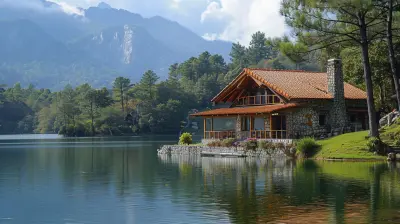
Top Ways to Save Money While Backpacking in 2026
17 May 2026
So, you are dreaming of hitting the road with nothing but a backpack and a thirst for adventure in 2026. Good for you. But let me guess: you are also worried about your bank account crying for mercy. Travel in 2026 is not what it was in 2016. Inflation is a thing, flight prices do weird jumps, and a coffee in a tourist spot can cost as much as a whole meal used to. But here is the secret: backpacking is still the most affordable way to see the world, if you play it smart.
I have been there. I have slept in a bus station in Bolivia because I was broke, and I have also figured out how to stretch a hundred bucks for a week in Southeast Asia. The trick is not to travel like a cheapskate who hates fun. The trick is to travel like a clever fox who knows where the value is hiding. Let me walk you through the top ways to save money while backpacking in 2026, without making your trip feel like a punishment.
1. Ditch The Cash, Embrace The Plastic (But The Right Kind)
Remember when everyone said "cash is king" for backpackers? That advice is getting old. In 2026, carrying a wad of foreign currency is like carrying a target on your back. Instead, you want a travel-friendly debit card or credit card that eats foreign transaction fees for breakfast.Look for cards that refund ATM fees worldwide. Companies like Wise, Revolut, or Charles Schwab (if you are in the US) are your new best friends. Why? Because you get the real exchange rate, not some inflated airport rate. Plus, if you lose your card, you freeze it on an app. Try doing that with a roll of cash.
But here is the pro move: never use the ATM at a random corner store. Use bank ATMs. They are safer and often have lower fees. Also, carry a backup card hidden in your sock or your first-aid kit. You never know when your main card decides to take a vacation from working.
2. The 2026 Version Of Couchsurfing (It Is Not Dead)
Couchsurfing got a bad rap for a while. People thought it was just for broke students who wanted free floor space. But in 2026, the community is stronger and a bit more mature. The key is to use it properly. Do not just send a generic "Hey, can I crash?" message. Read profiles. Find hosts who share your interests. Offer to cook them dinner or teach them a skill.If Couchsurfing feels too unpredictable, try house-sitting. Websites like TrustedHousesitters let you stay in someone's home for free while they are away. You just water their plants and pet their cat. It is a win-win. You get a real bed, a kitchen, and a local neighborhood. In 2026, with remote work still booming, many people travel and leave their homes empty. You can fill that gap.
And do not forget hostels. But not the party hostels that charge extra for a "social atmosphere". Look for "quiet hostels" or "work-cation hostels". These places often have cheaper rates because they do not have a bar that blasts music until 3 AM. Plus, they usually have a kitchen. Cooking your own pasta can save you ten bucks a day, easy.
3. The Flight Hacking That Actually Works
Flying in 2026 is a game of patience, not luck. Do not book a flight three months in advance just because you get anxious. The best deals often pop up 6 to 8 weeks before departure, but only on Tuesdays or Wednesdays? That is a myth. The real trick is to be flexible with your airport.Use Google Flights and set price alerts for a whole region, not a specific city. For example, if you want to go to Europe, set an alert for "London, Paris, Berlin, Milan". Sometimes flying into a less popular airport saves you 200 dollars, and then you just take a cheap bus or train to your real destination.
Also, consider "skiplagging" (buying a ticket with a layover in your target city and ditching the last leg). But be careful. Airlines are getting smarter and banning people for this. Use it only as a last resort. A safer bet is to book two separate one-way tickets on different airlines. It sounds risky, but if your plans change, you only lose half the money instead of the whole round trip.
4. Eat Like A Local, Not A Tourist
This is the biggest money pit for backpackers. You walk into a cute cafe with English menus and pretty lights. You pay 15 dollars for a smoothie bowl. That same smoothie bowl costs 3 dollars at a market stall around the corner. In 2026, the rule is simple: if the menu has pictures, you are paying a premium.Go where the locals eat. Look for places with no English sign, or a line of people holding plates. Street food is your best friend. In Thailand, a pad thai from a cart is a dollar. In Mexico, tacos from a stand are fifty cents. You are not sacrificing quality. You are gaining authenticity.
Another trick: grocery store lunches. Buy bread, cheese, and fruit. Make a sandwich in the park. You save money and you get to people-watch. For dinner, hit the local market an hour before closing. Vendors often slash prices on fresh produce because they do not want to carry it home. It is a feast for pennies.
5. The "Slow Travel" Superpower
Here is a hard truth: moving every three days will bankrupt you. Transportation costs add up. A bus here, a train there, a flight in between. Suddenly, you have spent more on getting around than on accommodation.Slow travel is the antidote. Stay in one place for at least a week. You get a discount on longer hostel stays. You learn the local bus routes instead of taking taxis. You find the cheap laundry place. You make friends who let you crash on their couch when you move to the next town.
In 2026, many hostels offer "weekly rates" that are 30% cheaper than nightly rates. Some even have monthly rates that are absurdly low. Why? Because they want reliable guests who do not trash the place. Be that guest. You will save hundreds of dollars and actually get to know a place instead of just collecting passport stamps.
6. Work For Your Bed (And Your Beer)
The days of "working holiday visas" being only for Australians are over. In 2026, many countries have digital nomad visas that let you stay for a year if you can prove you have remote income. But even if you are not a coder or a writer, you can still trade work for perks.Workaway and HelpX are still goldmines. You can teach English, help on a farm, or clean a hostel for a few hours a day. In exchange, you get a bed and meals. It is not glamorous, but it is the ultimate budget hack. I once spent a month in a remote village in Portugal just helping a guy prune his olive trees. I ate like a king, slept in a stone cottage, and spent zero euros.
Even if you only do it for a week, it breaks the rhythm of spending. It also gives you stories that no hotel stay can match.
7. The Digital Detox That Saves Cash
Here is a weird one: put your phone down. Not because you need to "be present" (though that helps). But because your phone is a spending machine. You see an Instagram story of someone at a rooftop bar. You feel FOMO. You go to that bar. You spend 20 dollars on a cocktail.In 2026, unplug a little. Use offline maps (like Maps.me) so you do not need data. Download your podcasts and audiobooks at home. Avoid buying a local SIM card if you can just use hostel Wi-Fi. That 10-dollar-a-day data plan adds up to 300 dollars a month. That is a flight to another continent.
Also, ditch the Uber addiction. Walk. Public transport is part of the adventure. In Tokyo, the subway is a marvel. In Rome, walking is the only way to see the city. Every time you take a taxi because you are lazy, you lose a chance to discover a hidden alley or a cheap bakery.
8. The "No Souvenir" Rule (With A Twist)
Souvenirs are the silent killer of budgets. That carved wooden elephant seems cool, but it will gather dust on a shelf and remind you of how much you paid for it. In 2026, the best souvenir is a memory, not a trinket.But if you must buy something, make it useful. A local scarf that you will actually wear. A cooking spice that you will use at home. A piece of art that fits in your backpack. Avoid anything that says "I [heart] [city name]". That is just paying for advertising.
Better yet, collect something free: bus tickets, stamps, or photos with locals. Your phone memory is infinite. Your backpack space is not.
9. The "Shoulder Season" Secret
Everyone wants to travel in June or July. That is when prices are highest, crowds are thickest, and the weather is... well, hot and sweaty. In 2026, the smart money is on shoulder season: April-May and September-October.Flights are cheaper. Hostels are empty, so you can negotiate a lower rate. The weather is still good (except maybe in monsoon areas). And you avoid the "peak season tax" that every business charges because they know you have no choice.
I once went to Croatia in September. The water was warm, the streets were empty, and my hostel room cost half of what it did in August. The only downside? I had to share the beach with actual locals, not tourists. Oh no, how terrible.
10. The "No-Frills" Gear Hack
Do not buy a fancy backpack for 300 dollars. Seriously. In 2026, gear is overhyped. You need a bag that fits your stuff and is comfortable. That is it. Go to a thrift store or buy a used one. The same goes for clothes. You do not need "travel pants" with 17 pockets. You need one pair of jeans, one pair of shorts, and a few t-shirts.If you forget something, buy it at your destination. A sarong in Bali costs 3 dollars. A rain jacket in Vietnam costs 10 dollars. You are supporting the local economy and not carrying dead weight. The lighter your pack, the less you will pay for baggage fees on budget airlines (looking at you, Ryanair).
11. The "Friendship" Economy
This sounds cheesy, but it works. Make friends. Real friends, not just hostel acquaintances. When you meet someone cool, exchange numbers. They might have a couch in the next city. They might know a cheap restaurant. They might offer to split a taxi.In 2026, travel is still about human connection. A local who offers to show you around for free is worth more than any guidebook. Buy them a beer (which is cheaper than a tour). Ask them where they eat. You will save money and get a genuine experience.
Do not be the person who only talks to other travelers from your own country. That is a waste. You are in a foreign land. Talk to strangers. It is scary for five minutes, but it pays dividends for the rest of your trip.
12. The "Emergency Fund" Mindset
Finally, save money by not spending it on stupid emergencies. That means having a small cash stash (like 50 bucks) hidden somewhere safe. It means having digital copies of your passport and insurance. It means having travel insurance that actually covers you.I know, insurance sounds boring. But one hospital visit in the US (or even in Thailand) can wipe out your entire savings. In 2026, get a policy that covers medical evacuation, theft, and trip cancellation. It costs maybe 50 dollars for a month. That is cheaper than one night in a private room.
Also, learn to say no. No to that overpriced cocktail. No to that tour that is just a bus ride. No to buying a useless souvenir. Every time you say no, you say yes to a longer trip or a better experience later.
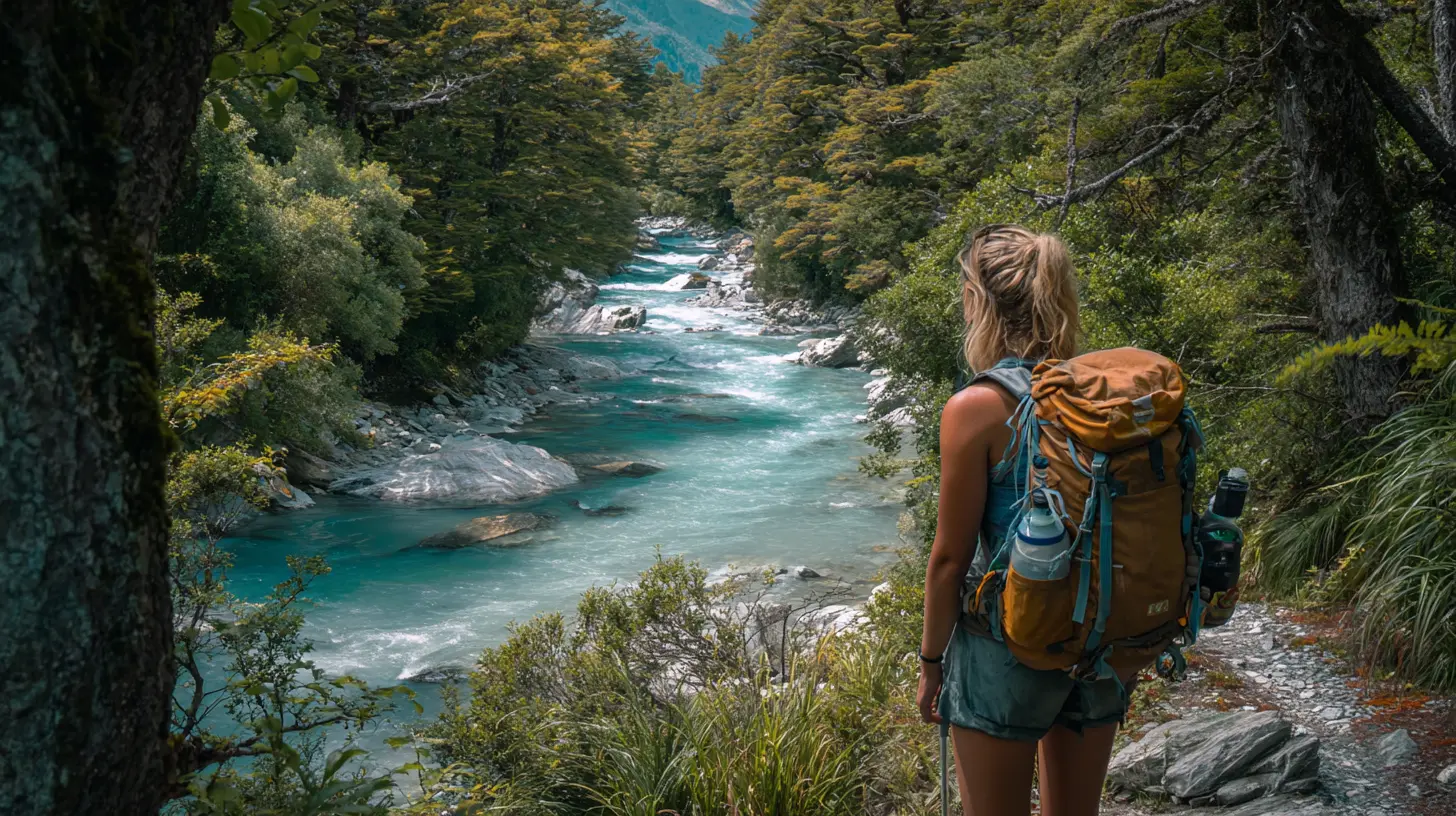
Wrapping It Up
Backpacking in 2026 is not about being broke and miserable. It is about being smart and strategic. It is about realizing that the best things in travel are often free: a sunset, a conversation, a walk through a market. The money you save is not just cash in your pocket. It is freedom. It is the ability to stay an extra week when you fall in love with a place. It is the ability to say "yes" to an unexpected adventure.So, pack light. Eat street food. Make friends. And for the love of all that is holy, do not buy that "I heart Paris" t-shirt. Your wallet (and your future self) will thank you.
all images in this post were generated using AI tools
Category:
Backpacking TipsAuthor:

Shane Monroe
Discussion
rate this article
1 comments
Selkie Patterson
Backpacking shouldn't break the bank. Travel smart!
June 9, 2026 at 3:22 AM
Shane Monroe
Absolutely! With the right tips and tricks, you can have an amazing adventure without overspending. Happy travels!