Traditional vs. Modern: How Cultural Festivities Are Evolving by 2026
17 October 2026
Cultural festivities have always been a moving target. What we call "traditional" today was once an innovation, and what feels modern right now will look quaint in a decade. The tension between preserving heritage and embracing change is not new. What is new is the speed at which that tension now plays out, driven by technology, migration, climate shifts, and shifting audience expectations.
By 2026, this evolution will be impossible to ignore. Festivals that once ran on the same script for generations are being reimagined in real time. Some changes are celebrated. Others spark genuine conflict within communities. Understanding what is happening, why it is happening, and how to navigate it matters whether you are a traveler planning a trip, an organizer running an event, or simply someone who cares about cultural continuity.
This article breaks down the forces reshaping cultural festivities, the trade-offs involved, and practical ways to engage with both traditional and modern expressions without losing what makes them meaningful.
Why Cultural Festivities Are Changing Faster Than Ever
For most of human history, festivals evolved slowly. A harvest ritual might shift over centuries. A religious procession might add a new element once every few generations. That pace has accelerated dramatically.Several forces are converging:
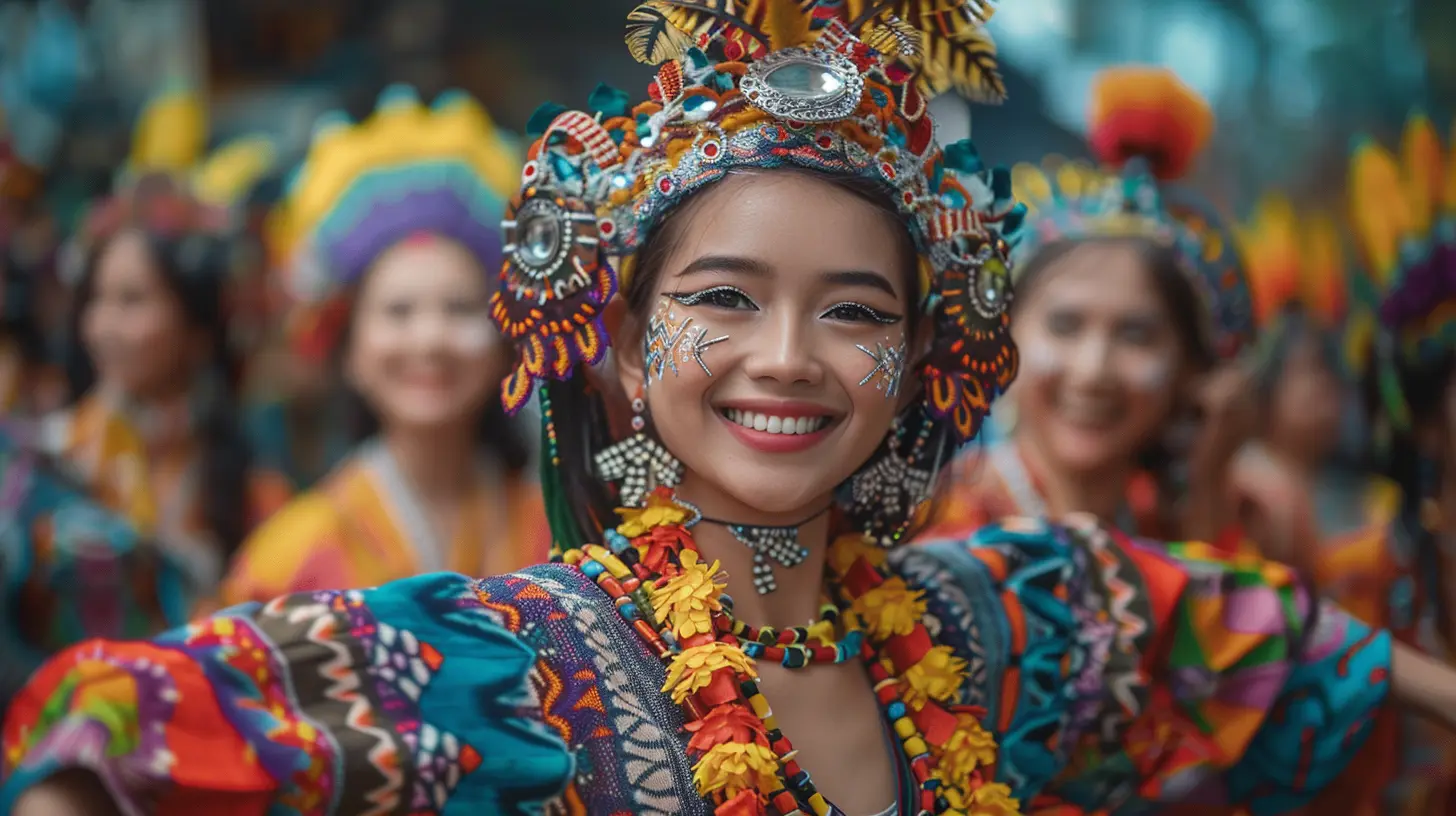
Migration and diaspora. When communities move, they carry their festivities with them. A festival celebrated in Lagos, Manila, or Oaxaca looks different when it is recreated in London, Toronto, or Dubai. The host culture influences everything from food to scheduling to audience behavior. Meanwhile, the home community keeps evolving on its own track. The result is not one tradition but multiple versions running in parallel.
Digital documentation and viral pressure. Once a festival exists on video, it becomes a performance for outsiders as much as a ritual for insiders. Organizers know that a single clip can bring thousands of curious visitors or a wave of criticism. This awareness shapes decisions about what to show, what to hide, and how to present the event.
Economic incentives. Cultural tourism is a major revenue source for many regions. That money can fund preservation. It can also create pressure to make festivities more accessible, more photogenic, and more predictable. When a sacred ceremony becomes a ticketed attraction, something shifts, even if the steps remain the same.
Climate and logistics. Extreme heat, unpredictable rainfall, and air quality issues are forcing schedule changes and venue relocations. Some outdoor festivals now run at night or shift to indoor spaces. These adaptations are practical, but they can alter the communal rhythm that made the event feel special.
Generational turnover. Younger members of a community often want to participate on their own terms. They may question elements that feel outdated, exclusionary, or simply boring. Their involvement is essential for survival, but it rarely looks like a carbon copy of what their grandparents did.
What "Traditional" Actually Means in Practice
The word "traditional" gets used as if it describes something frozen in time. It does not. Traditions are living practices. They change because the people who practice them change.Consider a few examples that illustrate this point without relying on invented specifics:
- A harvest festival that once centered on a specific crop may expand its focus as the local economy shifts.
- A religious procession may add new routes to accommodate a growing neighborhood.
- A dance performed only by elders may open to younger participants when the elder population declines.
These are not betrayals of tradition. They are traditions doing what they have always done: adapting to survive.
The confusion arises because we often compare a living tradition to a snapshot of it from decades ago. That snapshot feels authentic because it is familiar. But the people who lived through that era were themselves part of an ongoing evolution.
The Myth of the Unchanged Festival
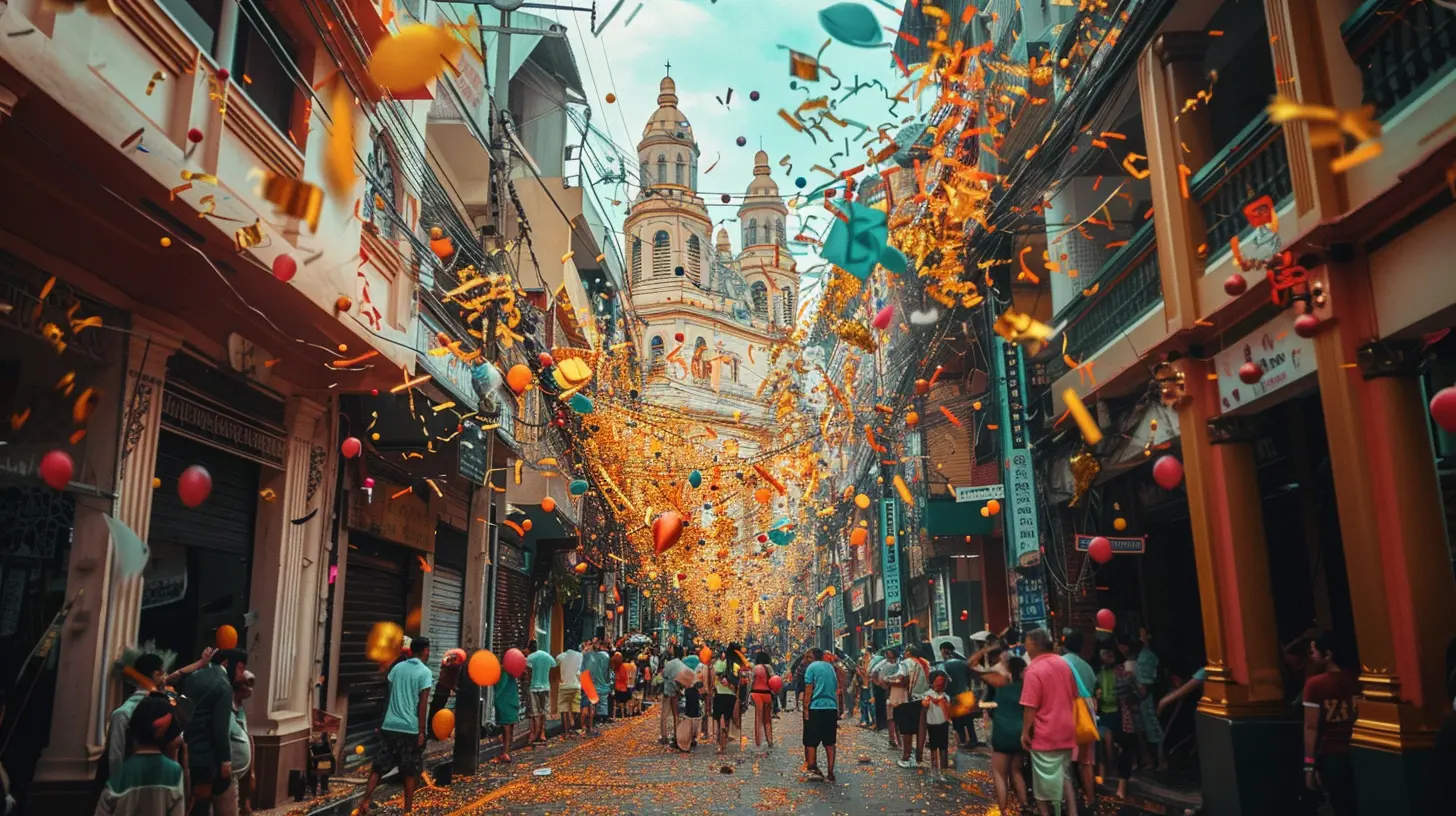
Many travelers arrive at a festival expecting to see something ancient and untouched. That expectation is understandable, but it is also a setup for disappointment.No festival that welcomes outside visitors is completely unchanged. The moment a community decides to accommodate tourists, it has made a choice that affects the event. Seating is added. Explanations are provided. Photography rules are debated. Vendors appear. These are not corruptions. They are responses to new conditions.
The more useful question is not "Is this authentic?" but "Is this meaningful to the people who practice it?" That question respects the community's agency and opens the door to a more honest experience.
How Modernization Shows Up in Cultural Festivities
Modernization is not a single force. It arrives in different forms, and each one carries distinct implications.Technology and Digital Integration
Livestreaming, augmented reality, and social media have changed how festivities reach audiences. A temple ceremony can now be witnessed by people who will never travel to the site. A folk dance can be taught through video tutorials. A festival map can live on a phone instead of a printed handout.These tools expand access. They also raise questions about consent, sacred boundaries, and the difference between sharing and commodifying.
When it works well: Technology helps diaspora communities stay connected, allows elderly or disabled participants to join remotely, and gives organizers tools to manage crowds and safety.
When it backfires: When cameras are allowed into spaces that were never meant for public view, or when the online audience becomes more important than the physical one, the event can feel hollow to its own community.
Commercialization and Sponsorship
Corporate sponsorship can fund a festival that would otherwise struggle. It can also introduce branding, messaging, and priorities that clash with the event's original purpose.A beer company sponsoring a religious procession is an obvious mismatch. A local bank funding a harvest fair is less fraught. The key is whether the sponsor's presence supports the event or reshapes it.
Practical guidance: Organizers should decide in advance what they will and will not accept. A written policy on sponsorship categories, signage, and naming rights prevents awkward negotiations later. It also signals to the community that boundaries exist.
Accessibility and Inclusion
Modern festivities increasingly aim to include people who were previously excluded. That might mean wheelchair-accessible routes, sensory-friendly hours, gender-inclusive participation, or translations for non-local attendees.These changes can be deeply meaningful. They can also create friction when they conflict with long-standing rules or beliefs. There is no universal answer here. Each community has to weigh its own values.
What to consider: Inclusion efforts work best when they are led by the community rather than imposed from outside. A festival that adopts accessibility measures because its own members need them will sustain those measures. One that adopts them to satisfy external critics may not.
Safety and Regulation
Fire codes, crowd limits, insurance requirements, and health regulations have reshaped many festivities. Some of these changes are invisible to attendees. Others are obvious, like barricades, bag checks, or designated viewing areas.These measures save lives. They also change the feel of an event. A procession that once wound freely through narrow streets may now follow a fixed route with police escorts. That shift can feel like a loss even when it is necessary.
The Real Trade-Offs Nobody Talks About
Most articles about cultural festivities either celebrate modernization or mourn it. Both approaches miss the point. The reality is a series of trade-offs, and pretending otherwise leads to bad decisions.Authenticity vs. Accessibility
The more accessible a festival becomes, the more it changes. This is not a moral failing. It is a structural reality. When you invite a broad audience, you have to accommodate them. Accommodation requires adjustments. Adjustments alter the experience.Communities that want to preserve a festival's intimate character may choose to limit attendance, keep locations private, or restrict photography. Those choices come with costs, including lost revenue and reduced visibility. There is no free lunch.
Growth vs. Integrity
Growth brings resources. It also brings pressure to scale. A festival that once served a few hundred people may suddenly host thousands. Infrastructure, staffing, and waste management become major concerns. The event's identity can get stretched thin.Some organizers handle this by creating tiered experiences. The core ritual remains small and private. A public component runs alongside it for visitors. This approach is not perfect, but it can protect what matters most.
Preservation vs. Relevance
A festival that never changes may eventually feel irrelevant to the people it was meant to serve. A festival that changes too much may lose the thread that connected it to its origins.The healthiest approach is usually incremental. Small adjustments, made by the community, over time. This keeps the event alive without severing it from its roots.
Real-World Patterns Worth Understanding
Rather than pointing to specific festivals (which risks misrepresenting them), here are patterns that appear across many cultures:The dual-track model. A community maintains a private, traditional observance for its own members while offering a separate public event for visitors. This protects the sacred core while capturing tourism benefits.
The youth-led revival. Younger members reintroduce elements that had faded, sometimes with modern twists. This can breathe new life into a festival that was losing participants.
The diaspora split. The home community and the diaspora community develop different versions of the same festival. Over time, they may diverge significantly. This is not a problem to solve. It is a natural outcome of distance and context.
The hybrid calendar. Some festivals now run both in-person and online, with different programming for each. This expands reach but requires careful planning to avoid diluting the experience.
Common Mistakes Travelers and Organizers Make
Mistake 1: Treating the Festival as a Photo Opportunity
Travelers who prioritize images over participation miss the point. They also create friction with locals who are there for reasons that have nothing to do with social media. If you attend a festival, ask yourself whether your presence adds to the event or distracts from it.Mistake 2: Assuming You Know What Is Traditional
Outsiders often arrive with a fixed idea of what a festival should look like. When the reality differs, they feel cheated. This is a failure of expectation, not of the event. Do some research, but stay open to what you actually find.Mistake 3: Over-Commercializing Too Quickly
Organizers who chase revenue before establishing clear boundaries often regret it. Once a festival becomes known primarily as a tourist attraction, it is hard to reverse that reputation. Start with limits. You can always loosen them later.Mistake 4: Ignoring the Local Community's Voice
The most damaging mistake is treating the community as a backdrop rather than the main character. Any change to a festival should be led or at least approved by the people who own it. Outside consultants, sponsors, and tourism boards can support, but they should not dictate.Mistake 5: Assuming Technology Always Helps
Not every festival benefits from an app, a livestream, or a virtual reality experience. Sometimes the point is to be present, unplugged, and fully immersed. Adding tech for its own sake can undermine the very thing that made the event powerful.Best Practices for Navigating the Shift
Whether you are a traveler, an organizer, or a community member, these principles tend to hold up:Ask before you assume. If you are unsure whether something is appropriate, ask someone who knows. Most communities appreciate genuine curiosity when it is respectful.
Support local businesses. Spend your money in ways that benefit the people whose culture you are experiencing. This is more meaningful than any donation box.
Respect boundaries around photography and recording. If signs say no photos, do not take photos. If you are unsure, err on the side of restraint.
Attend with humility. You are a guest. Act like one.
For organizers: write things down. A clear charter or set of principles helps everyone make consistent decisions. It also protects the festival from being reshaped by whoever has the loudest voice at any given moment.
For communities: involve young people early. Waiting until the older generation steps back to invite younger members often leads to disconnection. Bring them in while there is still time to transfer knowledge.
For everyone: accept that change is not the enemy. The real enemy is indifference. A festival that no one cares about will disappear regardless of how faithfully it is preserved.
What the Future Likely Holds
By 2026, several trends will probably be more pronounced:- More festivals will offer hybrid experiences, with online and in-person components.
- Climate adaptation will become a standard part of festival planning.
- Diaspora communities will continue to develop distinct versions of home traditions.
- Conversations about cultural appropriation versus appreciation will grow more nuanced.
- Some communities will push back against commercialization and reassert control over their festivities.
None of these outcomes is predetermined. They depend on choices made by real people in real places. That is the thing to remember. Cultural festivities are not passive relics. They are active creations, shaped by the people who care enough to keep them going.
Final Thoughts
The question is not whether cultural festivities should evolve. They always have. The question is how to evolve in ways that honor the past without sacrificing the future.Traditional and modern are not opposites. They are two ends of a spectrum that every living culture moves along. The most resilient festivals are the ones that let both ends talk to each other. They keep the core ritual intact while making room for new participants, new tools, and new circumstances.
If you attend a festival this year, pay attention to what feels old and what feels new. Notice where the two meet. That intersection is where culture actually lives. It is messy, contested, and often beautiful. It is also the only place where anything real ever happens.
all images in this post were generated using AI tools
Category:
Cultural CelebrationsAuthor:

Shane Monroe