Uncovering the Mysteries of Cambodia's Angkor Wat
3 April 2026
Welcome, fellow wanderer. Have you ever found yourself drawn to ancient tales whispered on the wind or puzzled over mysterious ruins that seem to breathe history? If so, then Cambodia’s Angkor Wat is no doubt calling your name. Not with a shout, but with the gentle murmur of temples draped in jungle vines, telling stories older than most empires.
Let’s grab some coffee (or tea, if you’d prefer), get comfy, and dive deep into this labyrinth of stone and spirit. We're not just talking stones stacked on stones—we're talking about a living, breathing testament to human ingenuity and divine vision.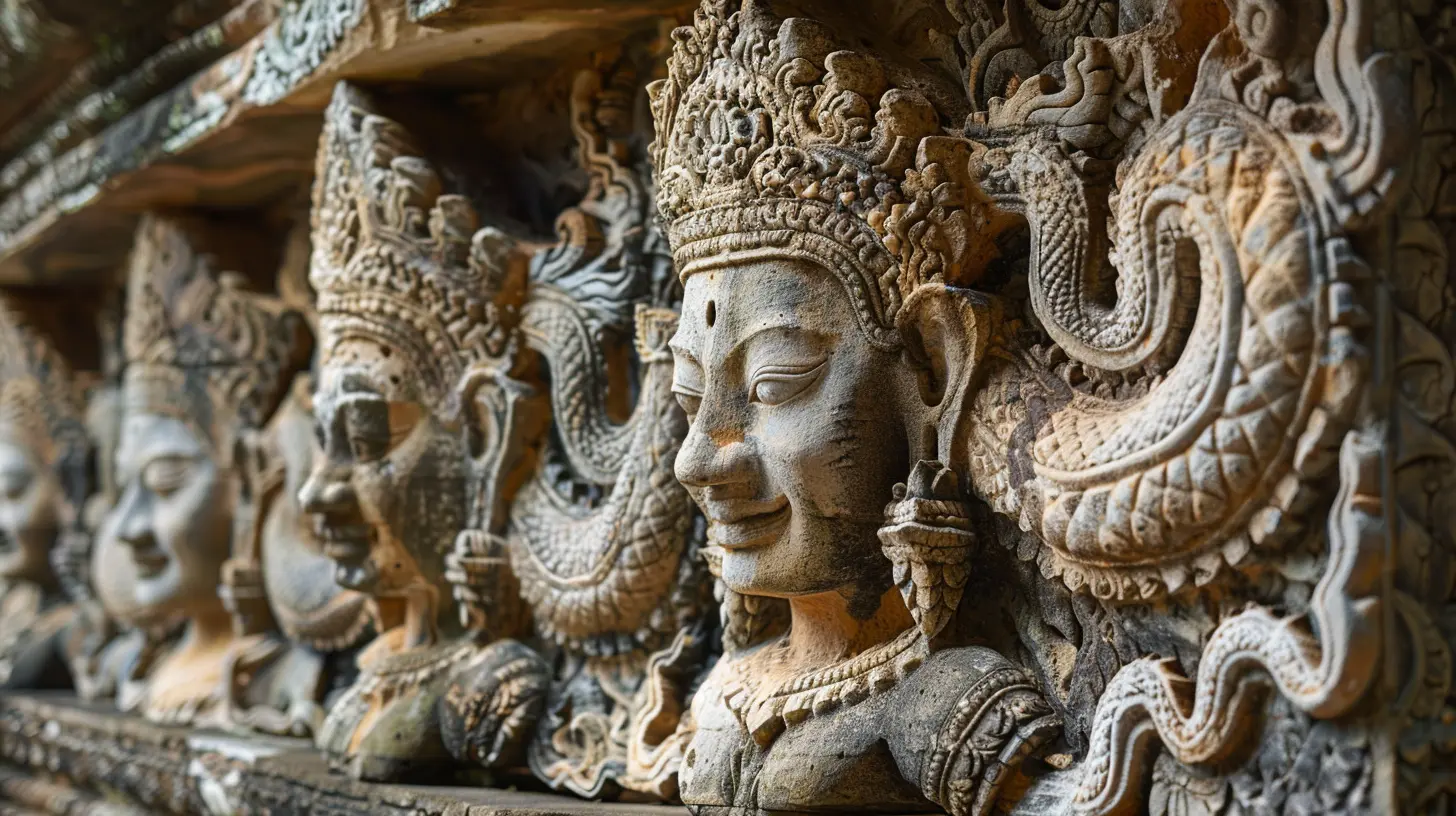
A Temple Born of Legend and Devotion
Angkor Wat isn’t just any temple. It’s the largest religious monument in the world. Yeah, you heard that right. Bigger than the pyramids. Larger than Vatican City.Built in the early 12th century by King Suryavarman II, this sprawling complex was originally dedicated to the Hindu god Vishnu. But time, like the jungle, changes everything. By the end of the 13th century, it had quietly embraced Buddhism, and still today, saffron-robed monks stroll its shadowy corridors.
What’s especially poetic? Angkor Wat is aligned with cosmic precision. Every stone, every corridor, seems to hum with purpose—as if the ancient Khmer architects were trying to tune the temple like an instrument to the heavens.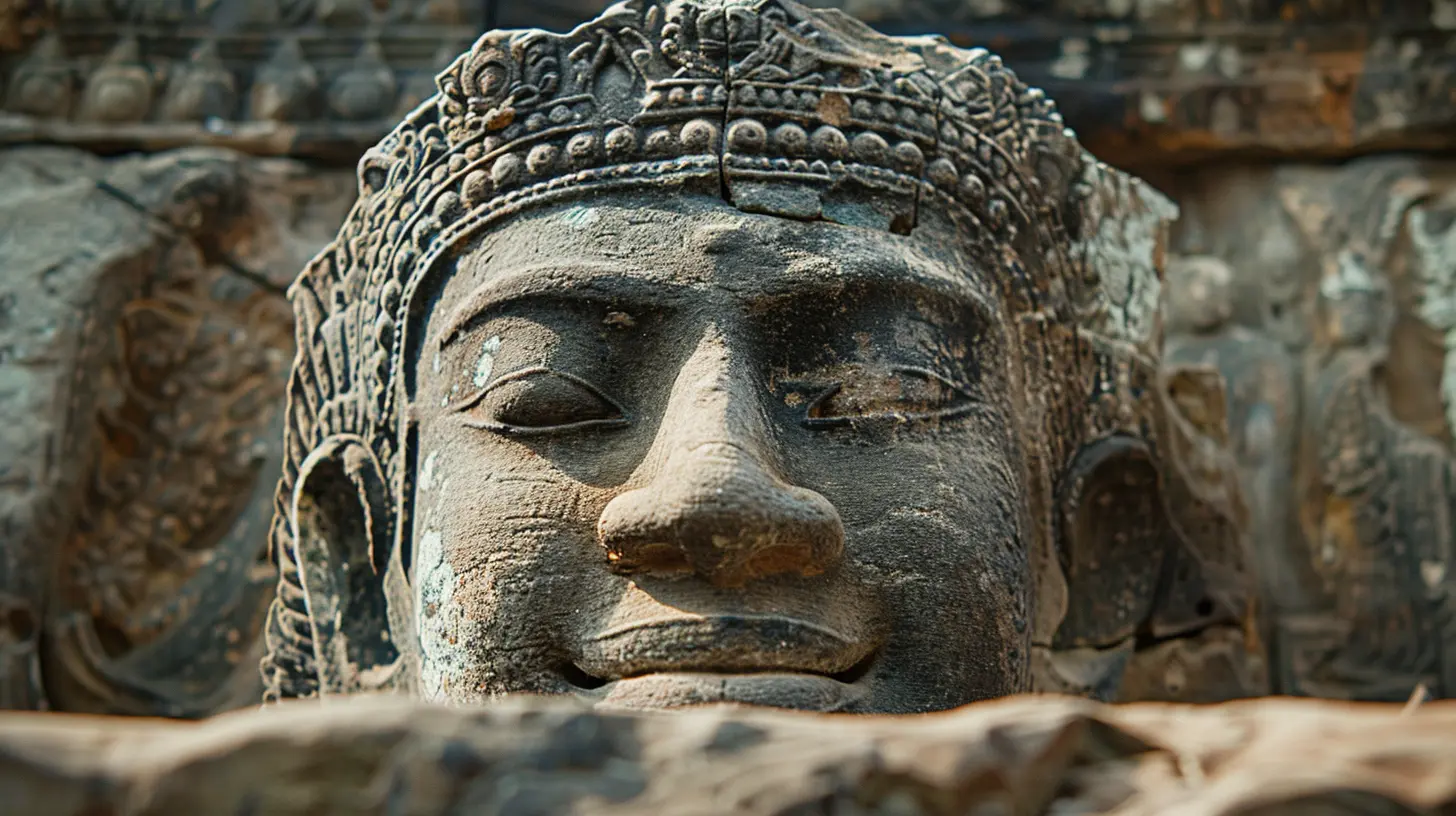
First Glance: The Moment That Steals Your Breath
Imagine arriving before dawn, the silhouette of Angkor Wat etched against a sky slowly blushing with orange and pink. The reflection glimmers on the lotus-laced ponds as if the gods themselves painted it.Your heart skips a beat.
This isn’t just sightseeing—this is soul-searching with a side of goosebumps.
That first glimpse? It sticks with you. Like a song you hum without realizing. Like a dream you don't want to wake from.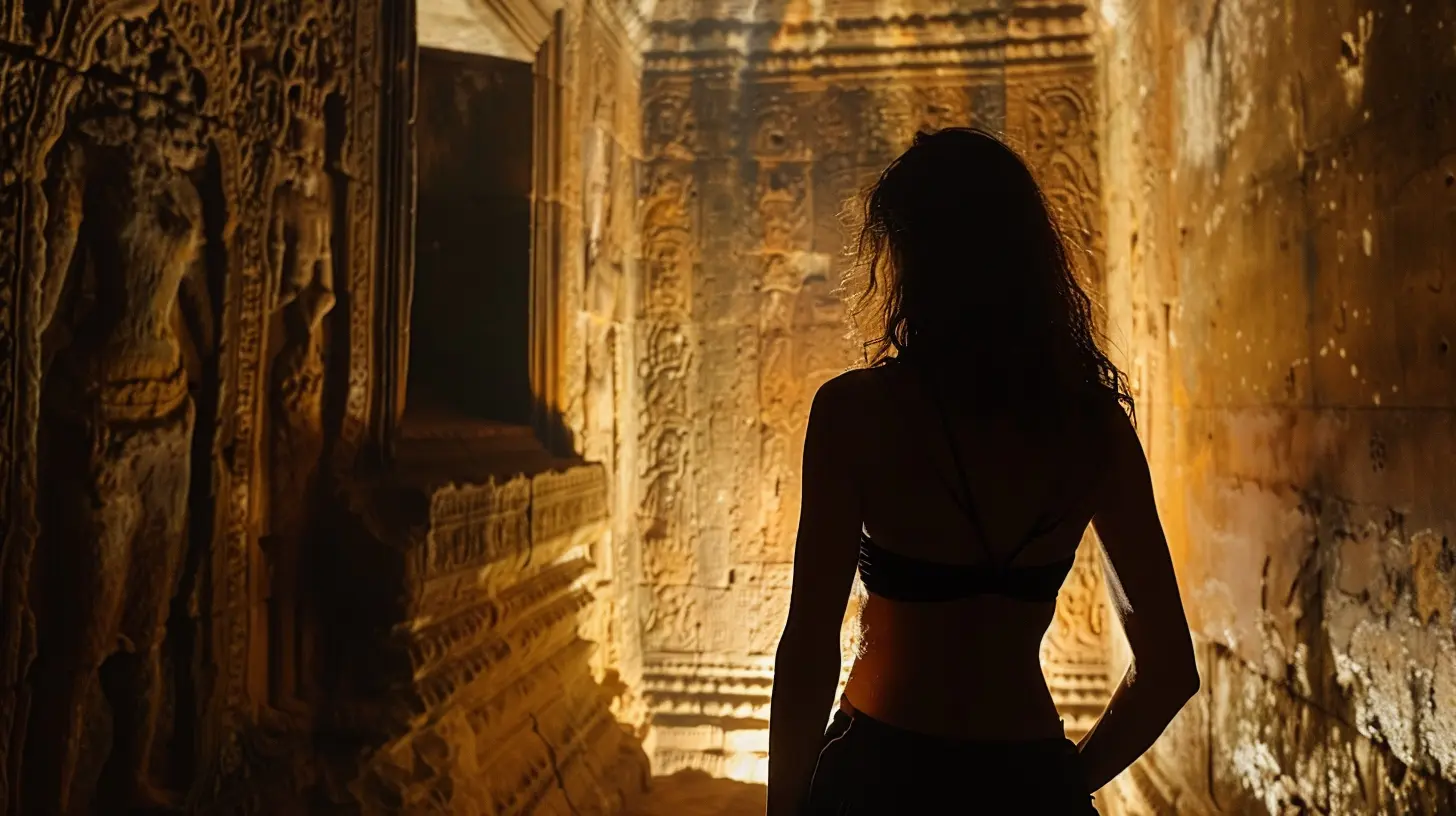
Architecture That Defies Time
Alright, let’s nerd out just a little.Angkor Wat’s layout is symbolic of Mount Meru, the mythical center of the universe in Hindu and Buddhist cosmology. It’s surrounded by moats representing cosmic oceans, with towers representing the mountain peaks.
Think of it as a stone map to the divine.
The central sanctuary rises steeply, almost like a lotus blooming upward. And oh, the detail! Every wall, column, and lintel is etched with bas-reliefs and carvings. You’ll see epic battle scenes, celestial dancers (apsaras), heavenly beings frozen mid-motion for nearly a thousand years.
It’s like the world’s most intricate storybook, carved in stone.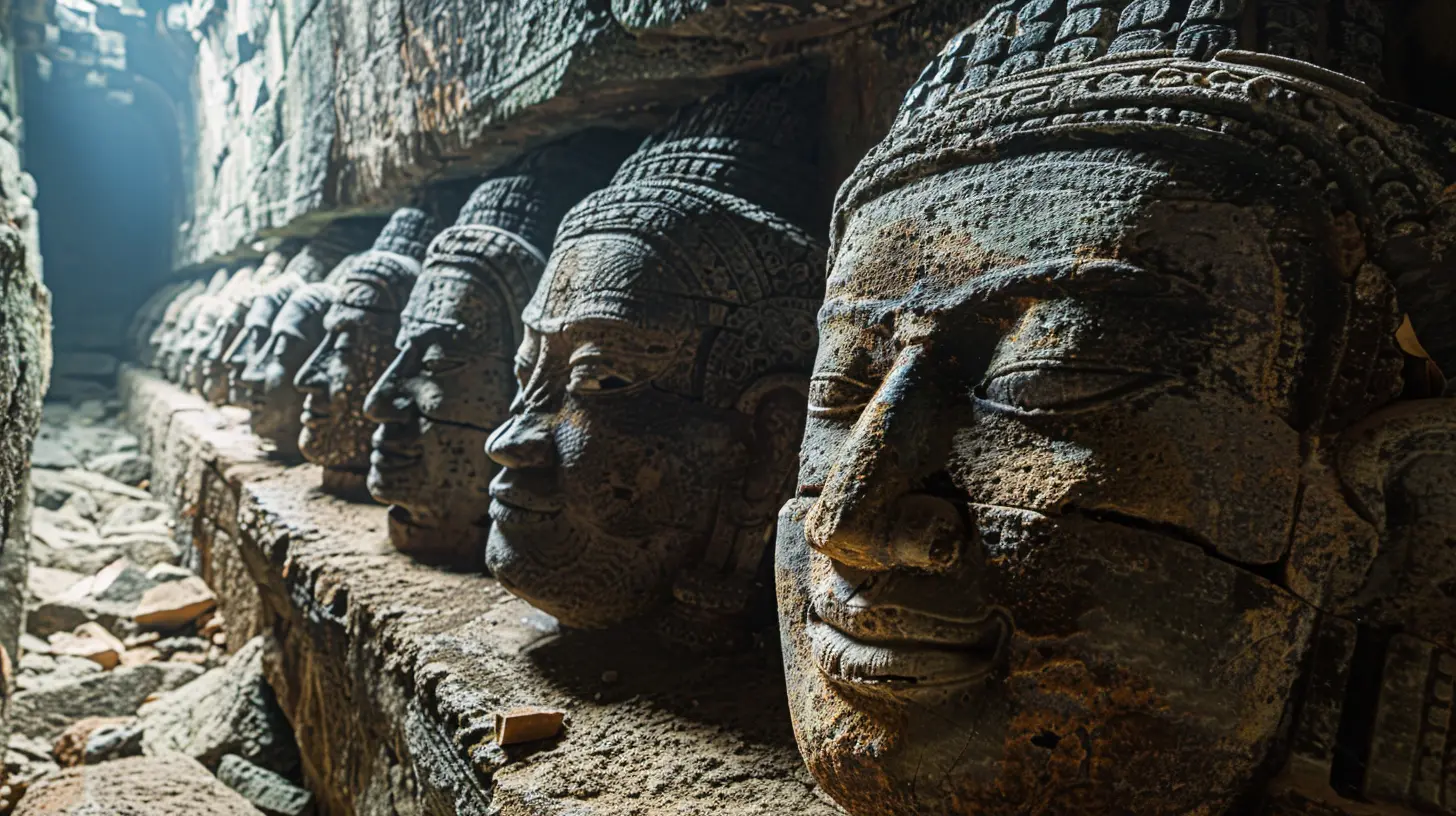
The Whispering Walls: Stories in Stone
Walk a little slower next time you’re there. Run your fingers along the sandstone. Every groove, every carving, has a voice. You’ll find the Churning of the Ocean of Milk—a legendary Hindu story—etched across entire gallery walls in exquisite detail.What’s even wilder? The detail isn’t just art; it’s cosmology, mythology, and history. Imagine artisans who never left the temple grounds, spending years working on just one panel. That’s love. That’s obsession.
No fancy tech. No cranes. Just human hands, chisels, and a whole lot of passion.
Between Ruin and Resurrection: The Jungle’s Embrace
Angkor Wat has survived wars, looters, and centuries of neglect. It’s been swallowed by the jungle more than once, like some forgotten treasure buried beneath green waves of time. Every vine that coils around the temple stones seems to be both protector and thief—sheltering the ruins while slowly breaking them down.Isn’t that a little like life? Beautiful, chaotic, and always in flux?
But here’s the cool part: Angkor Wat never truly fell. Unlike many other temples nearby, it was never completely abandoned. Its continued use has helped preserve it better than its neighbors.
A Photographer’s Paradise
Got a camera? Even just a smartphone? Congrats—you’re about to become an Instagram legend.Sunrise is the crowd favorite, but don’t sleep on sunset either. Go off the beaten path. Find those quiet corners where the light filters through the stone windows, casting latticed shadows on ancient floors. Catch the reflection of a tower in a puddle. Snap a monk mid-meditation.
But more importantly? Put the camera down sometimes. Let your eyes be the lens. Soak it in. Breathe it in.
Local Culture Woven Into Every Step
Angkor Wat isn’t a place you visit—it’s a place that visits you. You’ll feel it when you share a silent nod with a monk. Or when a local guide, eyes twinkling, shares an old legend passed from grandparent to grandchild.Cambodians are fiercely proud of Angkor Wat—it’s even on their national flag. Their stories, their pride, their hospitality—it all adds depth to the stones and shadows.
And when you buy handicrafts from local vendors or taste a spoonful of fragrant Amok (a traditional Cambodian coconut fish curry), you become part of the living tapestry of this ancient place.
Off the Beaten Path: Beyond the Main Temple
Sure, Angkor Wat gets all the glory, but the wider Angkor Archaeological Park? It’s a goldmine of adventure.- Bayon Temple: With its massive stone faces smiling mysteriously from every angle, it’s like stepping into an ancient hallucination.
- Ta Prohm: The “Tomb Raider” temple. Giant tree roots strangle the ruins like nature’s own sculpture garden.
- Preah Khan & Neak Pean: Quieter, more off-the-radar spots. Wander in near solitude; hear your own footsteps echo with ancient whispers.
It’s like the best open-world fantasy game, but you’re the main character. No joystick needed.
Practical Tips: How to Make the Most of It
Alright, traveler-to-traveler—let’s get real. Angkor Wat is not something you want to “wing.”When to Go:
- Best time: November to March. Dry, cool, ideal temple-hopping weather.- Avoid the April heat unless you’re trying to sweat out every bad decision you’ve ever made.
What to Wear:
- It’s a sacred site, so dress respectfully. Cover shoulders and knees.- Breathable fabrics = your best friend. Humidity here isn’t messing around.
Entry Tips:
- Consider a three-day pass. One day? You're just skimming the surface.- Hire a local guide. Their stories add soul to the stones.
Bring:
- Water. Lots of it.- Sunscreen.
- Comfy shoes (the kind that handle both staircases and spirit quests).
The Spiritual Vibes Are Real
Even if you're not the spiritual type, there's something in the air at Angkor Wat. It's not just the incense or the rhythmic chants from a nearby shrine. It's... something more.Maybe it's the way sunlight paints the stone with gold. Or how the silence inside the temple seems charged, like it’s holding its breath.
Many travelers say they feel something indescribable here. A sense of connection. Of perspective. Of reverence. And maybe that’s the real mystery of Angkor Wat—it awakens something ancient inside you.
Why Angkor Wat Stays With You
Long after your flight home, long after your sandals are dusty and your camera memory full, Angkor Wat lingers.It's in the way you start noticing the little details again. The way you pause before rushing. Maybe even how you start seeing the sacred in the everyday.
Angkor Wat doesn’t just show you history—it hands you a mirror. And if you let it, it’ll show you parts of yourself you didn’t even know you were searching for.
Final Thoughts: Should You Go?
Do you like mystery? Ancient beauty? A place that makes your heart race and your thoughts slow?Then yes. A thousand times yes.
Angkor Wat is more than a destination. It’s a love letter from the past, sealed in stone. Waiting for you to read it, feel it, and maybe—just maybe—find a little wonder in a world that desperately needs more of it.
So pack your bags. Bring curiosity. Leave room for awe.
Angkor Wat is waiting.
all images in this post were generated using AI tools
Category:
Cultural ToursAuthor:

Shane Monroe
Discussion
rate this article
2 comments
Simmons
Absolutely loved this insight into Angkor Wat! Can't wait to explore its breathtaking beauty and rich history myself!
April 8, 2026 at 5:04 PM
Shane Monroe
Thanks for the enthusiasm! Angkor Wat truly is a marvel-hope you enjoy every moment of your exploration.
Jacob McKittrick
Explore Angkor Wat’s wonders; let history inspire your journey!
April 5, 2026 at 3:12 AM
Shane Monroe
Thank you! Angkor Wat truly is a breathtaking blend of history and beauty. It's a journey worth taking.