Unique Wedding Traditions from Around the World in 2027
4 May 2026
Picture this: you're sitting in a garden in rural Japan, watching a bride and groom drink sake from three stacked cups. Or maybe you're in a dusty village in Morocco, where the groom has just paraded through the streets on a horse, surrounded by drummers and dancing relatives. Weddings in 2027 aren't just about white dresses and tiered cakes anymore. They're about roots, weird rituals, and moments that make you laugh, cry, and question everything you thought you knew about tying the knot.
As someone who's been to weddings in a dozen countries, I can tell you this: the best traditions aren't the ones you see on Pinterest. They're the ones that feel alive, messy, and deeply human. So let's hop on a plane (metaphorically) and check out some of the most unique wedding traditions from around the world in 2027. You might just find your next big inspiration.
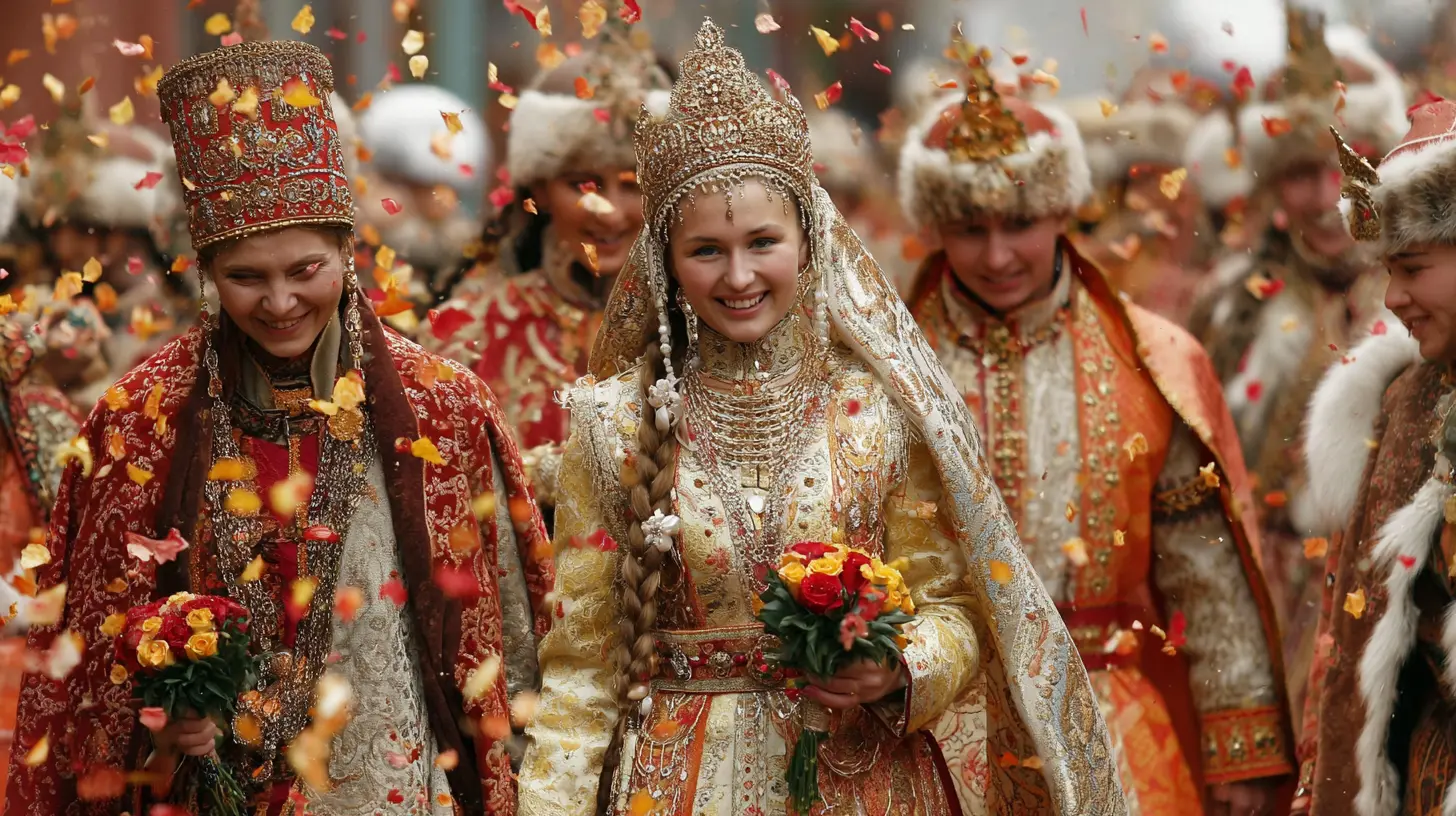
The "Polterabend" in Germany: Smashing Dishes for Good Luck
You know how some couples want a quiet, stress-free wedding? Germans take the opposite approach. The night before the big day, friends and family gather for a Polterabend. The whole idea? Smash as much porcelain as possible. Plates, cups, vases, you name it. The noise is supposed to chase away evil spirits and bring good luck.But here's the twist: in 2027, this tradition has gone eco-friendly. Couples now use recycled ceramics that get ground up and turned into garden tiles or art pieces after the party. So you're not just making a racket. You're making a memory that literally grows into something new. I love how this tradition turns chaos into creation. And honestly, after planning a wedding, don't we all feel like smashing something?
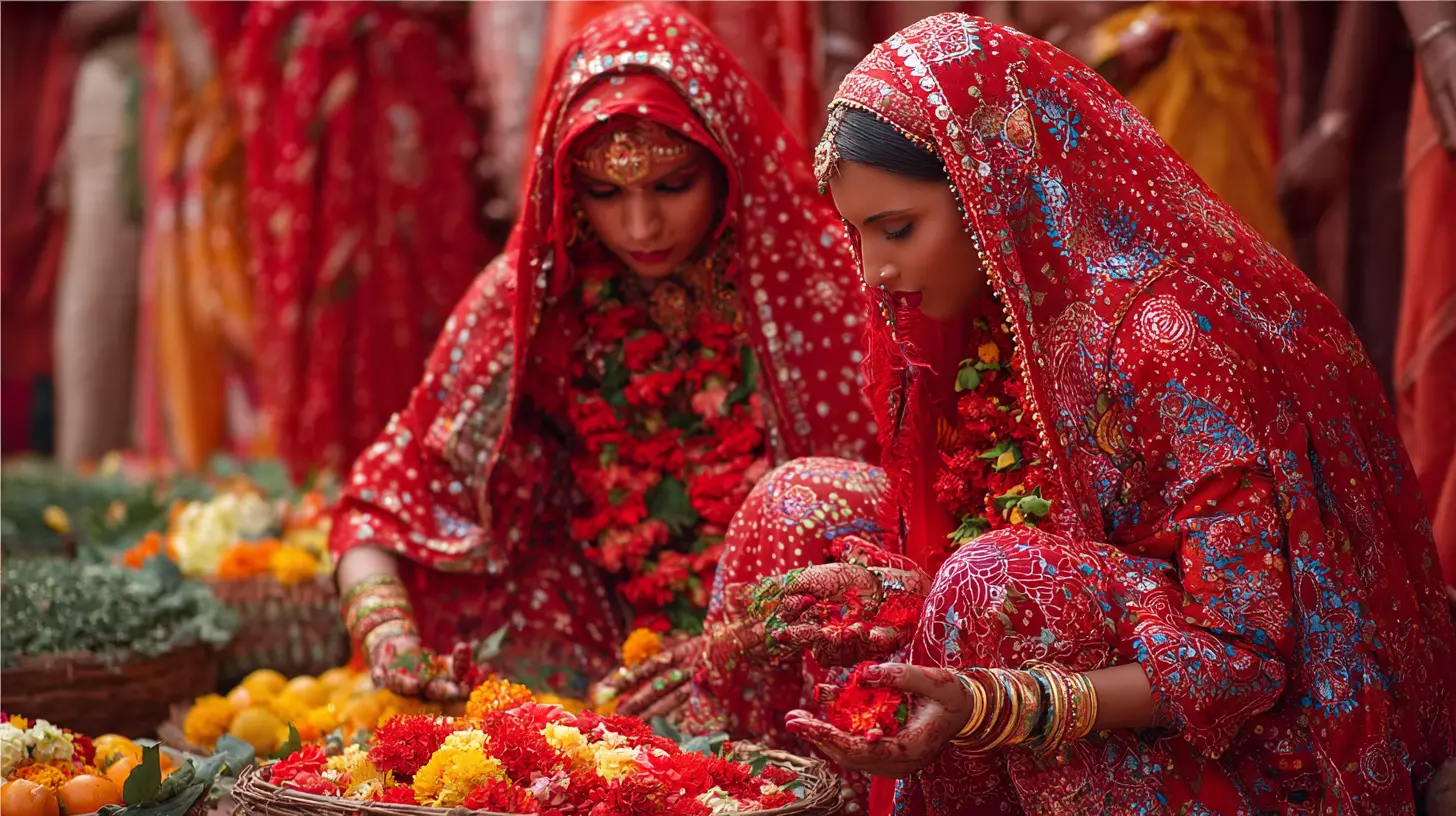
The "Saptapadi" in India: Seven Steps That Mean Everything
India has been doing symbolic wedding rituals for thousands of years, but the Saptapadi in 2027 has gotten a modern upgrade. Traditionally, the couple takes seven steps around a sacred fire, each step representing a vow. But now, couples are personalizing those steps. Instead of generic promises about wealth and family, they're making vows about shared travel goals, career support, and mental health.One couple I met in Jaipur used their seventh step to promise they'd always keep a "yes" fund for spontaneous adventures. The priest didn't bat an eye. He said it was the most honest vow he'd heard in years. That's the beauty of tradition. It bends without breaking. You get the weight of history, but you also get the freedom to make it yours.
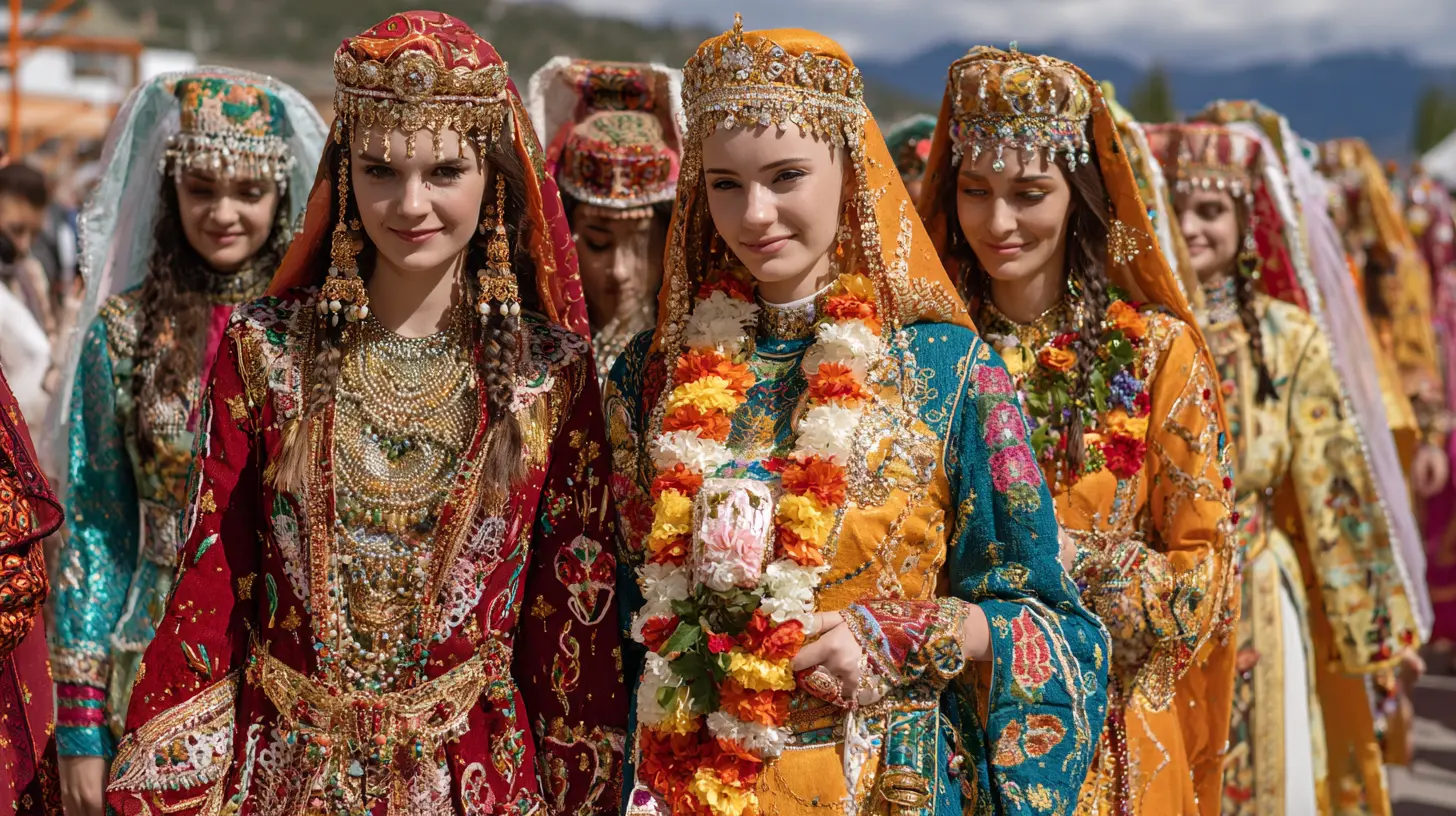
The "Las Arras" in Mexico: Thirteen Coins and a Whole Lot of Trust
In Mexico, the "Las Arras" ceremony involves the groom giving the bride thirteen gold coins. It's an old symbol of his commitment to provide for her, and her acceptance shows she trusts him with their shared future. In 2027, this tradition has flipped. Now, both partners exchange coins. And they don't have to be gold. Some couples use coins from countries they've traveled to together, or even cryptocurrency tokens.I watched a wedding in Oaxaca where the bride handed the groom a USB drive with a digital wallet inside. She said, "This is our future. Don't lose it." The whole crowd laughed, but you could feel the weight of that moment. Trust isn't about gold anymore. It's about sharing passwords, dreams, and a little bit of digital chaos.
The "Jumping the Broom" in the American South: Sweeping Away the Old
Jumping the broom has deep roots in African American history, especially during slavery when legal marriage wasn't allowed. Couples would jump over a broom to signify starting a new life together. In 2027, this tradition is bigger than ever, but with a twist. Brooms are now handcrafted by local artisans using sustainable materials. Some couples even weave in fabric from their grandparents' clothes.I saw a wedding in Charleston where the broom was decorated with dried flowers from the bride's childhood garden. When they jumped, the whole crowd cheered like it was a sports event. It was simple, powerful, and completely free of pretension. That's the thing about this tradition. It doesn't need fancy decorations or expensive planners. It just needs two people willing to leap.
The "Bouquet of Garlic" in Greece: Keeping the Vampires Away
Okay, maybe not vampires. But in parts of Greece, brides still carry a bouquet of garlic, rosemary, and ivy to ward off evil spirits. In 2027, this has become a hipster trend. Couples are swapping roses for herbs that smell amazing and have practical uses. After the wedding, you can cook with the rosemary or hang the garlic in your kitchen.I talked to a bride in Crete who said her grandmother insisted on the garlic, even though the groom was allergic. They compromised by using roasted garlic, which smells less intense. The grandmother approved. "No evil spirit wants to smell roasted garlic anyway," she said. Tradition doesn't have to be rigid. It can be funny, adaptable, and slightly ridiculous. That's what makes it real.
The "Haldi Ceremony" in Pakistan: Getting Smeared in Yellow
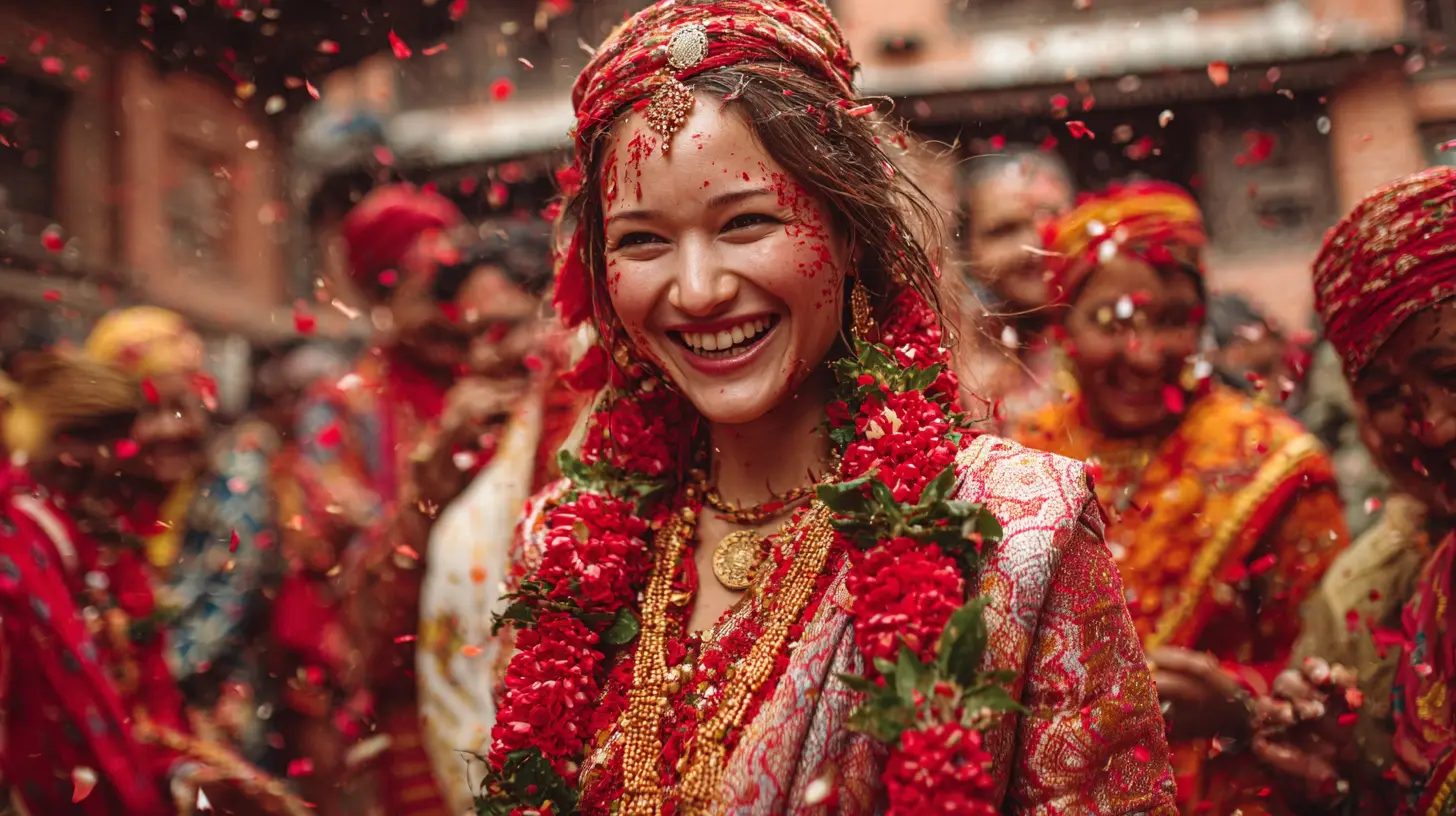
The Haldi ceremony is a pre-wedding ritual in South Asia where turmeric paste is applied to the bride and groom. It's supposed to brighten the skin and bring good fortune. In 2027, this has turned into a full-blown spa day. Couples invite their friends to join in, and the turmeric is mixed with rose water, sandalwood, and honey.But here's the part that gets me. The paste is messy. It gets in your hair, under your nails, and all over your clothes. You look ridiculous. And that's exactly the point. Before the stress of the wedding day, you get to laugh at yourself with the people you love. One groom in Lahore told me he felt like a giant chicken nugget. His bride laughed so hard she snorted. That's the kind of memory you can't plan.
The "Spitting on the Bride" in Kenya: Yes, You Read That Right
Before you close this tab, hear me out. Among the Maasai people in Kenya, the father of the bride traditionally spits on her head to bless her. It sounds gross, but it's actually a sign of deep respect and protection. In 2027, this has evolved. Now, the whole family spits water (not saliva) from their mouths as a playful blessing.I watched a wedding in the Maasai Mara where the bride's little brother accidentally spit milk instead of water. The bride laughed so hard she cried. The elder who performed the blessing said, "Milk is even better. It means abundance." That's the beauty of tradition. It's not about perfection. It's about intention. And sometimes, the mistakes become the best part.
The "Blackening of the Bride" in Scotland: Getting Covered in Gunk
If you think the Maasai tradition is wild, wait until you hear about Scotland. In some parts of the country, the bride and groom are kidnapped by friends, tied to a tree, and covered in foul-smelling substances like rotten eggs, treacle, and feathers. It's called "blackening" and it's supposed to prepare them for any humiliation life throws their way.In 2027, this tradition has gotten a bit more civilized. Couples now use biodegradable materials like mud, flower petals, and food coloring. One groom in Edinburgh told me he ended up looking like a swamp monster, but his bride thought it was the most honest version of him she'd ever seen. "If you can survive this," she said, "you can survive anything." And honestly? She's not wrong.
The "Crying Ritual" in China: Tears of Joy (and Sorrow)
In parts of rural China, brides are expected to cry for an hour every day for a month before the wedding. It's called "Zuohuatang" and it's meant to show their deep love for their family. In 2027, this has become a group activity. The bride's mother, sisters, and friends all cry together, sharing stories and laughing through the tears.I met a bride in Yunnan who said she cried so much she got dehydrated. But she also said it was the most cathartic experience of her life. "We never talk about our feelings," she told me. "But crying together? That's how we say 'I love you'." Sometimes, the weirdest traditions are the most honest. They force us to feel things we usually hide.
The "No Wedding Rings" Trend in Sweden
In 2027, some Swedish couples are ditching rings altogether. Instead, they get matching tattoos. It started as a punk rock rebellion, but now it's mainstream. The tattoos are often simple lines, symbols, or coordinates of where they met. One couple I interviewed got a tattoo of a tiny slice of pizza because they fell in love at a pizzeria.The best part? No one can lose a tattoo. No one has to take it off before washing dishes. It's permanent, painful, and deeply personal. That's a commitment you can't fake. And honestly, I think it's more romantic than a diamond. Diamonds are just rocks. A tattoo is a story you carry forever.
The "Silent Wedding" in Finland: No Words, Just Vibes
In some parts of Finland, weddings are held in near silence. The couple doesn't exchange vows. The guests don't cheer. Instead, they all sit together, listening to the wind and the birds. In 2027, this has become a retreat-style wedding. Couples invite only their closest friends, and the whole day is about presence, not performance.I spoke to a Finnish couple who said their silent wedding was the most peaceful day of their lives. "We didn't need words," the groom said. "We just looked at each other and knew." It sounds extreme, but think about it. How often do we actually sit in silence with the people we love? Maybe that's the real luxury.
Wrapping It Up: What These Traditions Teach Us
So what do all these weird, wild, and wonderful traditions have in common? They remind us that marriage isn't about perfection. It's about showing up, getting messy, and trusting that the person next to you will laugh with you when things go wrong.In 2027, weddings are less about impressing strangers and more about creating moments that matter. Whether you're smashing plates in Germany, jumping a broom in South Carolina, or getting covered in mud in Scotland, the goal is the same: to start a new chapter with your eyes wide open and your heart ready for anything.
So the next time you plan a wedding, don't just copy what you see online. Steal a tradition from somewhere far away. Adapt it. Make it yours. And most importantly, don't be afraid to look a little ridiculous. Because at the end of the day, the best weddings are the ones that feel like you.
all images in this post were generated using AI tools
Category:
Cultural CelebrationsAuthor:

Shane Monroe
Discussion
rate this article
2 comments
Runeveil Murphy
What a delightful journey through the world's unique wedding traditions! Each culture has its own special ways of celebrating love, and it's fascinating to see how these customs evolve. Thanks for sharing such inspiring stories that bring us closer together!
May 5, 2026 at 2:50 PM
Jade McCartney
This article beautifully highlights diverse wedding traditions globally, showcasing how culture shapes these celebrations. Each ritual reflects unique values and beliefs, offering readers an inspiring glimpse into the richness of human connections and the evolving nature of love in 2027.
May 5, 2026 at 4:45 AM
Shane Monroe
Thank you for your thoughtful comment! I'm glad you found the article inspiring. Each tradition does tell a beautiful story of culture and connection.