Unveiling the Ancient Mysteries of the Mayan Civilization
31 December 2025
Have you ever looked at pictures of towering pyramids rising from lush jungles and wondered who built them? Or maybe caught yourself staring into the stone-carved eyes of ancient sculptures, trying to imagine what life was like thousands of years ago? Same here. There’s something undeniably captivating about ancient history—especially when it involves lost cities, cryptic languages, and mind-boggling calendars. And if any civilization has cornered the market on mystery, it's the Maya.
So, buckle up. We’re about to take a deep dive into the fascinating world of the Mayan civilization—a culture that created advanced astronomy, breathtaking architecture, and a legacy that still whispers through the trees of Central America. Ready to step into the jungle?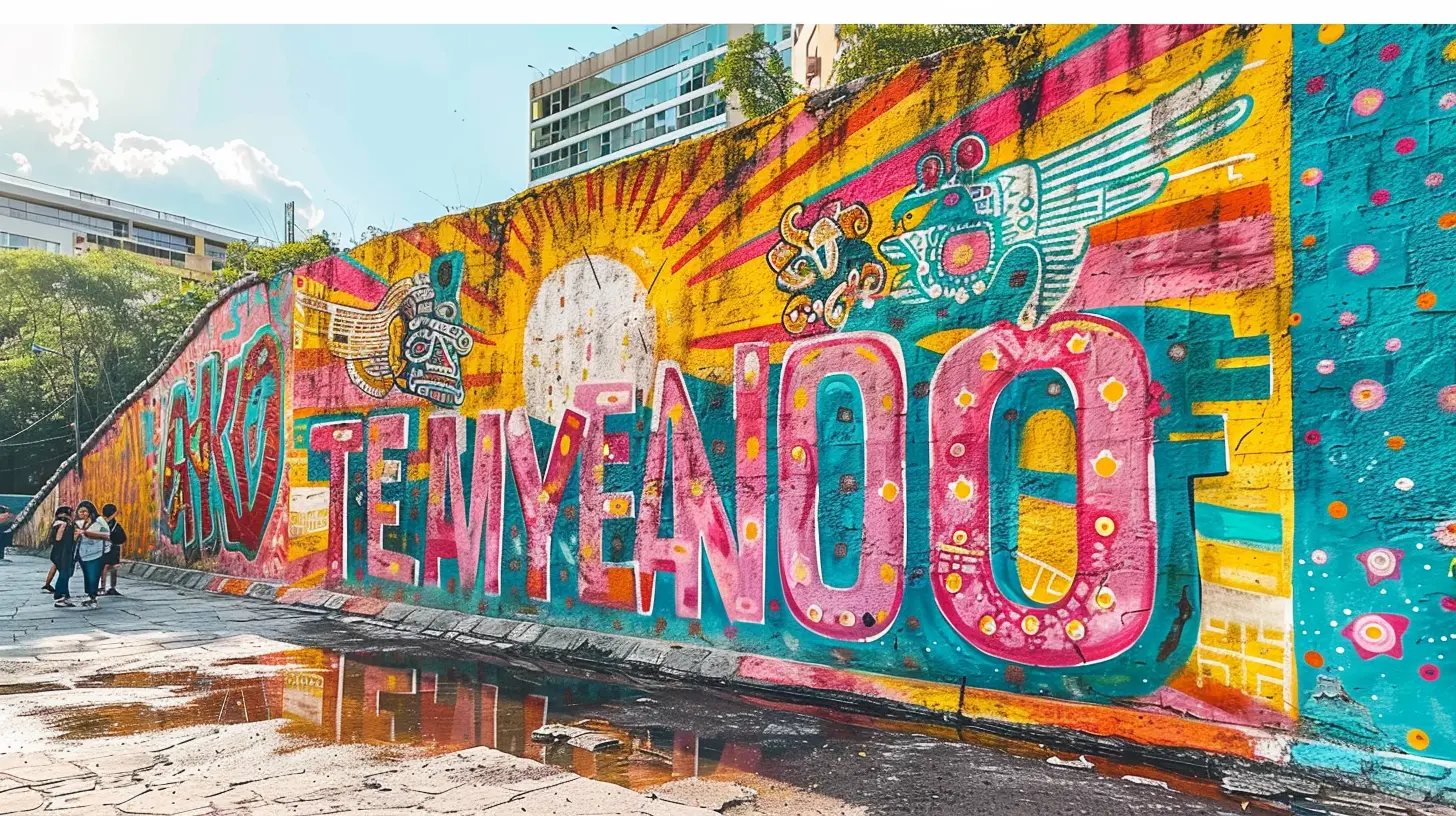
Who Were the Maya, Anyway?
Let’s rewind the clock—way back. The Mayan civilization flourished for over 3,000 years, from around 2000 BCE all the way up to the Spanish conquest in the 16th century. That’s a pretty solid run, right?The Maya lived in what's now southern Mexico, Guatemala, Belize, Honduras, and El Salvador. They weren't just one giant kingdom; think of them more like a network of independent city-states. Places like Tikal, Palenque, Copán, and Chichén Itzá each had their own kings and quirks. They’d often team up… or go to war. You know, classic neighborly stuff.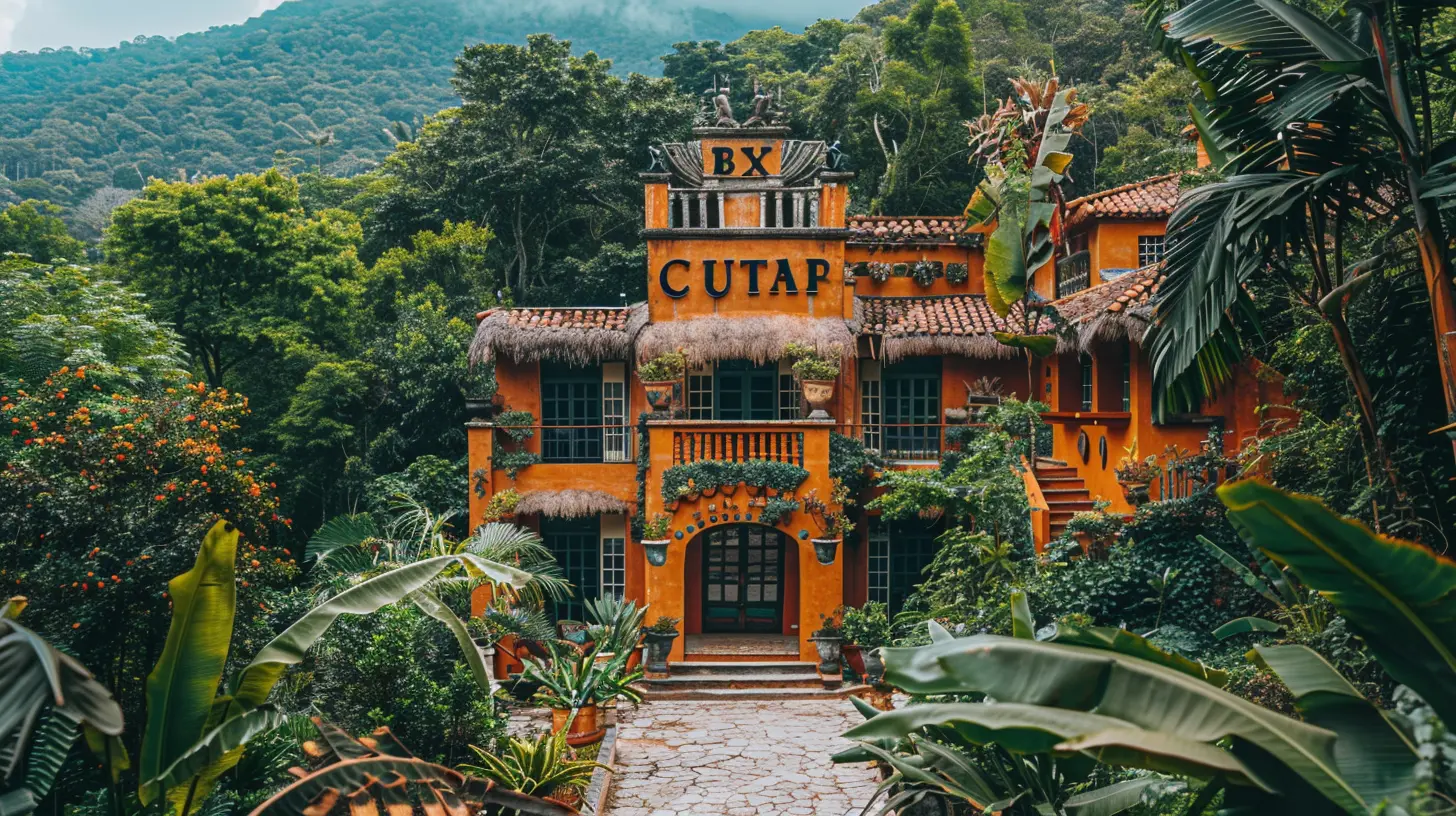
The Geniuses of the Jungle
Okay, so these folks didn't just chill in the rainforest eating fruit (though honestly, that sounds kind of amazing). The Maya were incredibly advanced—and not just for their time.The Architects of Eternity
Ever wonder how people without cranes or bulldozers built massive pyramids? The Maya did it—with nothing more than manpower, ingenuity, and some serious commitment. Cities like Tikal tower above the jungle with temples that rival any ancient structure you’ve seen in Egypt or Greece.Chichén Itzá's El Castillo (a.k.a the Temple of Kukulcán) is a perfect example. This pyramid isn’t just Instagram-worthy; it’s mathematically precise. During the spring and autumn equinoxes, shadows form a serpent slithering down the staircase. Yup. They basically built a stone snake that only appears twice a year. Talk about drama!
Calendar Kings
Let’s talk time travel—sort of. The Mayan calendar system is legendary, mostly because it freaked everyone out in 2012. But spoiler alert: the world didn’t end.The Maya had multiple calendars, including the sacred Tzolk'in (260 days) and the solar Haab' (365 days). Together, they worked in a kind of cosmic gear system, tracking time with mind-blowing accuracy.
And they didn’t stop there. These calendars helped them predict eclipses, track Venus, and schedule major events. Essentially, they were the original Google Calendar—with a mystical twist.
Written in Stone
The Mayan script is one of the most sophisticated writing systems in the ancient world. It’s part alphabet, part hieroglyph, and 100% fascinating.They etched their stories into stone monuments (called stelae), codices (folded bark-paper books), and pottery. Historians and linguists have spent decades deciphering them, slowly uncovering tales of kings, gods, battles, and beauty.
So next time you see one of those intricately carved glyphs, just know—it’s not just decoration. It’s ancient literature.
The Spiritual Side of Things
If you're thinking the Maya were just math geeks and stargazers, think again. Their spiritual world was just as developed—and a tad more intense.Gods, Myths, and a Whole Lotta Rituals
The Maya believed in a universe made up of three parts: the heavens above, the terrestrial world, and the watery underworld, Xibalba (pronounced: Shee-bal-ba). Their gods ranged from the maize god to the feathered serpent Kukulcán.Rituals were central to Mayan life. Some were simple, like offerings of food or incense. Others? A little more dramatic. Bloodletting and human sacrifice were seen as powerful ways to communicate with the gods and maintain the balance of the cosmos. Yikes—but hey, they took their job as cosmic caretakers seriously.
Sacred Cenotes
Cenotes are natural limestone sinkholes filled with fresh water, and they were sacred gateways to the spiritual world. The Maya believed these watery portals connected them to the gods and the afterlife.Chichén Itzá’s Sacred Cenote, for example, has revealed countless artifacts—and even human remains—suggesting it was used for religious ceremonies and offerings to the gods. Mysterious? Definitely. Haunting? Maybe just a little.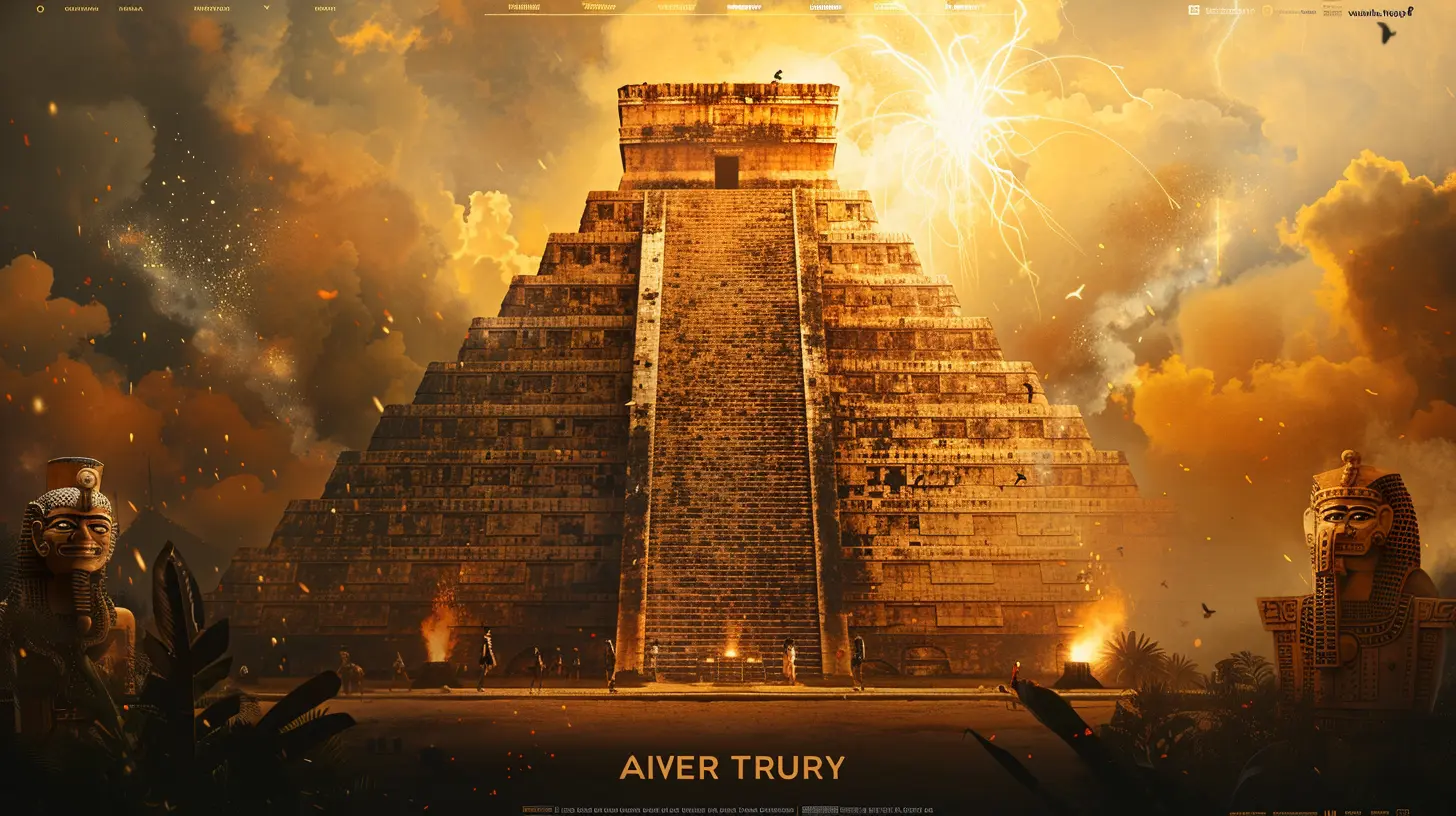
Mayan Cities You’ve Gotta See
Alright, let’s say you’re as enchanted by the Maya as I am—and you’re itching to see this magic with your own eyes. Here are some must-visit spots where history practically oozes from every stone.1. Tikal (Guatemala)
Picture this: you're standing on top of Temple IV, peeking above the jungle canopy as howler monkeys roar in the distance. That’s Tikal. It’s cinematic. Literally—parts of Star Wars were filmed here.Once the beating heart of the Mayan world, Tikal is massive and still largely unexcavated. Ancient temples, royal palaces, and sprawling plazas dot the site, pulling visitors into a real-life Indiana Jones adventure.
2. Chichén Itzá (Mexico)
This UNESCO World Heritage Site is arguably the most famous Mayan city. And for good reason. The Temple of Kukulcán is the showstopper, but don’t miss the Great Ball Court (the largest in Mesoamerica), the Skull Platform, and the Observatory.Pro tip: Arrive early to beat the crowds—and the heat.
3. Palenque (Mexico)
Tucked into the jungle of Chiapas, Palenque is like stepping into a dream. It’s smaller than some other Mayan cities but brimming with delicate carvings and hauntingly beautiful temples. It’s less touristy, more mystical.4. Copán (Honduras)
Copán is a treasure trove of hieroglyphs. Historians love this place for its detailed stone carvings and stelae. You don’t just see the past here—you read it.The Maya Today: Still Alive and Proud
Now, here’s the part many people don’t realize: The Maya didn’t vanish.Millions of Maya descendants still live in Central America. They speak Mayan languages, follow traditional customs, and celebrate their heritage with pride. From weaving intricate textiles to performing ancient ceremonies, the culture is alive, well, and evolving.
So when you visit a Mayan site, remember—you’re not just looking at ruins. You’re stepping into a culture that’s still writing its story.
Tips for Your Mayan Adventure
Before you pack your bags, here are some things to keep in mind:- Hire a Local Guide: Seriously. They bring the ruins to life.
- Respect the Sites: These aren’t just tourist spots—they’re sacred.
- Stay Hydrated: Jungle heat is no joke.
- Try Traditional Food: Tamales, cochinita pibil, and even chocolate (the Maya practically invented it!).
Final Thoughts: A Journey Worth Taking
Unveiling the ancient mysteries of the Mayan civilization isn’t just about checking off bucket-list ruins. It’s about time-traveling without a time machine. It’s about standing where kings once stood, gazing up at the same stars they studied, and realizing—maybe we’re not so different after all.So, whether you're a history buff, a casual traveler, or just someone curious about the past, the Maya have stories waiting for you. And trust me, it’s an adventure you’ll never forget.
all images in this post were generated using AI tools
Category:
Cultural ToursAuthor:

Shane Monroe
Discussion
rate this article
2 comments
Marley McSweeney
Step into a world where whispers of the past echo through the jungles. Unravel the secrets of the Mayans, where every stone tells a story and every shadow conceals a mystery.
January 28, 2026 at 5:47 AM
Shane Monroe
Thank you! I'm excited to take readers on this journey through the captivating history and mysteries of the Mayan civilization.
Veda Estes
Rich history, timeless allure.
January 7, 2026 at 4:55 PM
Shane Monroe
Thank you! The rich history of the Mayan civilization truly captivates and continues to inspire exploration.