Where to Celebrate Lunar New Year in Style in 2027
25 October 2026
Lunar New Year in 2027 falls on February 6, welcoming the Year of the Goat (or Sheep, depending on which tradition you follow). That date matters more than most travelers realize. Because the holiday lands in early February, it collides with the tail end of winter in northern China and Korea, sits squarely in the cool-but-dry season across much of Southeast Asia, and arrives just before the February school break crowds hit resort destinations. Choosing where to go is therefore as much a climate and crowd-calculation exercise as it is a cultural one.
This guide is written for travelers who want more than a photo of a dragon dance. It covers the destinations where Lunar New Year is celebrated with real craft and real comfort, explains what "in style" actually costs and requires in each place, and flags the mistakes that turn a dream trip into a logistics nightmare. If you are planning a year or more ahead, which is exactly the right timeline for 2027, the decisions below will shape everything else.
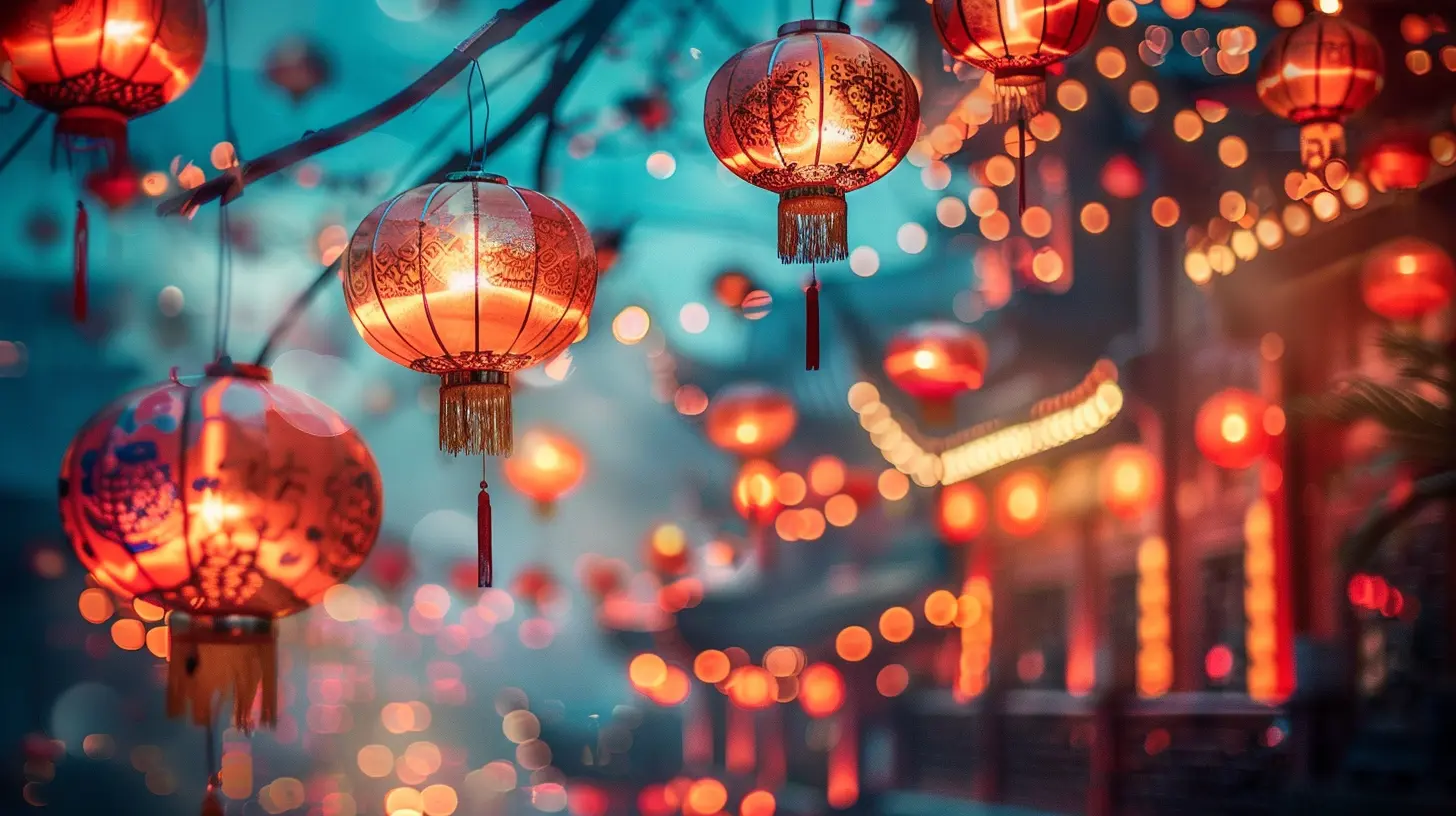
Why 2027 Requires an Earlier Plan Than Usual
Most Lunar New Year travel advice assumes the holiday falls in late January or mid-February, and the difference of a week or two changes demand patterns significantly. February 6, 2027, places the holiday on a Saturday, which extends the natural long weekend in many markets and pushes domestic travel volumes higher than a midweek date would. In China, the Spring Festival travel rush, known as chunyun, typically runs for about 40 days around the holiday, and a weekend-anchored date tends to concentrate departures into fewer, busier days.The practical consequence is simple: book flights and hotels earlier than you think. For high-demand cities such as Hong Kong, Singapore, and Taipei, the best rooms at reasonable rates are often gone 10 to 12 months out. For mainland China, where domestic demand is enormous, international visitors face competition from hundreds of millions of internal travelers. If you are considering a Chinese city, lock in refundable bookings as early as possible and treat them as placeholders you can refine later.
There is also a quieter advantage to early planning. Lunar New Year dates are fixed, so you can align your trip with the specific public holiday calendar of each destination. Some places celebrate for three days, others for a week, and a few stretch festivities across two weeks or more. Matching your arrival to the local rhythm, rather than the international assumption of "a week of partying," is one of the clearest markers of a well-planned trip.
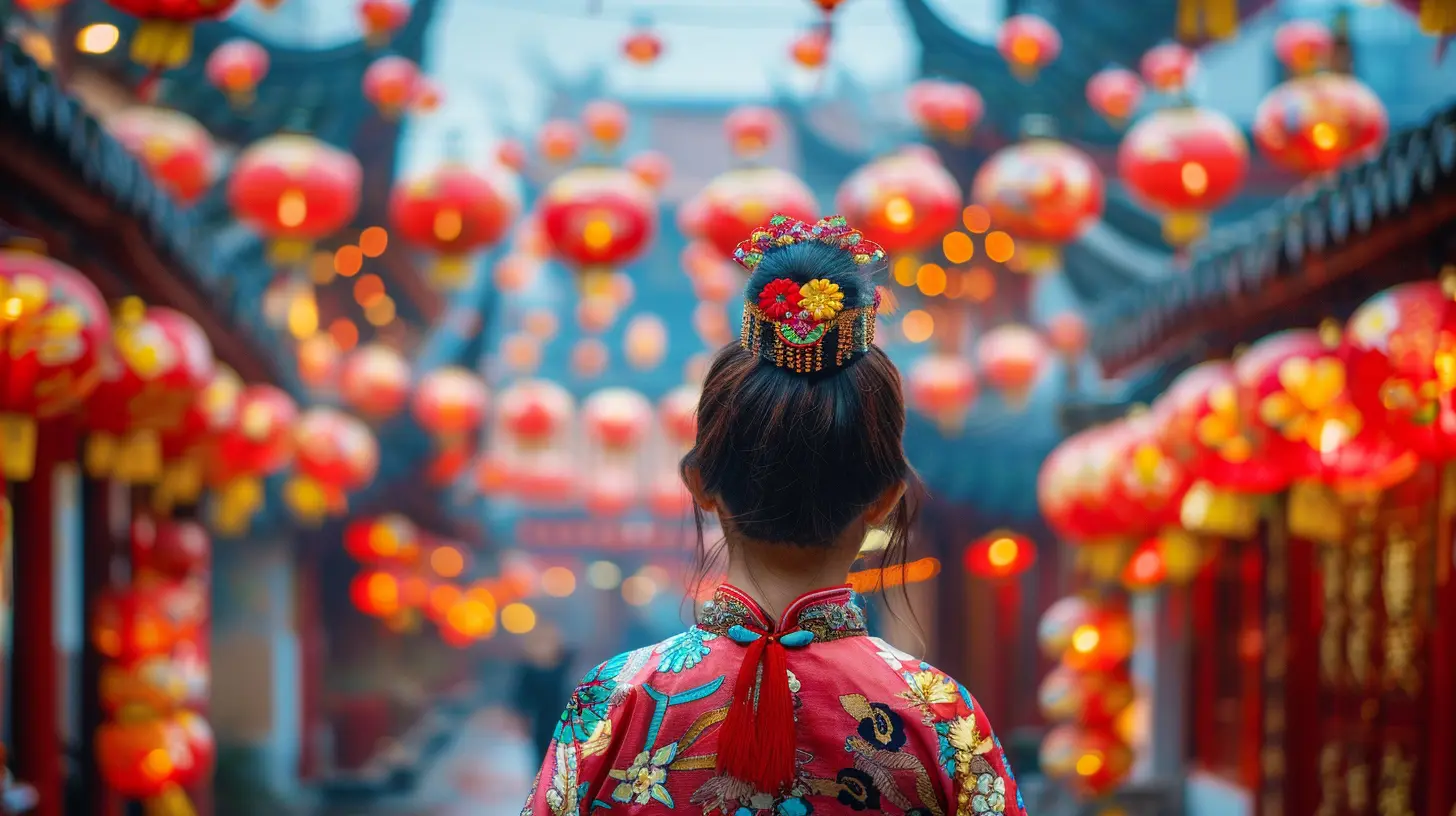
What "In Style" Should Actually Mean
Before naming destinations, it is worth defining the standard. Style in this context is not about five-star lobbies and champagne. It is about three things: access, comfort, and authenticity of experience.Access means being positioned where the celebrations happen without fighting through impenetrable crowds. Comfort means a hotel you are genuinely happy to return to after a long day of walking, with staff who can navigate holiday closures and taxi shortages on your behalf. Authenticity means witnessing traditions as locals practice them, not as they are staged for tourists.
These three goals often pull in different directions. The most spectacular public celebrations, such as Hong Kong's night parade or Singapore's Chingay, are also the most crowded. The most intimate temple rituals are in neighborhoods with limited hotel stock. The skill in planning is choosing the trade-off that suits you. A traveler who values spectacle should accept crowds and pay for a hotel within walking distance of the action. A traveler who values intimacy should accept a quieter base and travel inward to the celebrations. Neither is wrong. What fails is trying to have both without paying for it, whether in money, time, or patience.
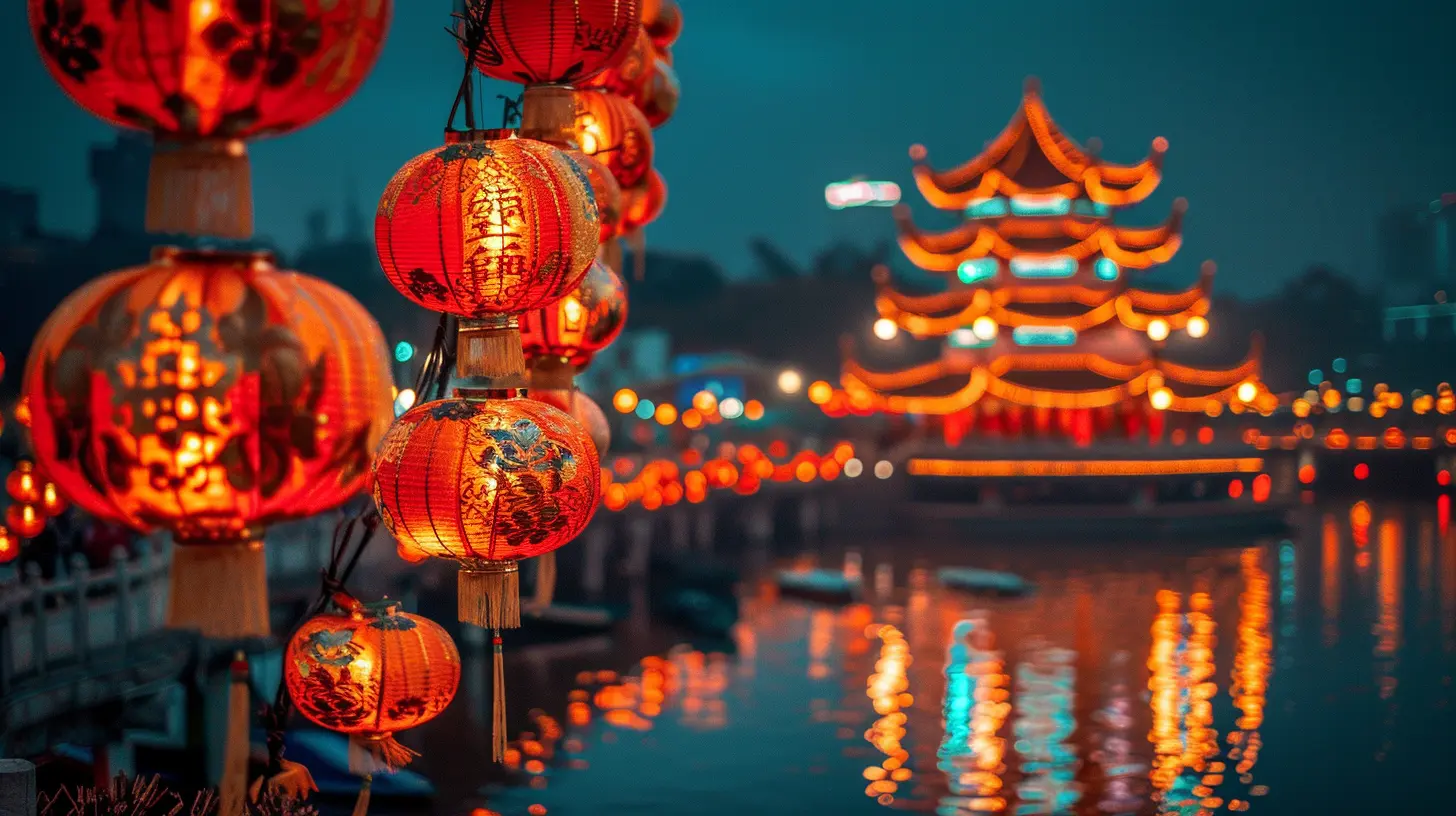
The Strongest Choices for 2027
Hong Kong: The Benchmark for Spectacle and Comfort
Hong Kong remains the most complete Lunar New Year destination for international visitors, and 2027 will likely reinforce that reputation. The city combines a compact geography, a mature hospitality industry, and a public celebration calendar that is unusually well organized for visitors. The signature events typically include a large night parade in Tsim Sha Tsui, extended fireworks over Victoria Harbour, and the city's famous flower markets, which open in the days before the holiday and run through the first day.Why it works: Hong Kong's hotel density means you can stay within walking distance of major events without paying presidential-suite prices, and the transport network keeps functioning through the holiday, unlike in many mainland cities where services thin out. The city's Cantonese traditions, from lion dances outside shops to the giving of red packets, are practiced genuinely rather than performed.
What to consider: Hotel rates spike sharply for the holiday period, sometimes doubling or tripling. The parade route and harbourfront viewing areas become extremely crowded, and the best vantage points require arriving hours early or holding a ticketed seat. If crowds drain you, choose a hotel on Hong Kong Island and use the Star Ferry and MTR strategically rather than planting yourself in Tsim Sha Tsui all evening.
Common mistake: booking a harbour-view room and assuming you can watch fireworks from it. Many rooms have obstructed angles, and the hotel may restrict rooftop or window access. Confirm viewing arrangements in writing before you book.
Singapore: The Most Manageable Big-City Celebration
Singapore's Chinatown transforms for Lunar New Year with a street light-up, market stalls, and a countdown event, and the city's Chingay parade, usually held a few weeks after the holiday, extends the festive season. For travelers who want a polished, walkable celebration with world-class food and no visa friction for most nationalities, Singapore is hard to beat.Why it works: The city is small, safe, and easy to navigate during a period when many other Asian cities become logistically difficult. English is widely spoken, restaurants and attractions largely stay open, and the hotel stock ranges from boutique shophouse stays to full-service luxury. The combination of Chinese, Malay, Indian, and Peranakan traditions gives the holiday a distinctive multicultural texture you will not find elsewhere.
What to consider: Singapore is expensive at the best of times, and holiday pricing in Chinatown-adjacent hotels can be steep. The celebrations are more curated than organic compared with Hong Kong or Taipei. If you want raw street-level tradition, Singapore delivers a polished version of it.
Best practice: stay in the Chinatown or Tanjong Pagar area if the festivities are your priority, and book restaurant reservations for reunion-style dinners well in advance. Many popular Chinese restaurants sell out their holiday menus weeks ahead.
Taipei: Tradition With Room to Breathe
Taipei offers one of the most rewarding balances in Asia: dense traditional celebrations, excellent public transport, moderate prices by regional standards, and a food culture that peaks during the holiday. The city's temples, particularly Longshan and Xingtian, fill with worshippers in the first hours of the new year, and the annual lantern festival season follows shortly after.Why it works: Taipei's celebrations feel lived-in rather than staged. You can watch families make offerings at temples in the morning and eat at a night market in the evening, all within a few metro stops. Hotel rates rise but less dramatically than in Hong Kong or Singapore, and the city's guesthouses and mid-range hotels give budget-conscious travelers genuine style options.
What to consider: Some restaurants and small shops close for several days around the holiday as owners travel to their hometowns, so plan meals around larger establishments and hotel dining. The main lantern festival events are often held outside the city center, requiring a day trip.
Misconception to correct: many visitors assume Taipei is quiet during Lunar New Year. It is not. The city is busy, just in a more local, family-oriented way than the tourist-heavy hubs.
Penang and Kuala Lumpur, Malaysia: The Underrated Option
Malaysia's Peranakan-influenced celebrations, particularly in Penang, offer something increasingly rare: a Lunar New Year experience that is deeply traditional, relatively affordable, and not overrun with international tourists. George Town's heritage shophouses, clan jetties, and temple ceremonies create an atmosphere that feels genuinely distinct from the standard big-city celebration.Why it works: Malaysia's multicultural fabric means the holiday is celebrated by Chinese, and often joined by Malay and Indian neighbors, producing a warm and inclusive street culture. Food is exceptional and cheap. Hotel prices are far gentler than in Singapore or Hong Kong.
What to consider: The celebrations are less concentrated and less publicized than in the major hubs, so you need to research specific events, temple schedules, and neighborhood activities in advance. Some businesses close for extended periods. English is widely spoken, which lowers the planning burden considerably.
When to choose it: if you have already done Hong Kong or Singapore and want a different texture, or if your budget matters and you refuse to compromise on food and atmosphere.
Seoul: A Quieter, More Contemplative Celebration
Seoul's Lunar New Year, called Seollal, is a family-centered holiday rather than a street-festival one. Many residents travel to their ancestral hometowns, leaving parts of the city unusually calm. For travelers who want a sophisticated city break with cultural depth and without crushing crowds, this can be a feature rather than a bug.Why it works: Palaces such as Gyeongbokgung often offer special holiday programs, including traditional performances and free or discounted entry. Hanbok rental and palace visits are especially atmospheric in winter. The city's cafe and design culture continues largely uninterrupted.
What to consider: Some restaurants and shops close for the holiday, and the celebratory energy is more domestic than public. If you want fireworks and parades, Seoul is the wrong choice. If you want a refined, low-friction city experience with genuine cultural programming, it is excellent.
Trade-off to weigh: Seoul in early February is cold. Pack accordingly, and treat the trip as a winter city break rather than a tropical escape.
Mainland China: Maximum Authenticity, Maximum Logistics
For travelers with experience in China and a tolerance for complexity, a mainland city during Spring Festival offers the most authentic version of the holiday anywhere. Beijing's temple fairs, Shanghai's Yu Garden lantern displays, and regional celebrations in places like Xi'an or Chengdu are extraordinary.Why it works: this is where the traditions originated and where they are practiced at full scale. The energy is unmatched.
What to consider: chunyun makes domestic transport chaotic, many small businesses close, and the holiday period is the single busiest travel window in the world. Prices rise, and English-language support thins out. Visas and entry requirements should be confirmed well in advance, as policies change.
Best practice: choose one city, book a central hotel with a reliable concierge, and do not attempt multi-city itineraries during the peak travel days. If you want to combine cities, schedule movement for the days after the main holiday window.
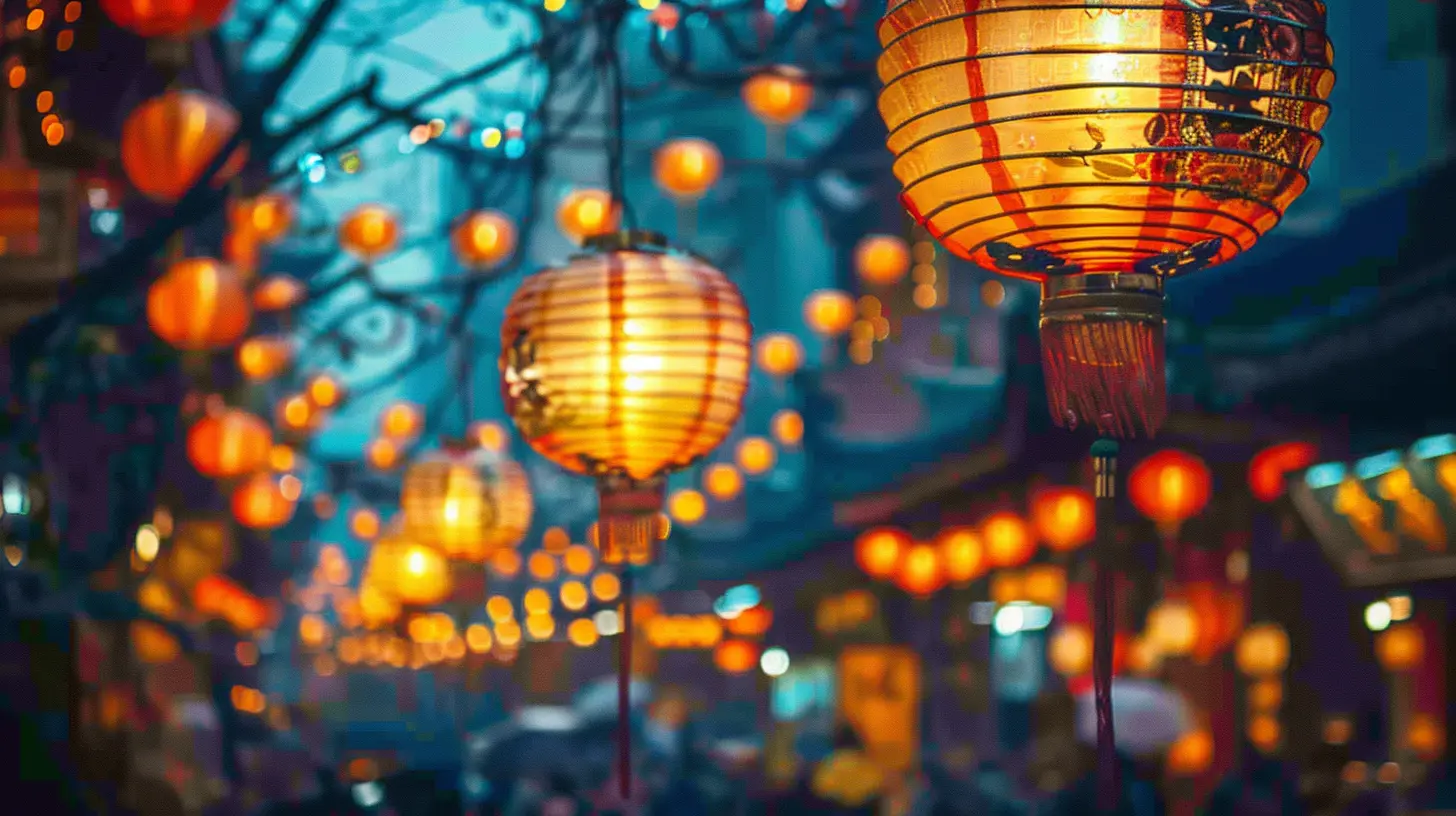
How to Choose Between These Destinations
A simple decision framework helps. If spectacle and international ease are your priorities, choose Hong Kong. If you want a polished, safe, food-driven celebration with minimal friction, choose Singapore. If you want tradition with breathing room and better value, choose Taipei. If you want something less traveled and deeply atmospheric, choose Penang. If you want a refined winter city break, choose Seoul. If you are an experienced China traveler chasing the real thing, choose a mainland city.There is no universal best answer, and anyone who tells you otherwise is selling something. The right choice depends on your tolerance for crowds, your budget, your appetite for planning complexity, and whether you want the holiday to be the centerpiece of the trip or the backdrop to a broader city visit.
Practical Advice That Saves Trips
Book accommodation with free cancellation as early as possible, then refine. Confirm holiday opening hours directly with restaurants and attractions, because published hours are often wrong during the festival period. Carry cash in destinations where small vendors may not accept cards during busy periods. Learn the local greeting and the etiquette around red packets, which are given to children, employees, and unmarried juniors, not casually to peers. Avoid scheduling tight connections during the peak travel days. And build one rest day into every three days of activity, because Lunar New Year celebrations are long, loud, and physically demanding.One more point worth stating plainly: many businesses in Chinese-majority cities close for several days, and the closures vary by neighborhood. A hotel concierge who knows which restaurants are open is worth more than any guidebook. Choose hotels with strong concierge service, and use them.
Final Thoughts
Lunar New Year in 2027 rewards travelers who plan with intention. The date is fixed, the demand is predictable, and the difference between a memorable trip and a stressful one comes down to a handful of decisions made months in advance. Pick the destination that matches your temperament, book early, confirm the details that matter, and leave room for the unexpected. The holiday is, at its heart, about renewal and gathering. The best celebrations are the ones you can actually enjoy, not the ones you merely survive.
all images in this post were generated using AI tools
Category:
Festivals And EventsAuthor:

Shane Monroe
Discussion
rate this article
1 comments
Patience Reed
Lunar New Year in 2027 offers vibrant celebrations globally. Explore the colorful festivities in cities like San Francisco, Singapore, and Sydney, where traditional parades, street food, and cultural performances create unforgettable experiences for all ages.
October 25, 2026 at 3:50 AM