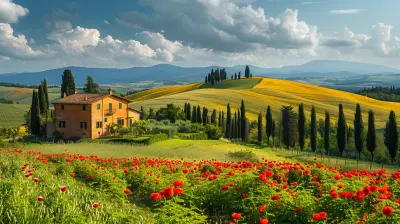
Why Cultural Landmarks Will Be the Heart of Travel in 2027
3 May 2026
Let's be honest for a second. Have you scrolled through your social feed lately and felt like every photo looks the same? Another infinity pool in Bali. Another drone shot of a crowded beach. Another influencer posing in front of a generic hotel lobby. Travel, for a while, has felt a bit like a copy-paste job. But something is shifting. I'm not talking about a trend that will fade by next season. I'm talking about a deep, gut-level change in why we pack our bags.
By 2027, I believe we'll stop chasing the shiny, surface-level stuff. Instead, we'll be hungry for something that sticks. We'll want stories that don't fit in a 15-second reel. We'll want places that have weathered centuries, not just a few years of Instagram fame. That's why cultural landmarks-the old stones, the sacred temples, the ancient squares-will become the absolute heart of travel. Not as a side trip, but as the main reason for the journey.
Think about it like this. A popular beach is like a pop song. It's catchy. It feels good for a minute. But a cultural landmark? That's a symphony. It has layers, complexity, and a history that rewrites itself every time you listen. In 2027, travelers will be tired of the pop song. They'll want the symphony.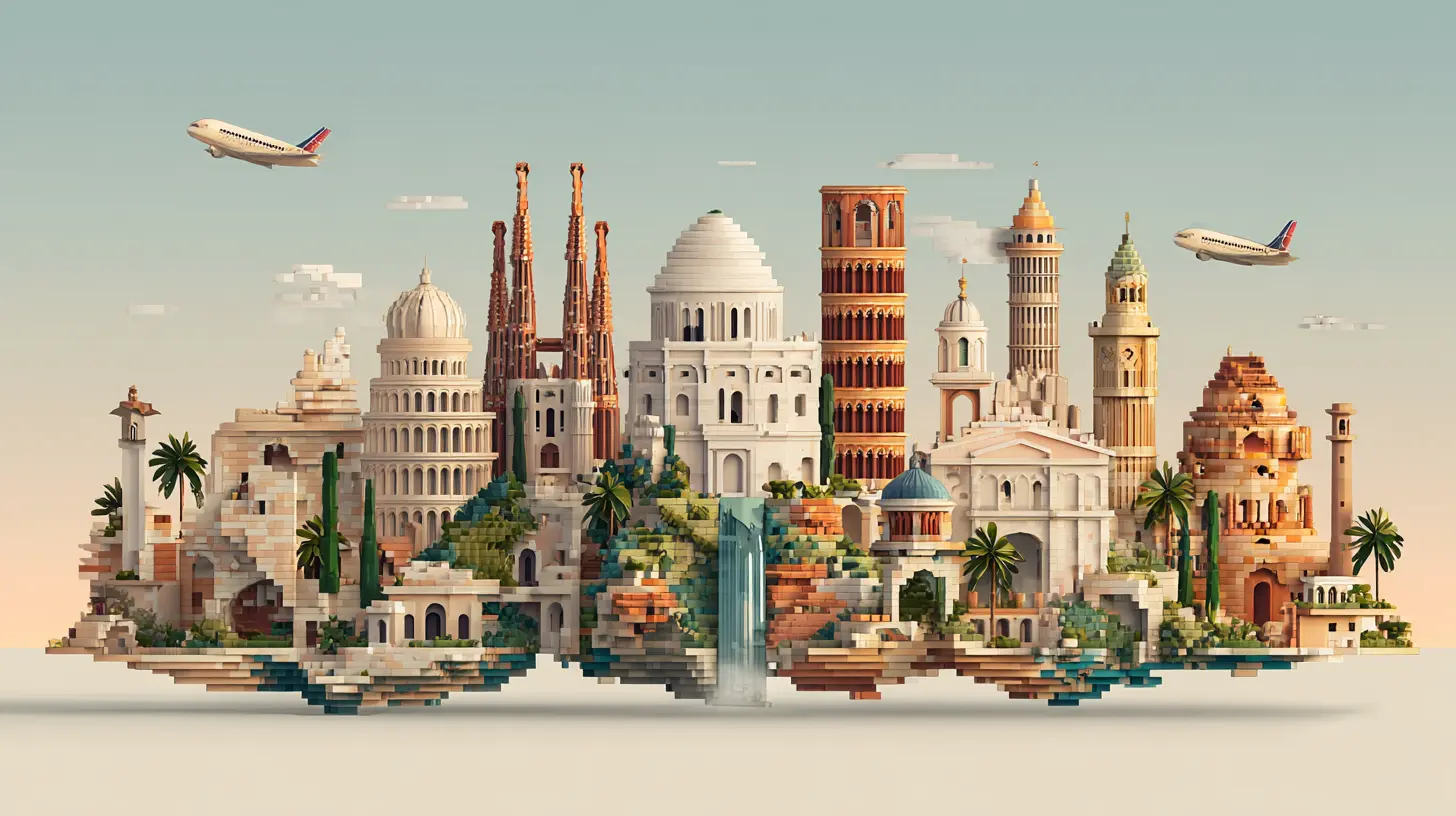
The Great Digital Detox: Why We're Craving Something Real
Let's face it: we are swimming in digital noise. By 2027, the average person will have spent over a decade staring at a screen. The burnout is real. The constant notifications, the algorithm-driven feeds, the pressure to perform happiness-it's exhausting. So, what's the natural escape? It's not another resort with a good Wi-Fi signal. It's a place where the Wi-Fi is weak, but the story is strong.Cultural landmarks offer a kind of therapy that no app can provide. When you stand inside the Colosseum in Rome, you aren't just looking at a ruin. You're standing where gladiators once fought for their lives. You're touching stones that have seen empires rise and fall. That's a gut punch of reality. It pulls you out of your own head and drops you into a bigger narrative.
In 2027, travelers will prioritize these experiences because they are the ultimate antidote to the digital world. They force you to be present. You can't multitask your way through the Alhambra. You have to feel the cool marble, smell the old wood, and listen to the echo of your own footsteps. It's a full-body reset. And honestly, after years of staring at a glowing rectangle, your brain is going to crave that reset more than a fancy cocktail by the pool.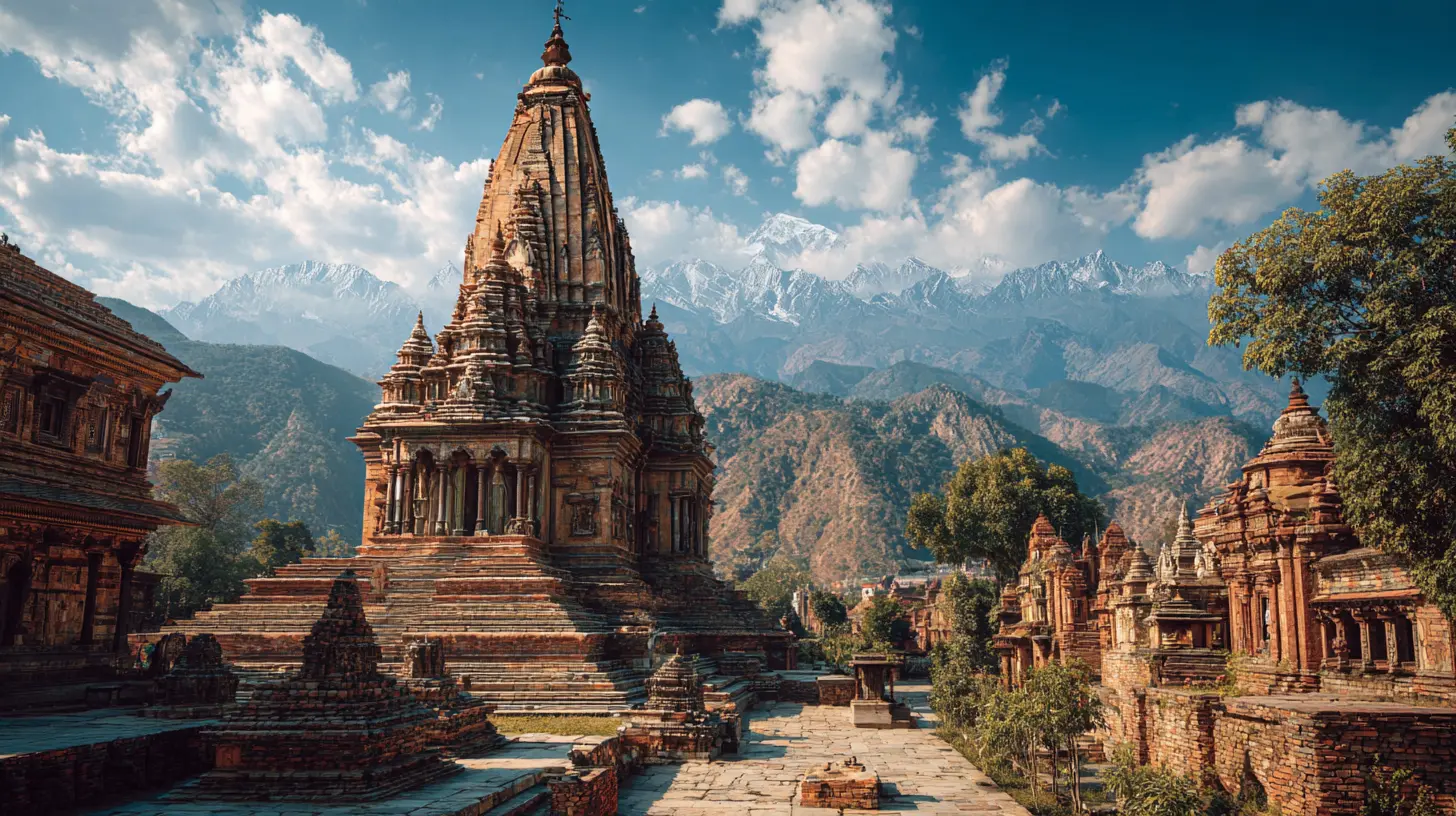
The Shift from "What's New" to "What's Timeless"
For the last decade, the travel industry has been obsessed with novelty. The newest hotel. The hottest restaurant. The undiscovered village that's about to blow up. That game is getting old. It's exhausting to keep up. By 2027, the smart traveler will realize that the most valuable thing you can bring home isn't a souvenir-it's perspective.And where do you get perspective? From something that's been around long before you were born and will be there long after you're gone. Cultural landmarks are the ultimate time machines. They let you see the world through the eyes of someone who lived 500, 1,000, or 2,000 years ago. That's not just interesting. It's humbling.
Imagine walking the Great Wall of China. It's not just a wall. It's a monument to human will, to sacrifice, to the insane ambition of a civilization. When you stand there, your daily problems-the work email, the argument with your partner, the traffic jam-shrink to their proper size. You realize you are a small part of a much, much bigger story. In 2027, that feeling will be worth more than any luxury upgrade. We'll trade a five-star suite for a five-century-old street.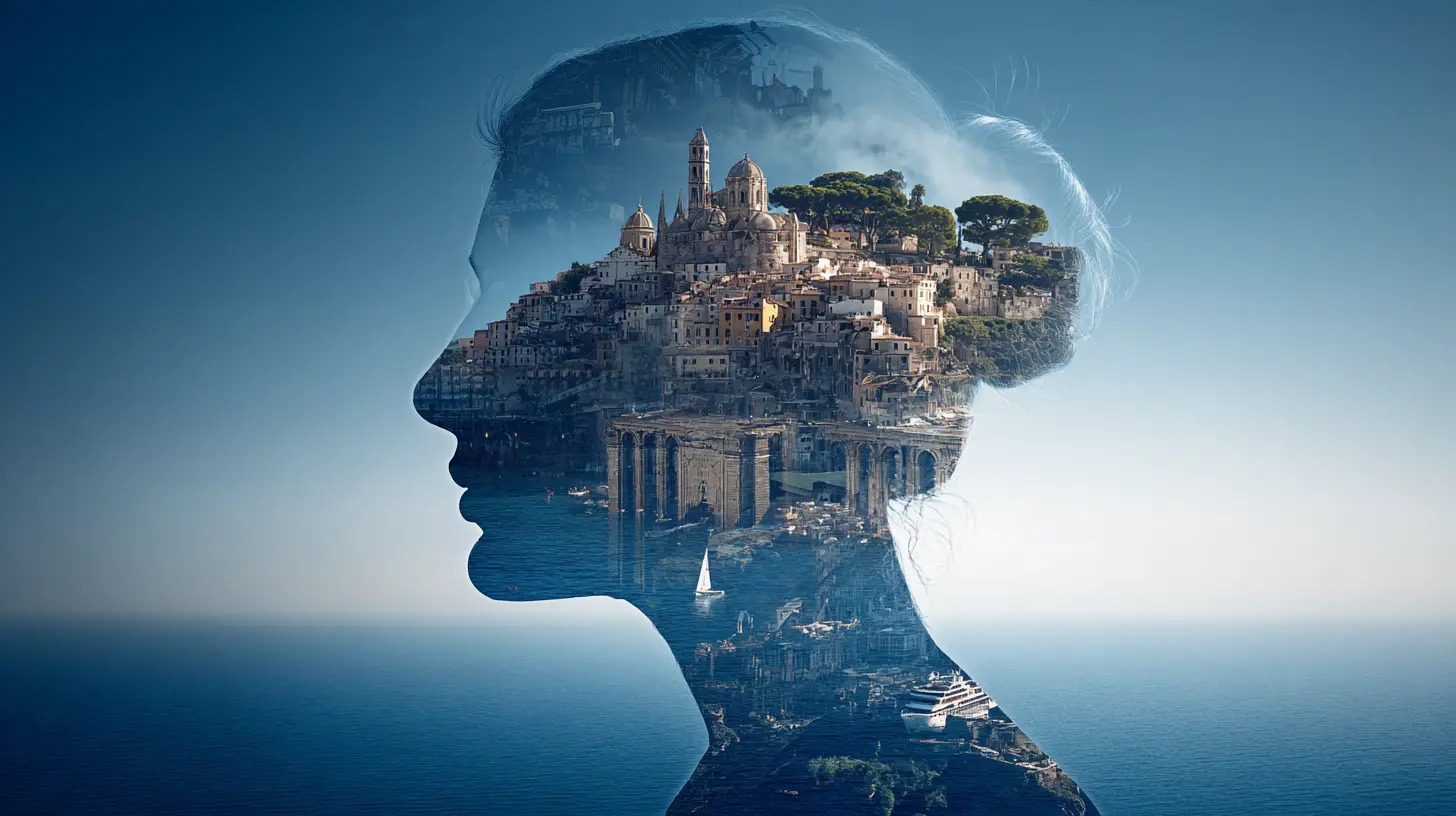
The Authenticity Crisis: Why Fakes Won't Cut It
We've all been burned by the "Instagram vs. Reality" trap. That beautiful cafe that was actually a tiny, overpriced room with bad lighting. That "hidden gem" that was just a tourist trap with a good filter. The travel industry has a serious authenticity problem, and by 2027, travelers will be experts at sniffing out the fake.Cultural landmarks are the one thing you can't fake. You can build a copy of the Eiffel Tower in Las Vegas, but it will never have the weight of the original. You can recreate a Japanese tea ceremony in a hotel lobby, but it's not the same as sitting in a 400-year-old teahouse in Kyoto, where the walls are stained with centuries of incense smoke.
This is where the "real" wins. In 2027, the demand for genuine, unpolished, and historically significant experiences will skyrocket. People will pay a premium to touch the actual stone, to walk the actual path, to breathe the actual air of a place that matters. It's the difference between watching a documentary and living inside it. And once you've lived inside it, there's no going back to the imitation.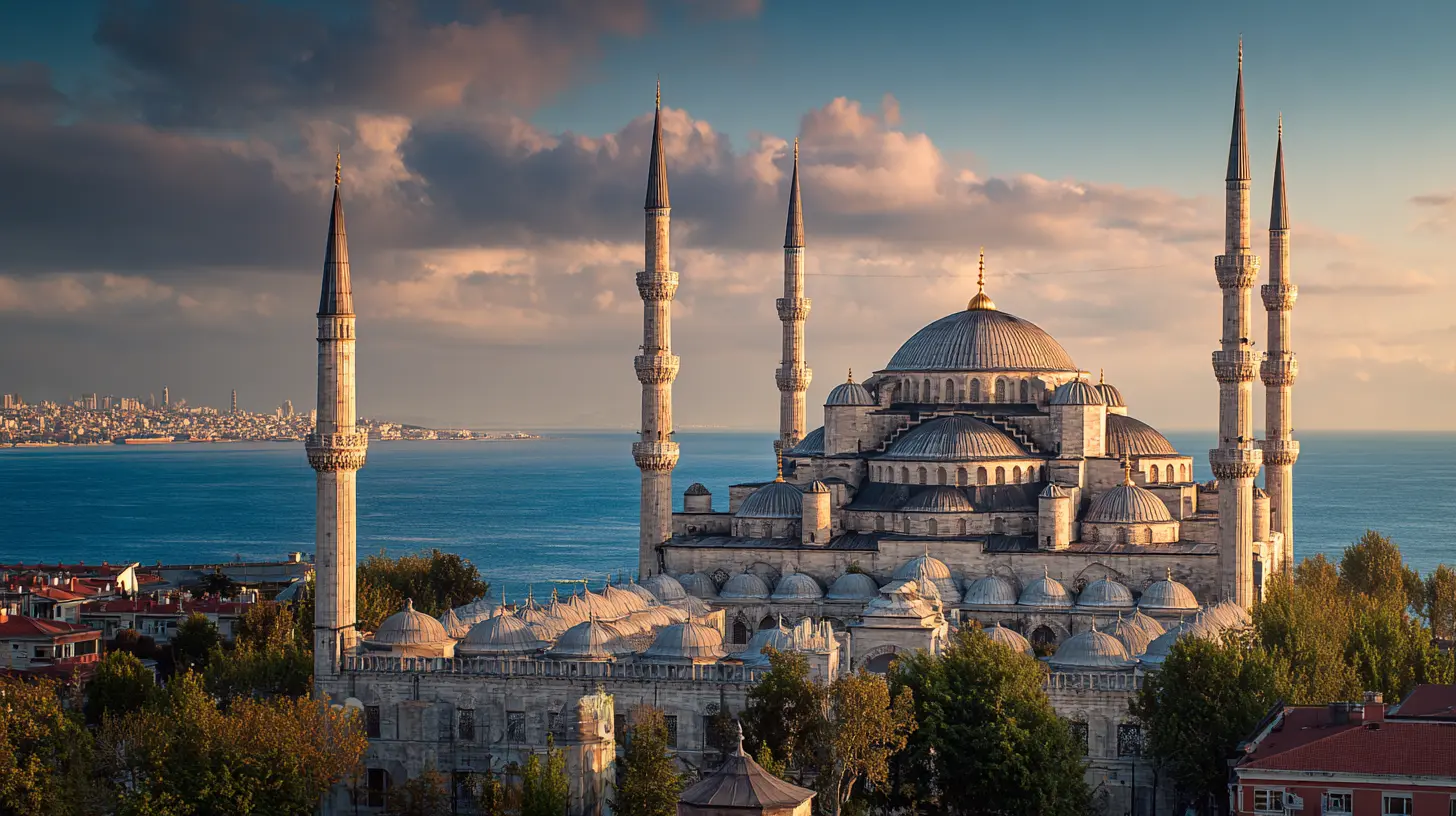
The Rise of Slow Travel and Deep Connection
You know the old way of travel? The "If it's Tuesday, this must be Belgium" approach. Rushing from one landmark to the next, checking boxes, taking a photo, and moving on. That model is dying. In its place, we're seeing the rise of slow travel. And cultural landmarks are the perfect anchors for this new style.Instead of trying to see ten temples in a day, the 2027 traveler will spend an entire afternoon at one. They'll sit on a bench in the plaza of a medieval Spanish town and watch the light change on the cathedral. They'll read a book in the shadow of the Pyramids. They'll have a conversation with the local guide who knows the secret history of the castle.
This isn't laziness. It's depth. It's the difference between knowing a fact and understanding a feeling. A landmark like Machu Picchu isn't something you "do." It's something you absorb. By 2027, our collective travel IQ will be higher. We'll understand that you can't rush a good story. You have to sit with it, let it breathe, and let it change you. That's what cultural landmarks demand. And that's exactly what we'll be looking for.
The Social Media Shift: From Selfies to Stories
Let's talk about the elephant in the room: social media. It's not going away. But how we use it for travel is changing fast. The era of the "perfect selfie" in front of a landmark is fading. Why? Because it's boring. Everyone has the same shot. In 2027, the currency of social media will be storytelling, not posing.Cultural landmarks are a goldmine for stories. You don't just post a picture of the Taj Mahal. You post a video of the sunrise hitting the marble, and you tell the story of the emperor who built it for his lost love. You don't just snap a pic of the Acropolis. You share the history of democracy being born on that very hill.
The content that will thrive in 2027 is the content that teaches, inspires, and connects. It's not about how you look. It's about what you learned. And no backdrop is better for that than a place that has its own voice. A cultural landmark gives you a story to tell that's bigger than yourself. That's the kind of post people will actually stop scrolling for.
The Economic Reality: Smart Money Follows the Meaning
I know what you might be thinking. "This sounds nice, but what about the cost? Won't these places be too crowded or too expensive?" Here's the thing: the market is already shifting. In 2027, the travel industry will realize that cultural tourism isn't just a niche. It's the backbone.Destinations that invest in preserving their landmarks-instead of building yet another generic resort-will see the biggest returns. Travelers are willing to spend more for a meaningful experience. A ticket to Angkor Wat costs a fraction of a night at a luxury hotel, but the value you get from it is ten times greater. That's smart spending.
We're moving away from "bucket list" travel, where you just want to see a thing, to "soul list" travel, where you want to feel a thing. Cultural landmarks are the soul list. They're the places that change your perspective, that make you think, that leave a mark on your heart. In 2027, that's the only kind of mark worth spending money on.
How to Prepare for the 2027 Landmark Travel Boom
So, you're sold. You want to be ahead of the curve. How do you actually make cultural landmarks the heart of your travel in 2027? Here are a few practical, human ways to do it.First, stop planning by "destination" and start planning by "story." Instead of saying "I want to go to Italy," ask "What story do I want to understand?" Maybe it's the story of the Roman Empire. Maybe it's the Renaissance. Maybe it's the history of pasta. Pick a story, and let the landmarks be your chapters.
Second, hire local guides. Not just any guide, but someone who lives and breathes the history. A good guide doesn't just give you dates and names. They tell you the gossip, the scandals, the human moments. They make the stones speak. In 2027, the best travel money you can spend is on a person who can unlock a place for you.
Third, leave room for silence. Don't fill every minute of your trip with a schedule. Cultural landmarks are best experienced when you aren't rushing. Sit on the steps of a cathedral. Watch the locals. Let the place talk to you. You'll be surprised what you hear.
The Final Verdict: Why 2027 Will Be the Year of the Landmark
I'll be blunt. The days of superficial travel are numbered. The pandemic, the digital overload, the climate crisis-all of it has forced us to rethink why we leave our homes. We're no longer looking for escape. We're looking for connection. We're looking for meaning. And nothing delivers meaning like a place that has stood the test of time.Cultural landmarks are not just tourist attractions. They are the memory of humanity. They are the proof that we, as a species, are capable of incredible things. In 2027, when you travel, you won't just be visiting a place. You'll be visiting a version of yourself that is wiser, more patient, and more connected to the world.
So, pack your bags. But leave the filter at home. The best travel of your life is waiting for you in the shadows of old walls, in the quiet of ancient halls, and in the stories that have been waiting for centuries for someone to listen. 2027 is the year we stop looking at the world and start listening to it. And the landmarks? They have the most to say.
all images in this post were generated using AI tools
Category:
Cultural LandmarksAuthor:

Shane Monroe
Discussion
rate this article
2 comments
Fay Smith
This topic is fascinating! Cultural landmarks offer unique insights into history and identity, making travel more meaningful. I can't wait to see how these sites evolve and adapt to the changing travel landscape in 2027. It would be great to explore emerging trends in immersive experiences and community engagement too!
May 8, 2026 at 2:37 AM
Shane Monroe
Thanks for your thoughts! I totally agree. The evolution of cultural landmarks will definitely shape travel experiences in exciting ways. Can't wait to see how these trends unfold!
Kinsley Cooper
Cultural landmarks offer a deeper connection to history and identity, making them essential for meaningful travel experiences in the future.
May 6, 2026 at 4:14 AM
Shane Monroe
I completely agree. Cultural landmarks enrich our understanding of history and help us connect with diverse identities. They are indeed vital for meaningful travel experiences.