Why Travelers Are Choosing Cultural Landmarks in 2027
16 April 2026
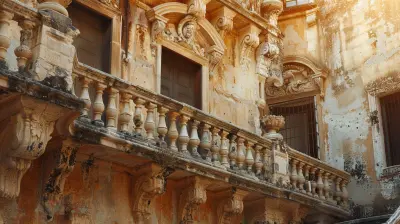
Let’s be brutally honest for a second. The travel scene has been screaming “authenticity” for what feels like a decade, but in 2027, we’ve finally stopped just talking about it. We’re living it. The glossy brochures of infinity pools and generic beach bars are gathering digital dust. Instead, there’s a massive, unapologetic pivot happening. Travelers aren't just visiting places anymore; they’re seeking context. And where do you find the richest, most unfiltered context on the planet? At the feet of our cultural landmarks.
I’m not talking about the old model of the “checklist tourist”—snap a selfie, buy a keychain, bolt to the next spot. That’s dead. The 2027 traveler is a context collector. They’re choosing the Colosseum not just to see old stones, but to feel the echo of a gladiator’s roar in their bones. They’re walking into the halls of the Louvre not to tick off the Mona Lisa, but to have a silent conversation with centuries of human emotion frozen in paint. This isn’t a trend; it’s a full-blown evolution. And the reasons are as deep and complex as the landmarks themselves.
The Digital Detox Paradox: Craving Tangible Truth
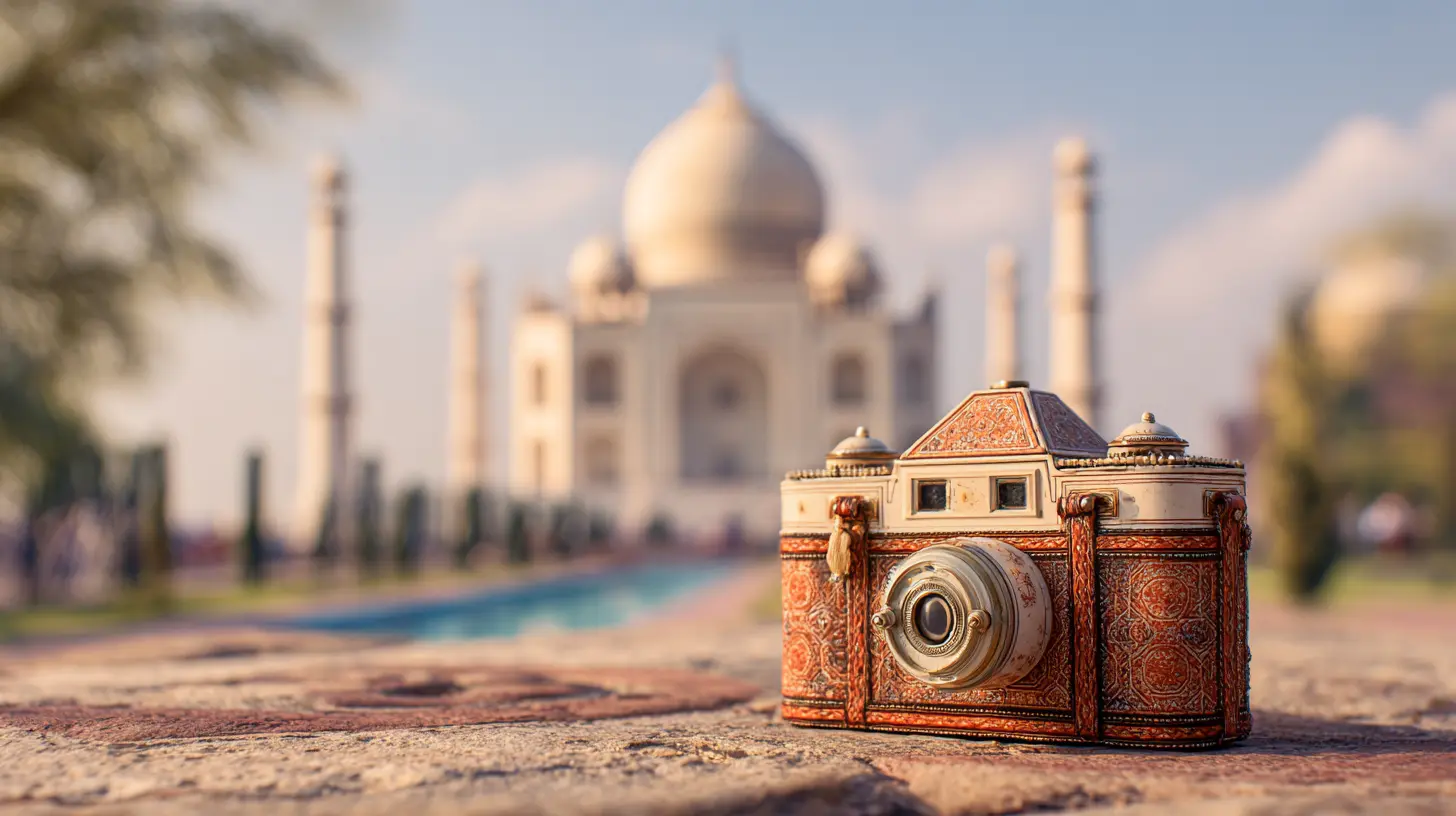
Here’s the beautiful irony of our hyper-connected age: the more time we spend in curated digital metaverses and algorithmically-defined feeds, the more we crave something real. Something with weight, history, and a story that hasn’t been filtered through a corporate lens or an influencer’s aesthetic. Our digital lives are a mile wide and an inch deep. Cultural landmarks are the exact opposite.Think about it. You can take a stunning VR tour of Angkor Wat from your couch. The graphics are incredible. But can you feel the oppressive, sacred humidity press against your skin? Can you smell the damp moss on ancient laterite? Can you share a quiet, awe-struck glance with a stranger from another continent as the sun cracks over the temple spires? Of course not. That’s the magic dust no headset can replicate.
In 2027, we’re using technology smarter. We’re using apps for augmented reality overlays that show us how the Roman Forum functioned, not to replace the experience, but to deepen it. We’re booking smaller, expert-led tours through platforms that connect us directly with local historians, not faceless corporations. The tech is the bridge, but the destination is raw, unmediated reality. We’re trading screen time for story time—and the best stories are etched in stone, hung in galleries, and whispered in sacred spaces.
The Search for Stability in a Shaky World
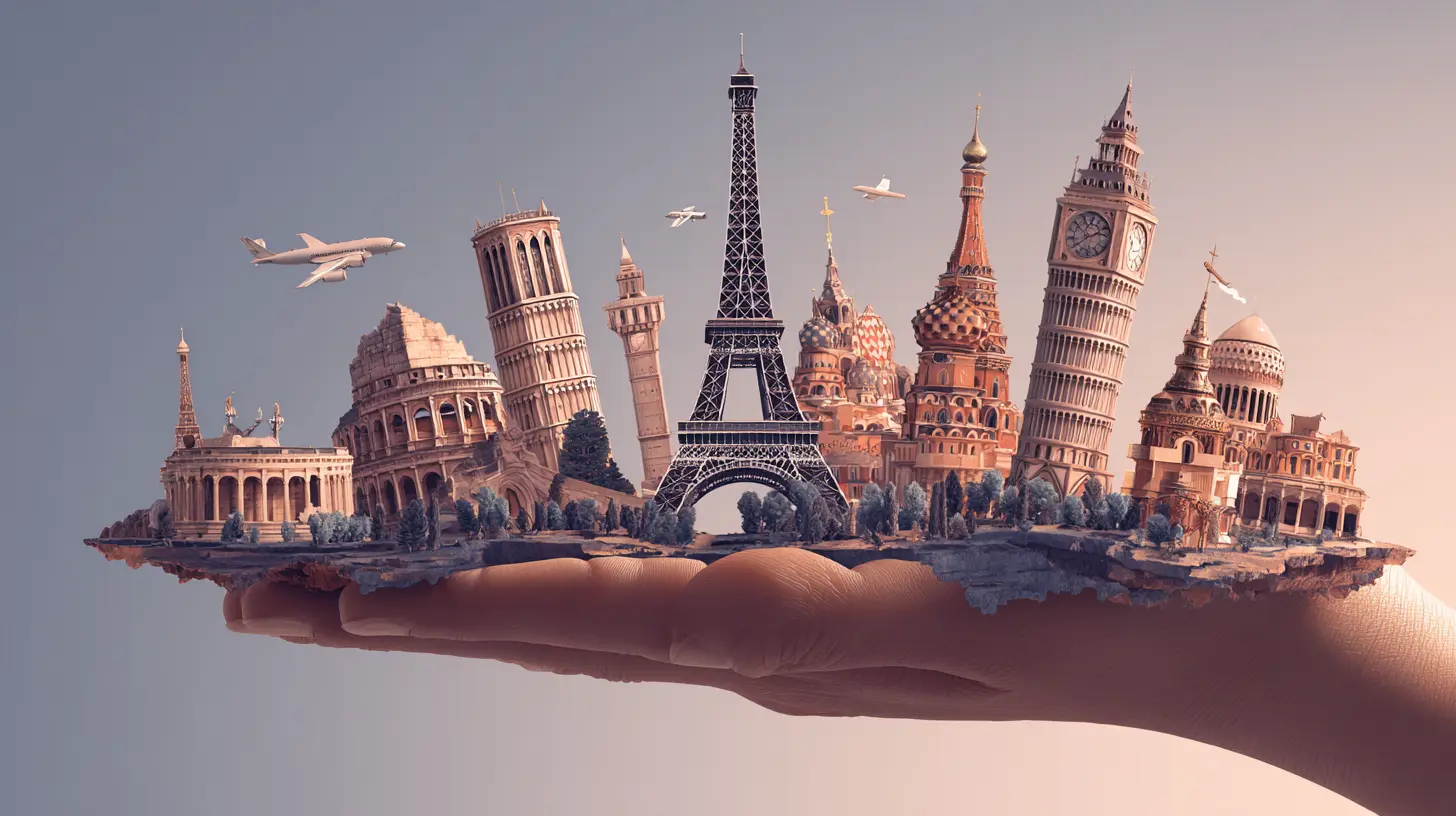
Let’s not ignore the elephant in the room. The news cycle is, frankly, exhausting. Political landscapes shift, economies wobble, and the future can sometimes feel like it’s written in invisible ink. In this environment, cultural landmarks stand as monuments to endurance. They are the ultimate spoilers, whispering, “We’ve seen chaos. We’ve survived empires, wars, and plagues. And we’re still here.”There’s an immense psychological comfort in that. Standing before the Great Wall of China, you’re not just looking at a wall; you’re witnessing a millennia-old statement of human tenacity. Visiting the pyramids of Giza is a direct connection to a civilization that mastered astronomy and engineering while most of the world was still figuring out the wheel. These places are anchors. They provide a profound sense of perspective that’s desperately needed right now. Your personal worries don’t shrink, per se, but they get placed on a timeline of human achievement that makes them feel… manageable. In a transient world, we’re drawn to what’s permanent.
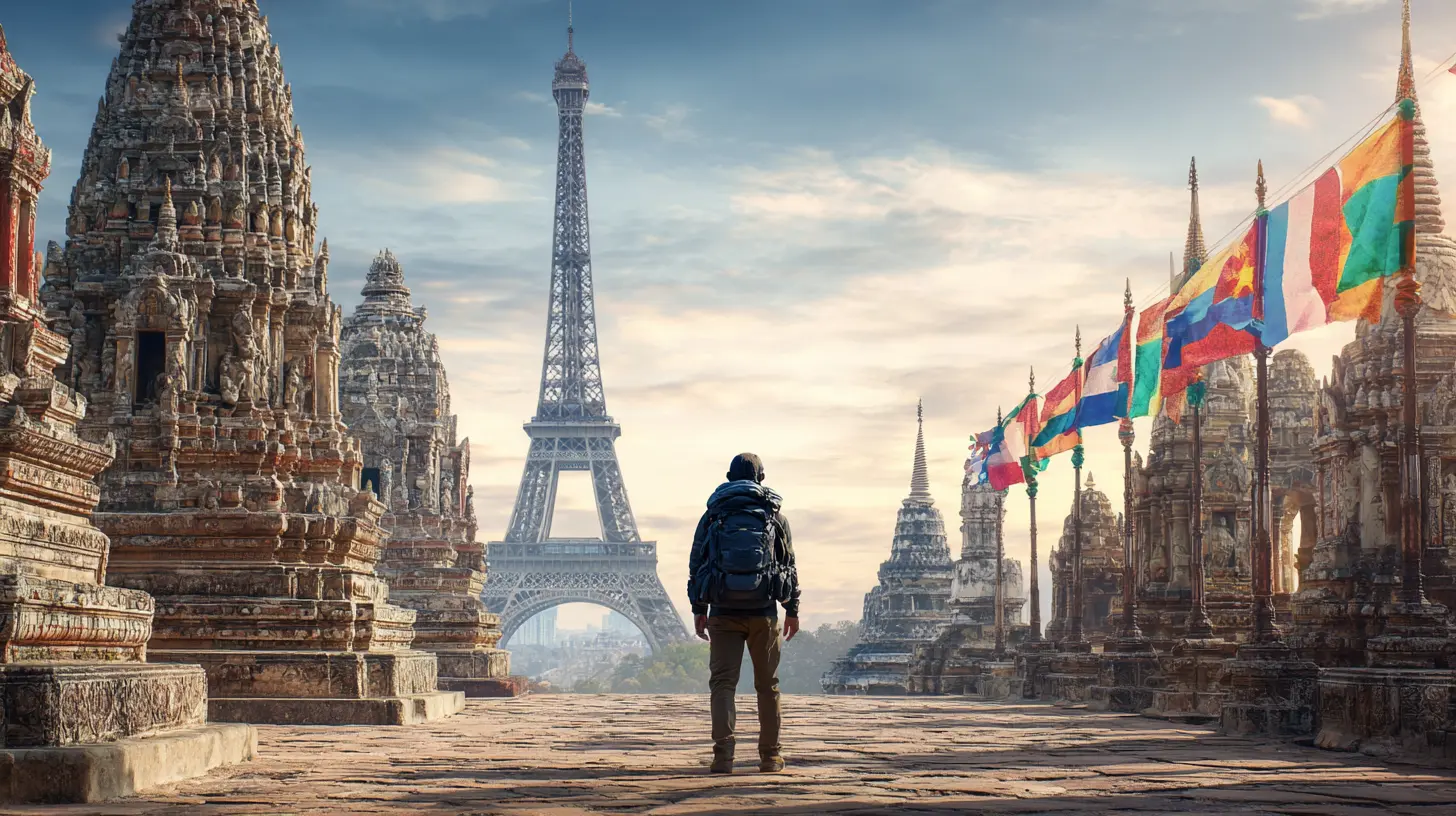
Beyond the ‘Gram: The Rise of Meaningful Metrics
Social media isn’t going away, but its currency has changed. The “like” is being devalued. In its place? The “wow.” The thoughtful comment. The deep-dive story. The photo that makes someone pause their scroll and think, “Tell me more.”The 2027 traveler is curating a feed that reflects depth, not just destinations. It’s less about posing at a place and more about sharing the narrative of the place. A post might detail the heartbreaking story behind a specific sculpture, the engineering miracle that allowed a cathedral to stand for 800 years, or the local myth associated with a mountain temple. The caption is longer. The engagement is richer. People are traveling to gather stories worth telling, not just backdrops worth filtering.
It’s a status symbol of a different kind. It says, “I sought understanding, not just a sunburn.” The cultural landmark, with its layers of history, art, and human struggle, is the perfect catalyst for this new kind of content. It’s inherently share-worthy because it’s thought-worthy.
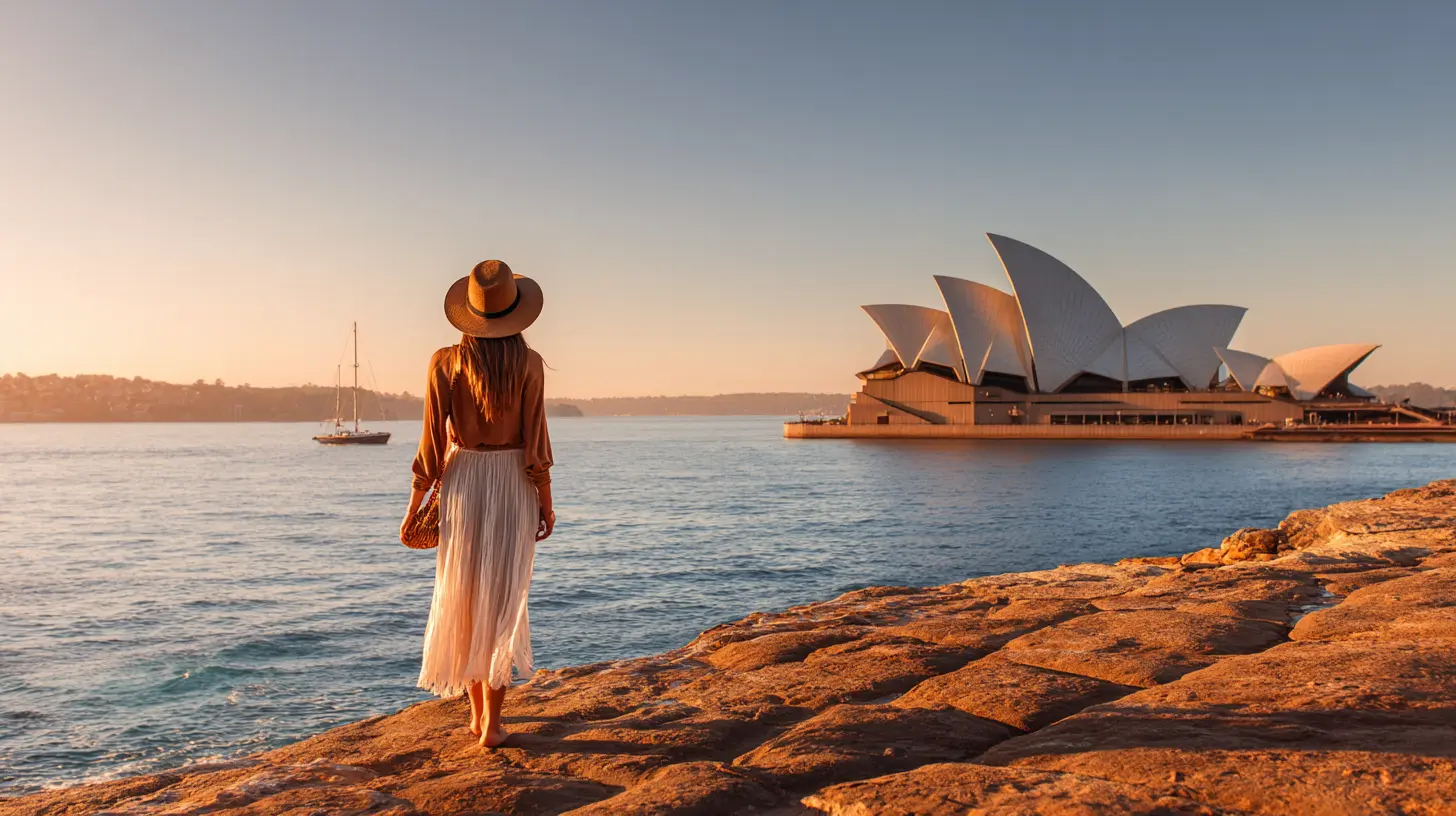
The Rejection of Homogenized Hospitality
We’ve all had that moment in a generic airport or a global hotel chain where you have to blink and remember what city you’re in. That sameness is now a travel repellent. The 2027 traveler is actively fleeing it. They want a trip that tastes, sounds, and feels distinctly of its location. And what is the epicenter of a location’s unique fingerprint? Its cultural heart—its landmarks.This desire shapes the entire itinerary. Travelers are choosing to stay in neighborhoods that orbit these landmarks, in boutique hotels converted from traditional houses or guesthouses run by local families. They’re eating at family-owned trattorias near the Pantheon instead of international franchises. They’re learning a few phrases of the local language not out of obligation, but as a key to unlock deeper interactions.
The landmark becomes the sun, and the entire travel experience planets around it. You visit the ancient tea houses near Kyoto’s Kiyomizu-dera temple. You take a traditional weaving workshop in a village shadowed by Machu Picchu. The landmark isn’t an isolated attraction; it’s the root system from which the entire culture grows. To experience one is to crave understanding of the other.
The Personal Pilgrimage: Travel as Transformation
Finally, and perhaps most powerfully, travel to cultural landmarks in 2027 is deeply personal. It’s a form of self-selected pilgrimage. People aren’t just going to see something; they’re going to become something slightly different on the other side.Maybe it’s an artist traveling to Florence to stand in the exact spot where the Renaissance exploded, hoping for a creative spark. Maybe it’s someone at a crossroads in life walking the Camino de Santiago, using the physical journey to process an internal one. Maybe it’s a history buff finally touching the bullet marks on the walls of the War Remnants Museum in Ho Chi Minh City, making a chapter in a textbook devastatingly real.
These journeys are acts of active learning and emotional engagement. They challenge our worldview, humble us with the scale of human history, and often, connect us to our own humanity in surprising ways. You return not just with photos, but with a shifted axis. The world feels bigger, and yet, more connected. You’ve seen proof of what humans can create, destroy, endure, and beautify. That changes you.
The New Blueprint for 2027 Travel
So, what does this mean for you, planning your next adventure? It means looking past the "Top 10" list and asking better questions. Don’t just ask, “What should I see?” Ask:* “What story does this place tell?”
* “What human triumph or tragedy is etched here?”
* “How can I engage with this place beyond a camera lens?”
Seek out the local guide with a passion for archaeology, not the one with the loudest microphone. Book the small-group workshop that teaches you a traditional craft. Spend three hours in one museum wing instead of three minutes in front of every famous painting.
The world’s cultural landmarks have always been here, holding their stories close. In 2027, we’ve finally learned how to listen. We’re choosing them because, in a noisy, fast, and often virtual world, they offer the one thing we’re truly starving for: a real, resonant, and human connection to time itself. And that, my friends, is the only souvenir that never fades, never gathers dust, and forever alters the landscape of your own mind.
all images in this post were generated using AI tools
Category:
Cultural LandmarksAuthor:

Shane Monroe
Discussion
rate this article
2 comments
Grant Wade
In 2027, travelers increasingly prioritize cultural landmarks for authentic experiences, deeper connections to history, and local customs, reflecting a growing desire for meaningful and immersive travel experiences.
April 28, 2026 at 3:47 PM
Shane Monroe
You're right. Cultural landmarks offer a unique way to connect with history and local traditions, making travel more enriching and memorable.
Patrick Rosales
As we navigate 2027, the trend towards cultural landmarks reflects a deepening appreciation for heritage and community. Travelers seek authentic experiences that connect them with local history and traditions, fostering a sense of belonging. This shift not only enriches personal journeys but also supports sustainable tourism and cultural preservation efforts.
April 20, 2026 at 4:30 PM
Shane Monroe
Absolutely, the growing focus on cultural landmarks highlights a vital shift in travel priorities. It's about more than just seeing new places; it's about meaningful connections and supporting local communities.