Record Seaweed Levels Are Hitting Caribbean Beaches
June 5, 2026 - 15:38

Sargassum seaweed is piling up on beaches across the Caribbean in record-breaking amounts this summer, creating a foul-smelling crisis for local tourism and marine life. New data released Monday by the University of South Florida reveals that the volume of the brown algae in the region has hit an all-time high, surpassing previous records set just last year.
The massive bloom, which stretches for miles across the Atlantic, is driven by a combination of nutrient runoff from agriculture and unusually warm ocean temperatures. As the seaweed washes ashore, it rots quickly, releasing hydrogen sulfide gas that smells like rotten eggs. This has forced several popular resort destinations to close sections of their beaches or deploy heavy machinery to clear the sand.
Local officials are scrambling to manage the influx, which threatens the peak summer travel season. Environmental groups warn that the thick mats of sargassum can also smother coral reefs and sea turtle nesting sites. While the seaweed is a natural part of the ocean ecosystem, scientists say these extreme blooms are becoming more frequent and intense, likely linked to climate change and deforestation along major river basins. For now, residents and visitors alike are left dealing with the stench and the sight of brown waves rolling in.
MORE NEWS

November 5, 2026 - 09:28
Development Plans for Waterfront Attractions in Western ProvincePlans are underway to transform the waterfront environment, including the Hamilton Canal and Negombo Lagoon, into a major tourist attraction. The project aims to create a nature-focused and...

November 4, 2026 - 06:54
Reviving Cultural Tourism After the PandemicThe COVID-19 pandemic has halted cultural tourism, leading to a staggering 74% drop in international arrivals during 2020. This significant decline has had a profound impact on communities and...

November 3, 2026 - 20:36
New Zealand Tourism Faces Challenges from Climate ChangeTourism leaders are grappling with the future of their industry as the impacts and disruptions of climate change become more widely felt. Rising sea levels, increased frequency of extreme weather...
November 3, 2026 - 04:23
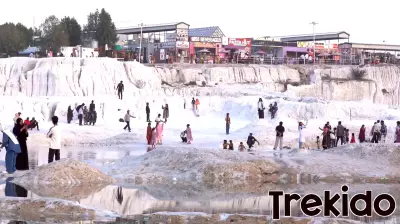
Toxic Marble Waste Site Draws Crowds in Rajasthan Despite Health ConcernsA massive dump site of marble slurry in Rajasthan has become an unlikely tourist attraction, drawing hundreds of visitors daily to what locals now call a `snow yard.` The vast white expanse,...