A Journey Through Japan’s Tea Ceremony Traditions
9 July 2026
Japan’s tea ceremony is more than just a way to enjoy tea—it’s an art, a philosophy, and a window into centuries of tradition. Rooted in mindfulness and hospitality, this beautiful ritual blends aesthetics, harmony, and respect. Whether you're a tea enthusiast or just curious about Japanese culture, diving into the world of tea ceremonies is like stepping back in time. Let’s take a journey through this fascinating practice.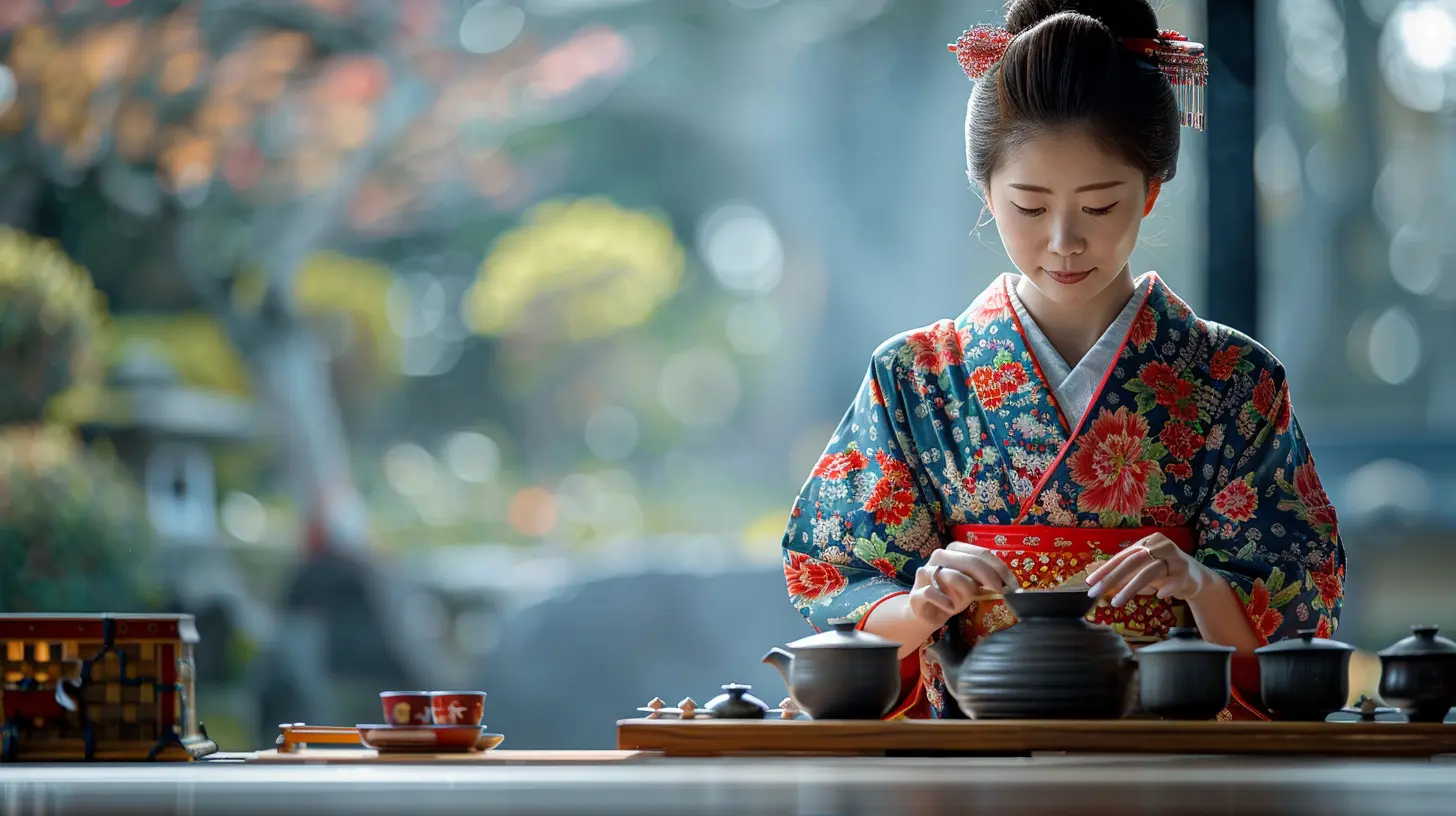
The Origins of the Japanese Tea Ceremony
The Japanese tea ceremony, known as "chanoyu" or "sado", dates back to the 9th century when Buddhist monks brought tea from China. However, it wasn’t until the 15th and 16th centuries that the tea ceremony truly took shape, thanks to Sen no Rikyū, a tea master who laid the foundation for the ceremony as we know it today.Rikyū emphasized simplicity, humility, and the idea that tea drinking should be a spiritual and meditative experience rather than just a social gathering. His influence still echoes in Japan’s tea culture today.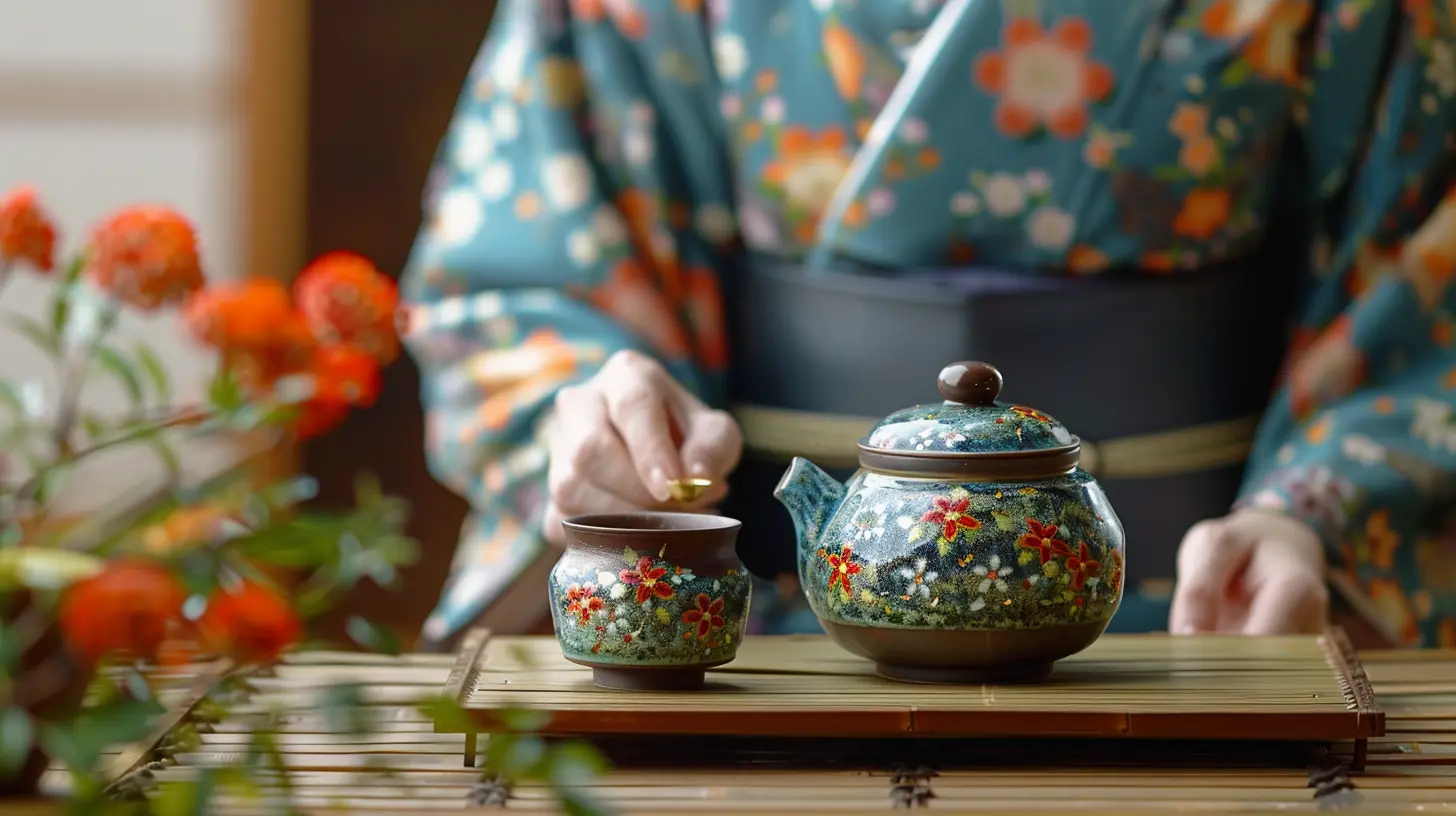
The Philosophy Behind the Tea Ceremony
At its core, the tea ceremony follows the principles of “Wabi-Sabi”, a Japanese aesthetic that values imperfection, simplicity, and transience. It also embraces the philosophy of Ichigo Ichie, which means “one time, one meeting”—reminding participants to cherish each moment as if it were the only one.Every gesture in the ceremony is intentional, designed to foster mindfulness and a connection between the host and guest. It's not just about drinking tea—it's a moment of shared presence and appreciation.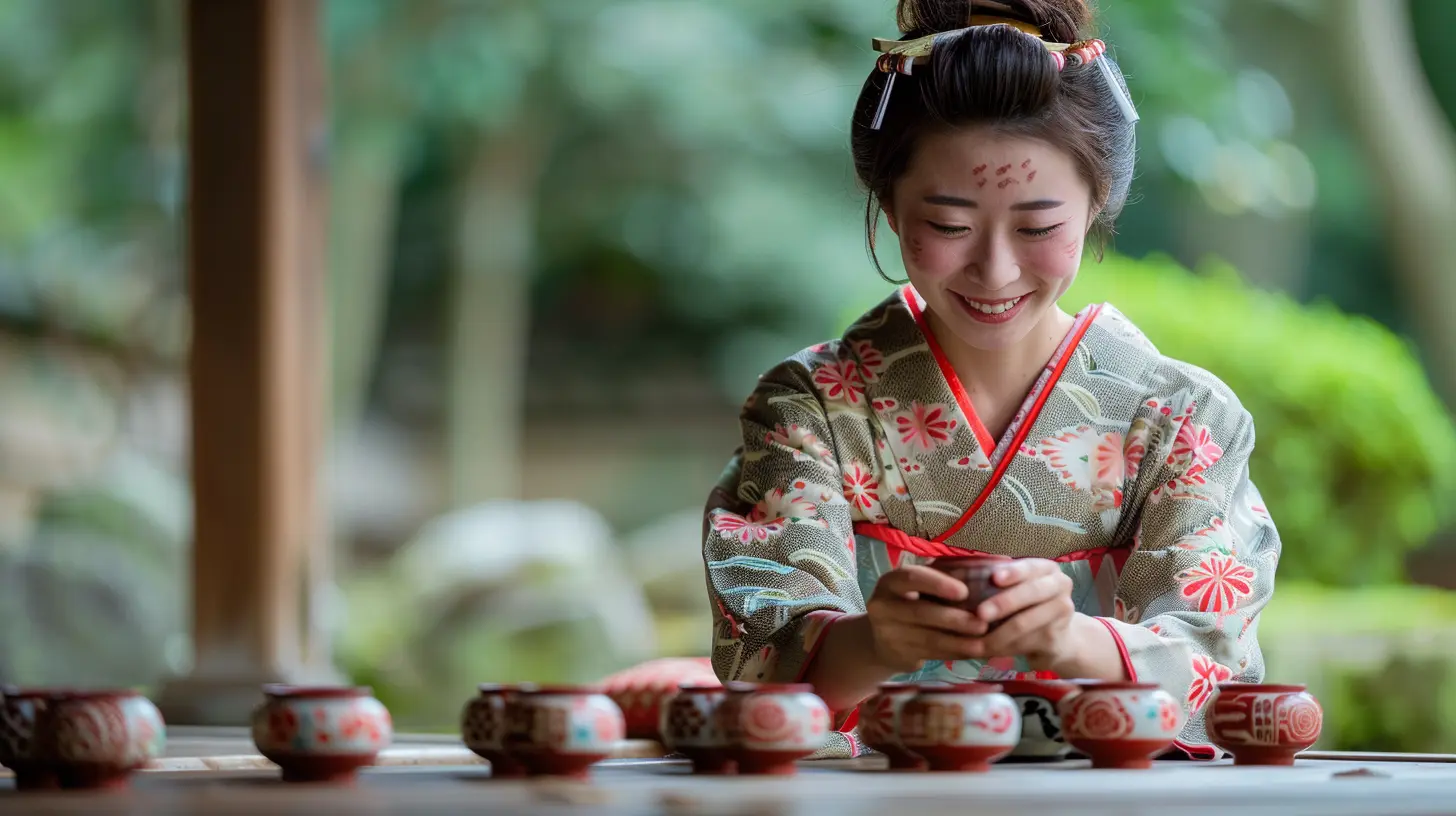
The Different Types of Tea Ceremonies
Not all tea ceremonies are the same. The style varies depending on the season, time of day, formality, and purpose. Here are some of the main types:1. Chaji (Formal Tea Gathering)
A full-length tea ceremony that can last several hours. It includes multiple courses of food, thin and thick tea, and meticulous rituals.2. Chakai (Informal Tea Gathering)
A shorter, more casual version where guests enjoy sweets and matcha without the elaborate meal.3. Ro Tea Ceremony (Winter Ceremony)
Held indoors around a sunken hearth to provide warmth, offering a cozy, intimate atmosphere.4. Furo Tea Ceremony (Summer Ceremony)
Performed using a portable brazier, creating a lighter and cooler setting to counter the summer heat.Each of these ceremonies reflects seasonal awareness, an essential element in Japanese culture.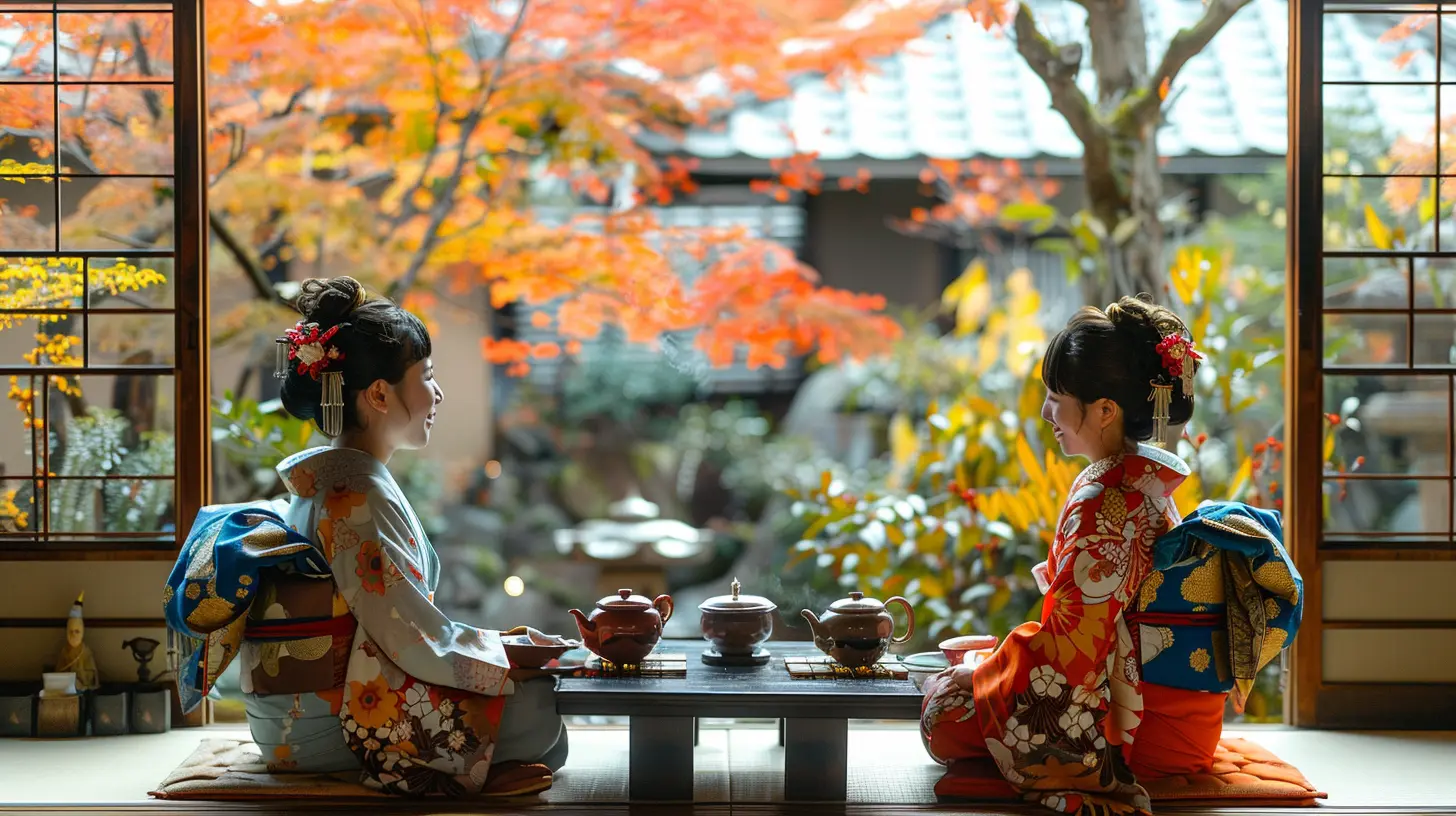
The Role of the Tea Master
The tea master, or teishu, plays a crucial role in the ceremony. Every motion, from preparing the tea to serving it, is conducted with precision. A well-trained tea master spends years mastering every detail—how to whisk the tea, arrange utensils, and even walk around the room.Their goal? To create a perfect, mindful experience for guests. It's almost like a choreographed dance, where every move has deep meaning.
The Tools of the Ceremony
The beauty of a tea ceremony lies not only in its rituals but also in its elegant utensils. Each piece is carefully chosen based on the occasion, season, and aesthetic preferences.1. Chawan (Tea Bowl)
A handcrafted bowl where matcha is whisked. Each season calls for a different type—deeper bowls for winter to retain heat, shallower ones for summer to cool the tea faster.2. Chasen (Bamboo Whisk)
A delicate, handcrafted whisk made from a single piece of bamboo that’s used to mix powdered matcha with hot water.3. Chashaku (Tea Scoop)
A traditional scoop made from bamboo that measures the perfect amount of matcha powder.4. Natsume (Tea Caddy)
A small, lacquered container that holds the powdered matcha before it's whisked into tea.Each of these tools is handled with respect, following rituals passed down for centuries.
The Tea Preparation Process
So, how does a traditional tea ceremony actually unfold? While there are different variations, the process generally follows these key steps:1. The Arrival and Bowing
Guests take their seats in a serene tearoom, often adorned with a single flower arrangement or scroll reflecting the season. They bow to show respect before the ceremony begins.2. Ritual Purification
Guests rinse their hands and mouths with water at the entrance, symbolizing the purification of the body and mind.3. Serving Wagashi (Traditional Sweets)
Before drinking tea, guests enjoy wagashi, delicate sweets that balance the bitterness of matcha.4. Preparing and Serving the Matcha
The tea master carefully measures matcha, adds hot water, and whisking it to a smooth froth. The first guest receives the bowl, bows, rotates it slightly, takes a sip, and then wipes the rim before passing it along.5. Closing the Ceremony
Once everyone has had their tea, the host cleans the utensils with graceful, deliberate movements, signaling the end of the gathering.The entire experience is slow, deliberate, and meditative—a true escape from the rush of daily life.
The Spiritual and Cultural Impact
The tea ceremony isn’t just about drinking tea; it’s a meditative practice that promotes mindfulness, patience, and an appreciation for simplicity. It embodies the essence of Japanese culture—harmony, respect, purity, and tranquility.Even today, many Japanese people attend tea lessons to experience this sacred tradition. Some even incorporate elements of the ceremony into daily life, using it as a way to slow down and reconnect with themselves.
How You Can Experience a Tea Ceremony in Japan
Want to witness a traditional tea ceremony firsthand? Japan offers countless opportunities to immerse yourself in this timeless ritual. Here are some of the best places to experience it:1. Kyoto – The Heart of Japan’s Tea Culture
Kyoto is home to some of the most authentic tea houses. The Urasenke and Omotesenke schools of tea ceremony are based here, offering rich, immersive experiences.2. Tokyo – Modern Meets Tradition
Tokyo blends modernity with tradition, featuring tea houses like Happo-en, where visitors can enjoy matcha in stunning gardens.3. Kanazawa – Historic Samurai District
Kanazawa’s Nomura Samurai House and tea rooms allow you to experience tea culture in a more intimate, historical setting.Wherever you go, stepping into a tea ceremony is like stepping into another world—one where time slows down, and every sip carries centuries of wisdom.
Final Thoughts
Japan’s tea ceremony is a living art, a mindful experience that connects past and present. It’s not just about drinking matcha—it’s about embracing simplicity, finding beauty in small moments, and appreciating the warmth of human connection.If you ever find yourself in Japan, don’t just settle for a cup of tea—immerse yourself in a tea ceremony. It’ll be an experience you’ll never forget.
all images in this post were generated using AI tools
Category:
Cultural ToursAuthor:

Shane Monroe
Discussion
rate this article
1 comments
Zayn Frank
Japan's tea ceremony: where sipping hot water becomes an art form. Who knew a simple cup of tea could involve more grace than a ballet dancer on a tightrope? Next time I brew tea, I'll definitely consider a kimono... or at least a nice robe!
August 13, 2026 at 4:00 AM
Shane Monroe
I'm glad you enjoyed the article! The tea ceremony truly elevates the experience. A kimono or even a nice robe adds a special touch to your tea time. Happy brewing!