Revisiting the Samurai Legacy in Japan’s Cultural Heartlands
9 March 2026
When you think of Japan, what comes to mind? Is it the vivid imagery of cherry blossoms, futuristic neon-lit cities, or perhaps the exotic taste of sushi and matcha tea? While these are undeniable symbols of Japanese culture, let’s not forget the quietly profound legacy of the samurai. These legendary warriors weren’t just the sword-wielding heroes of Edo-period Japan—they were a reflection of discipline, honor, and loyalty that still resonates today. Ready to dust off the pages of history and dive into the world of samurai? Let’s take an exciting trip to Japan’s cultural heartlands to explore their enduring influence.
Who Were the Samurai?
Okay, first things first—who exactly were the samurai? Picture a highly skilled warrior, clad in armor, wielding a katana, and bound by an unshakable code known as Bushido (the “Way of the Warrior”). The samurai weren’t your average fighters; they were part of a noble class that dominated Japanese society during the feudal era, roughly between the 12th and 19th centuries.But here’s the twist: their role wasn’t limited to battles or skirmishes. Samurai were also scholars, poets, and philosophers. They existed at this intriguing intersection of brute force and refined intellect, like a sharp blade wrapped in silk. Sounds cool, right? The samurai’s influence seeped into art, literature, religion, and even modern concepts of discipline and self-control.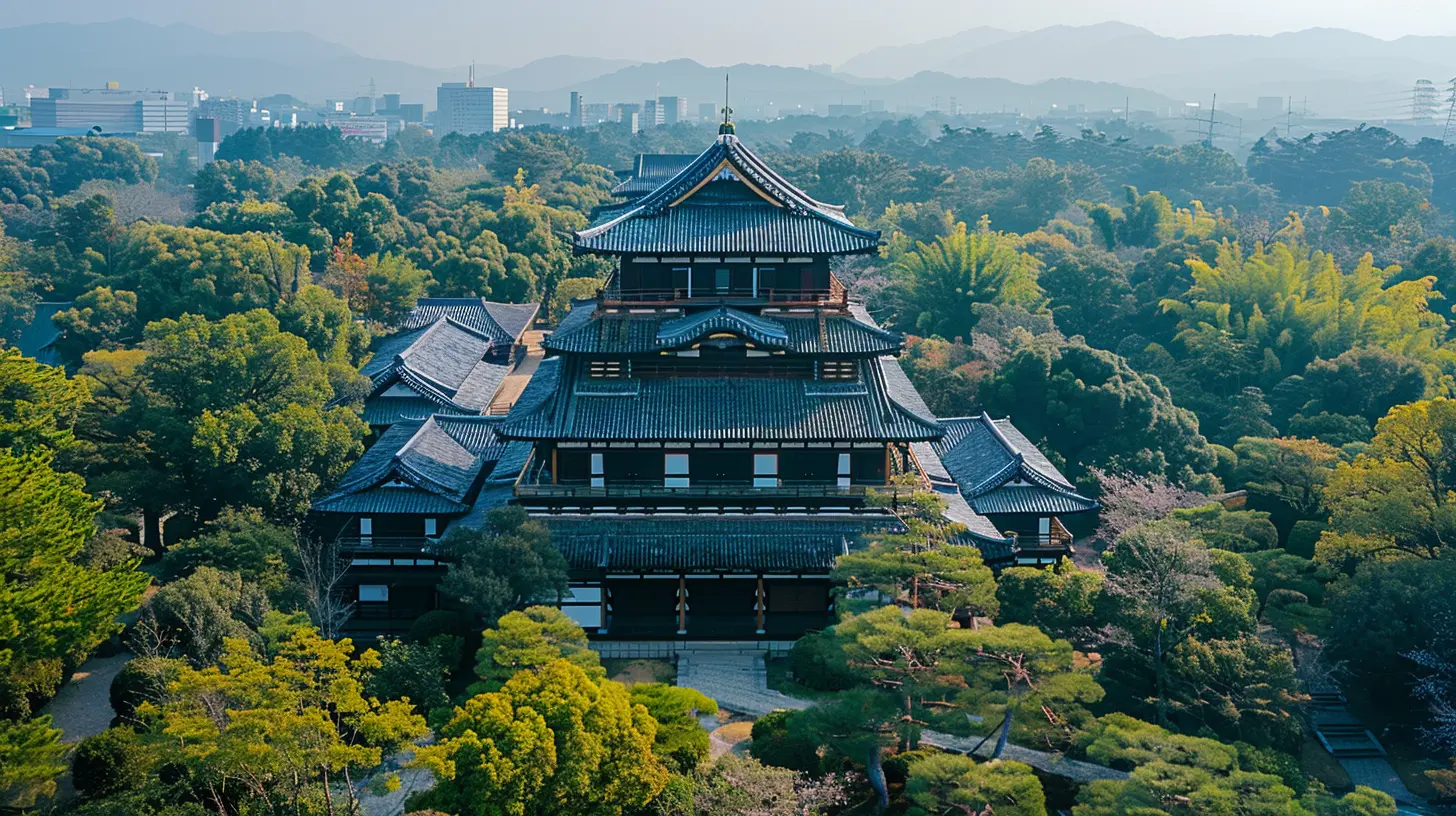
Why Revisit the Samurai Legacy?
“Why even bother revisiting the past?” you might ask. Well, Japan’s samurai heritage isn’t just history—it’s an experience. Walking the paths once tread by these warriors, exploring samurai castles, and witnessing their cultural impact can feel like stepping into a real-life movie. It’s a mix of education and adventure. Plus, if you’re a fan of action-packed anime or Kurosawa films (anyone else obsessed with Seven Samurai?), this is your chance to connect with the real-life inspiration behind them.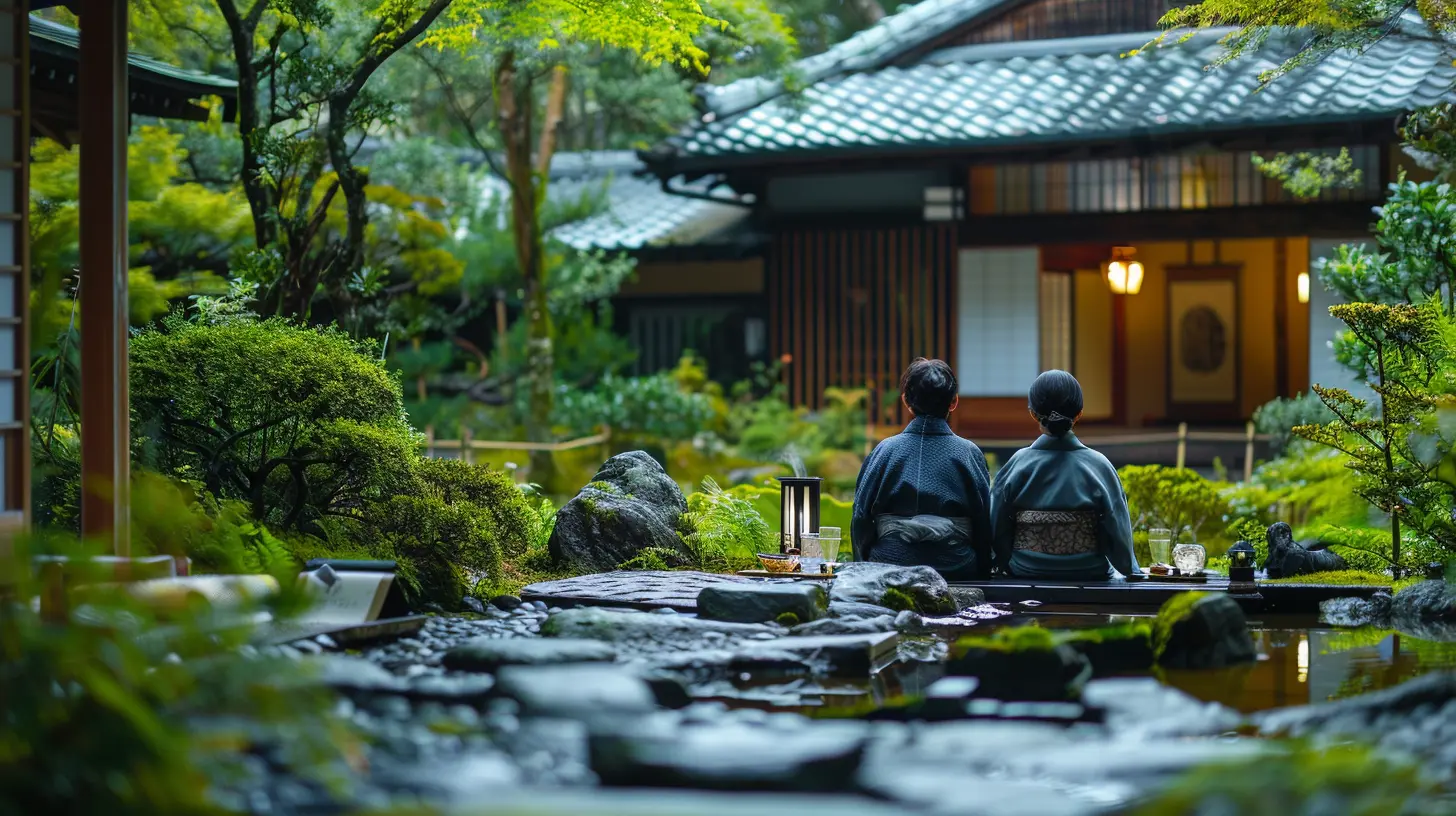
Where to Begin: The Cultural Heartlands of Samurai History
If you want to truly understand the samurai, you’ve got to visit Japan’s cultural heartlands. These are the places where their history lingers in every stone, shrine, and sword.1. Kyoto: The Historical Epicenter of Samurai Culture
Ah, Kyoto. The city’s ancient temples and serene gardens are a far cry from the hustle and bustle of modern Tokyo, making it the perfect place to dive into samurai history. Kyoto was once a hub of political power, and many samurai roamed its streets centuries ago.- Must-Visit Spot: Nijo Castle
Built in 1603, Nijo Castle served as a residence for Tokugawa Ieyasu, one of Japan’s most influential samurai leaders and the first shogun of the Tokugawa Shogunate. Walking through the castle’s “nightingale floors” (wooden floors that squeak to alert of intruders) feels like being a character in a stealthy samurai tale.
- Kyoto Samurai & Ninja Experience
Want to hold an actual samurai sword? This interactive experience lets you dress up as a samurai and even learn the basics of sword handling. It’s hands down one of the coolest things you can do in Kyoto.
2. Kanazawa: The Samurai District Frozen in Time
Kanazawa is an overlooked gem when it comes to samurai culture. It feels like stepping into a time machine. The Nagamachi Samurai District, with its well-preserved streets and traditional homes, offers a glimpse into the daily life of these warriors.- Highlight: Nomura Samurai House
Ever wonder how samurai lived when they weren’t out on the battlefield? The Nomura Samurai House offers a fascinating peek into their domestic life. Spoiler: It’s more peaceful than you’d expect. The tranquil tea gardens are the cherry on top.
3. A Pilgrimage to Kamakura: The Birthplace of the Samurai Spirit
Before Kyoto and Kanazawa, there was Kamakura. As the capital of Japan during the Kamakura Shogunate (1185–1333), this coastal town was the birthplace of samurai governance.- Must-See: Tsurugaoka Hachimangu Shrine
Dedicated to Hachiman, the patron deity of samurai, this shrine is an iconic symbol of Kamakura’s samurai history. The approach to the shrine, lined with lush greenery, feels almost meditative.
- Swordsmithing Workshops
Kamakura is also a great place to learn about the forging of katanas. You might not leave with a sword (sorry, airport security!), but you’ll definitely gain a new appreciation for the artistry involved.
4. Himeji: The Castle of the Samurai Kings
If you’re going to visit one Japanese castle to understand the samurai legacy, let it be Himeji Castle—a UNESCO World Heritage Site and one of the finest surviving examples of Japanese castle architecture.This 400-year-old structure isn’t just stunning; it’s a fortress designed for war. Imagine samurai archers standing guard on its towering walls or warriors preparing for battle within its labyrinth-like corridors. Walking through Himeji Castle kind of feels like being inside a video game—except it’s all real.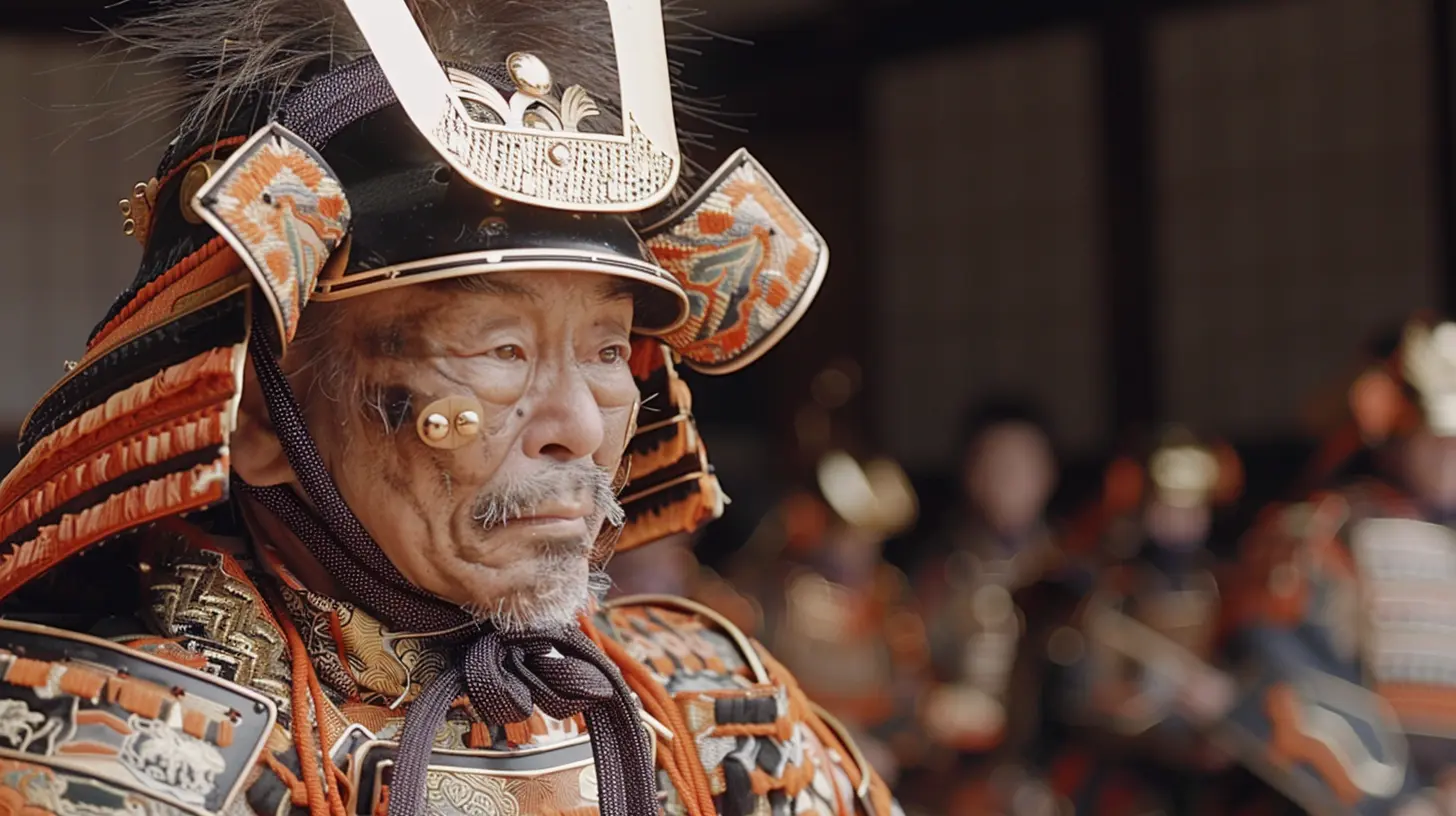
Modern-Day Samurai Influences
It’s easy to think of the samurai as relics of the past, but their legacy is alive and well in modern Japan. Here are just a few examples:- Martial Arts: Kendo, a traditional Japanese martial art, traces its roots to samurai swordsmanship. Practiced today as a sport, it’s a direct descendant of the fighting techniques honed by these warriors.
- Fashion: The iconic samurai armor inspired modern designs, from high-fashion runways to cosplay costumes. Even traditional Japanese clothing like hakama pants owes something to samurai attire.
- Philosophy: The values of Bushido—courage, honor, and loyalty—still influence Japanese work culture and societal ethos. Ever wonder why punctuality is taken so seriously in Japan? Blame (or thank) the samurai.
- Pop Culture: From Hollywood blockbusters like The Last Samurai to anime and video games (Ghost of Tsushima, anyone?), the samurai have firmly cemented their place in global entertainment.
Tips for Your Samurai Adventure
Let’s face it—Japan can be overwhelming, especially if it’s your first visit. Here are a few tips to fully enjoy your samurai-focused journey:1. Do Your Homework: A bit of research goes a long way. Familiarize yourself with Bushido and key historical figures like Oda Nobunaga and Miyamoto Musashi.
2. Pack Comfortable Shoes: Samurai weren’t walking around in sneakers, but you will be. Many historical sites involve a lot of walking, so comfort is key.
3. Book Early: For interactive experiences like sword-handling workshops, slots can fill up quickly. Plan ahead to avoid disappointment.
4. Immerse Yourself: Don’t just visit the sites—join a tea ceremony, try traditional calligraphy, or taste samurai-inspired cuisine. These little extras make the trip unforgettable.
Final Thoughts
Revisiting the samurai legacy isn’t just about looking at old swords or castles—it’s about understanding a way of life that shaped Japan as we know it today. Whether you’re a history geek, a pop culture fan, or just someone who loves a good adventure, Japan’s cultural heartlands have something special to offer. So, what are you waiting for? Grab your (metaphorical) katana and start planning your journey into the world of the samurai.all images in this post were generated using AI tools
Category:
Cultural ToursAuthor:

Shane Monroe
Discussion
rate this article
2 comments
Graham Rogers
What a captivating exploration of Japan's rich samurai heritage! Your insights beautifully capture the spirit of the cultural heartlands. It’s inspiring to see how history continues to shape modern Japan. Thank you for sharing this wonderful journey!
April 4, 2026 at 2:58 PM
Shane Monroe
Thank you for your kind words! I'm glad you enjoyed the exploration of Japan's samurai heritage and its enduring impact on modern culture.
Kairo McFee
This article beautifully captures Japan's rich samurai heritage, blending history and culture, while inviting readers to explore the profound significance of these legendary figures.
March 11, 2026 at 3:45 PM
Shane Monroe
Thank you for your thoughtful comment. I'm glad you feel the article highlights the deep connection between samurai heritage and Japan's culture.