Amazing Cultural Celebrations That Unite Nations in 2027
23 September 2026
Why 2027 Matters More Than You Think
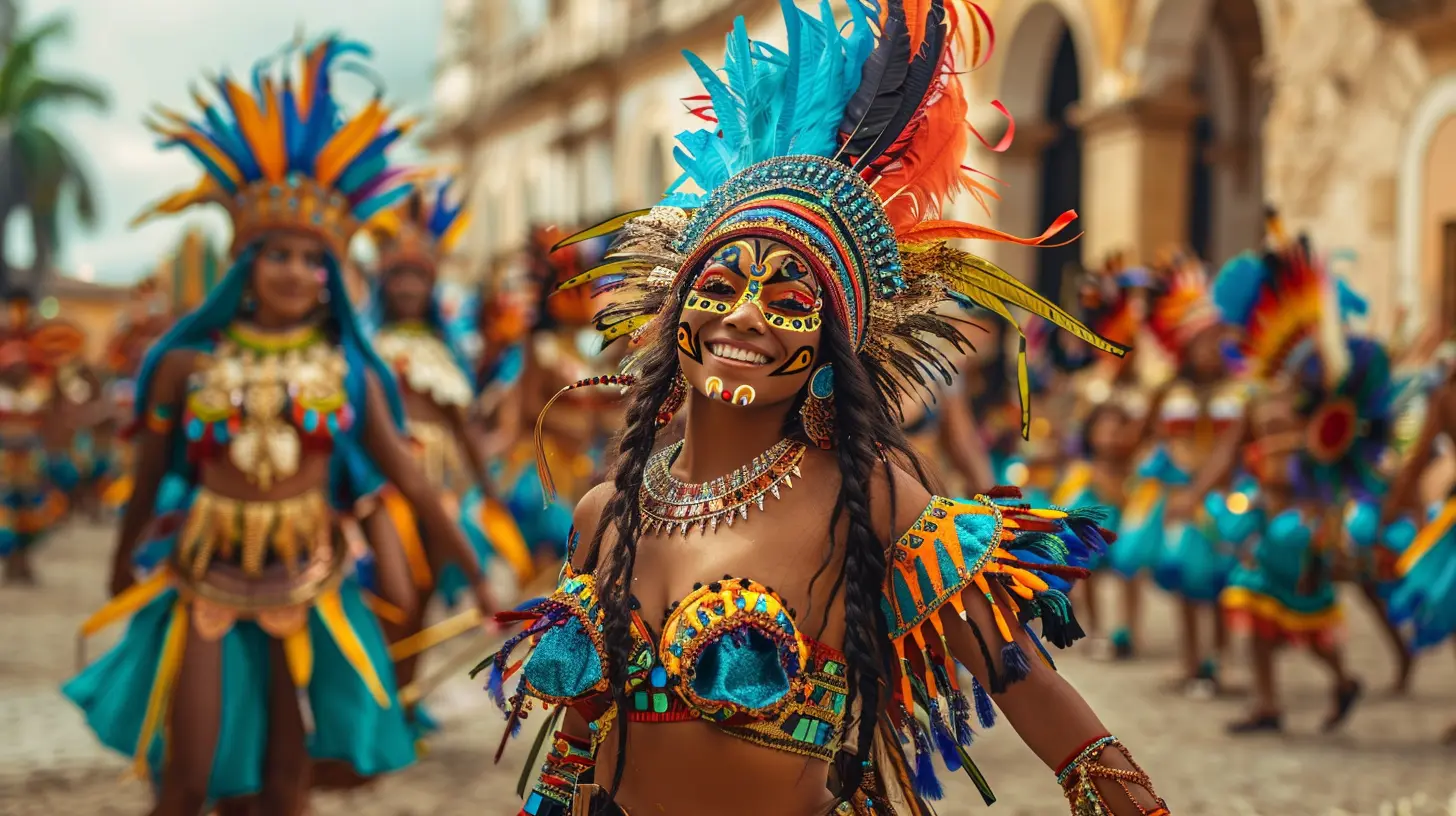
Every year, millions of people cross borders to stand shoulder to shoulder with strangers at festivals, parades, and ceremonies rooted in cultures that are not their own. That impulse is not new. What makes 2027 worth paying attention to is timing. The world is more connected than ever in terms of technology, yet more fragmented in terms of politics and identity. Cultural celebrations sit right at that tension point. They can either reinforce division or quietly dissolve it, one shared meal, one drumbeat, one procession at a time.2027 also falls at a meaningful moment on several cultural calendars. It is a year when multiple major religious observances overlap in ways that create rare opportunities for cross-cultural travel and participation. It is also a year when several recurring festivals hit significant anniversaries, which tends to bring larger crowds, more elaborate programming, and a stronger sense of collective purpose. If you are planning a trip around a cultural event, or you simply want to understand why these gatherings matter, this is a useful year to think seriously about.
What Actually Makes a Celebration Unite Nations
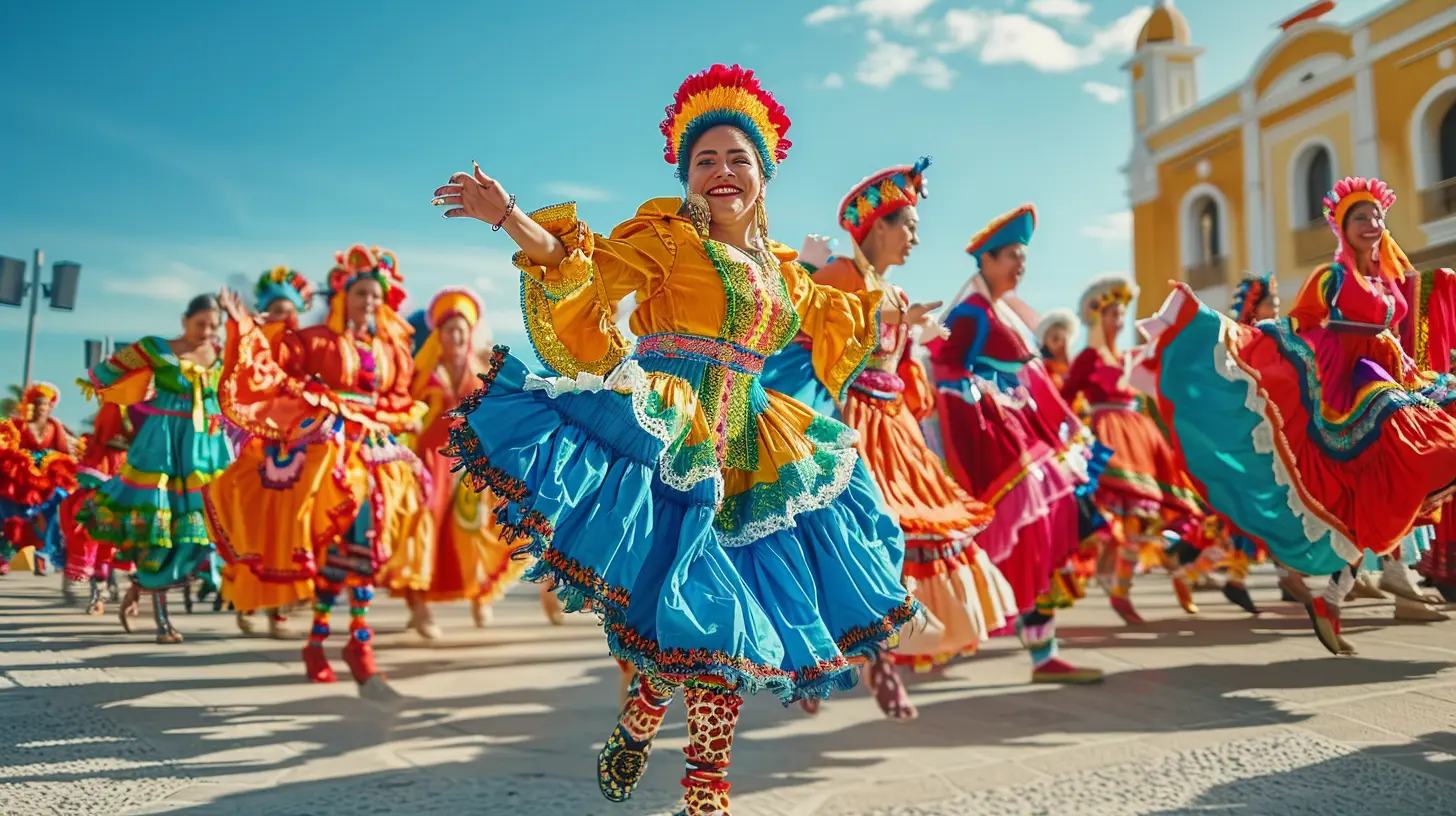
A parade is not automatically a unifying event. Neither is a food festival or a religious holiday. The celebrations that genuinely bring nations together share a few characteristics, and understanding them helps you separate authentic cultural exchange from manufactured tourism experiences.First, they invite participation rather than spectatorship. When locals and visitors do something together, whether that means dancing, cooking, or carrying a float, the barrier between "us" and "them" drops fast. Second, they carry meaning that outsiders can grasp without needing to convert to a belief system. Third, they repeat. A one-time event is a spectacle. An annual celebration builds relationships over years.
There is a trade-off here that organizers rarely discuss openly. The more a celebration opens itself to outsiders, the more it risks diluting the very thing that made it special. The most successful festivals manage this tension by keeping certain rituals private while opening others wide. If you attend one of the events below, respect that boundary. It is not exclusion for its own sake. It is the mechanism that keeps the celebration alive long enough for you to enjoy it in the first place.
Rio Carnival, Brazil
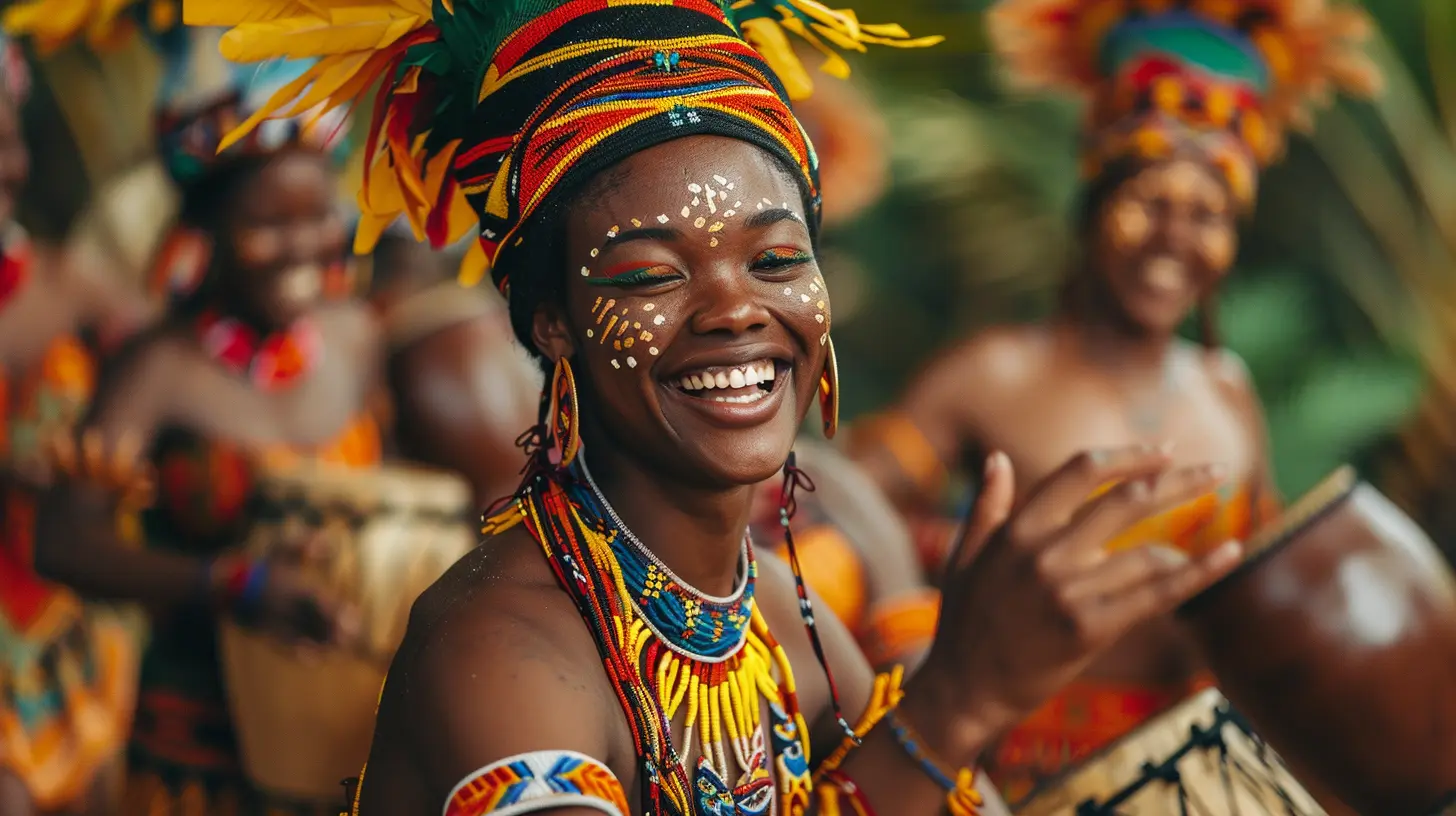
Rio Carnival is the obvious starting point, and for good reason. It is one of the few events on earth where the entire logic of a city reorganizes itself around collective joy for the better part of a week. The samba schools that compete in the Sambadrome spend eleven months preparing. That preparation is not a side activity. It is a year-round community project that employs seamstresses, carpenters, composers, and choreographers from the same neighborhoods.What makes Rio genuinely unifying rather than just spectacular is the neighborhood bloco system. These are street parties, often free, scattered across the city. They range from massive gatherings in Ipanema to small, family-run processions in quieter districts. This is where you actually meet people. The Sambadrome is a show. The blocos are a conversation.
Practical advice: book accommodation six to nine months ahead if you are going in 2027. Prices for everything from flights to bottled water inflate sharply during Carnival. If crowds overwhelm you, consider arriving a week early to experience the rehearsals, which are cheaper, less crowded, and arguably more authentic. Common mistake: treating Carnival as a beach vacation with parties attached. It is a marathon. Pace yourself, hydrate constantly, and do not schedule anything important for the morning after a major bloco.
Chinese New Year and Lantern Festival
Chinese New Year follows the lunar calendar, so in 2027 it falls in early February. The Lantern Festival closes the fifteen-day celebration. What many visitors miss is that this holiday is not a single event but a rolling wave that moves through different countries in different ways. In mainland China, it is a family holiday centered on reunion dinners. In Singapore and Malaysia, it takes on a distinctly multicultural character, with non-Chinese communities participating openly. In cities like London, San Francisco, and Sydney, it becomes a diaspora celebration that draws millions.The unifying power here comes from the fact that the holiday is fundamentally about renewal. Anyone can understand the desire to start fresh, settle debts, and gather with people who matter. You do not need to be Chinese to feel that.
For 2027, consider smaller cities over the biggest ones. Kuala Lumpur and Penang offer extraordinary celebrations with far less crowding than Beijing or Shanghai. If you are in a Western city, the Chinatown parades are worth attending, but the real cultural depth is often in community center events, temple ceremonies, and cooking workshops that do not make the tourist brochures. Best practice: learn a few greetings in Mandarin or Cantonese beforehand. It signals respect and opens doors that money cannot.
Day of the Dead, Mexico
Dia de los Muertos has become globally recognizable, partly through film and partly through a growing interest in how different cultures handle grief. That visibility has created a problem. Some travelers treat it as "Mexican Halloween," which misses the point entirely. This is a family observance. It is about welcoming back the dead, not fearing them.The celebrations that genuinely unite people are the ones rooted in local cemeteries and homes. Oaxaca and Michoacan remain the most traditional. Mexico City has developed a large public parade, which is impressive but more recent and more performative.
If you go in 2027, understand the etiquette. Do not touch altars without permission. Do not treat grave sites as photo backdrops. Ask before photographing anyone, especially in cemeteries. The trade-off between accessibility and authenticity is real here, and the communities that open their doors to visitors are taking a genuine risk. Honor that.
Diwali, India and the Diaspora
Diwali falls in autumn, and in 2027 it lands in early November. It is a festival of lights, but reducing it to that misses the layers. Different regions of India emphasize different stories and practices. In some places it is about the return of Rama. In others, it honors Lakshmi, the goddess of prosperity. In still others, it marks the new year.What unites the celebration across nations is the ritual of light overcoming darkness. That metaphor travels well. It is why Diwali has become one of the most widely celebrated festivals outside India, from Leicester to Toronto to Dubai.
Practical considerations: if you want to experience Diwali in India, avoid the biggest cities on the actual night unless you enjoy chaos and air quality issues. Firecracker use has been restricted in several regions for environmental reasons, and enforcement varies. A better approach is to attend community events in smaller cities or to visit during the days surrounding the main night, when homes are decorated and sweets are exchanged with less intensity. Misconception to drop: Diwali is not a single day. It is a five-day festival with different meanings attached to each day.
Nowruz, Central Asia and the Middle East
Nowruz, the Persian New Year, falls on the spring equinox, which in 2027 lands on March 20. It is celebrated across Iran, Afghanistan, Azerbaijan, Uzbekistan, Tajikistan, and in diaspora communities worldwide. It is arguably one of the most genuinely multinational celebrations on this list, precisely because it predates many of the religions and empires that later claimed the region.The centerpiece is the Haft-Seen table, a collection of items beginning with the letter "s" in Persian, each carrying symbolic meaning. Families gather, wear new clothes, and visit relatives. Public celebrations in cities like Tehran, Baku, and Dushanbe include music, fire jumping, and street food.
Why it unites: Nowruz is not tied to a single religion. It is a cultural inheritance shared across ethnic and linguistic lines. That makes it unusually welcoming to outsiders. If you are considering a trip, Baku and Samarkand offer the most accessible versions for international visitors, with strong infrastructure and English signage. Tehran offers deeper cultural immersion but requires more planning around visas and logistics.
Songkran, Thailand
Songkran, the Thai New Year, runs from April 13 to 15. It is famous for water fights, but that reputation has overshadowed the ritual's original purpose. Traditionally, water is poured gently over Buddha statues and the hands of elders as a blessing. The massive street battles that tourists flock to are a modern addition.This creates a genuine dilemma for travelers. The water fights are fun, but they have also led to complaints from locals who want to preserve the quieter aspects. If you go in 2027, do both. Participate in the public water festivities, but also visit a temple to see the more reverent side. Do not splash monks, the elderly, or anyone who clearly does not want to be soaked. Common mistake: wearing expensive electronics or bringing a passport in a non-waterproof bag. You will regret it.
Inti Raymi, Peru
Inti Raymi, the Festival of the Sun, takes place in Cusco on June 24. It is a reenactment of an Inca ceremony honoring the sun god, and it draws thousands to the ancient fortress of Sacsayhuaman. Unlike many reenactments, this one carries real cultural weight for Quechua communities. It is a statement of continuity.The celebration unites Peru internally, bridging coastal and Andean identities, and it attracts visitors from across South America and beyond. That said, it is a ticketed event with limited seating. If you want to attend in 2027, plan months ahead. A less crowded alternative is to be in Cusco during the days surrounding it, when the city itself becomes the festival, with parades, markets, and music that do not require a ticket.
How to Choose Which Celebration to Attend
Not every festival suits every traveler. The right choice depends on your tolerance for crowds, your budget, your interest in religious or historical context, and your willingness to adapt.If you want maximum energy and do not mind chaos, Rio or Songkran fit. If you prefer something contemplative, Day of the Dead or Nowruz are better. If you want to combine cultural depth with strong infrastructure, Singapore's Chinese New Year or Baku's Nowruz celebrations are smart picks. If you are on a tight budget, the blocos in Rio and the public events in Cusco are free or cheap.
There is no single best festival. There is only the one that matches your temperament. Be honest with yourself about that before you book.
Common Mistakes Travelers Make
The first mistake is treating a cultural celebration as a checklist item. You cannot "do" Diwali in a day. You cannot understand Inti Raymi from a single afternoon. Give yourself time on either side of the main event.The second is assuming that English and credit cards will work everywhere. In many of these celebrations, especially in smaller towns, cash is king and language barriers are real. Prepare accordingly.
The third is photographing without asking. This is not about being polite. In many cultures, photographing rituals or individuals without permission is genuinely offensive, and it can have consequences beyond a dirty look.
The fourth is ignoring local dress codes. Some celebrations call for modest clothing. Others call for specific colors. A little research goes a long way.
Best Practices for Meaningful Participation
Arrive early. The first hours of a festival are often the most authentic and the least crowded.Stay near where people live, not where tourists stay. You will eat better, pay less, and meet people who actually know the celebration.
Learn a few words of the local language. Even a badly pronounced greeting is appreciated.
Buy from local vendors. Your money stays in the community, and you often get better quality than at tourist stalls.
Ask questions, but read the room. Some people want to explain their traditions. Others are simply trying to enjoy the day.
Final Thoughts
The celebrations that unite nations in 2027 are not united by branding or marketing. They are united by something older and simpler. People gather, they repeat a ritual, and they invite others to join. That invitation is not always explicit, and it is not always easy to accept. But when it works, it produces something rare. A moment when differences in language, religion, and politics fade into the background, and what remains is the shared experience of being human.If you plan to attend one of these events, go with humility. You are a guest. Act like one. The reward is a kind of connection that no resort or tour package can manufacture.
all images in this post were generated using AI tools
Category:
Cultural CelebrationsAuthor:
Shane Monroe