ATM Skimmers and Card Fraud: Protecting Your Finances Abroad
10 December 2025
Traveling abroad is all fun and adventure—until you check your bank statement and see a transaction you definitely didn’t make. Yep, ATM skimmers and card fraud are the sneaky villains that can turn a dream vacation into a financial nightmare. But don’t worry! We’re here to talk about how these scams work and, more importantly, how you can outsmart them and protect your hard-earned money.
What Are ATM Skimmers, and How Do They Work?
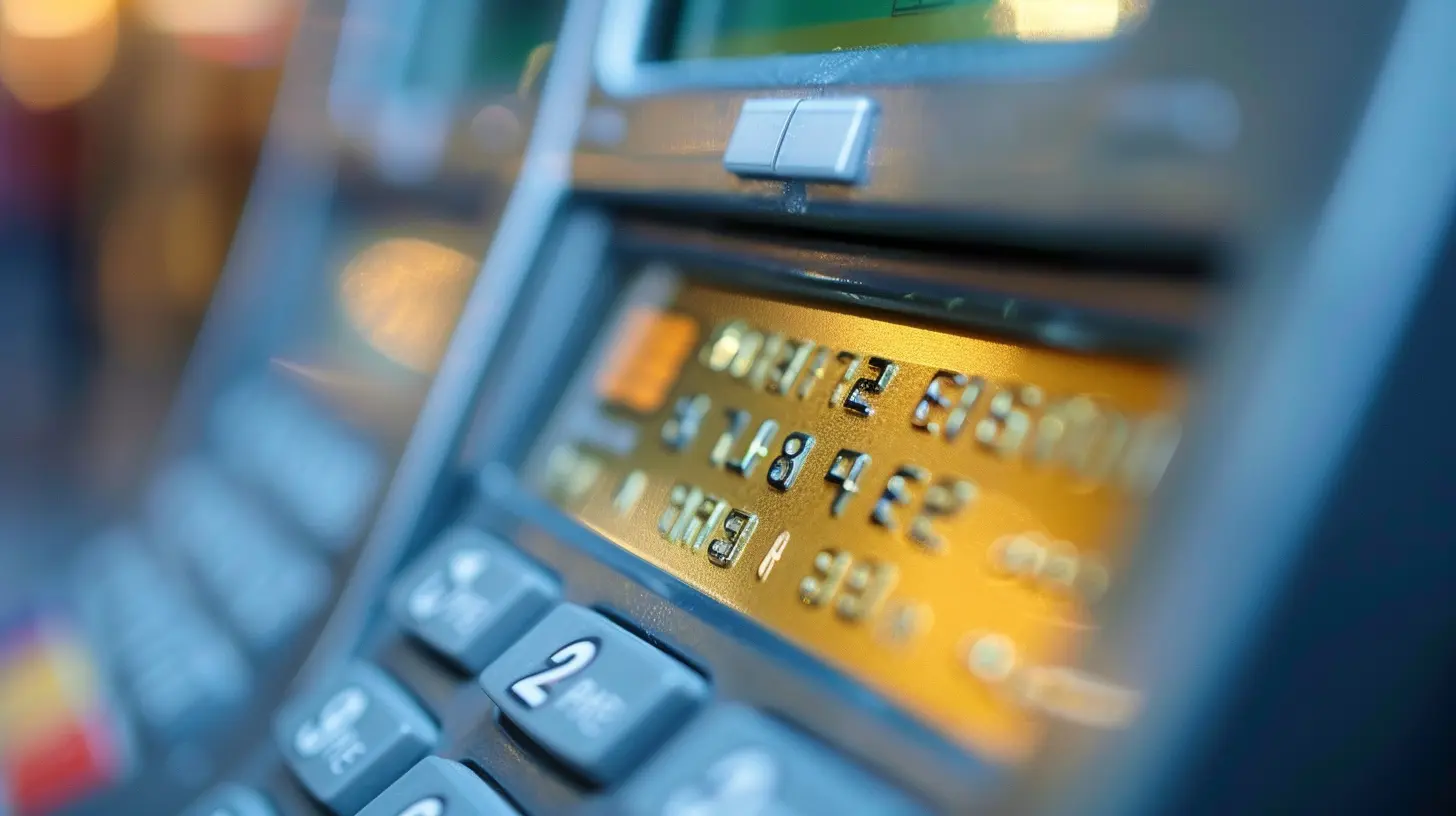
Imagine inserting your bank card into an ATM, blissfully unaware that a tiny device is secretly stealing your card's information. That’s an ATM skimmer in action. These sneaky pieces of tech fit over the card slot and capture your card details while you go about your transaction. Pair that with a hidden camera or a fake keypad to steal your PIN, and boom—your funds are at the mercy of fraudsters.Types of ATM Skimming Devices
Fraudsters are getting more creative by the day, but here are the most common types of skimming devices you should watch out for:- Traditional Skimmers: These are small devices placed over the card reader. They steal your card details but still let the ATM function normally, so you won’t suspect a thing.
- Advanced Skimmers (Deep Insert Skimmers): These are inserted inside the card slot, making them harder to detect.
- Overlay Keypads: A fake keypad placed over the real ATM buttons to record your PIN as you type it.
- Hidden Cameras: Tiny cameras positioned above or near the ATM to capture your PIN when you enter it.
Now that you know how these scams work, let’s move on to how you can protect yourself.
How to Spot a Tampered ATM
You don’t need to be Sherlock Holmes to spot a compromised ATM. Just keep an eye out for these red flags:- Loose or Wobbly Card Slot: If the card reader seems like it’s not part of the ATM, it could be a skimmer.
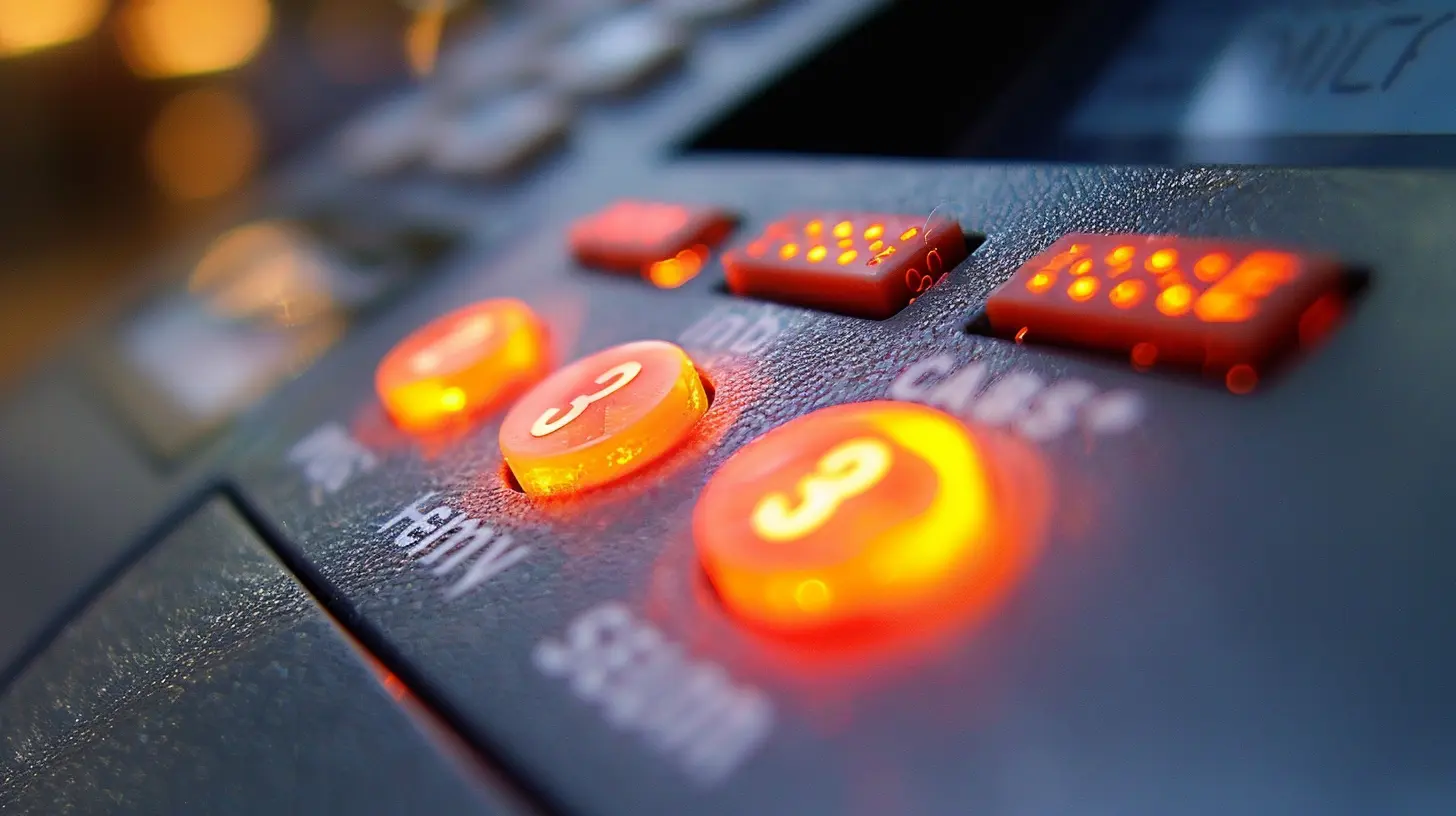
- Unusual Keypad Feel: If the buttons feel too thick or stiff, there might be an overlay device recording your keystrokes.
- Strange-Looking ATM Parts: If anything appears misaligned, bulky, or not quite right, it’s best to avoid that machine.
- Unnecessary Add-ons: Skimmers often come with a small, unnecessary protrusion or an unfamiliar-looking part.
- Cameras or Suspicious Objects Nearby: Always check for tiny holes or odd attachments in places where someone might hide a camera.
Card Fraud: Beyond Skimmers
While ATM skimming is common, card fraud happens in other sneaky ways, too. Here are some methods fraudsters use to drain your money:Card Cloning
Fraudsters use skimmers to clone your card and create an identical one. They then use it for unauthorized transactions or sell the information on the dark web.Shimming
Shimmers are ultra-thin devices inserted into the card slot to steal data from chip-enabled (EMV) cards. While EMV chips are safer than magnetic stripes, they’re not bulletproof.Fake ATMs
Yes, they exist! Some scammers set up entirely fake ATMs designed to steal your card information the moment you insert your card. These machines won’t dispense cash, but they will rob your details.Public WIFI Scams
Ever connected to a free airport or café Wi-Fi? If it's unsecured, cybercriminals might intercept your card details when you make an online payment.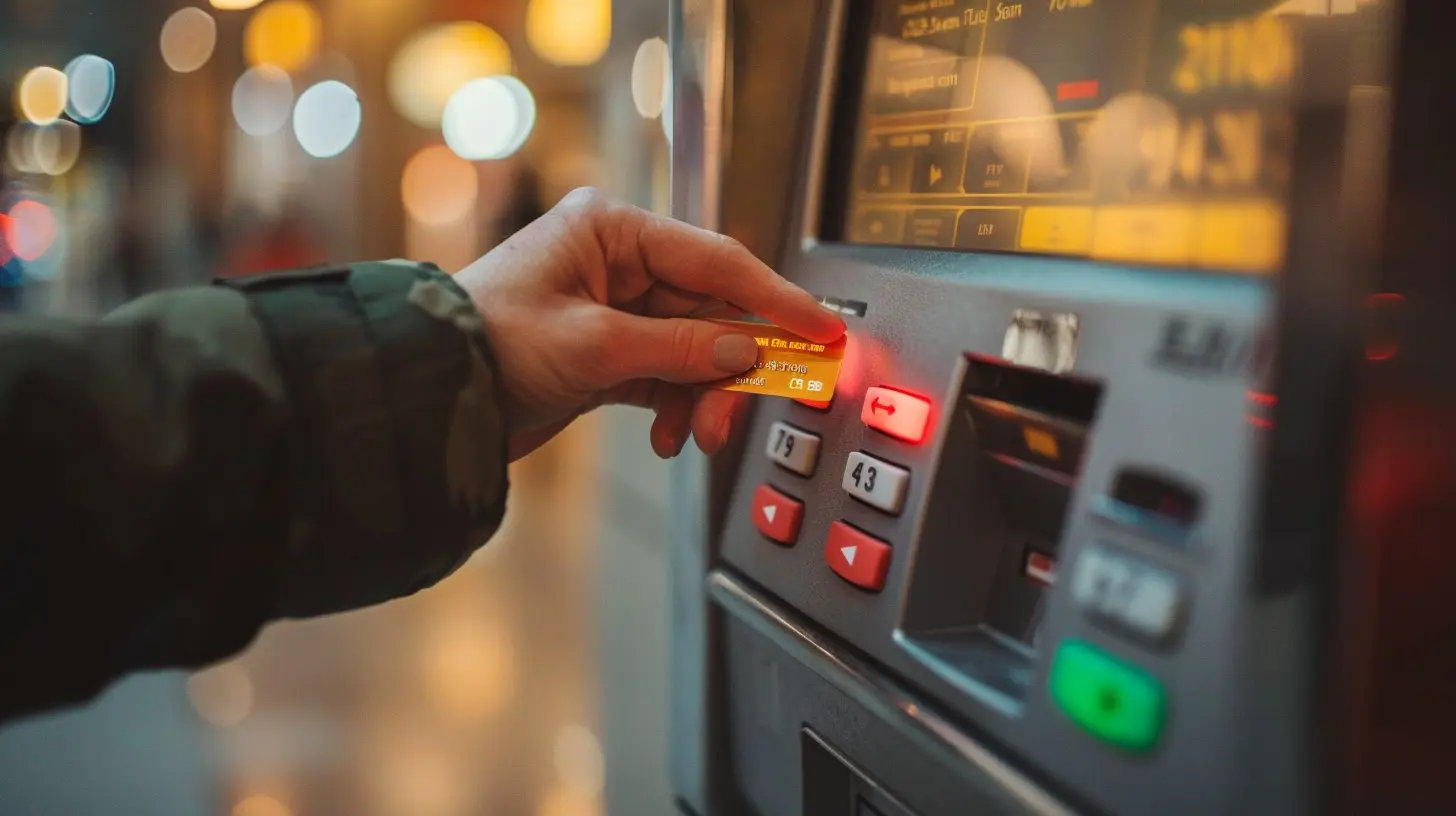
Protecting Yourself from ATM Skimmers and Card Fraud
Alright, enough with the scare tactics—let’s talk solutions. Here are the best ways to keep your finances safe while traveling:1. Use ATMs in Secure Locations
Whenever possible, withdraw cash from ATMs inside a bank or a reputable establishment. Scammers are less likely to tamper with machines that have security cameras and staff nearby.2. Inspect the ATM Before Using It
Give that card reader a little shake. If it feels loose, don’t use it. Cover your hand while entering your PIN, even if nobody is around—hidden cameras might be watching.3. Stick to Contactless Payments
Wherever possible, use contactless payments or mobile wallets like Apple Pay, Google Pay, or Samsung Pay. These methods use tokenization, which makes fraud nearly impossible.4. Enable Transaction Alerts
Turn on SMS or email alerts for every transaction. That way, you’ll know the second something fishy happens.5. Use Credit Cards Instead of Debit Cards
Credit cards typically offer better fraud protection than debit cards. If fraud happens, credit card companies often reimburse you faster than banks do for debit transactions.6. Carry a Backup Payment Method
Never rely on just one card. Keep a backup credit card or some emergency cash in a separate place in case of fraud or a lost card.7. Use a Travel Card with Limited Funds
Instead of linking your main bank account, opt for a prepaid travel card or a secondary bank account with limited funds. This way, even if fraud occurs, they won’t have access to your entire balance.8. Be Wary of Unsecured Public Wi-Fi
Avoid logging into banking apps or making purchases while connected to public Wi-Fi. If you must use public Wi-Fi, a VPN (Virtual Private Network) can keep your data encrypted and secure.9. Memorize Emergency Contact Numbers
Write down the emergency contact numbers for your bank so you can quickly block your card in case of fraud.10. Check Your Statements Regularly
Don’t wait until you're back home to review your bank statements. Keep an eye on your transactions every few days to spot fraudulent charges early.What to Do If Your Card Gets Compromised Abroad
Despite all precautions, if you suspect your card details have been stolen, act fast!Step 1: Contact Your Bank Immediately
Call your bank and freeze the card. Most banks have an international helpline—memorize or save this number in your phone before traveling.Step 2: Report Unauthorized Transactions
File a fraud report with your bank and notify them of any suspicious charges. The sooner you act, the better your chances of stopping further damage.Step 3: File a Local Police Report (If Necessary)
If a significant amount was stolen or your card itself was taken, filing a report with the local police might help with bank claims and insurance.Step 4: Monitor Your Accounts
Even after canceling your card, keep checking your statements for any further fraudulent activity.
Final Thoughts
ATM skimmers and card fraud are lurking dangers for travelers, but with a few simple precautions, you can significantly reduce the risk. Stay alert, trust your instincts, and don’t let scammers ruin your trip. After all, your biggest financial concern while traveling should be whether or not to splurge on that extra fancy dinner—not dealing with fraudsters draining your account!all images in this post were generated using AI tools
Category:
Travel ScamsAuthor:

Shane Monroe
Discussion
rate this article
2 comments
Idris Cooper
Travelers must stay vigilant against ATM skimmers and card fraud. Always use secure ATMs, monitor bank statements regularly, and consider travel-specific cards for added protection.
January 18, 2026 at 3:59 AM
Shane Monroe
Thank you for your insightful comment! Staying vigilant is crucial when traveling, and your tips on secure ATMs and using travel-specific cards are excellent for enhancing financial safety.
Ford McKinstry
This article highlights crucial tips for safeguarding your finances while traveling. Awareness of ATM skimmers and utilizing secure payment methods can significantly reduce the risk of card fraud. Essential reading for every traveler, ensuring a worry-free adventure abroad!
December 11, 2025 at 5:23 AM
Shane Monroe
Thank you for your feedback! I'm glad you found the tips useful for safer travel experiences.