Authentic Ways to Celebrate Día de los Muertos in 2026
30 April 2026
You’ve seen the sugar skulls in movies. You’ve heard the mariachi music in ads. But let’s be real: Día de los Muertos isn’t a Halloween sequel, and it’s not a Instagram filter waiting to happen. It’s a raw, beautiful, and deeply spiritual tradition that’s been alive for thousands of years—long before any tourist board put it on a poster. In 2026, as the world gets even more connected (and sometimes more commercialized), finding authentic ways to honor this day matters more than ever.
So, how do you celebrate Día de los Muertos in a way that’s respectful, immersive, and genuinely meaningful? Not by buying a cheap costume. Not by snapping a selfie at a parade. But by stepping into the heart of the tradition—with your eyes open, your heart ready, and your feet on the ground. Let’s cut through the noise and get real.
Why 2026 Is the Perfect Year to Go Deep
Think of 2026 as a crossroads. The pandemic years blurred our sense of time, but they also sharpened our hunger for connection. After years of virtual everything, people are craving tactile, sensory, and soulful experiences. Día de los Muertos isn’t a spectator sport—it’s a participatory ritual. In 2026, you’ll find fewer tourists just “passing through” and more travelers who want to feel something.Plus, Mexico is leaning into heritage tourism in a big way. Communities are reclaiming their traditions from the commercial grab. You’ll see more family-led workshops, fewer mass-produced trinkets, and a stronger push to honor the indigenous roots of the holiday. If you want to celebrate without being a cliché, this is your year.
The Non-Negotiable Rule: Respect Over Performance
Before we dive into the how-to, let’s get one thing straight: Día de los Muertos is not a party. It’s a remembrance. It’s a family reunion with ancestors. If you show up loud, drunk, or treating a cemetery like a nightclub, you’ll miss the point—and you’ll offend people.Think of it like this: Would you crash a stranger’s funeral with a boom box? Probably not. So, approach this celebration with the same quiet reverence you’d give a loved one’s memorial. The joy is real, but it’s a sacred joy. Keep that in mind, and you’ll be welcomed with open arms.
1. Build Your Own Ofrenda (Yes, You Can Do This Anywhere)
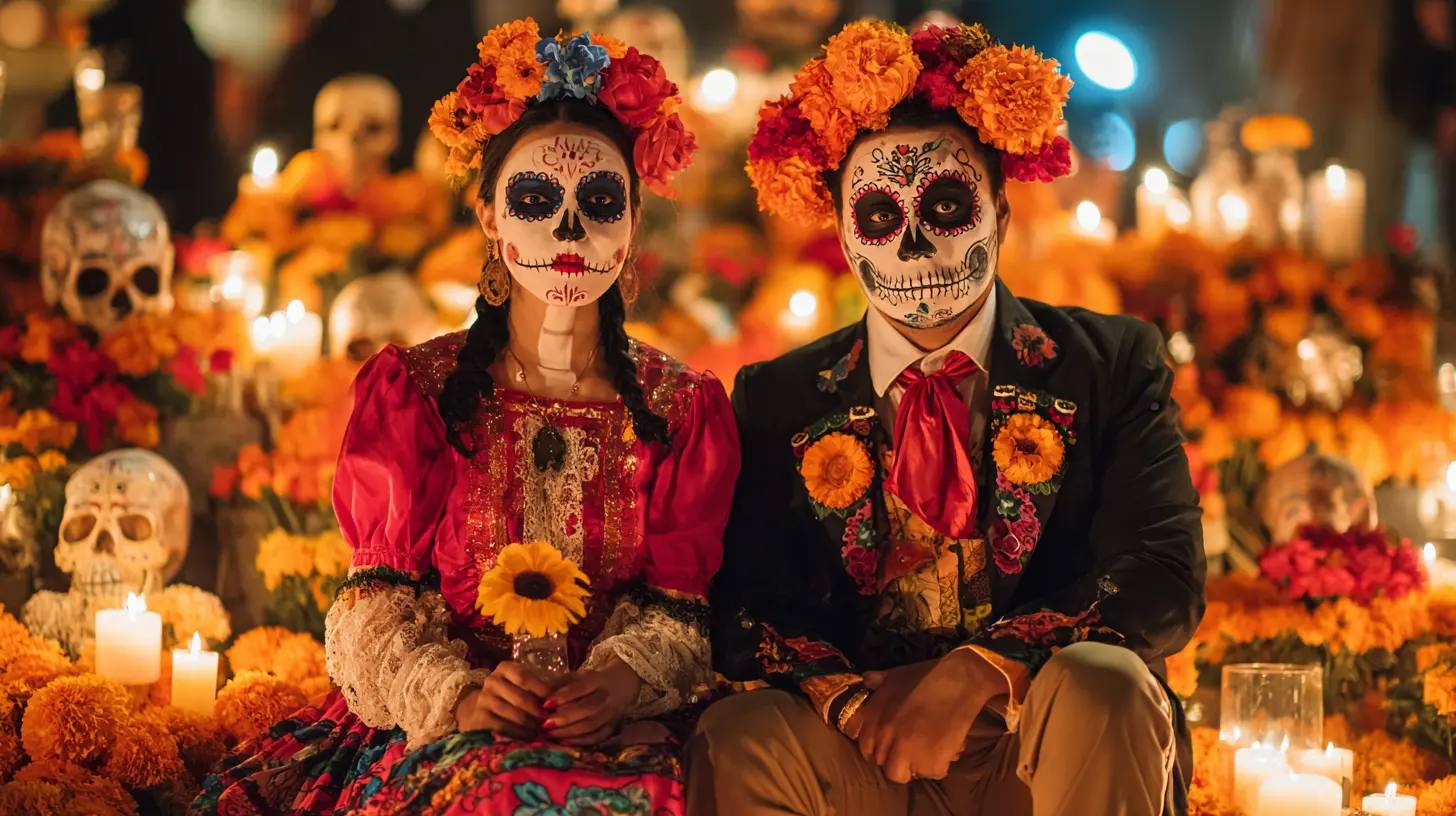
Okay, let’s start with the most intimate act: the ofrenda. This isn’t a decoration—it’s an invitation. You’re setting a table for souls to return home. In 2026, you don’t need to be in Mexico to do this right. You can build one in your apartment, your backyard, or even a small corner of your hotel room.What you’ll need: Photos of your departed loved ones, marigolds (the real ones, not plastic), candles, water, salt, and their favorite foods or drinks. If your abuela loved Coca-Cola, put a bottle on the altar. If your uncle was a bread baker, add a pan de muerto.
Pro tip: Don’t just copy a Pinterest board. Ask your family for stories. Write a letter to the person you’re honoring. The most authentic ofrendas are messy, personal, and full of inside jokes. That’s where the magic lives.
2. Go to a Real Village, Not Just a Tourist Hub
Sure, Mexico City has a massive parade. Oaxaca City has stunning altars. But if you want authenticity, you need to leave the main square. In 2026, consider visiting smaller towns where the tradition hasn’t been polished for Instagram.Try these:
- Pátzcuaro, Michoacán: The Purepecha communities here hold nighttime ceremonies on the island of Janitzio. It’s hauntingly beautiful—lanterns on the lake, families singing in the cemetery, and zero selfie sticks.
- Mixquic, Mexico State: Just an hour from CDMX, this town keeps it real. The cemetery is lit only by candles, and locals share stories all night.
- San Andrés Mixquic: Known as “the town of the dead,” it’s intimate, humble, and deeply moving.
What to expect: You’ll sit on the ground. You’ll share food with strangers. You’ll hear prayers in indigenous languages. And you’ll probably cry. That’s the point.
3. Learn the Crafts from the Hands That Make Them
Buying a sugar skull from a street vendor is fine. But learning to make one from a local family? That’s gold. In 2026, many communities offer workshops where you don’t just watch—you do.Try these hands-on experiences:
- Sugar skull workshops in Puebla: Families have been making these for generations. You’ll mix the sugar, press the mold, and decorate with real edible colors. It’s messy, sticky, and unforgettable.
- Papel picado cutting in San Luis Potosí: This delicate tissue paper art is a symbol of the wind—the breath of the dead. Cutting it yourself teaches patience and precision.
- Cempasúchil (marigold) farming in Morelos: Walk through fields of orange flowers. Pick your own. Understand why this flower is called the “flower of the dead”—its scent is said to guide souls home.
Why this matters: You’re not just taking a souvenir. You’re carrying a story. Every time you see that papel picado in your home, you’ll remember the hands that taught you.
4. Eat with Purpose (Pan de Muerto Is Just the Start)
Everyone knows about pan de muerto. But authentic Día de los Muertos food goes way deeper. In 2026, don’t just eat—understand what you’re eating.Must-try dishes:
- Mole negro: A complex, smoky sauce that takes days to make. It’s a dish for the gods—and for your ancestors.
- Calabaza en tacha: Candied pumpkin cooked with cinnamon and piloncillo. Sweet, soft, and nostalgic.
- Atole de chocolate: A warm, thick drink made with masa and chocolate. It’s comfort in a cup.
- Tamales de frijol con hoja de aguacate: Simple, earthy, and wrapped in avocado leaves. These are the tamales your great-grandmother would recognize.
Where to eat: Skip the fancy restaurants. Look for comida corrida spots or family-run markets. Ask the cook about their recipe. Most will be thrilled to share.
5. Spend a Night in the Cemetery (But Do It Right)
This is the big one. The most authentic way to celebrate is to join a velación—an all-night vigil in the cemetery. Families clean graves, light candles, and wait for the souls to arrive. It’s not spooky. It’s peaceful.How to do it respectfully:
- Arrive early. Help clean a grave if invited.
- Bring your own candle and flowers.
- Don’t take photos of grieving families. Ask first.
- Sit quietly. Listen. If you’re offered food, accept it.
- Leave by dawn. The families need their privacy.
Where to go: The cemeteries in Pátzcuaro and Mixquic are famous for these vigils. But even a small village cemetery will welcome you if you come with humility.
6. Dress the Part—But Don’t Costume Yourself
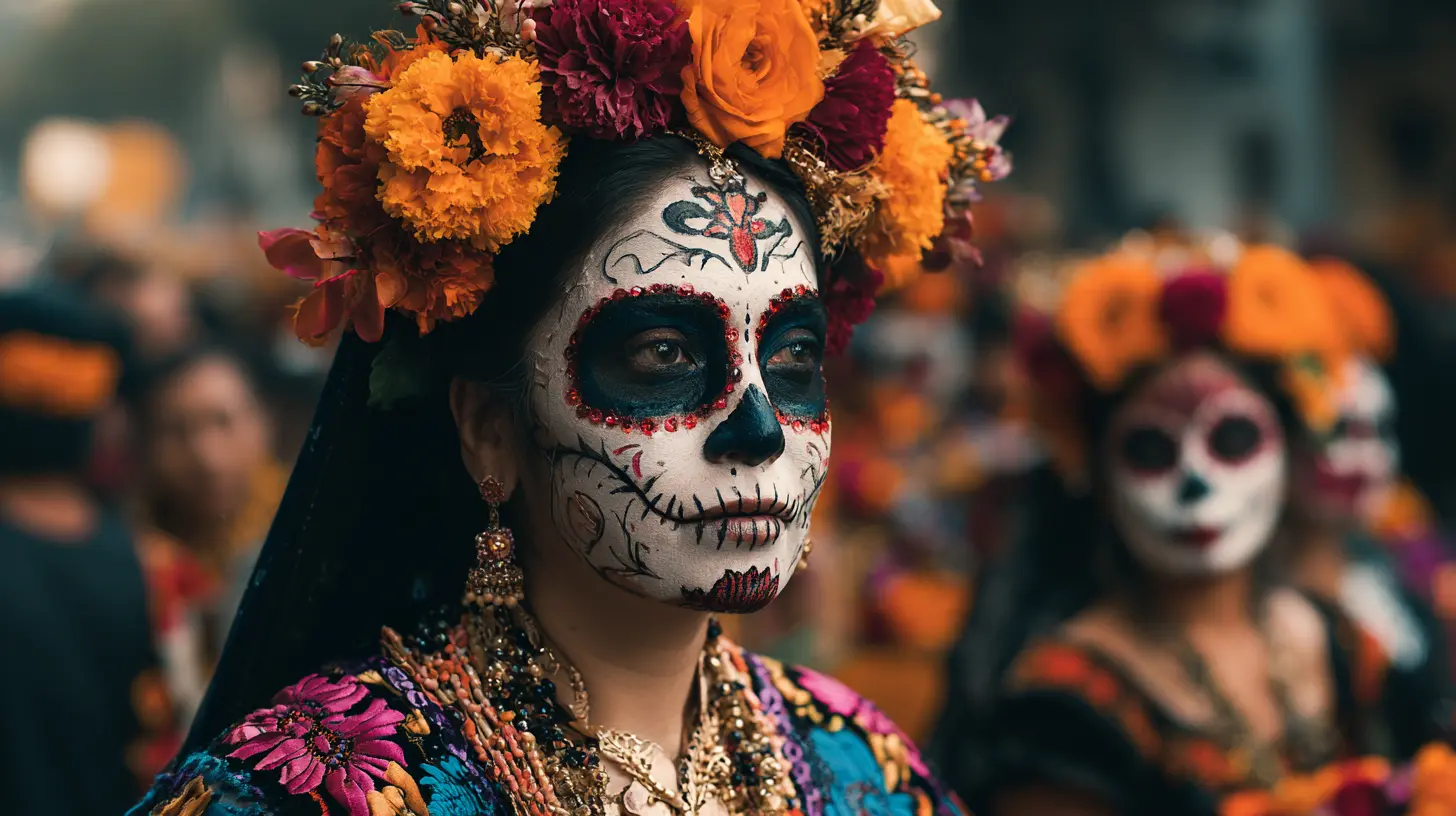
Face painting is everywhere. But there’s a difference between honoring and appropriating. In 2026, the trend is shifting toward traditional attire, not just skull makeup.What to wear:
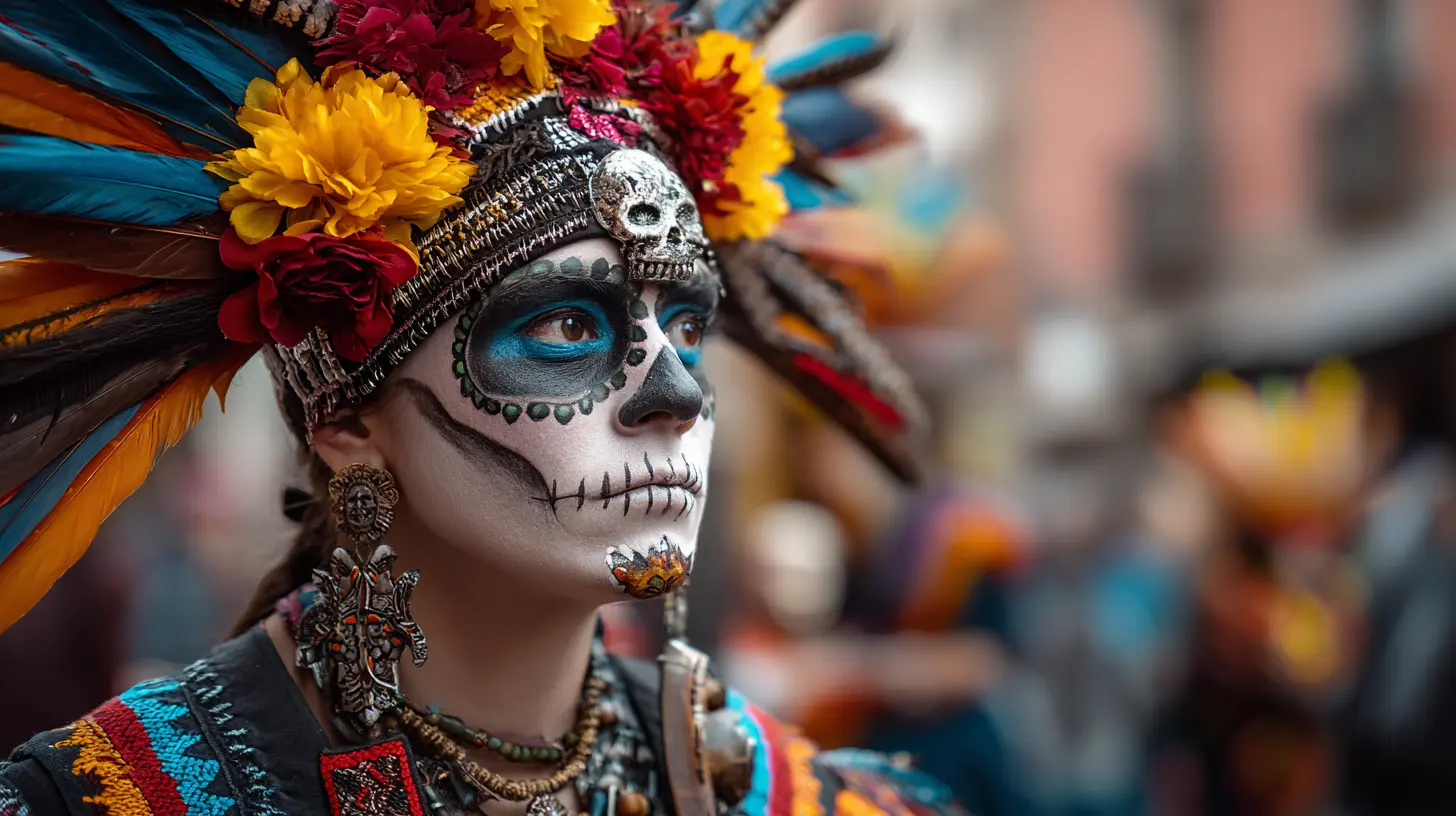
- La Catrina dress: Elegant, vintage-inspired dresses with lace and feathers. Think 1920s Mexico, not horror movie.
- Embroidered huipil: A traditional blouse worn by indigenous women. Buy from a cooperative, not a fast-fashion shop.
- Rebozo: A shawl that can be worn in dozens of ways. It’s practical and beautiful.
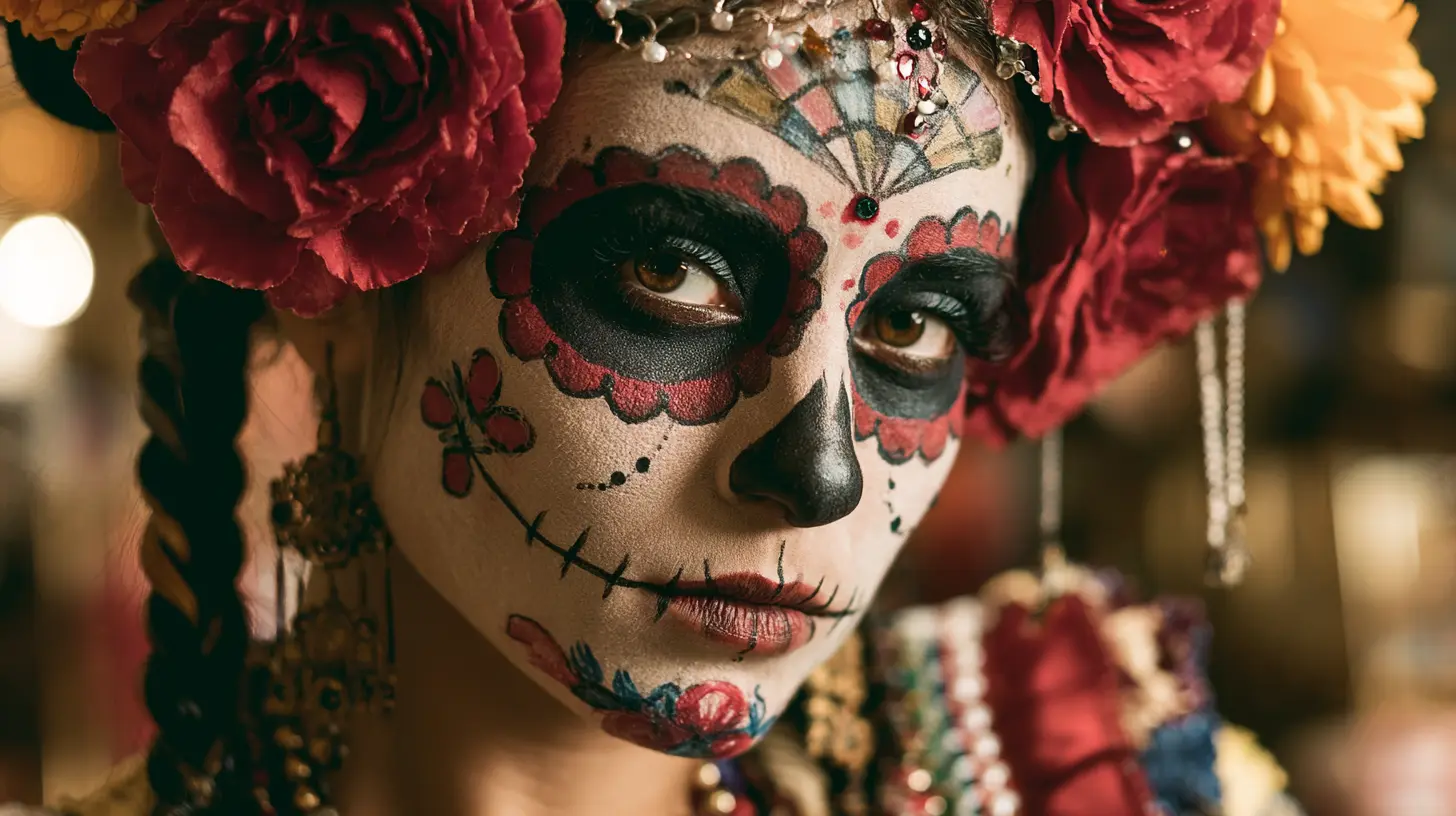
Face paint: If you do it, get it done by a local artist. They’ll explain the symbolism. Black represents the land of the dead. Yellow represents marigolds. White represents purity. Don’t just paint a skull because it looks cool.
7. Support Indigenous Communities Directly
Here’s a hard truth: Many “authentic” tours are run by outsiders. In 2026, you can do better. Seek out community-based tourism initiatives where the profits stay local.Look for:
- Cooperatives that offer homestays in indigenous villages.
- Workshops led by elders, not influencers.
- Artisans who sell directly, without middlemen.
Example: In the state of Oaxaca, the Ruta de los Muertos program connects travelers with Zapotec families. You’ll sleep in their home, eat their food, and participate in their private rituals. It’s not cheap, and it’s not easy. But it’s real.
8. Write a Letter to the Dead
This is a simple, powerful act that costs nothing. In 2026, before you travel, write a letter to someone you’ve lost. Tell them what you’ve been doing. Ask for their advice. Read it aloud at an altar or a grave.Why it works: Día de los Muertos is about dialogue. The dead don’t speak in words—they speak in memories, smells, and coincidences. Writing a letter opens a channel. You might not hear a reply, but you’ll feel something shift.
9. Avoid the “Day of the Dead” Parades (Yes, Really)
The big parade in Mexico City? It was invented for a James Bond movie. It’s fun, but it’s not authentic. In 2026, skip the spectacle and find the small processions.Where to find real parades:
- Xochimilco: The trajineras (colorful boats) carry altars through the canals. It’s intimate and beautiful.
- Tzintzuntzan: A Purepecha community that holds a “dance of the old men” in the cemetery.
- San Juan Chamula: Not technically Día de los Muertos, but their Day of the Dead traditions involve chanting, herbal smoke, and Coca-Cola offerings. It’s surreal.
10. Bring the Tradition Home—Forever
The most authentic celebration doesn’t end when you leave. In 2026, commit to carrying the tradition into your own life.How to do it:
- Plant marigolds in your garden every year.
- Keep a small ofrenda in your home year-round.
- Teach your kids about the cycle of life and death.
- Share the stories you learned in Mexico with your community.
Why this matters: Día de los Muertos isn’t a vacation activity. It’s a philosophy. It says death is not the end—it’s a transition. If you truly honor it, you’ll never see a graveyard the same way again.
Final Thoughts: The Dead Are Waiting
Look, I’m not going to sugarcoat it. Celebrating Día de los Muertos authentically takes effort. It means getting uncomfortable. It means sitting with grief. It means letting go of your phone and your ego. But the reward? You’ll feel connected to something bigger than yourself. You’ll taste the mole, smell the marigolds, and hear the whispers of ancestors who’ve been waiting centuries for someone to remember them.In 2026, be that someone. Not a tourist. A participant. A rememberer.
all images in this post were generated using AI tools
Category:
Cultural CelebrationsAuthor:
Shane Monroe
Discussion
rate this article
2 comments
Honor McVicar
Embrace local traditions and immerse yourself in vibrant festivities for a truly memorable Día de los Muertos.
May 1, 2026 at 3:22 PM
Shane Monroe
Absolutely! Engaging with local traditions makes the experience richer and more meaningful. Enjoy the festivities!
Yazmin Clarke
Love these authentic ideas!
April 30, 2026 at 4:38 AM
Shane Monroe
Thanks! I'm glad you enjoyed the ideas!