Backpacking Hacks Every Traveler Should Know Before 2026
29 April 2026
Let’s be real for a second: backpacking is equal parts magic and mess. You’ve got the dreamy sunsets, the spontaneous street-food feasts, and that heart-thumping feeling of stepping off a train into a city you’ve never seen before. But then there’s the other side—the soggy socks, the “where-did-I-put-my-passport” panic, and the moment your phone dies in the middle of nowhere. Sound familiar? By 2026, the backpacking game will have shifted under our feet. New tech, smarter gear, and a world that’s both more connected and more chaotic. So, how do you stay ahead of the curve without overpacking your brain (or your bag)? I’ve got your back. These aren’t your grandma’s packing tips—these are raw, real-world hacks that’ll turn you from a wandering rookie into a seasoned road warrior. Ready to dive in? Let’s go.

The Art of the “Less Is More” Packing Revolution
First things first: your backpack is not a clown car. You cannot keep stuffing things in and expect it to work out. By 2026, the golden rule is intentional minimalism. I’m talking about the kind of packing where every single item has at least three uses. That scarf? It’s a blanket on the night bus, a towel at the beach, and a makeshift pillow in a noisy hostel dorm. That’s not being cheap—that’s being smart.Here’s a hack that’ll blow your mind: roll your clothes, don’t fold them. I know, I know—everyone says that. But here’s the twist: roll them tightly around a small, empty water bottle. You’ll save space, and you’ll have a bottle ready to fill at the next airport. Also, ditch the “just in case” clothes. That extra pair of jeans you’ve been lugging around for “a nice dinner”? You’ll wear them twice, and they’ll weigh you down like a bad relationship. Instead, pack two pairs of quick-dry pants and three base layers. Mix, match, wash in a sink, and move on. By 2026, the best backpackers will look like they’re wearing a uniform—but it’s a uniform that works anywhere.
The Compression Cube Trick (That Actually Works)
You’ve seen those fancy compression cubes? Don’t buy them. Instead, use a heavy-duty Ziploc bag. Stuff your clothes in, sit on it to push the air out, and seal it. Boom—you’ve just saved 30% of your space for the price of a sandwich. And here’s the pro move: use one bag for dirty laundry and one for clean. That way, your clean socks don’t end up smelling like last week’s curry. It’s simple, it’s cheap, and it’s the kind of hack that makes you feel like a genius at 6 a.m. in a hostel lobby.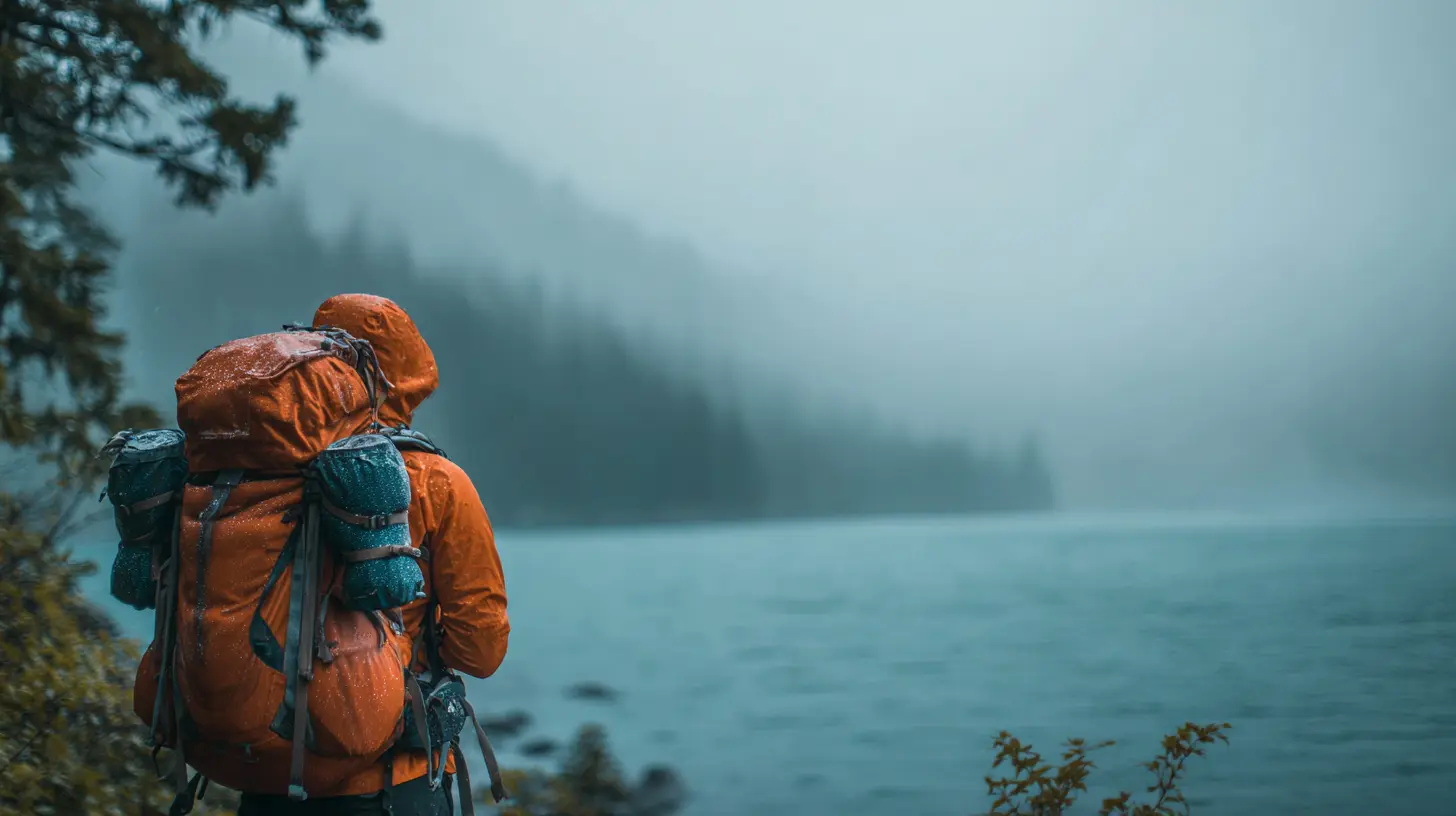
Digital Nomad Hacks for the Offline World
We’re heading into 2026, and the internet is everywhere—until it isn’t. You’ll be hiking in the Andes, and your maps app will suddenly give you the digital equivalent of a shrug. That’s when the real hacks kick in.First, download offline maps for every region you’re visiting. Google Maps lets you do this, but don’t stop there. Use an app like Maps.me or OsmAnd. They’re lighter, faster, and show footpaths that Google ignores. Second, carry a physical backup of your essential documents. I’m not talking about a printed passport—that’s risky. I’m talking about a waterproof card in your shoe with the number of your embassy, your bank’s international hotline, and a backup credit card number. Sounds paranoid? Maybe. But when your phone takes a dive into a Thai toilet, you’ll thank me.
The Power of the “Digital Detox” Day
Here’s a counterintuitive hack: schedule one day per week with no screens. No maps, no social media, no “checking in.” Just you, a paper map, and your gut. By 2026, the most memorable travel moments won’t be filtered through a lens—they’ll be the ones where you got lost, asked a local for directions, and ended up eating dinner with their family. Your phone is a tool, not a crutch. Use it like one.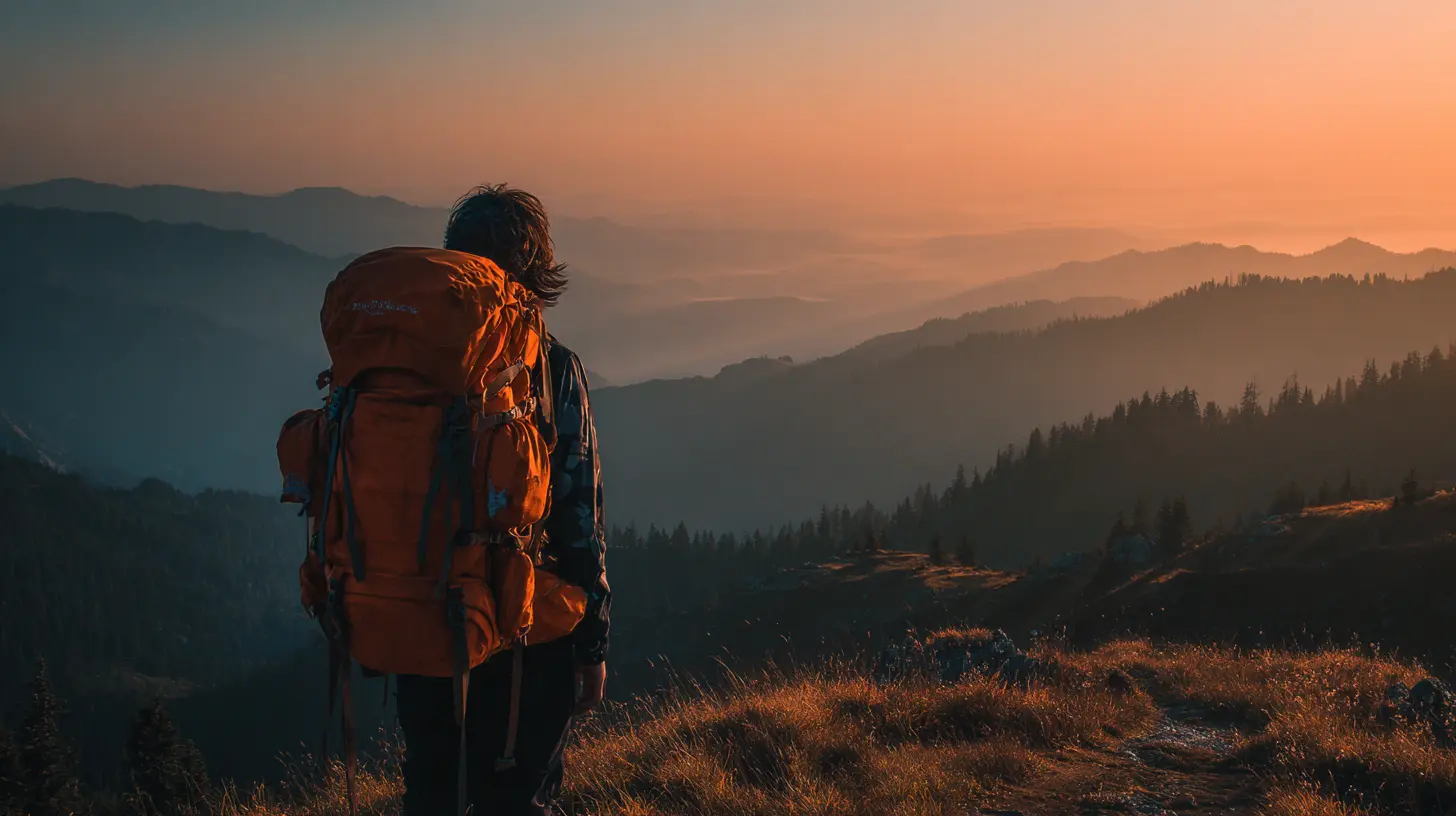
Money-Saving Hacks That Don’t Feel Like Sacrifice
Let’s talk about the elephant in the room: money. Backpacking on a budget doesn’t mean eating instant noodles every night. It means being clever with your cash. By 2026, the sharing economy will be even bigger, but you need to know where to look.First, ditch the traditional travel cards. Banks are catching on, and the fees are sneaky. Instead, use a digital wallet like Wise or Revolut. You can hold multiple currencies, convert at the real exchange rate, and freeze your card instantly if it gets stolen. Second, embrace the “free walking tour” culture. Almost every major city has them. You tip what you can, and you get a local’s perspective—not a sanitized tour-bus version. But here’s the hack: after the tour, ask your guide where they eat. Not where the tourists eat. That’s where you’ll find a $3 meal that tastes like heaven.
The Grocery Store Game Changer
You know what’s cheaper than street food? Grocery stores. And not just for snacks. In many countries, you can grab a pre-made sandwich, a piece of fruit, and a yogurt for under $5. But the real hack is the bakery section. In Europe, you can get a fresh baguette for a euro. In Asia, look for the hot food counters near the back. You’ll eat like a local, save a fortune, and avoid the tourist-trap prices. Plus, you get to practice your charades skills when you can’t read the labels. Win-win.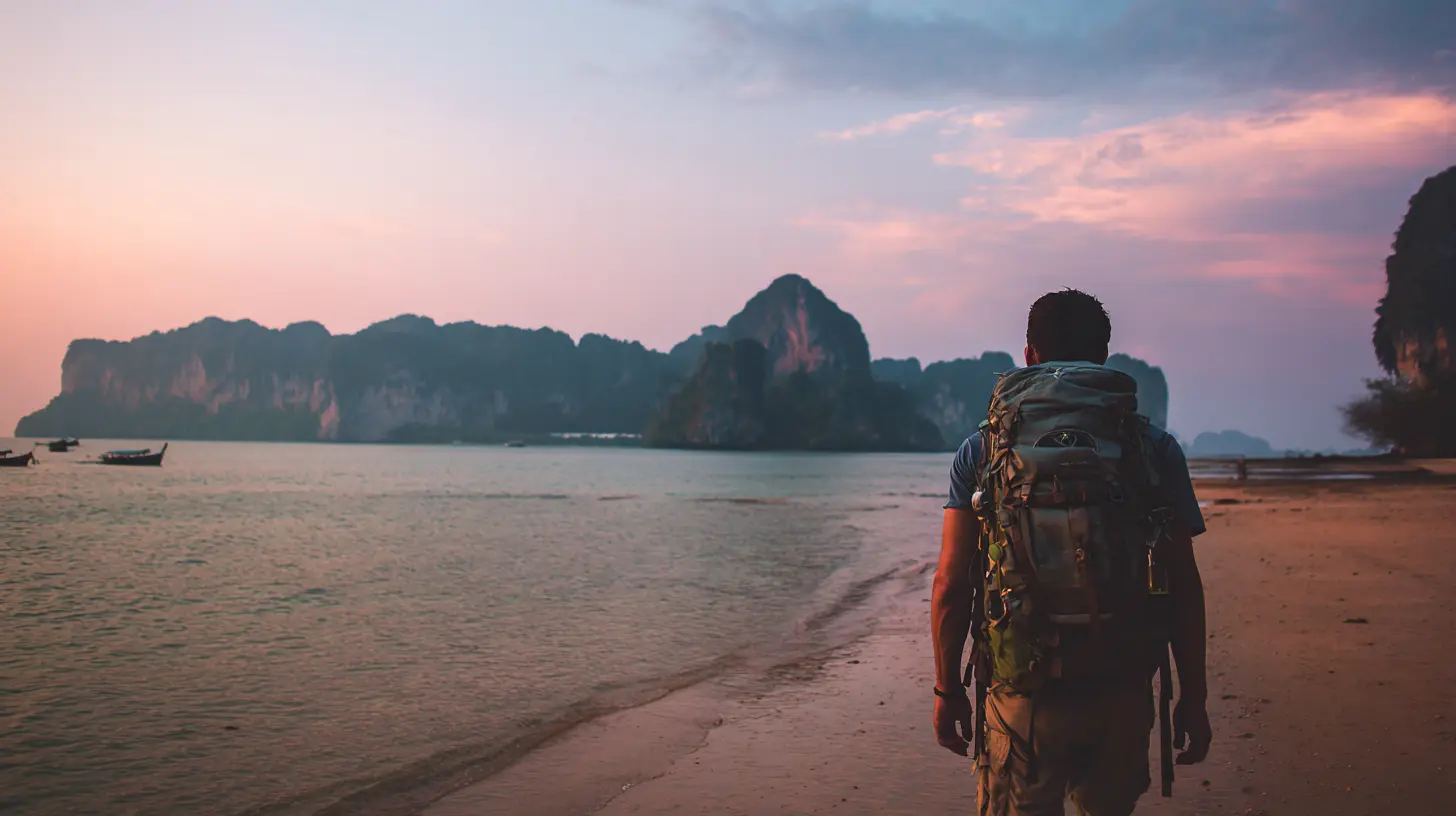
Health and Safety Hacks That Keep You Rolling
Nothing kills a backpacking trip faster than getting sick or losing your stuff. But here’s the thing: most travel disasters are preventable with a little forethought. By 2026, the savvy traveler will have a few non-negotiables.First, always carry a small “sick kit.” I’m talking about rehydration salts, anti-diarrheal pills, and a basic antibiotic (check local laws). When you’re in a remote village and the water doesn’t agree with you, these little packets are worth their weight in gold. Second, use a wire combination lock—not a keyed one. Keys get lost. Combinations get remembered. And attach that lock to your bag’s zippers, not just the main compartment. Thieves are sneaky, but a lock on every zipper is a deterrent they’ll usually skip.
The “Don’t Look Like a Tourist” Hack
You know what screams “tourist”? A giant camera around your neck, a map flapping in the wind, and sandals with socks. By 2026, blend in by dressing like a local. That doesn’t mean buying a whole new wardrobe—it means wearing neutral colors, ditching the branded gear, and walking with purpose. If you’re lost, duck into a café, pull out your phone discreetly, and check your map. Don’t stand on a street corner looking confused. That’s an invitation for trouble. Walk like you know where you’re going, even if you don’t. Confidence is your best defense.Food Hacks for the Adventurous (and Picky) Eater
Let’s be honest: eating on the road is a rollercoaster. One day you’re having the best pad thai of your life; the next day you’re staring at a mystery meat skewer wondering if it’s chicken or something that used to have feathers. By 2026, the hack is to embrace the chaos—but with a safety net.Always carry a small spice kit. A tiny container of salt, pepper, and chili flakes can transform a bland meal into something memorable. And here’s a weird one: pack a few tea bags. Not for tea—for when the water tastes funky. A strong mint tea can mask the chlorine taste and settle your stomach. Also, learn the phrase “no sugar” in the local language. In many countries, drinks come pre-sweetened, and you’ll be shocked at how much sugar you’re consuming. Trust me, your energy levels will thank you.
The Street Food Rule of Thumb
Here’s a simple hack: eat where the locals eat, but watch for the line. A long line means fresh food and high turnover. That’s good. But also watch how the vendor handles money. If they touch cash and then food without washing hands? Move on. Your stomach will thank you. And never, ever eat from a buffet that looks like it’s been sitting out for hours. That’s a one-way ticket to a bad day.
Transportation Hacks for the Budget-Conscious Wanderer
Getting from A to B can eat up half your budget if you’re not careful. By 2026, the smart backpacker will use a mix of old-school and new-school tricks.First, use “flight subscription” services. Companies like Skiplagged or Going (formerly Scott’s Cheap Flights) send you deals that are often 50% off. But here’s the hack: book your flights in an incognito window. Airlines track your searches and raise prices. Clear your cookies, or use a different device. Second, consider overnight buses and trains. You save on accommodation, and you wake up in a new city. It’s not glamorous—I’ve spent many a night with my head against a cold window—but it’s efficient. Bring a neck pillow that actually works (the inflatable ones are trash; get a memory foam one that compresses) and a sleep mask. You’ll arrive semi-rested and ready to go.
The Local Transport Secret
In many countries, the local bus or minivan is cheaper and more interesting than the tourist shuttle. But you need to know the system. Ask your hostel receptionist for the “local route” and the price. Then, when you get on, pay exactly that amount—no more. Drivers sometimes try to overcharge foreigners. Be polite but firm. And sit near the front if you can. The back gets bumpy, and the exhaust fumes are real.Social Hacks for Making Friends (and Avoiding Weirdos)
Backpacking is lonely until it’s not. By 2026, the best way to meet people is to go where they congregate: hostel common rooms, free walking tours, and cooking classes. But here’s a hack that’s gold: bring a deck of cards. Sounds simple, right? But a game of Uno or Crazy Eights breaks the ice faster than any “hey, where are you from?” Nothing bonds strangers like a competitive round of card games. And if you’re shy, just sit near the common area with your cards out. Someone will come over. They always do.The “Safety in Numbers” Rule
When you meet new people, trust your gut. If someone gives you a weird vibe, you don’t owe them an explanation. Just say, “I’m meeting a friend,” and walk away. Also, never share your exact accommodation details with someone you just met. Say the neighborhood, not the hostel name. And if you’re going out at night, make sure someone back at your hostel knows where you are. It’s not paranoia—it’s common sense.
Packing Hacks for the Tech-Savvy Traveler
By 2026, your tech will be lighter and smarter. But here’s the catch: you’ll also have more gadgets to charge. The hack is a universal power bank with multiple ports. Get one that’s at least 20,000 mAh—anything less is a toy. And bring a multi-cable that has USB-C, Lightning, and micro-USB all in one. It’s one cable to rule them all. Also, ditch the bulky laptop if you can. A tablet with a keyboard cover does 90% of what a laptop does, and it weighs half as much. Your back will thank you after a long day of walking.The “Offline Entertainment” Hack
You’ll have dead zones. Lots of them. So before you leave, download Netflix shows, podcasts, and ebooks. But here’s the hack: download content in the local language. It’s a great way to learn phrases without even trying. And if you’re on a long bus ride, a downloaded audiobook can turn a boring stretch into a storytime adventure. Just remember to bring earbuds—wired ones are more reliable than Bluetooth in remote areas.The Mindset Hack That Changes Everything
Here’s the biggest hack of all: let go of the plan. By 2026, the best backpackers are the ones who embrace the detours. You will miss a bus. You will eat something that disagrees with you. You will get lost. And that’s where the magic lives. When you stop trying to control every detail, you open yourself up to the unexpected—the invitation to a wedding, the hidden waterfall, the conversation that changes your perspective. A rigid itinerary is like a straitjacket. A loose plan is a roadmap with room for adventure.So, as you gear up for 2026, remember this: the best hack is your own attitude. Pack light, stay curious, and trust the journey. The road is waiting, and it’s going to be one hell of a ride.
all images in this post were generated using AI tools
Category:
Backpacking TipsAuthor:

Shane Monroe
Discussion
rate this article
2 comments
Xeno McMichael
Travel light, embrace adventure, and let every experience shape your unforgettable journey ahead!
May 10, 2026 at 3:18 AM
Shane Monroe
Absolutely! Traveling light opens up endless possibilities for adventure. Embrace every moment and make it count!
Gwen Ruiz
Packing light is key, but don't forget snacks. A well-fed traveler is a happy traveler... and maybe even a bit less grumpy on the trail!
May 9, 2026 at 3:38 PM
Shane Monroe
Absolutely! Snacks can make all the difference. A little fuel goes a long way on the trail. Happy travels!