Best Festivals for Dance, Rhythm, and Movement in 2026
7 October 2026
Dance travel is one of the fastest growing niches in global tourism, and 2026 offers a rare alignment of major cultural anniversaries, biennials, and citywide celebrations. This guide is written for travelers who want more than a stage performance. It is for people who want to feel a bass line move through a crowd, join a procession, learn a step from a stranger, or sit in a hall where silence and rhythm share the same room.
I have organized this by the kind of movement experience each festival delivers: street carnival, sacred ritual, contemporary stage, folk competition, and immersive electronic gathering. Along the way I explain why each event works the way it does, when it is worth the trip, and what can go wrong if you plan poorly.
How to Think About Dance Festivals Before You Book
Not all dance festivals reward the same traveler. Before you choose, decide which of these three roles fits you.A spectator wants world-class programming, assigned seating, and predictable logistics. A participant wants to move, which means workshops, open floors, and processions where outsiders are genuinely welcome. A pilgrim wants atmosphere and ritual, accepting discomfort, crowds, and limited control in exchange for something that cannot be staged.
Most disappointment in dance travel comes from mixing these up. Someone books a participant trip to a spectator event and spends a week watching from a plastic chair. Someone else books a spectator trip to a participant festival and feels lost in chaos. Match the event to your role, and everything else becomes easier.
Three practical filters matter more than people expect.
First, timing within the festival. Opening nights are polished and crowded. Mid-festival often has the best workshop availability. Final nights carry the emotional peak but also the highest prices and the tightest transport.
Second, physical demand. A week of standing, dancing, and walking on cobblestones is a real athletic event. If you are not conditioned for it, build rest days into the itinerary rather than pretending you will power through.
Third, cultural rules around the body. Some festivals welcome improvised contact. Others expect specific dress, specific steps, or respectful distance. Reading up on this is not political correctness. It is the difference between being invited in and being tolerated.
Carnival and Street Festivals: Movement at Maximum Scale
Rio de Janeiro Carnival, Brazil
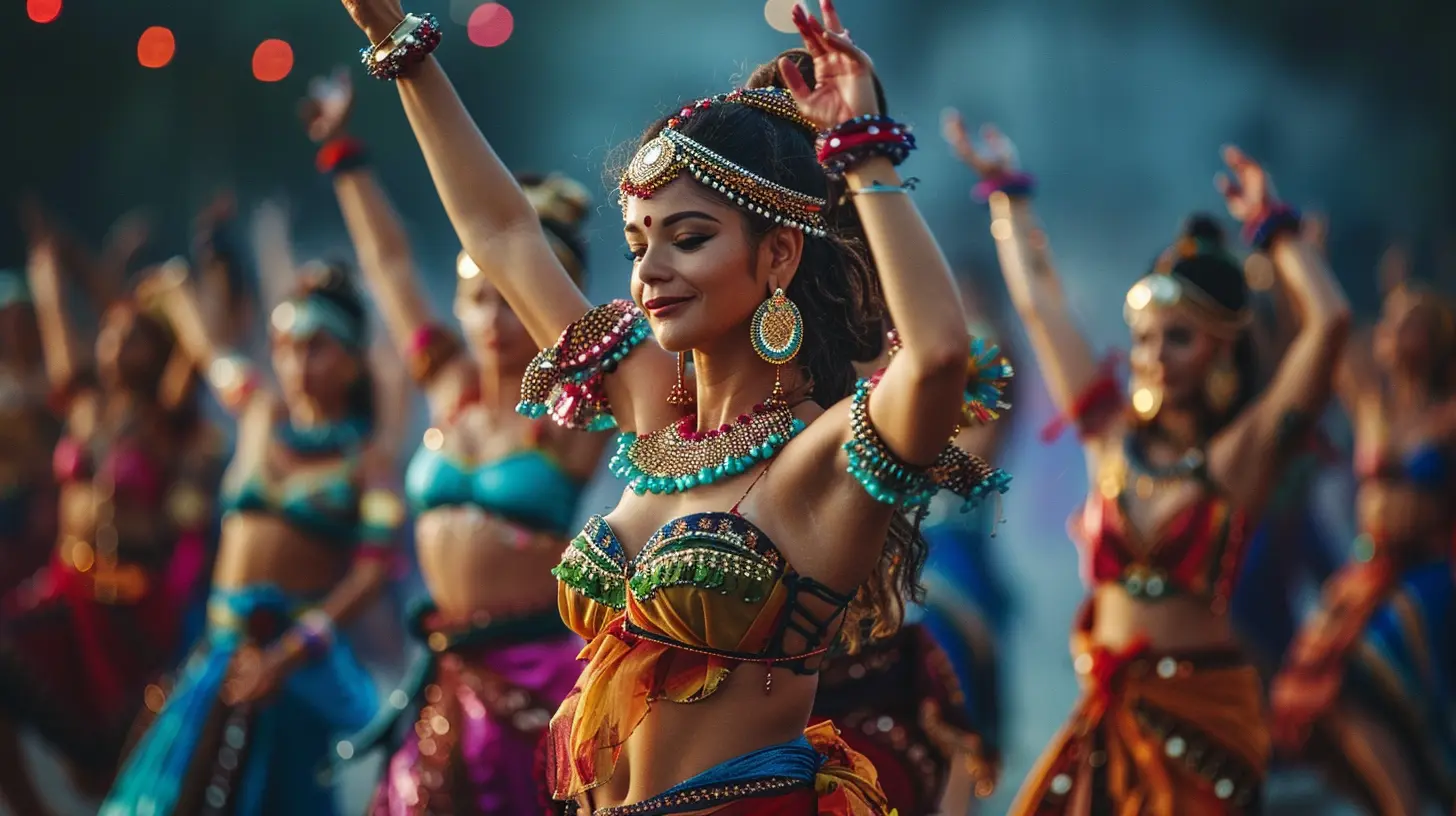
Rio's Carnival is the largest and most famous carnival on earth, and in 2026 it will again dominate February. The competitive parades at the Sambadrome are the headline, with samba schools presenting elaborately choreographed processions that combine percussion batteries, floats, and thousands of costumed dancers. The street carnival, known as blocos, is the other half of the story and arguably the more interesting one for travelers who want to move rather than watch.Why it works: Rio treats rhythm as infrastructure. The bateria, a drum section of dozens or hundreds of percussionists, drives the tempo for the entire procession, and the crowd's movement is not an add-on but the point. The city also has an unusually deep ecosystem of samba schools that rehearse publicly in the months before Carnival, which gives visitors a way to participate long before the main event.
Trade-offs: February heat, intense crowding, and safety concerns in certain areas. Sambadrome tickets range from affordable bleachers to expensive camarote boxes, and the cheapest seats have restricted views. If you want to dance rather than observe, prioritize blocos and samba school rehearsals over the parade itself.
Practical advice: Book accommodation six to twelve months ahead. Stay in neighborhoods with easy metro access. Learn a few basic samba steps before you go, not because anyone will judge you, but because knowing the footwork lets you last longer in a bloco without tripping the people around you.
Trinidad and Tobago Carnival
Trinidad's Carnival is smaller than Rio's and, for many dancers, better. It is a two-day street event with a structure that encourages full participation: mas bands, which are organized costume groups, accept paying members who then dance the route with their band. You are not watching a parade. You are in it.Why it works: The music is built for it. Soca, calypso, and chutney soca are tempo-driven genres designed for continuous movement, and the bands provide music trucks that keep the energy constant. The costume system also creates instant community, since you are moving with the same group for two days.
Trade-offs: Costumes are a significant expense, and the best bands sell out early. The heat and the pace are punishing. Some visitors underestimate the physical toll of dancing for two full days in costume.
Practical advice: If you want the full participant experience, join a band and attend the pre-Carnival fetes to build stamina and learn the songs. If you prefer to watch, Port of Spain has viewing areas, but the festival is designed for insiders, and outsiders often feel like they are missing the point.
Sacred and Ritual Dance: When Movement Is Prayer
Kandy Esala Perahera, Sri Lanka
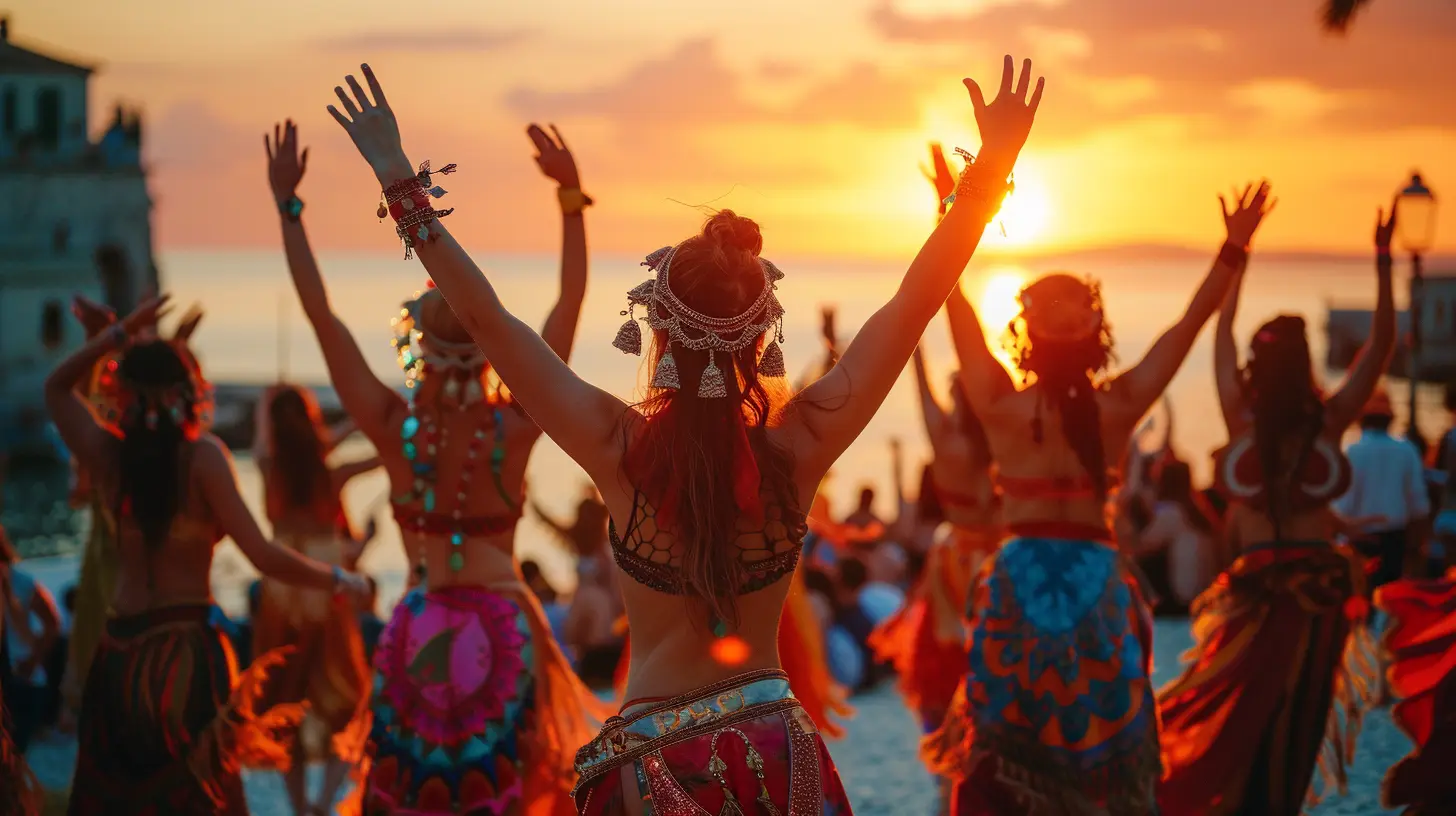
The Esala Perahera in Kandy is one of Asia's great ritual processions, held annually in July or August. It features traditional dancers, drummers, acrobats, and decorated elephants moving through the streets in a sequence that has been refined over centuries. In 2026 it falls in the midsummer window, which makes it combinable with a broader Sri Lanka itinerary.Why it works: The performance is not entertainment in the Western sense. It is a religious observance, and that gives the movement a gravity that staged shows rarely achieve. The drumming patterns, the Kandyan dance postures, and the pacing of the procession all carry meaning that has been preserved across generations.
Trade-offs: Seating is a real issue. Good views require reserving a seat along the route, and prices for premium positions are high. The event is also crowded, and the ethical questions around captive elephants are worth taking seriously. Travelers who object to animal performances should consider watching the dancer and drummer segments rather than the full procession.
Practical advice: Reserve seating through a reputable local operator. Arrive early. Treat the event as a religious service, not a photo opportunity, and follow local guidance on dress and behavior.
Gerewol, Niger and Chad
Gerewol is a Fulani courtship and cultural festival in the Sahel, where young men perform elaborate dance and display routines, often with painted faces and dramatic adornment. It is one of the most visually striking movement traditions in Africa, and it is also one of the most logistically demanding for outsiders.Why it works: The dance is competitive and personal. Men dance for hours, and the judging is based on stamina, grace, and expression. The result is a form of movement that is both individual and communal, which is rare in festival settings.
Trade-offs: Security and access are serious concerns in the region. Travel to the Sahel requires careful research, local guidance, and a realistic assessment of risk. This is not a festival to book casually.
Practical advice: If you are considering it, work with established operators who have current on-the-ground knowledge. Be prepared for uncertainty, and have a contingency plan.
Contemporary and Stage Festivals: Precision, Innovation, and Craft
Jacob's Pillow Dance Festival, Massachusetts, United States
Jacob's Pillow is one of the oldest and most respected dance festivals in the United States, running a summer season in the Berkshire hills. It combines mainstage performances, free outdoor shows, artist residencies, and dance classes in a setting that encourages both watching and doing.Why it works: The programming is curated rather than commercial. You are likely to see companies from around the world alongside emerging choreographers, and the intimate theaters mean there is no bad seat. The festival also takes education seriously, which makes it a good choice for dancers who want to train as well as watch.
Trade-offs: It is not a party festival. The atmosphere is focused and scholarly. Accommodation in the Berkshires is expensive in summer, and you need a car or a willingness to use shuttles.
Practical advice: Book mainstage tickets as soon as the season is announced. Add a workshop or class if you want the participant experience. Combine it with nearby Tanglewood if you also care about music.
Festival Montpellier Danse, France
Montpellier Danse is a major European contemporary dance festival held each summer, known for commissioning new work and presenting international companies. It is a festival for people who care about choreography as an art form, not just as spectacle.Why it works: The festival has strong relationships with choreographers, which means premieres and works-in-progress rather than touring greatest hits. The city is walkable, and the festival uses multiple venues, from historic courtyards to modern theaters.
Trade-offs: Contemporary dance can be challenging. If your taste runs toward narrative or virtuosic spectacle, some programming may feel abstract. The festival is also less participatory than carnival-style events.
Practical advice: Read the program notes before booking. Choose a mix of established names and unfamiliar artists. Many performances are in French, but dance travels well across language barriers.
Folk and Competitive Dance: Where Tradition Meets Athleticism
International Folk Dance Festival, various locations
Folk dance festivals occur across Europe, Asia, and Latin America, often as competitions or cultural exchanges. They are valuable because they preserve specific regional forms and because they are usually affordable and accessible.Why they work: Competition raises the level of execution. You see dancers who have trained in a tradition for years, performing steps that carry local history. The atmosphere is often warm and community-oriented.
Trade-offs: Quality varies widely. Some festivals are tourist-oriented and staged; others are genuine community events. Research the specific edition rather than assuming all folk festivals are equal.
Practical advice: Look for festivals affiliated with national folk dance organizations or UNESCO-recognized traditions. Attend the competition rounds rather than the gala, since the gala is often a condensed and less interesting version.
Flamenco Festivals in Andalusia, Spain
Andalusia hosts numerous flamenco festivals, from large events in Seville and Jerez to smaller peñas in Granada and Malaga. Flamenco is a form where rhythm, movement, and emotion are inseparable, and the best performances happen in small rooms rather than large theaters.Why they work: The structure of flamenco, with its compás, cante, and baile, creates a feedback loop between musicians and dancers. In a small venue, you feel the footwork in your chest.
Trade-offs: Tourist-oriented tablaos can be expensive and mediocre. The best performances are often in peñas, which are member-run clubs with limited seating and no English menus.
Practical advice: Go to Jerez during the Feria de Jerez if you want the deep end. For a first trip, Seville's Bienal de Flamenco in even years is a strong introduction, but check the schedule since it does not run annually. In 2026, plan around the Seville and Jerez calendar and book peña tickets through local contacts or hotel concierges.
Electronic and Immersive Dance: Rhythm as Environment
Amsterdam Dance Event, Netherlands
ADE is one of the largest electronic music gatherings in the world, held each October. It combines a conference with hundreds of club nights, and it draws artists and fans from across the globe.Why it works: The scale means you can hear almost any subgenre, from techno to ambient to experimental bass. The city's club culture is sophisticated, and venues like Paradiso and Shelter have serious sound systems.
Trade-offs: It is overwhelming. Tickets for headline events sell out fast, and the best parties are often the smaller ones that are harder to find. October weather in Amsterdam is grey and wet.
Practical advice: Buy a festival wristband if you want flexibility. Focus on daytime conference panels if you want context, and pick two or three nighttime events rather than trying to do everything. Pace yourself, because the festival runs for five days.
Movement Detroit, United States
Movement Detroit is a long-running electronic music festival held over Memorial Day weekend in Hart Plaza. It is known for its focus on techno, house, and the Detroit traditions that shaped both genres.Why it works: The festival respects its roots. You will hear artists who have been part of Detroit's scene for decades alongside newer acts, and the riverfront setting gives the event a distinct atmosphere.
Trade-offs: The weather can be hot or stormy. The lineup skews toward underground sounds, which is a strength if you know the genre and a barrier if you do not.
Practical advice: Book accommodation early, since Memorial Day weekend is busy. If you are new to techno, spend a few weeks listening to Detroit artists before you go. The music makes more sense when you understand its history.
How to Choose the Right Festival for You
If you want maximum participation, choose Trinidad Carnival, Rio blocos, or a folk festival with open workshops. If you want ritual and atmosphere, choose Kandy Esala Perahera or a flamenco peña. If you want craft and innovation, choose Jacob's Pillow or Montpellier Danse. If you want immersion in electronic culture, choose ADE or Movement Detroit.Consider these trade-offs honestly.
Budget versus access. Cheaper tickets usually mean worse views and more crowding. The premium you pay for a good seat or a band membership often determines whether you enjoy the event at all.
Comfort versus authenticity. The most authentic experiences are often the least comfortable. This is not a moral judgment. It is a practical one. Decide in advance how much discomfort you are willing to accept.
Planning versus spontaneity. Some festivals reward deep preparation, especially those with limited seating or complex logistics. Others, like street carnivals, reward flexibility and a willingness to follow the crowd.
Common Mistakes to Avoid
Booking flights before checking the festival calendar. Many festivals move dates, and 2026 has several anniversaries and biennials that shift schedules.Assuming you can buy tickets at the door. Major festivals sell out months in advance.
Ignoring physical preparation. Dance festivals are athletic events. Train your feet, your stamina, and your sleep schedule.
Treating sacred events as photo opportunities. This is the fastest way to be unwelcome.
Skipping the local language. Learning a few phrases in Portuguese, Spanish, or French changes how people treat you.
Overpacking. You will be moving, sweating, and walking. Bring less than you think you need.
Final Thoughts
The best dance festival is the one that matches your role, your budget, and your tolerance for chaos. In 2026, the calendar offers everything from two-day street marathons to intimate flamenco rooms to large-scale electronic gatherings. Choose deliberately, prepare physically, respect the culture, and leave room for the unexpected. The moments you remember will not be the ones you planned.
all images in this post were generated using AI tools
Category:
Festivals And EventsAuthor:
Shane Monroe