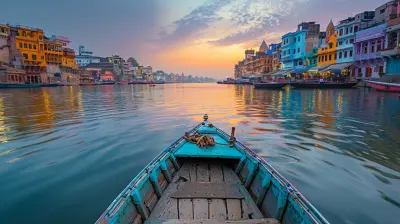
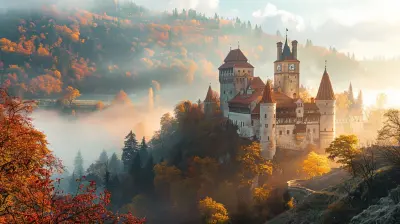
Capturing the Essence of a Place: A Beginner’s Guide to Street Photography
17 March 2026
Ever walk down an unfamiliar street, heart thumping with excitement, eyes darting between vendors, graffiti-tagged alleyways, and coffee-sipping locals? That’s the magic of street photography — freezing those fleeting moments that scream, “This is what life looks like here.”
Welcome, camera slinger. Whether you're carrying a fancy DSLR, a modest mirrorless, or just your trusty smartphone, this beginner’s guide to street photography will help you capture more than just pictures — it’ll help you bottle emotion, motion, and atmosphere in each shot.
Let’s break it down, step-by-step.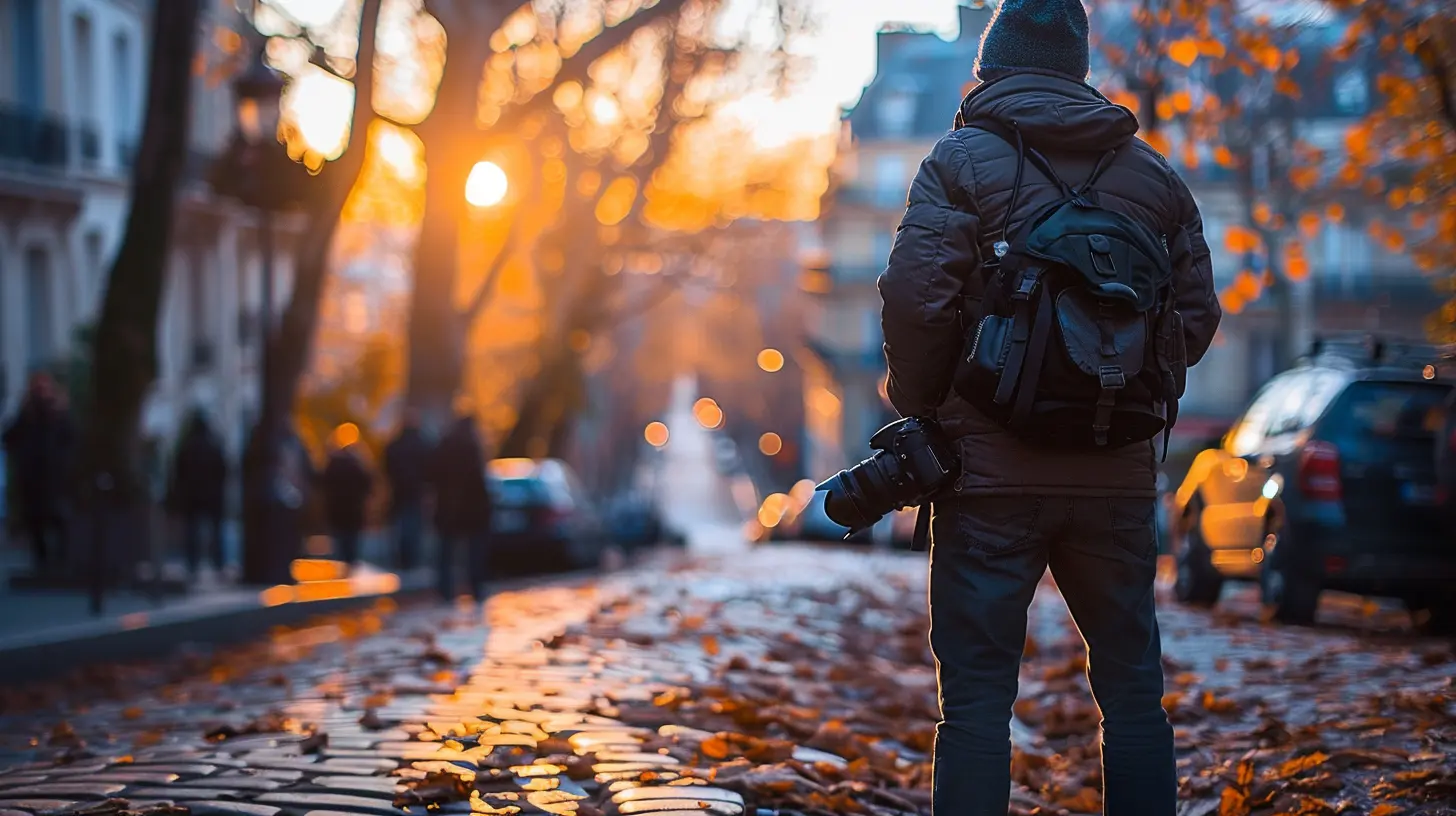
What Is Street Photography Anyway?
Street photography isn’t just about snapping pictures of random people on sidewalks. It’s visual storytelling. Think of it as candid journalism with a creative twist. You’re capturing real life — unscripted, unfiltered, and unapologetically raw.It's that split second where a street musician nods to his own rhythm, a child splashes into a puddle, or a beam of light perfectly highlights a wrinkled smile. It’s about connection.
And guess what? You don’t need to be in New York, Paris, or Tokyo. Every place, from sleepy villages to buzzing capitals, has its own heartbeat waiting to be captured.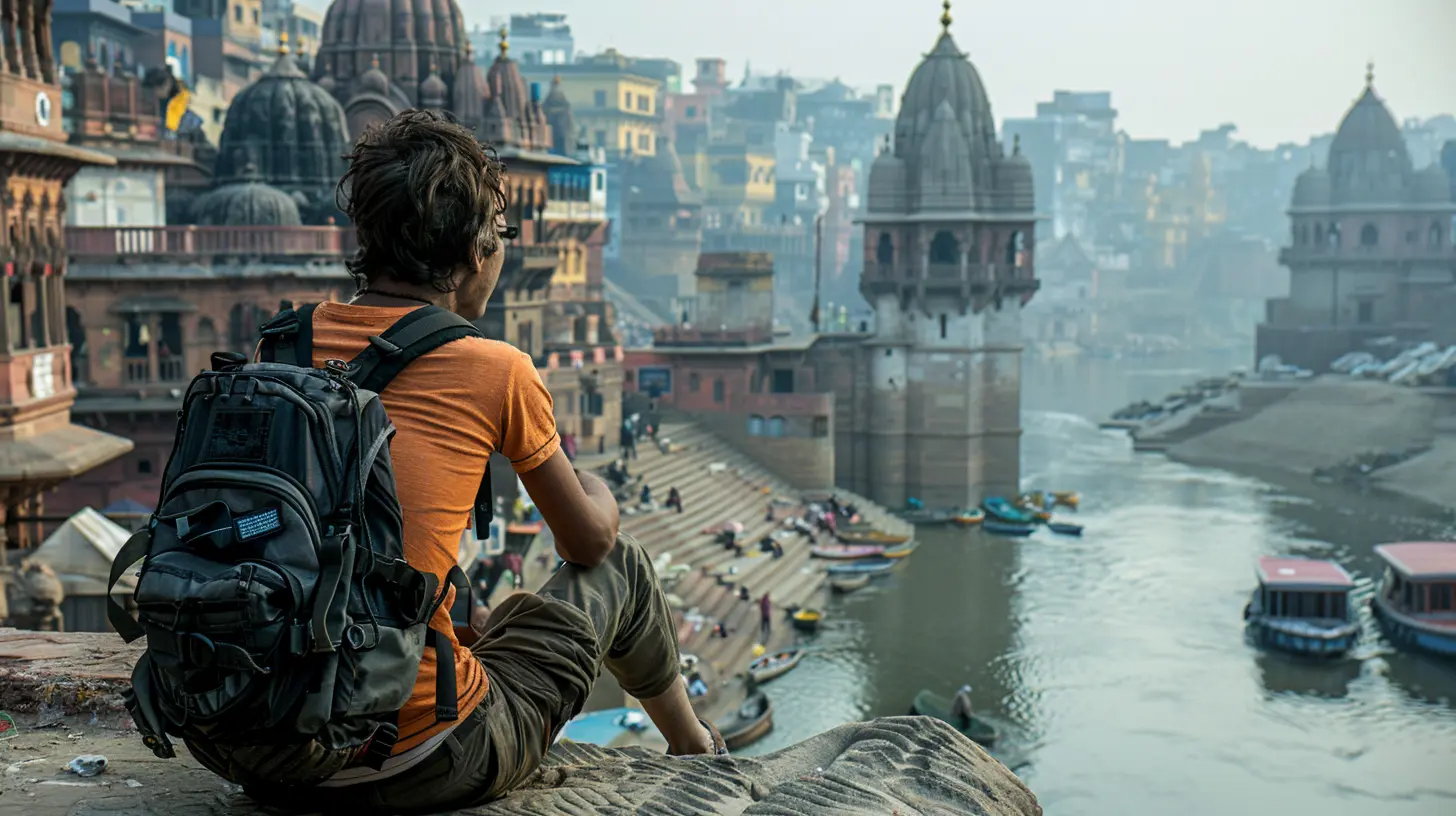
Start With Simplicity: Gear Doesn’t Define You
You don’t need the latest full-frame beast to make magic happen. Truth is, in street photography, big cameras can even make people uncomfortable. The best gear? Whatever you can handle confidently and discreetly.What Should You Use?
- Smartphones: Yep, they’re legit. People act more naturally around them.- Compact Cameras/Mirrorless: Lightweight, quick to shoot. Ideal if you want quality without fuss.
- DSLRs: Great image quality, but bulky and sometimes intimidating to subjects.
Bottom line? Use what feels natural in your hands. The less you think about your camera, the more you can focus on what you’re shooting.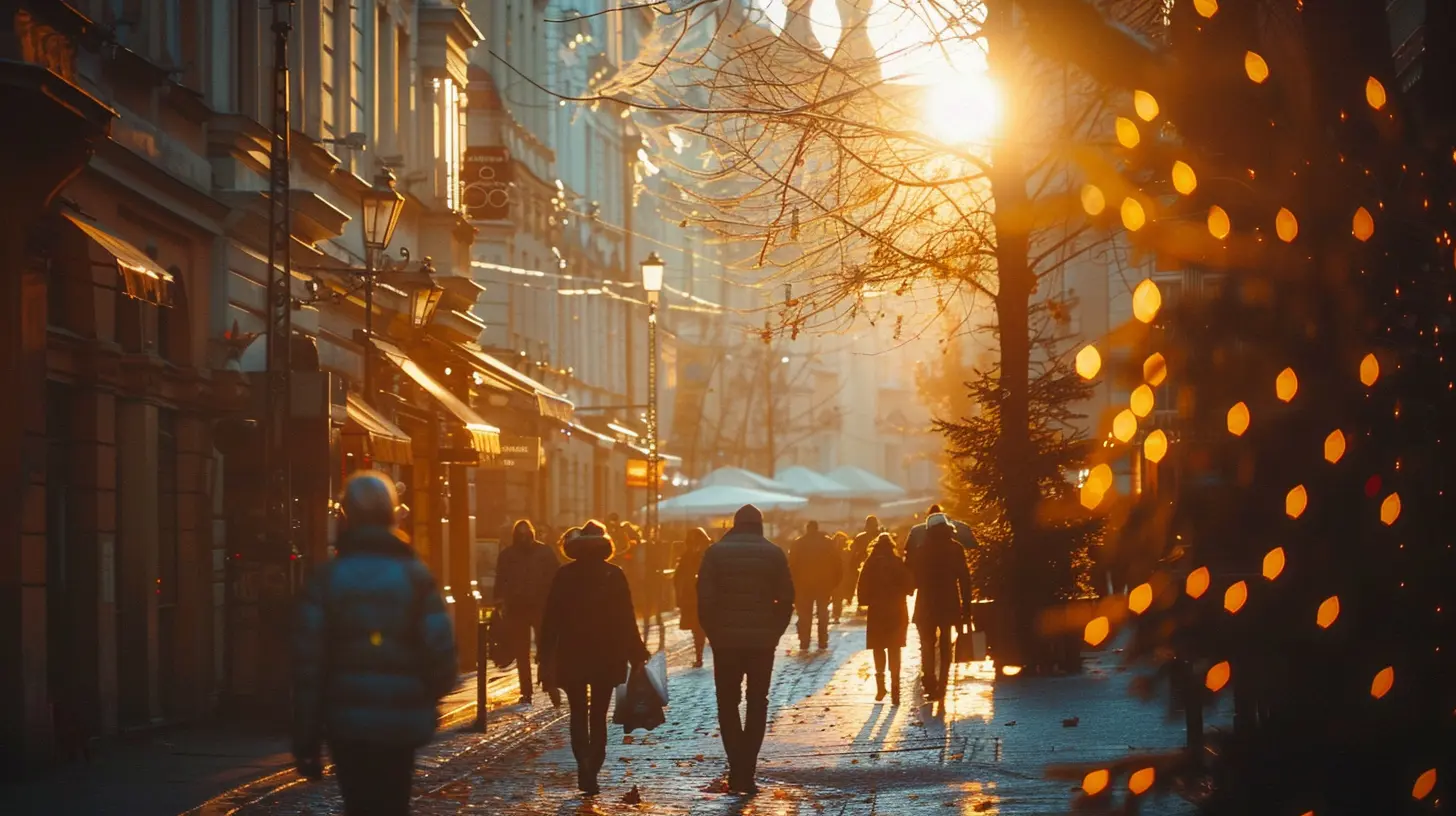
Mastering the Art of Observation
Before you shoot anything, stop. Watch.Street photography is 90% observation and 10% reaction. The more you watch, the more you'll notice tiny dramas unfolding: couples arguing in soft whispers, kids chasing pigeons, an old man lighting a cigarette under a flickering neon sign. Gold, right?
Pro Tips for Building the Eye:
- Find a Spot and Stay Put: Let the street come to you. Great scenes unfold when you’re patient.- Scan for Contrast: Light vs. shadow, young vs. old, old architecture vs. modern styles — the tension tells a story.
- Look for Layers: Foreground, middle, background. It adds depth to your shots.
- Listen As Much As You Look: Sound often signals action. A sudden laugh, heels clicking, street musicians tuning up — pay attention.
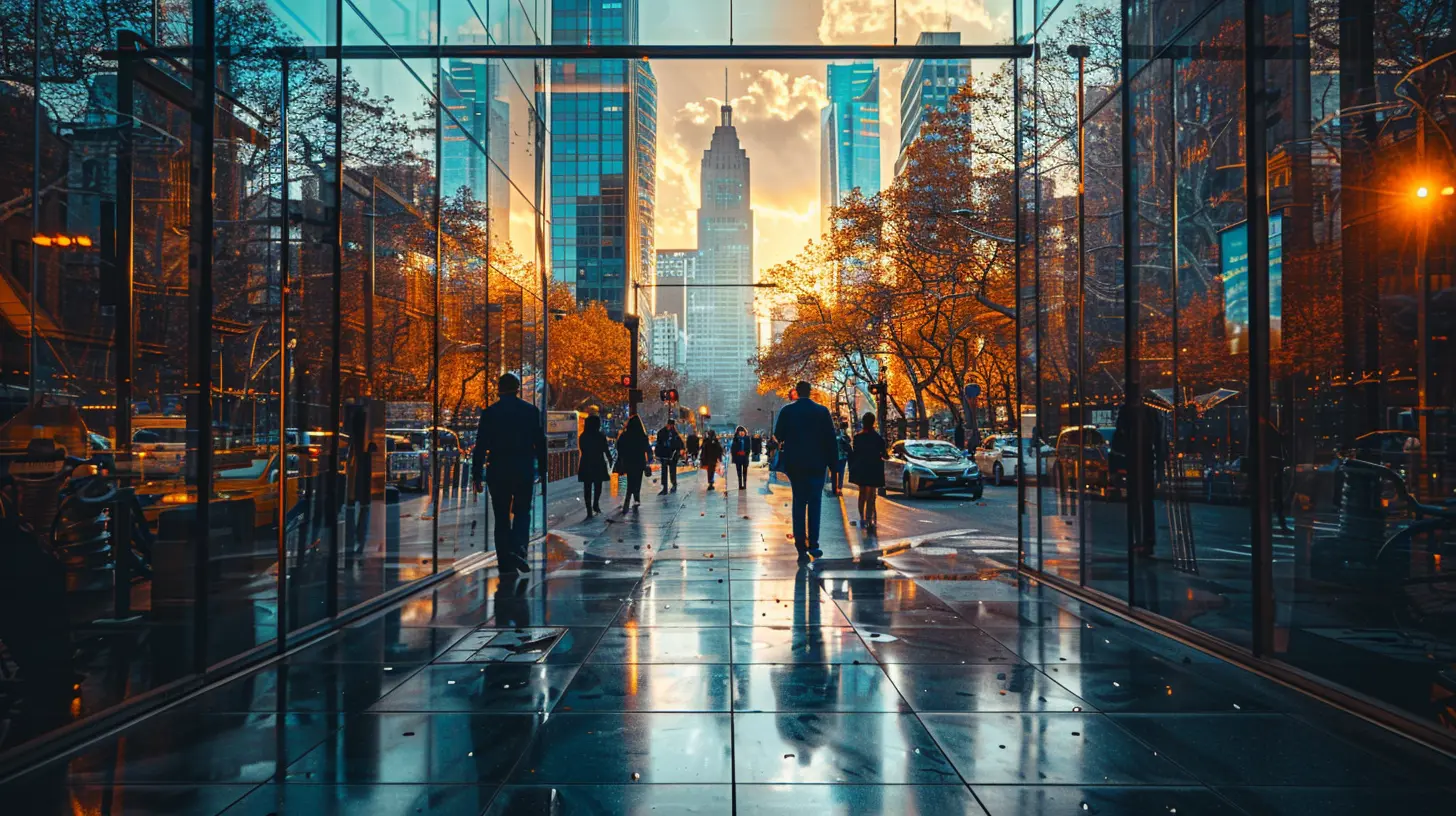
Light – Your Silent Partner
Light is the invisible paintbrush that shapes your images. In street photography, natural light rules the game.The Golden Hours (Morning & Evening)
Soft, warm, dramatic. Shadows stretch, textures pop, and everything feels cinematic.High Noon
Harsh light, but don’t avoid it. Use shadows creatively — find patterns, silhouettes, or reflections.Night Streets
Love a challenge? Grab a fast lens, crank up your ISO, and dive into the glow of neon signs, streetlamps, and headlights.Remember: Bad light doesn’t exist — only light you haven’t figured out how to use yet.
Composition Without Composition
Sounds contradictory, right? But street photography often ignores traditional rules. Still, it pays to know the basics before you start breaking them.Quick Composition Tips:
- Rule of Thirds: Still golden. Place key subjects on or near the lines/corners.- Leading Lines: Use roads, fences, or shadows to guide the viewer’s eye.
- Framing: Use windows, doors, or even people to frame your subject.
- Reflections: Mirrors, puddles, shop windows — turn everyday stuff into eye candy.
- Negative Space: Don’t cram your frame. Sometimes empty space tells more than a crowded shot.
And remember — a good photograph asks questions. Let your framing trigger curiosity.
To Shoot or Not to Shoot: The Ethics of Candid Photos
Here’s the elephant in the room: privacy, respect, and personal boundaries.You’re not a paparazzo. You’re a storyteller. A good street photographer is invisible — respectful, alert, and aware of cultural nuances.
A few moral guidelines:
- Read the Room (or Street): In some places, shooting strangers is fine. In others? Not so much.- Watch for Signs of Discomfort: If someone notices and seems uneasy, lower your camera. Simple.
- Ask When Appropriate: A friendly smile and a thumbs-up go a long way.
- Be Ready to Delete: If someone asks you to, just delete it. No image is worth that confrontation.
Bottom line? Street photography should elevate dignity, not invade it.
The Art of Blending In
If you walk around like a camera-toting hawk, people will notice. And they’ll start acting weird. That’s game over.How to Be the Invisible Photographer:
- Dress casually. Avoid bright or attention-grabbing clothes.- Avoid eye contact while composing — try shooting from the hip.
- Keep moving — grab your shot and leave.
- Use smaller, quieter cameras (or smartphones).
- Act like a tourist. People ignore tourists.
Blend in, become part of the scene. When you stop looking like a “photographer,” you'll see things you've never noticed before.
Editing: The Final Ingredient
You’ve shot your masterpiece — now what? Don’t let it sit raw on your SD card. Editing is where the story comes together.You don’t need Photoshop PhDs. Just use basic apps or software and understand what to adjust.
Basic Editing Workflow:
- Crop with purpose: Tighten your composition.- Adjust exposure: Make your subject pop.
- Play with contrast: Add mood and drama.
- Black & White vs. Color: Both work — pick based on emotion, not default.
- Don’t Overdo It: Aim for natural enhancement, not filters from 2010.
Apps like Lightroom Mobile, Snapseed, or VSCO are beginner-friendly and powerful enough to elevate your shots.
Practice Makes Photos
Want to get better? Shoot. Every. Single. Day.Turn it into a game:
- Only shoot red things for a day.- Limit yourself to 12 shots, like old film rolls.
- Pick a theme: loneliness, joy, symmetry, rush hour.
The more limits you place, the more creative you’ll get.
Bonus Tips for Beginner Street Photographers
Here’s your cheat sheet:- Always carry a camera — your best shot might be five minutes from now.
- Set your camera before walking — don’t fumble when magic happens.
- Use zone focusing (aka “shooting without thinking”) — especially helpful in fast-paced scenes.
- Review your shots later — not as you're shooting. Stay in the moment.
- Keep your trigger finger ready — don’t wait for the “perfect moment.” It rarely announces itself.
Street Photography While Traveling
Traveling? Even better. Street photography is the ultimate souvenir. It tells your version of a place — raw, real, and entirely unique.Travel Photography Tips:
- Wake up early — cities are at their most honest before the rush.- Avoid tourist cages — go where locals hang out.
- Don’t just shoot monuments — capture life around them.
- Observe cultural sensitivity — what’s okay in one country may be offensive in another.
And for the love of all things beautiful, back up your photos. Twice.
Final Thoughts: The Soul of a Street Photographer
Street photography isn’t just about clicking buttons. It’s about slowing down, embracing uncertainty, and finding meaning in chaos.Don’t get caught up worrying about gear, perfection, or likes on social media. Just shoot. Observe. Feel. Then shoot again.
Because in that one frame — that one blink of a second — you might just capture the essence of a place.
So, what are you waiting for? Grab your camera, walk out the door, and let the streets tell their stories.
all images in this post were generated using AI tools
Category:
Photography TipsAuthor:

Shane Monroe
Discussion
rate this article
2 comments
Eva McDonald
Great insights! Street photography truly captures a city’s spirit. Can’t wait to explore and practice these tips!
April 7, 2026 at 4:23 AM
Shane Monroe
Thank you! I'm glad you found the tips helpful. Enjoy your street photography journey!
Alexia Phillips
Great insights! Focusing on local interactions can greatly enhance your street photography. Can't wait to try these tips on my next trip!
March 29, 2026 at 4:53 AM
Shane Monroe
Thank you! I'm glad you found the tips helpful. Enjoy your street photography adventure!